Newsletters


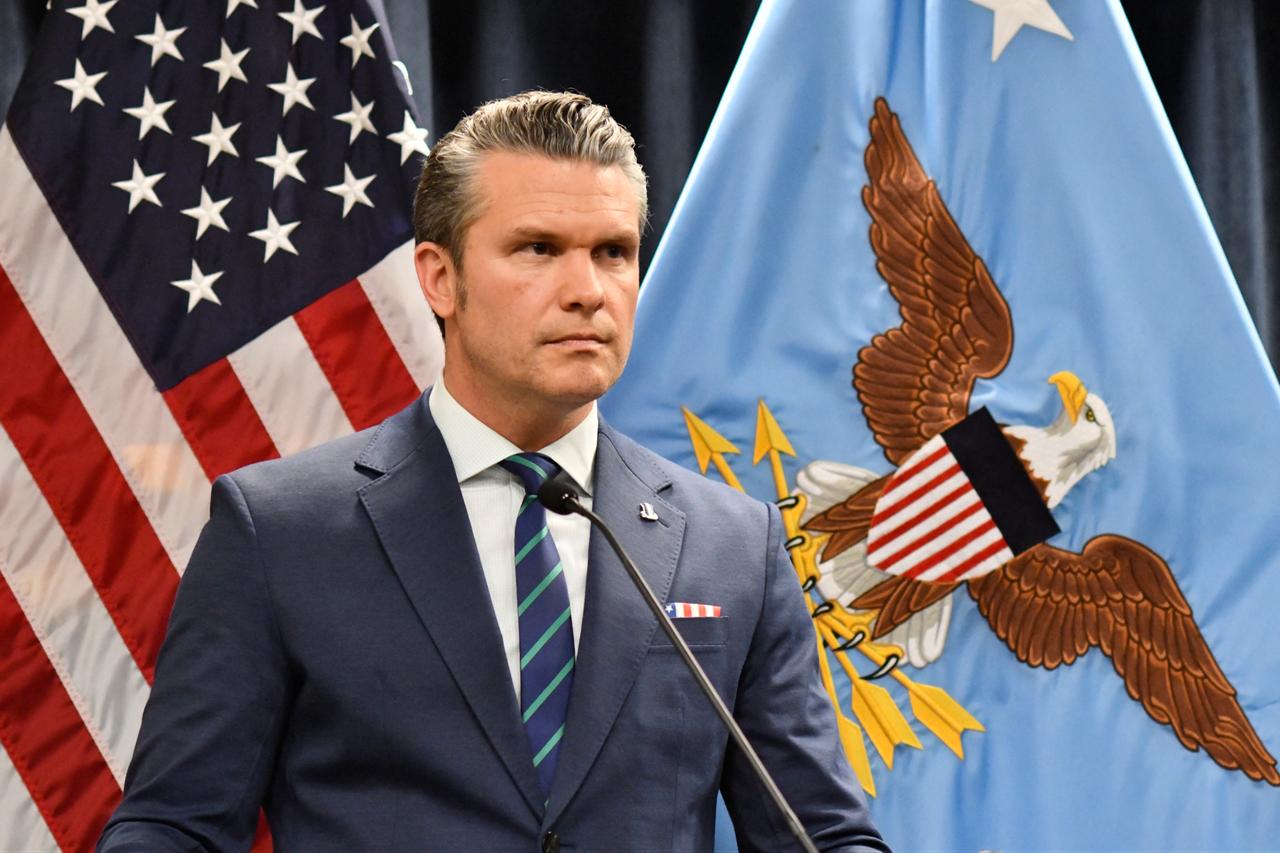


U.S. Secretary of War Pete Hegseth said the heaviest phase of the American air campaign against Iran has not yet begun, telling CBS News' "60 Minutes" that the shift to conventional gravity bombs on military targets would "showcase even more" how the U.S. intends to achieve its objectives as the war enters its second week.
As of Saturday, the U.S. has lost nine MQ-9s in its current military campaign against Iran, according to two U.S. officials who spoke to CBS News.
The total cost of nine MQ-9s is over $270 million.
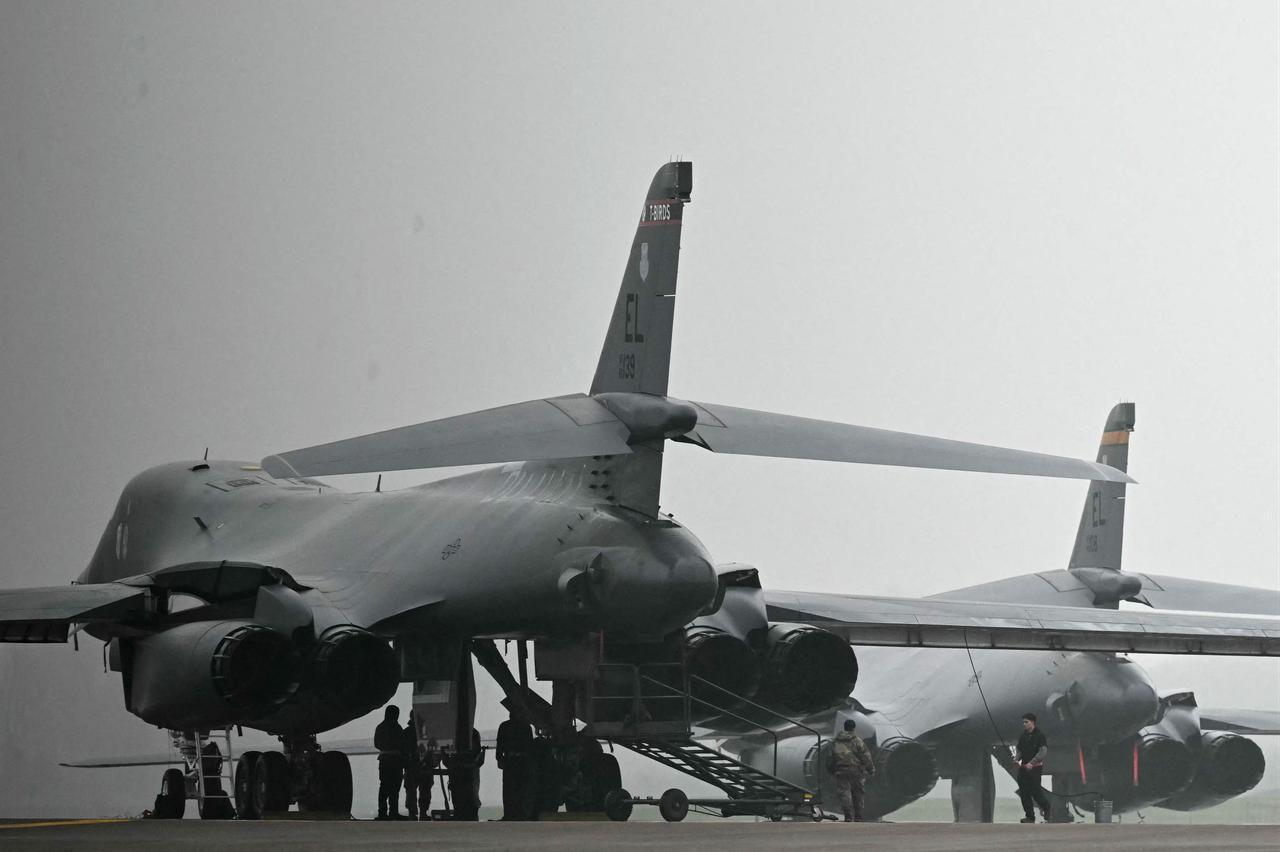

With more than 3,000 targets already struck inside Iran, Hegseth pushed back against suggestions that the mission was nearly complete.
"We're not flying a mission-accomplished banner like George W. Bush on an aircraft carrier. We're not doing that, and we haven't done that," Hegseth told CBS News' Major Garrett.
"The ability for us to be up over the top and hunting with more conventional munitions, gravity bombs, 500-pound, 1,000-pound, and 2,000-pound bombs on military targets—we haven't even really begun to start that effort of the campaign, which is going to showcase even more how we will execute on those objectives," he stated.
He described the combined U.S. and Israeli air forces as "the two most powerful air forces in the world" and said the fight was "not a fair fight, and that's on purpose."
"I want your viewers to understand this is only just the beginning," Hegseth noted.
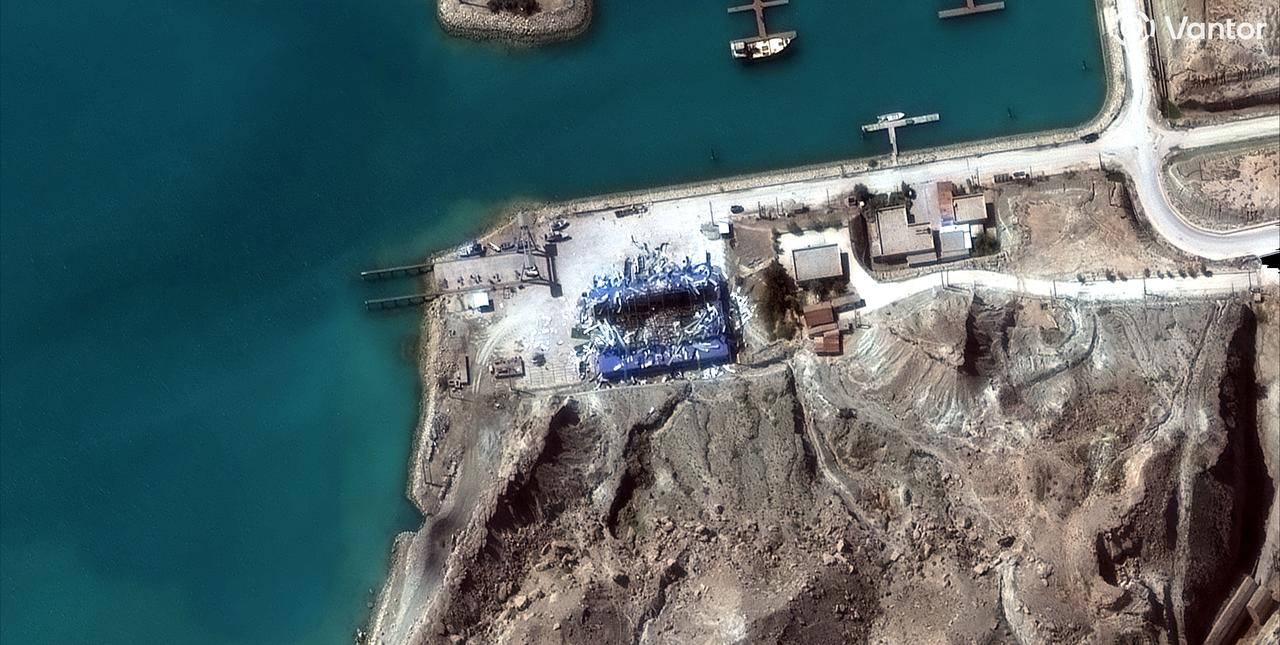
Asked what U.S. President Donald Trump's demand for unconditional surrender would look like, Hegseth said Iran would eventually have no choice.
"It means we're fighting to win. It means we set the terms. We'll know when they're not capable of fighting. There'll come a point when they have no choice but to do that. Whether they know it or not, they will be combat-ineffective. They will surrender," Hegseth stated.
Asked whether a formal person-to-person surrender would be required, Hegseth said: "Whether they want to admit it or not, whether their pride lets them say it out loud or not, it's President Trump who will set the terms of that."
He acknowledged that Iran fought an eight-year war with Iraq without surrendering but drew a distinction from previous U.S. conflicts.
"A lot of foolish approaches were used," he said of Iraq and Afghanistan.
"This is war. This is bringing your enemy to their knees," he added.
On the intelligence that triggered the war, Hegseth confirmed that intelligence about Khamenei's location was gathered, "whether from Israelis or ours," and verified by U.S. agencies.
"We were always controlling the throttle about whether or not we went or did not go," he said.
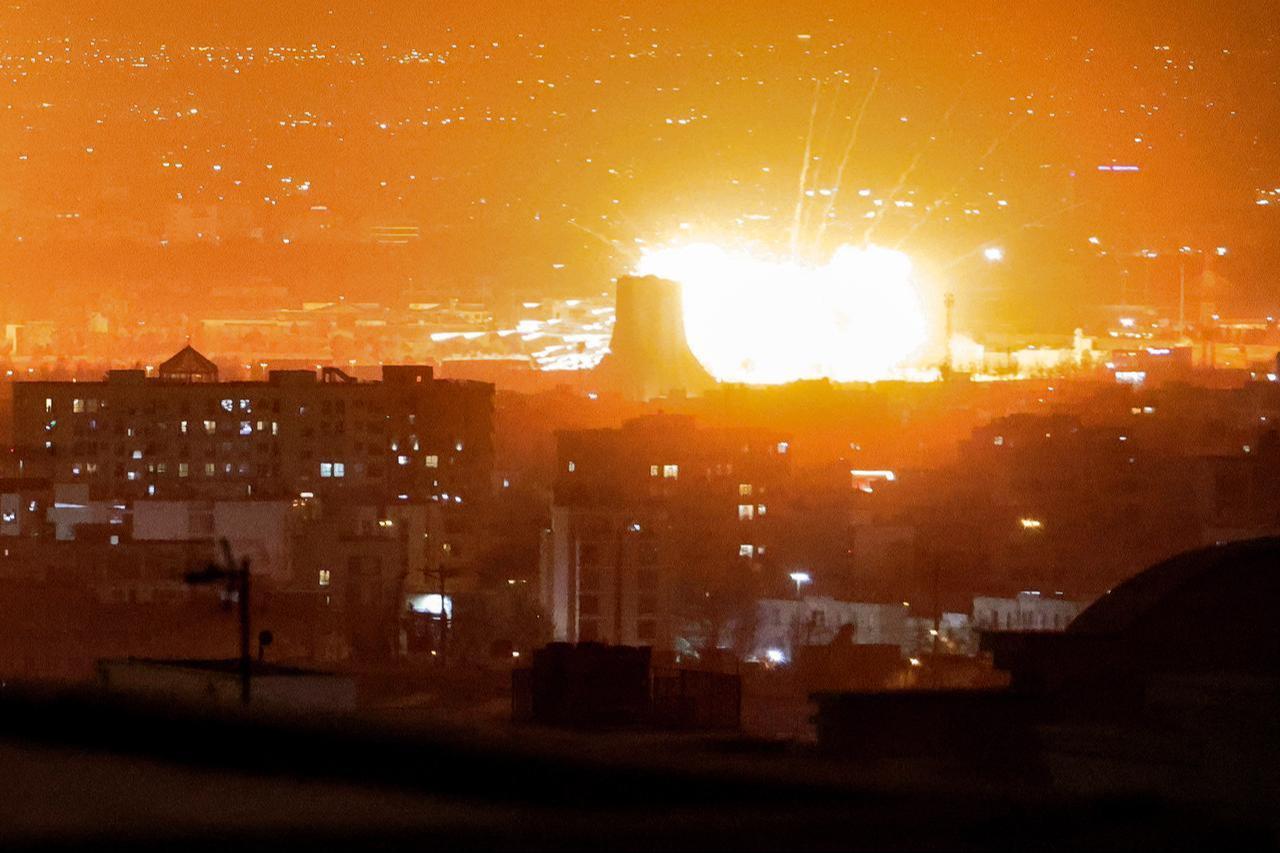
Asked about reports that Russia is providing intelligence to Iran on U.S. positions and movements, Hegseth said: "We're tracking everything. Our commanders are aware of everything."
He said Trump had "an incredible knack at knowing how to mitigate those risks."
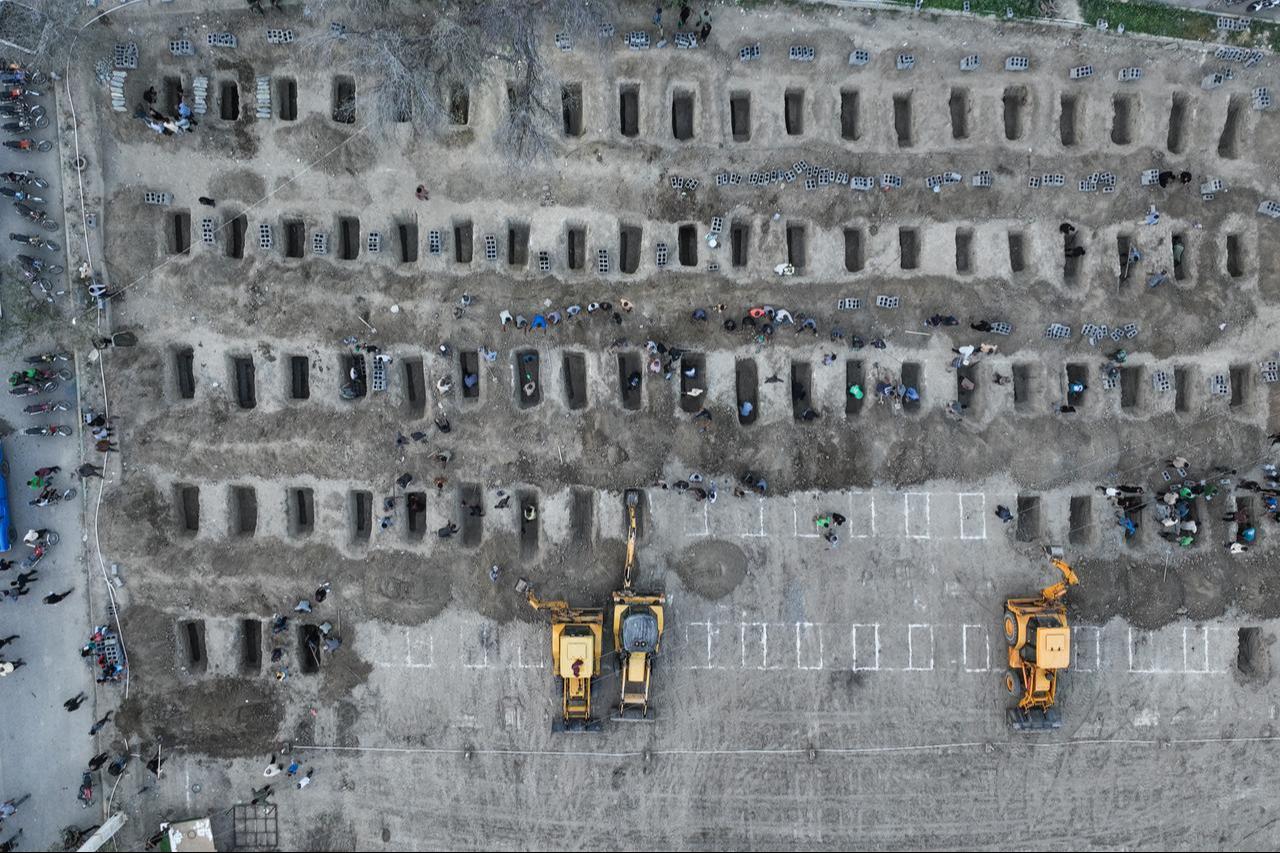
On the strike on a girls' school in Minab that killed at least 168 people, mostly children, Hegseth repeated that the military was investigating but declined to address reports from two officials that U.S. involvement was likely.
"We're still investigating and that's where I'll leave it today. But what I will emphasize to you and to the world is that, unlike our adversaries, the Iranians, we never target civilians," he said.
Asked if he could definitively say it was not the U.S., Hegseth replied: "I would say that it's being investigated, which is the only answer I'm prepared to give."
Asked if the U.S. had overt or covert forces inside Iran, Hegseth said: "I wouldn't tell you that if we did." He confirmed his earlier denial remained the answer but added, "We reserve the right. We would be completely unwise if we did not reserve the right to take any particular option."
On allies running low on interceptor missiles, Hegseth said the U.S. was "very prepared" and could "crossload for allies if need be." He said CENTCOM commander Adm. Brad Cooper had reported Iranian missile shots were down 90% from their peak.
More than 1,600 Iranians have been killed, according to the group Human Rights Activists in Iran. Seven U.S. service members have died, with the latest death announced Sunday.
Trump and Hegseth attended the dignified transfer of six Army reservists killed in a drone attack in Kuwait at Dover Air Force Base.
"There will be more casualties," Hegseth said, noting that "but that doesn't weaken us one bit. It stiffens our spine and our resolve to say this is a fight we will finish."


 Set as preferred source
 Set as preferred source



 3 min read