Newsletters


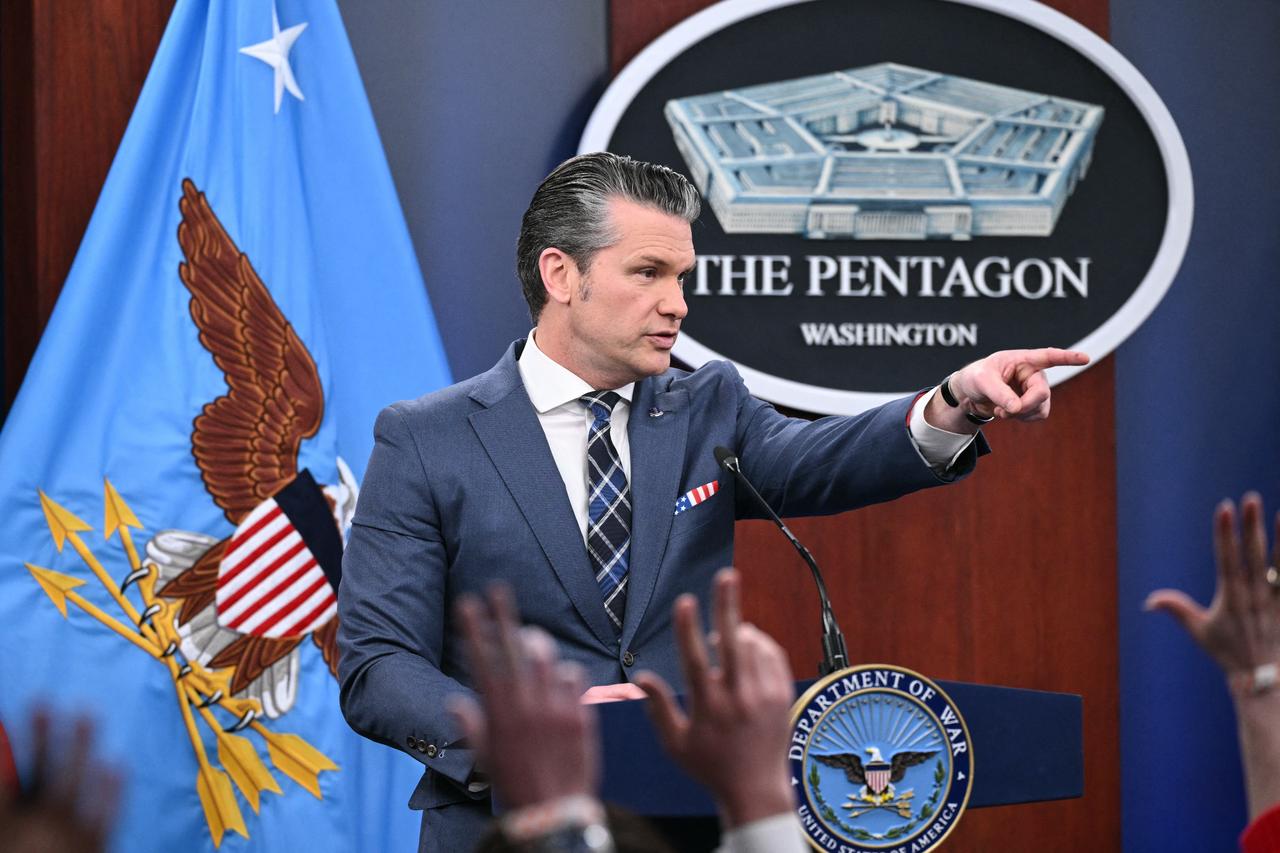


The Pentagon is developing military options for a “final blow” against Iran that could include ground forces and a large-scale bombing campaign, according to a report by U.S. media outlet Axios on Thursday.
Citing two U.S. officials and two sources familiar with the discussions, the report said the Pentagon is preparing several military scenarios that could be presented to U.S. President Donald Trump.
According to the report, officials have outlined four major “final blow” options Trump could choose from.
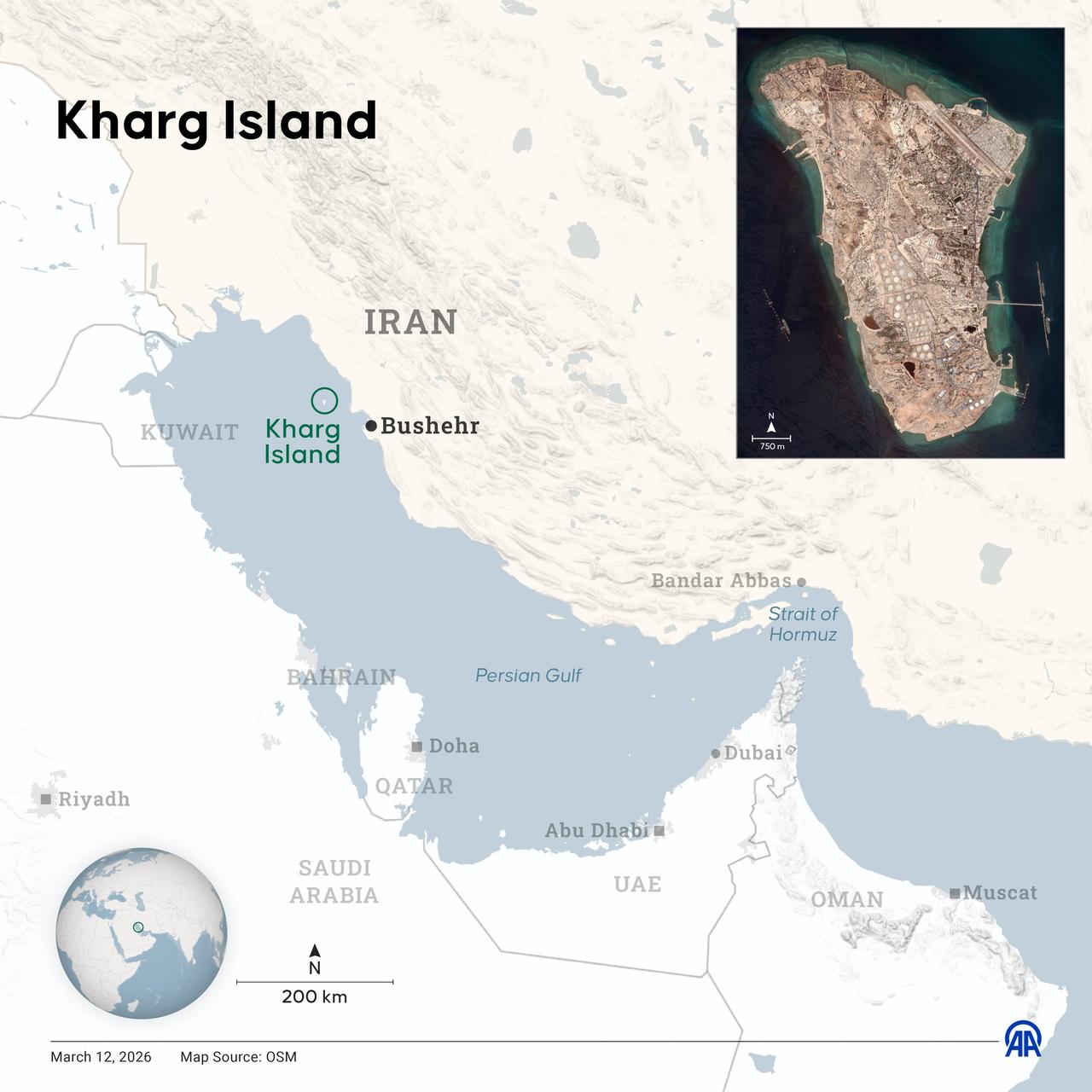
The options reportedly include invading or blockading Kharg Island, Iran’s main oil export hub, and invading Larak Island, which helps Iran control the Strait of Hormuz and hosts Iranian bunkers, attack craft capable of targeting cargo ships, and radar systems monitoring traffic in the strait.
Another option includes seizing the strategic island of Abu Musa and two smaller islands near the western entrance to the Strait of Hormuz, which are controlled by Iran but also claimed by the United Arab Emirates.
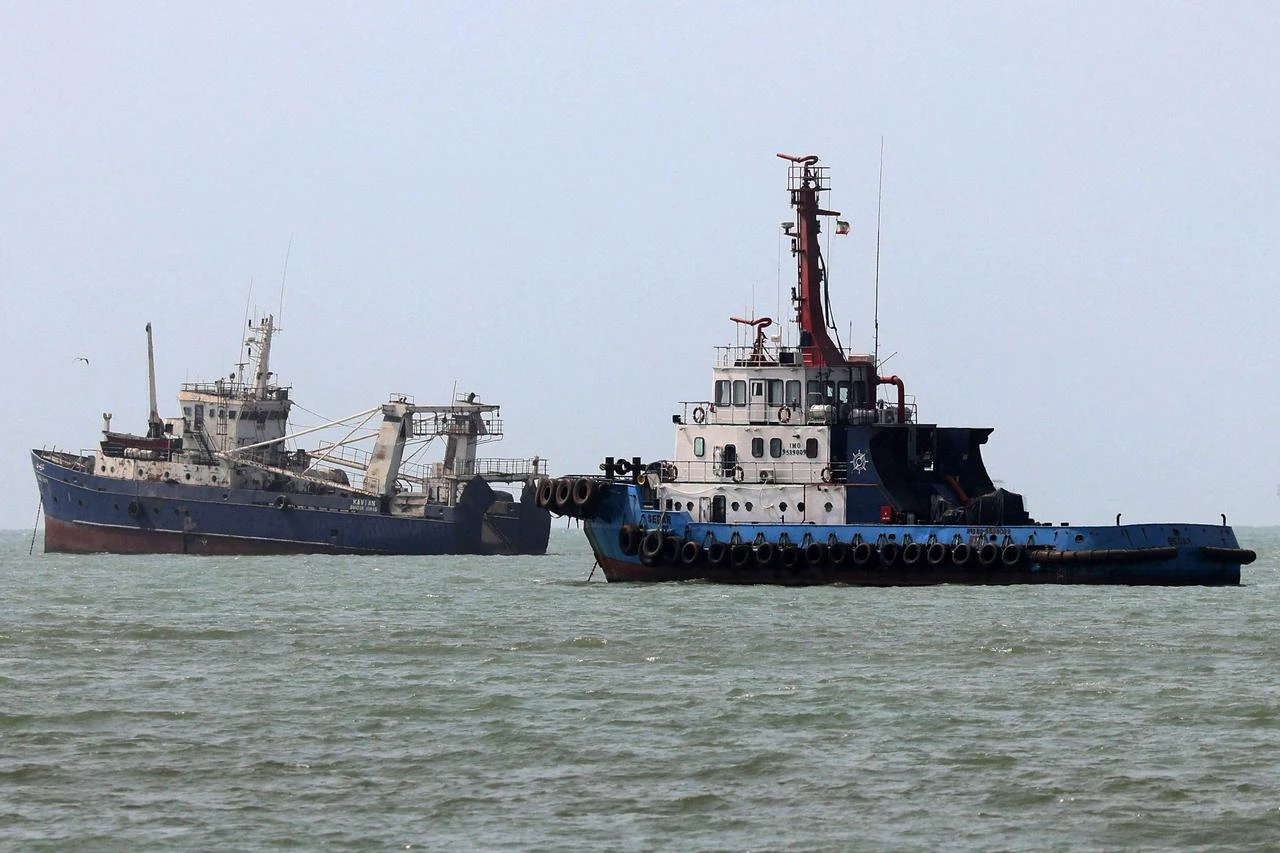
The fourth option would involve blocking or seizing ships exporting Iranian oil on the eastern side of the Strait of Hormuz, the report said.
Additionally, the U.S. military has reportedly prepared plans for ground operations deep inside Iran to secure highly enriched uranium stored in nuclear facilities.
Instead of such a complex and risky operation, the United States could also carry out large-scale airstrikes on nuclear facilities to prevent Iran from accessing the material, the report said.
The report added that Trump has not yet made a decision on any of the scenarios, and White House officials described potential ground operations as “hypothetical.”

Meanwhile, Iran’s parliament speaker Mohammad Bagher Ghalibaf warned Wednesday that any attempt to occupy Iranian territory would be met with strikes on the infrastructure of any country supporting such an operation.
Kharg Island lies about 30 kilometers (19 miles) off Iran’s coast in the Persian Gulf and is considered the hub of Iran’s oil exports.
The United States and Israel have been carrying out airstrikes on Iran since Feb. 28, killing more than 1,340 people so far, including then-Supreme Leader Ali Khamenei.
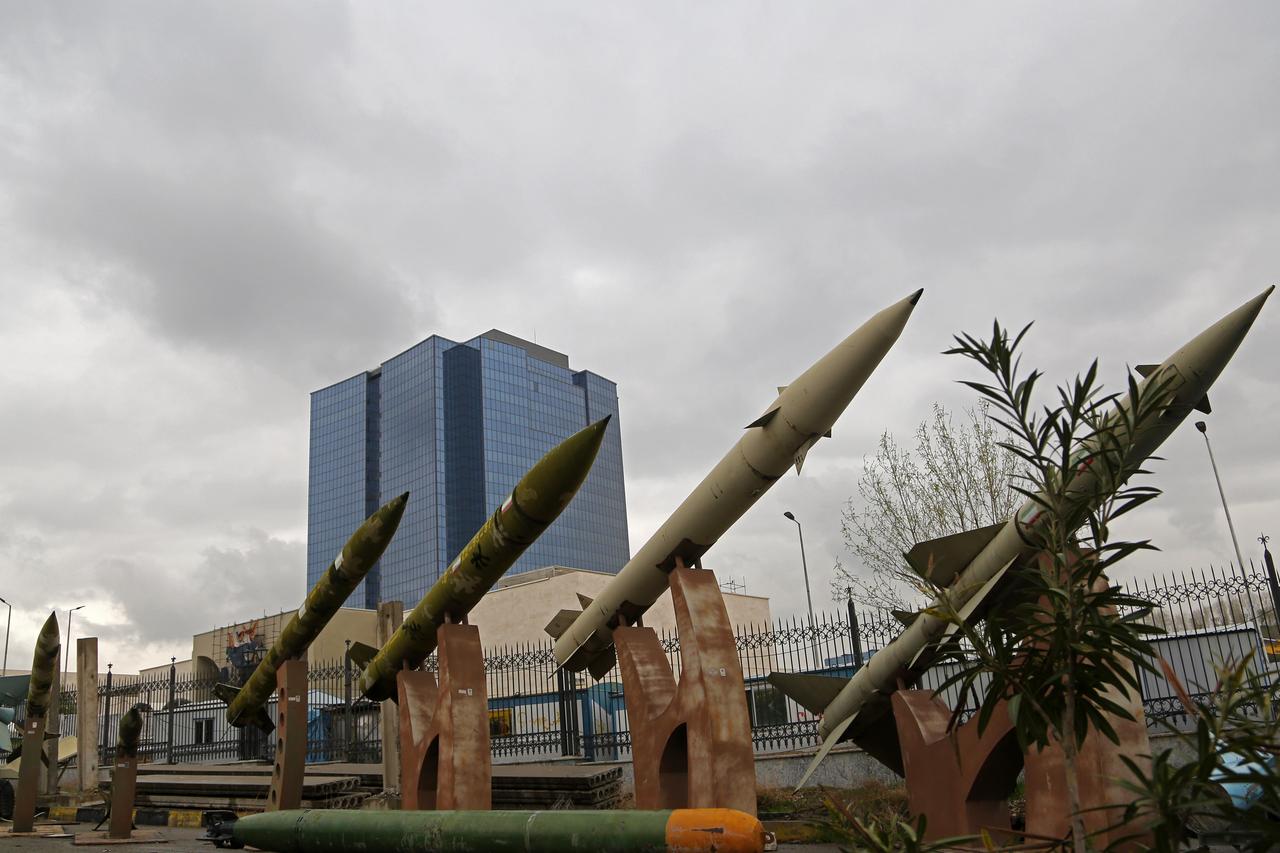
Iran has retaliated with drone and missile strikes targeting Israel as well as Jordan, Iraq and Gulf countries hosting U.S. military assets, causing casualties and damage to infrastructure while disrupting global markets and aviation.
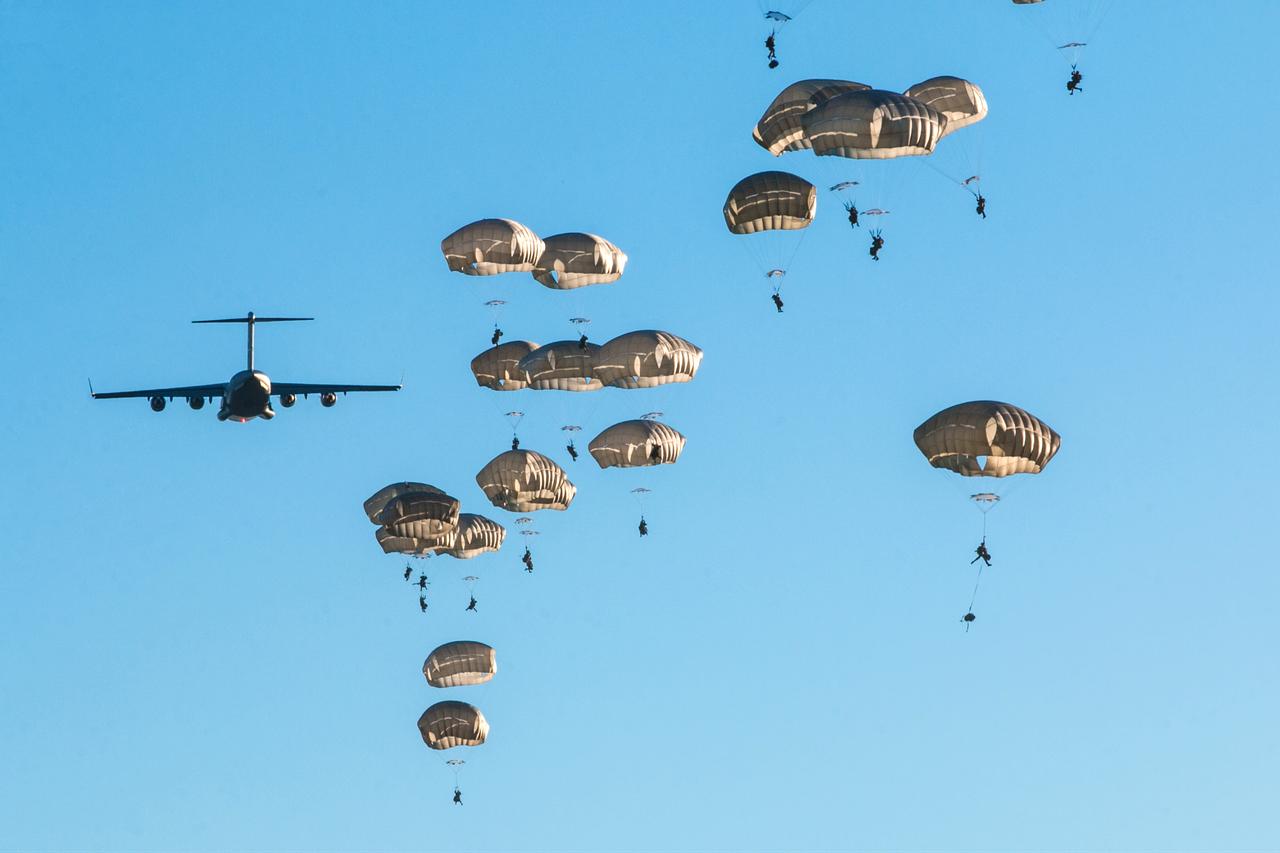
The United States continues to increase its military posture in the region. The Pentagon has not altered orders for military operations, and the command element of the 82nd Airborne Division is deploying to the Middle East with an infantry brigade.
“We negotiate with bombs,” U.S. Secretary of Defense Pete Hegseth said Tuesday.
A Trump adviser said the strategy was to keep one hand open for a deal while the other remained ready to strike.
 2 min read

A White House official said that while Tehran is focused on halting bombardment through a ceasefire, Washington is seeking concessions that Iran had previously refused to grant.
The region has remained tense since the United States and Israel launched a joint offensive on Iran on Feb. 28, with Iran responding with drone and missile strikes targeting Israel and several countries hosting U.S. military assets.


 Set as preferred source
 Set as preferred source



 1 min read