Newsletters




As the trajectory of the war in the Middle East began to shift, diplomacy stepped in as a critical braking mechanism. At a time when oil prices were surging, global inflation pressures were mounting again, and the Strait of Hormuz was turning into a potential choke point, the efforts led by Türkiye and Pakistan played a quiet yet decisive role.
The meeting in Riyadh was the visible part of this process. But behind the scenes, there was a far heavier diplomatic traffic. Contacts with Iran had already been established days before the summit in Riyadh, according to diplomatic sources who are familiar with the process, talking to Türkiye Today. According to unverified reports, an Iranian delegation, including high-level figures, visited Türkiye prior to Riyadh for talks.
What stands out, however, is this: there has been no official confirmation from Ankara, Islamabad, or Tehran. This is typical of high-stakes diplomacy. These are the kinds of contacts that happen when the stakes are high, but outcomes are still uncertain, and no one wants to publicly own them just yet. Politically and diplomatically, that hesitation is understandable.
But that very ambiguity also tells us how fragile the process really is.
The roles of Türkiye and Pakistan in this phase are quite complementary. Pakistan has been operating along a more security-driven track, engaging directly with the IRGC and Iranian intelligence to push the idea of a ceasefire. That matters because decision-making in Iran is not centralized. Without persuading actors on the ground, diplomacy rarely translates into reality.
Türkiye, on the other hand, has been running a more traditional, but effective, diplomatic effort. Through both diplomatic and intelligence channels, Ankara has been engaging not only Iranian officials but also maintaining contact with Washington, while carefully balancing its relations with Gulf states. This is where Türkiye’s strategic advantage becomes clear: it is one of the few actors capable of speaking to Tehran and Washington, while also sitting at the same table with Riyadh.
Together, these two tracks form a coordinated but informal mechanism. On one side, Pakistan works to stabilize the field. On the other, Türkiye works to stabilize the political balance.
Timing is everything.
These efforts began before Riyadh and culminated during a summit that was effectively held under the shadow of active attacks. At that very moment, the crisis had reached a critical threshold.
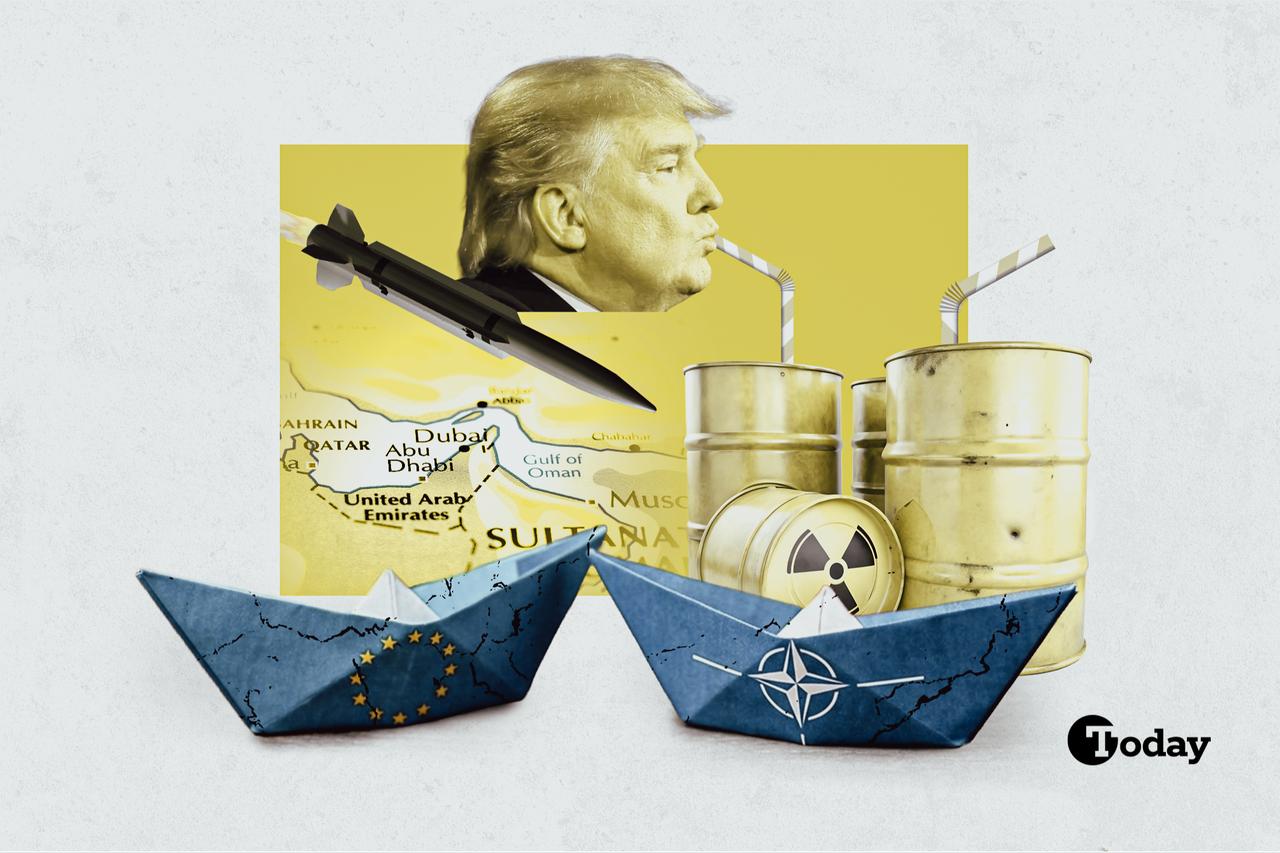
Iran’s decision to direct its retaliation not at the United States directly, but at Gulf states, fundamentally shifted the equation. Strikes on the UAE and mounting pressure on Saudi Arabia pushed the region to the brink of a wider war. Energy supply was already tightening, and with the added risk around Hormuz, the global economy was staring at a serious shock.
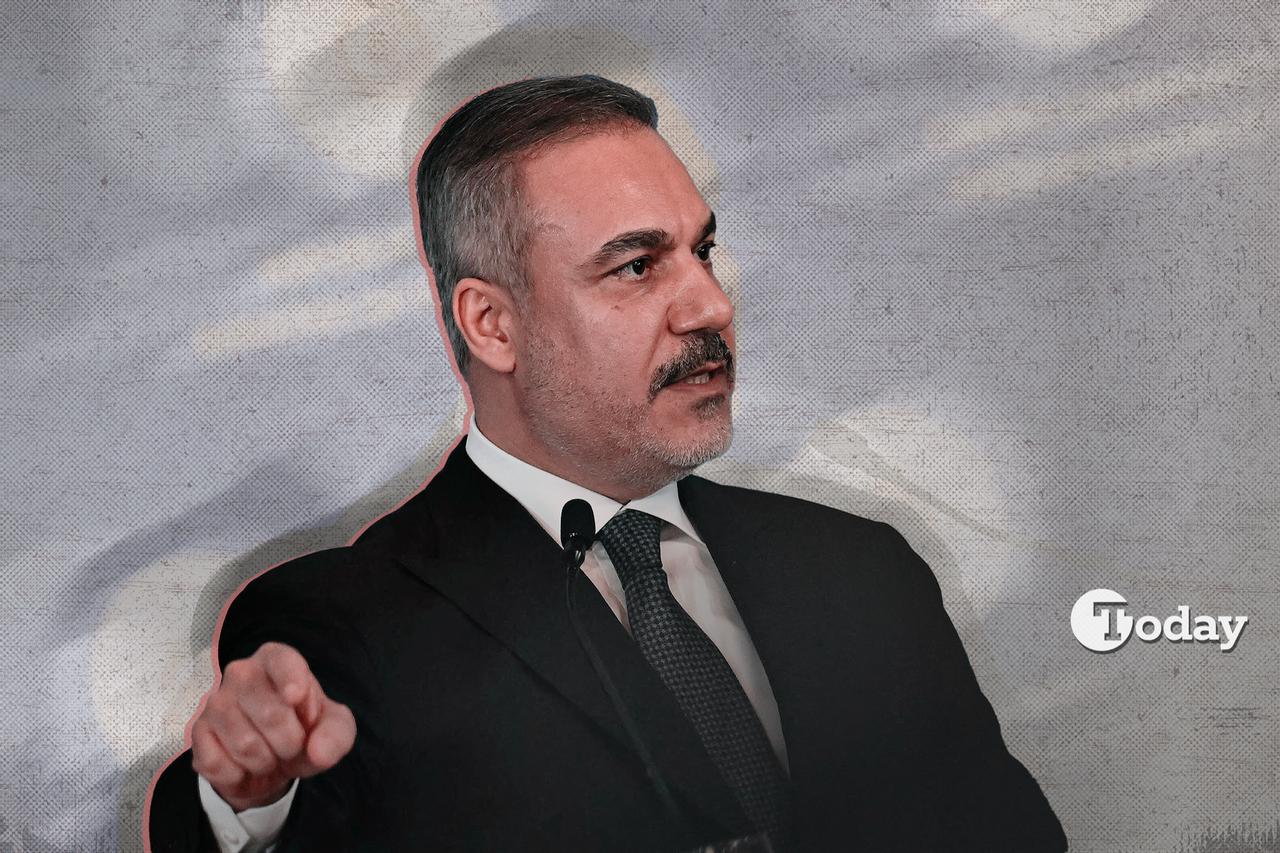
The meeting involving Hakan Fidan, alongside his Saudi and Pakistani counterparts, with Egypt also present, was not just another diplomatic gathering. It was an intervention that altered the trajectory on the ground. As one source familiar with the discussions put it: “If that step hadn’t been taken, the Hormuz crisis would have expanded into the Red Sea and Suez. At that point, it wouldn’t just have been a regional war—it would have triggered a deep global economic crisis.”
That statement captures what was effectively prevented or postponed.
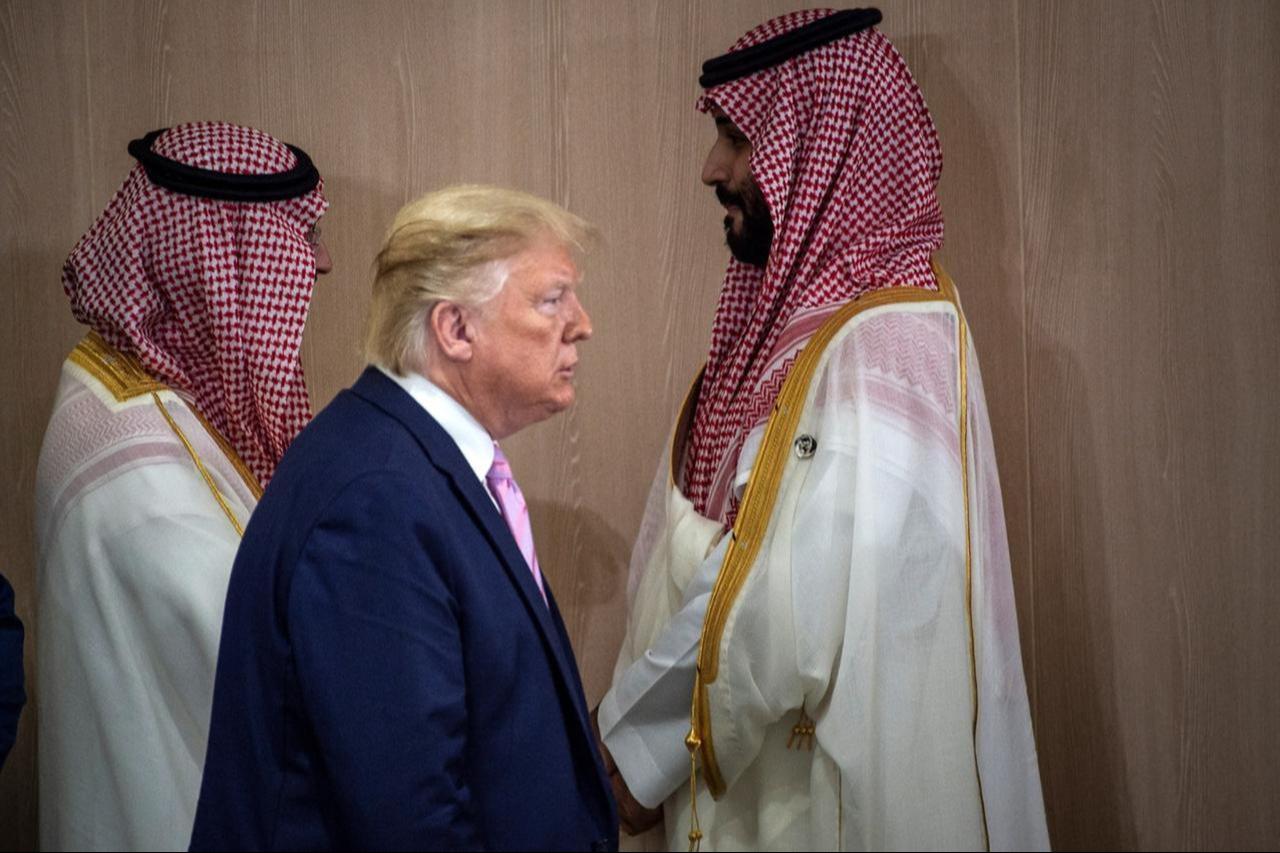

Türkiye and Pakistan stepped in at the precise moment when Saudi Arabia was nearing the threshold of entering the war alongside the United States. This was more than a diplomatic success—it was an attempt to stop a cascading crisis. But the situation remains extremely fragile.
Yes, ceasefire discussions are underway. There are signs that the parties are exchanging indirect messages. But the reality on the ground is far more complex.
First, there is no unified decision-making center in Iran. The political leadership in Tehran and the IRGC are not fully aligned. What is agreed at the negotiating table may not hold on the battlefield.
Second, U.S. rhetoric risks undermining the process. Washington’s signals that it may be engaging with alternative actors within Iran point to a broader strategy of exploiting internal divisions. This deepens mistrust in Tehran and strengthens hardliners.
Third—and perhaps most critical—is the position of the radical faction within the IRGC.
Following targeted killings of senior commanders and sustained military pressure, this faction has shifted toward a more aggressive stance. Groups consolidating around Mojtaba Khamenei appear to favor escalation, openly embracing a “no retreat” position. This directly threatens the diplomatic efforts led by Türkiye and Pakistan—because a single strike on the ground could unravel everything at the table.
This also explains why Türkiye has been so actively engaged. For Ankara, this is not just about Iran or the Gulf. It’s about a broader chain reaction: economic vulnerability, energy prices, trade routes—and ultimately regional stability.
Türkiye may have a relatively diversified energy structure, but in a scenario where Hormuz is disrupted—especially if the Red Sea were to be affected as well—no country remains insulated. A global price shock would inevitably hit Türkiye too.
There is also the risk of uncontrolled migration flows and wider regional instability. Still, at this stage, Ankara’s priority is clear: economic stability and internal security.
Which is why Türkiye’s position is straightforward: prevent the war from expanding.
Pakistan shares a similar calculus. From a security standpoint, it has no interest in seeing Iran dragged into an uncontrollable conflict. That is why both countries, through different approaches, are working toward the same objective.
For now, one thing is clear: Türkiye and Pakistan have bought time—how they use it will shape the course of the war.


 Set as preferred source
 Set as preferred source


 1 min read
 1 min read