Newsletters


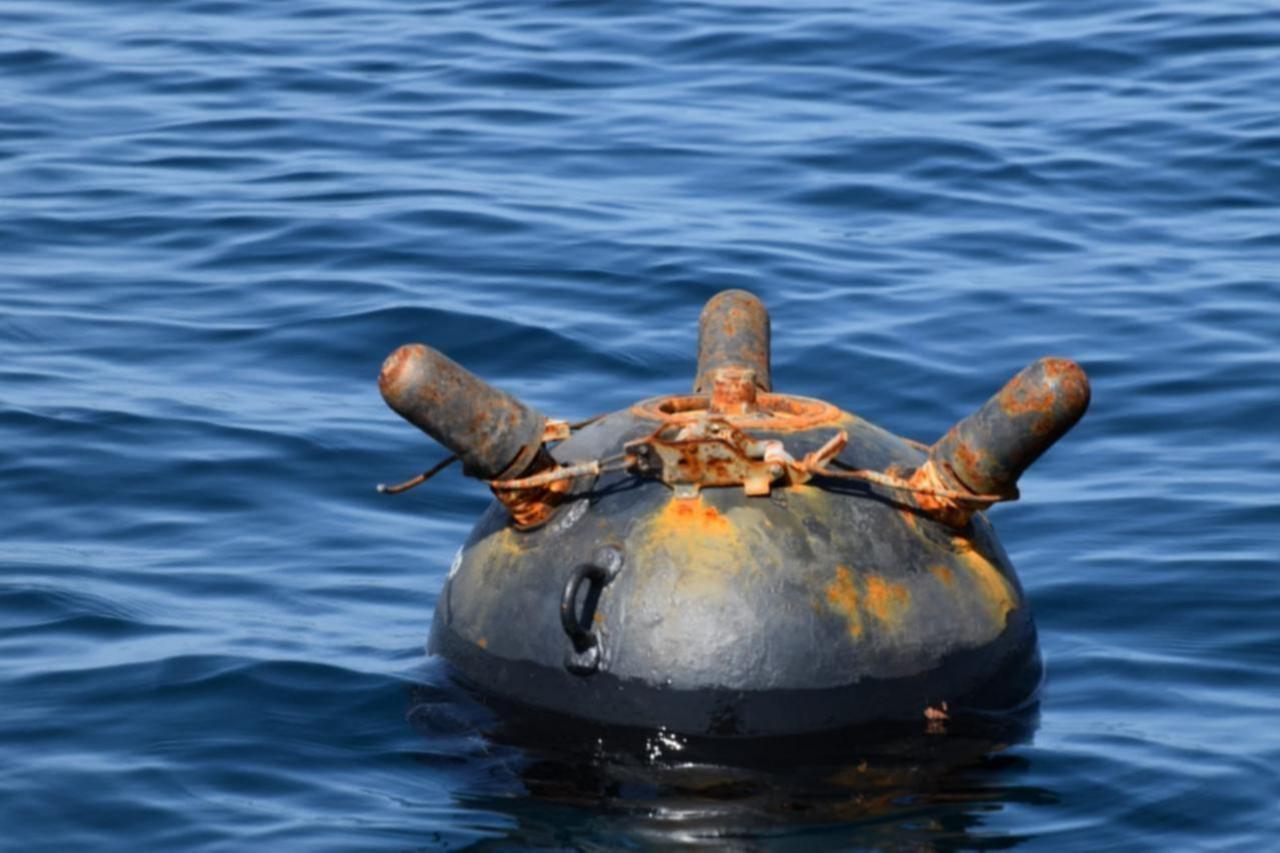


The Pentagon has told Congress that fully clearing Iranian naval mines from the Strait of Hormuz could take up to six months, and that the operation is unlikely to begin in earnest until the U.S. war with Iran has ended, an assessment that signals the closure of one of the world's most critical energy corridors may stretch deep into 2026 or beyond.
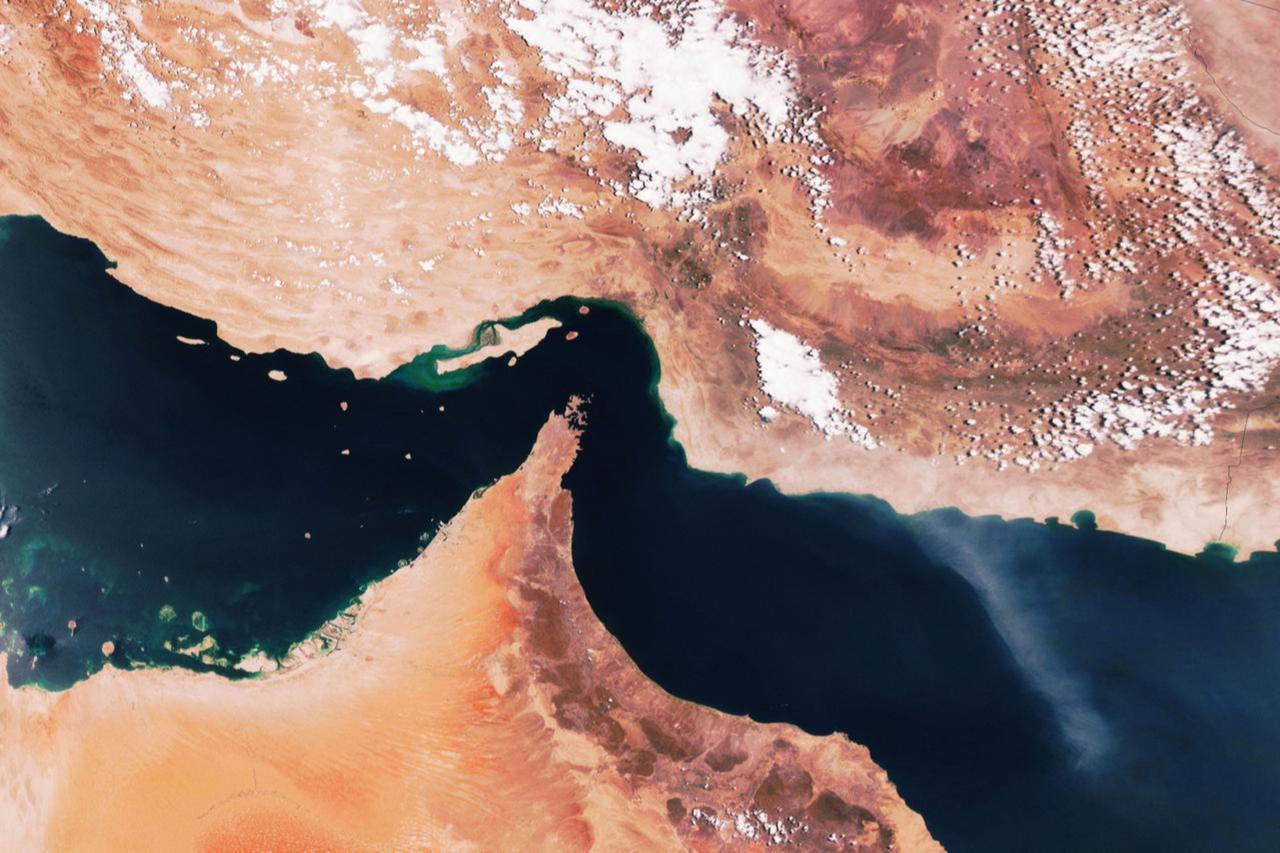
The disclosure underscores the scale of the challenge facing American and allied planners as they grapple with a maritime crisis that has effectively halted the flow of roughly one-fifth of the world's oil and liquefied natural gas since late February.
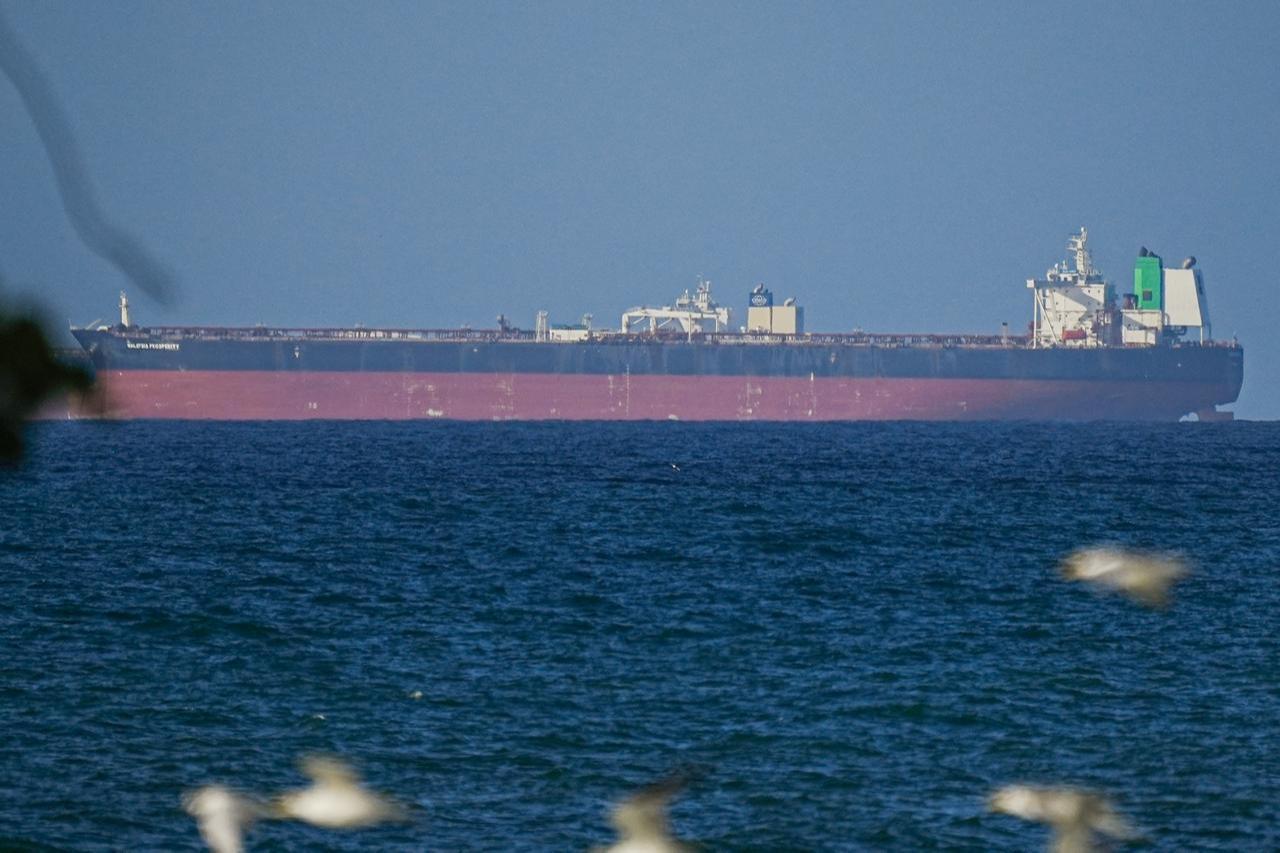

The Strait of Hormuz has been largely blocked since February 28, when the United States and Israel launched coordinated airstrikes against Iran under an operation called Epic Fury, targeting military facilities, nuclear sites and leadership.
Iran retaliated with missile and drone attacks on Israel, U.S. military bases, and Gulf states, and its Islamic Revolutionary Guard Corps issued warnings forbidding passage through the strait.
The IRGC has since carried out more than 20 confirmed attacks on merchant ships, and Iranian forces began laying sea mines in the waterway, according to multiple U.S. officials.
Complicating any near-term resolution, Iran reportedly lost track of mines it planted in the strait and lacks the capacity to locate or remove them, a fact that analysts say helped doom ceasefire negotiations in Islamabad earlier this month.
Before the war, the strait carried roughly 13 million barrels of crude per day, representing about 31 percent of all seaborne crude flows, along with a significant share of global LNG trade. There is no viable alternative route for the vast majority of that traffic.
The Pentagon's assessment to Congress is that meaningful mine-clearance operations cannot be safely conducted while hostilities continue, leaving the timeline for reopening the strait tied directly to the outcome of the conflict.
On April 11, two U.S. Navy guided-missile destroyers, the USS Frank E. Peterson and USS Michael Murphy, transited the strait as a preparatory move, with CENTCOM commander Admiral Brad Cooper saying his forces had "begun the process of establishing a new passage."
Underwater drones, including the Knifefish unmanned underwater vehicle, are being deployed to detect and classify mines, and two Avenger-class minesweepers have departed Japan for the region.
The U.S. Navy's mine-countermeasures capabilities are under significant strain, however. The service decommissioned its last four forward-deployed Avenger-class minesweepers from Bahrain in late 2025, and the Littoral Combat Ships that replaced them were withdrawn from the region ahead of the current conflict.
The process of clearing mines, known as mine countermeasures, involves methodical mine-hunting with high-resolution sonar and minesweeping to trigger individual devices, one by one. Experts note that even a single mine is enough to compel shipping operators to treat an entire waterway as compromised, in effect invalidating war-risk insurance and halting transits.


 Set as preferred source
 Set as preferred source


 1 min read
 1 min read