Newsletters




U.S. defense officials are considering sending up to 10,000 additional ground troops to the Middle East to expand President Trump’s military options against Iran.
The potential deployment, reported by the Wall Street Journal (WSJ) and Axios, comes as he weighs a diplomatic off-ramp with Tehran.
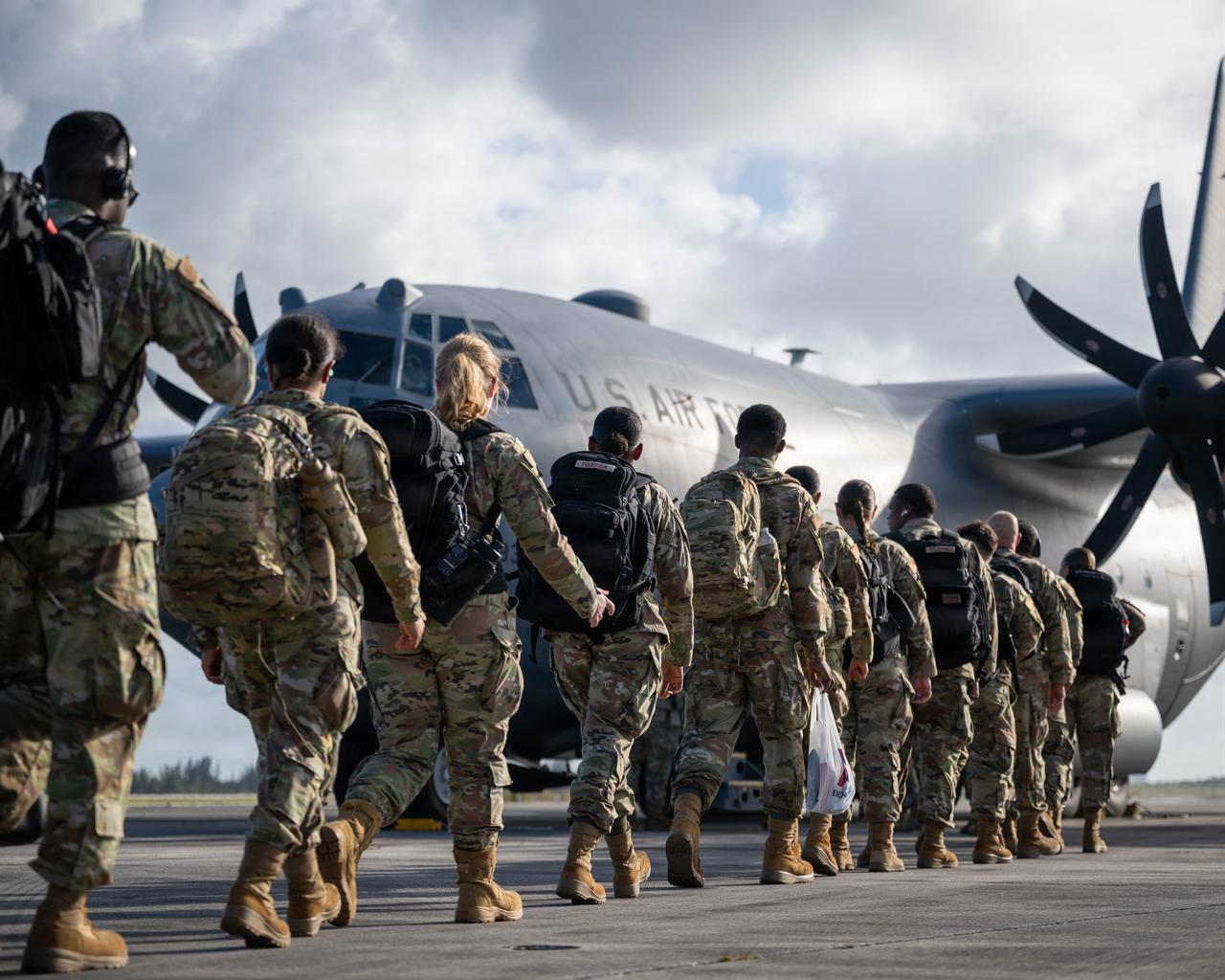
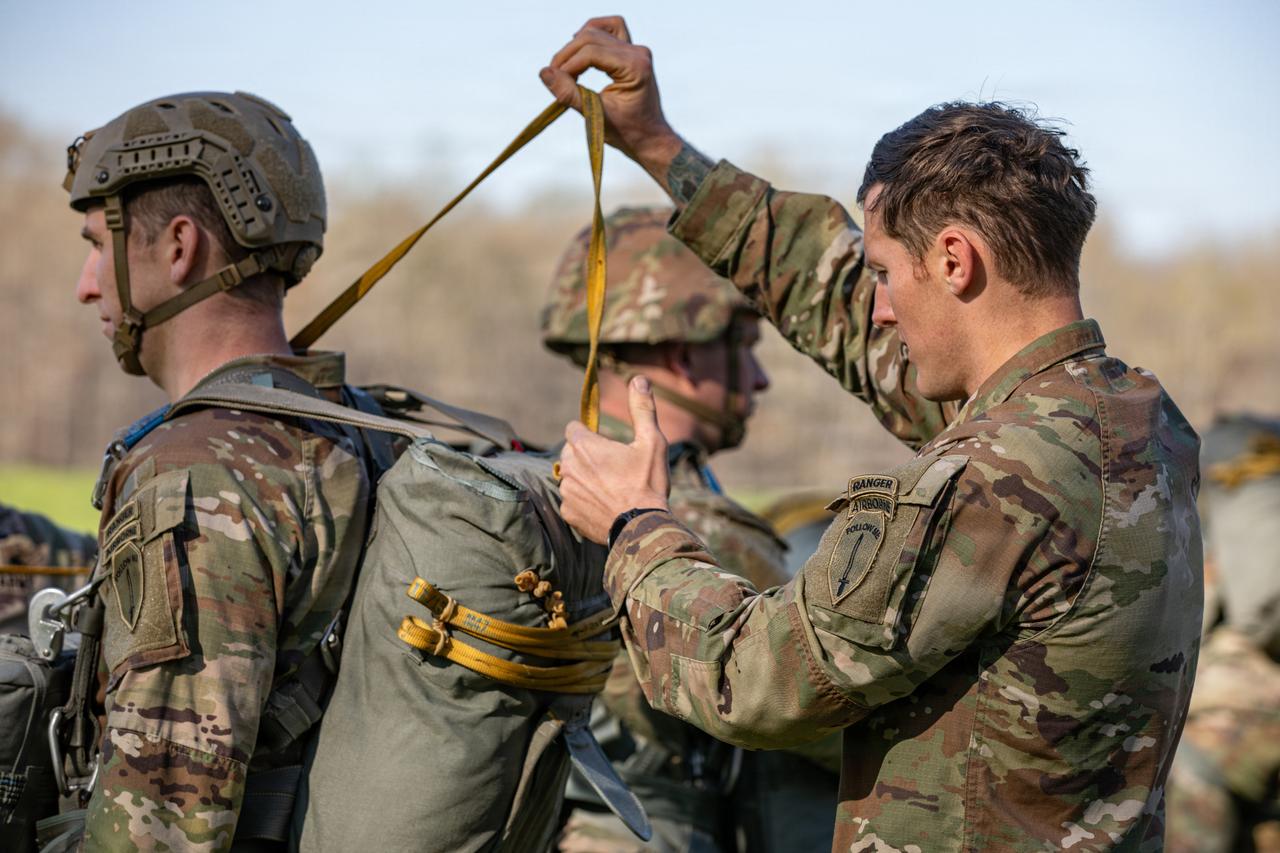
The potential deployment would come on top of approximately 5,000 Marines and thousands of 82nd Airborne paratroopers already ordered to the region.

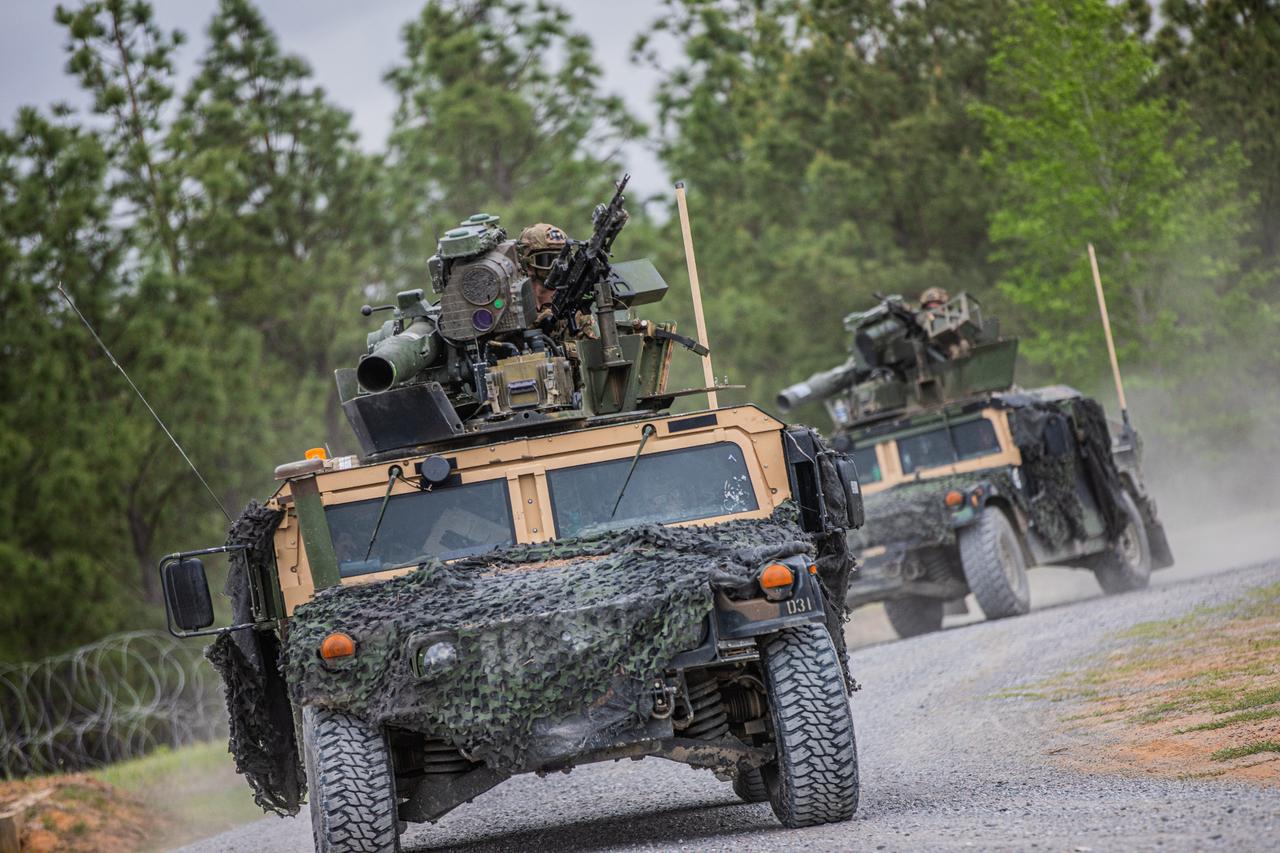
The additional force would likely include infantry units and armored vehicles, and would be positioned within operational range of Iran and Kharg Island, Iran's crucial oil export hub off the country's coast, officials told the Wall Street Journal.
"The troops would be from different combat units than those already dispatched to the region," a senior U.S. defense official told Axios, adding that the decision is expected to be made next week.
"All announcements regarding troop deployments will come from the Department of War. As we have said, President Trump always has all military options at his disposal," said Anna Kelly, deputy White House press secretary.
The Pentagon is also developing military options for a "final blow" in Iran that could include the use of ground forces and a massive bombing campaign, Axios reported.
Trump has not made a decision on pursuing any of these scenarios, but sources said he is ready to escalate if talks with Iran do not yield tangible results "soon."
Additional reinforcements, including several fighter jet squadrons and thousands of troops, are expected to arrive in the Middle East in the coming days and weeks.
The command element of the 82nd Airborne Division has been directed to deploy to the Middle East with an infantry brigade consisting of several thousand troops.
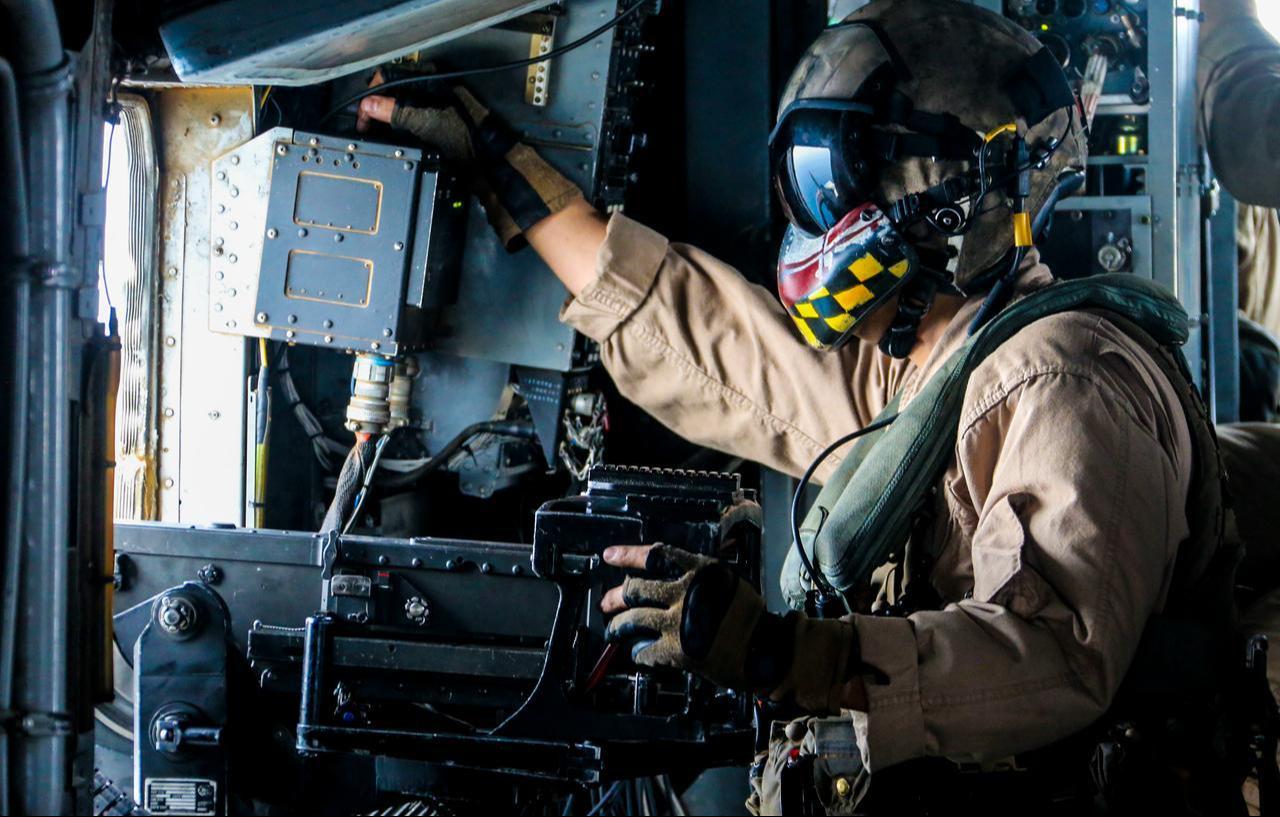
One Marine expeditionary unit will arrive this week and another is now deploying.
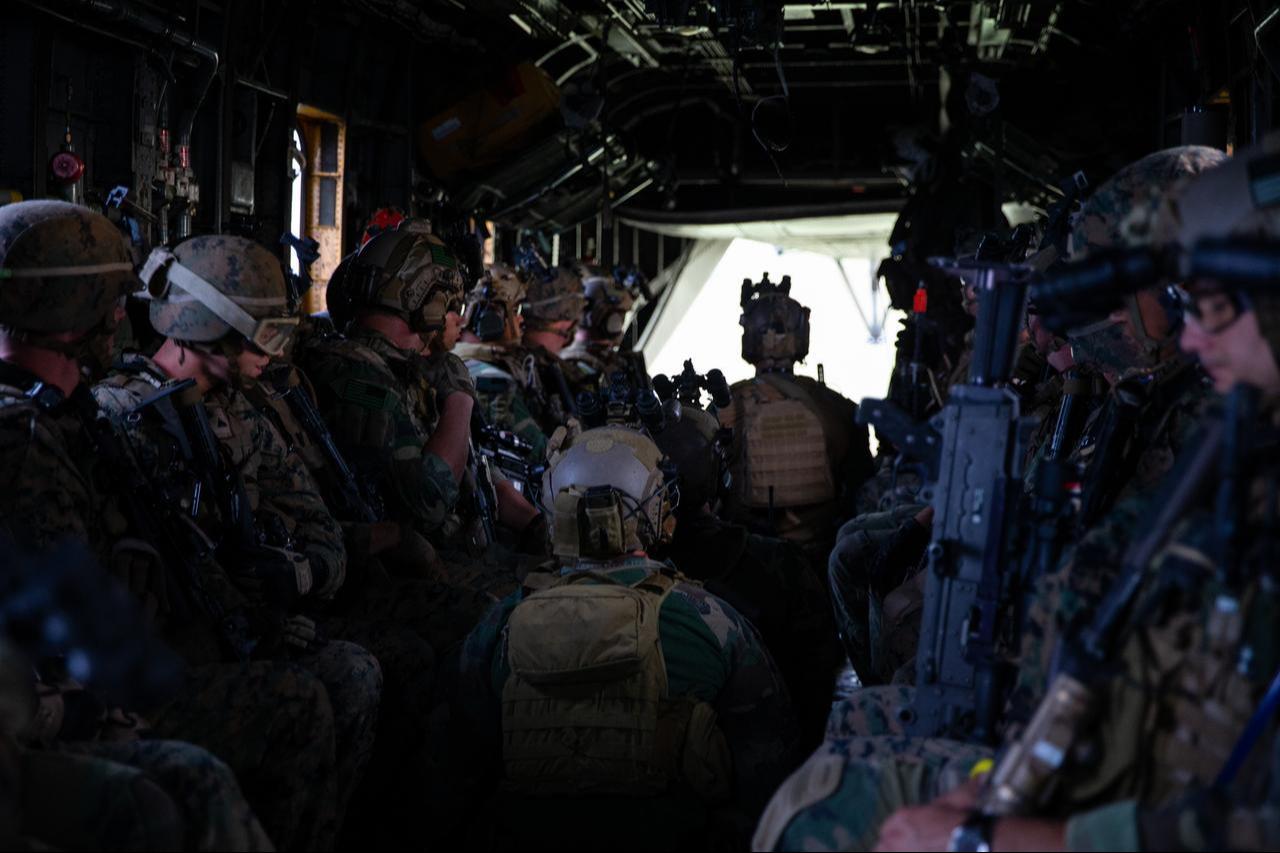
The massive surge in ground troops is being considered as Trump says the U.S. is negotiating with Iran on a deal to end the war, Axios noted.
Iranian officials have not yet agreed to hold a high-level meeting with the U.S. and remain suspicious that the U.S. diplomatic push is a tactic rather than a genuine offer.
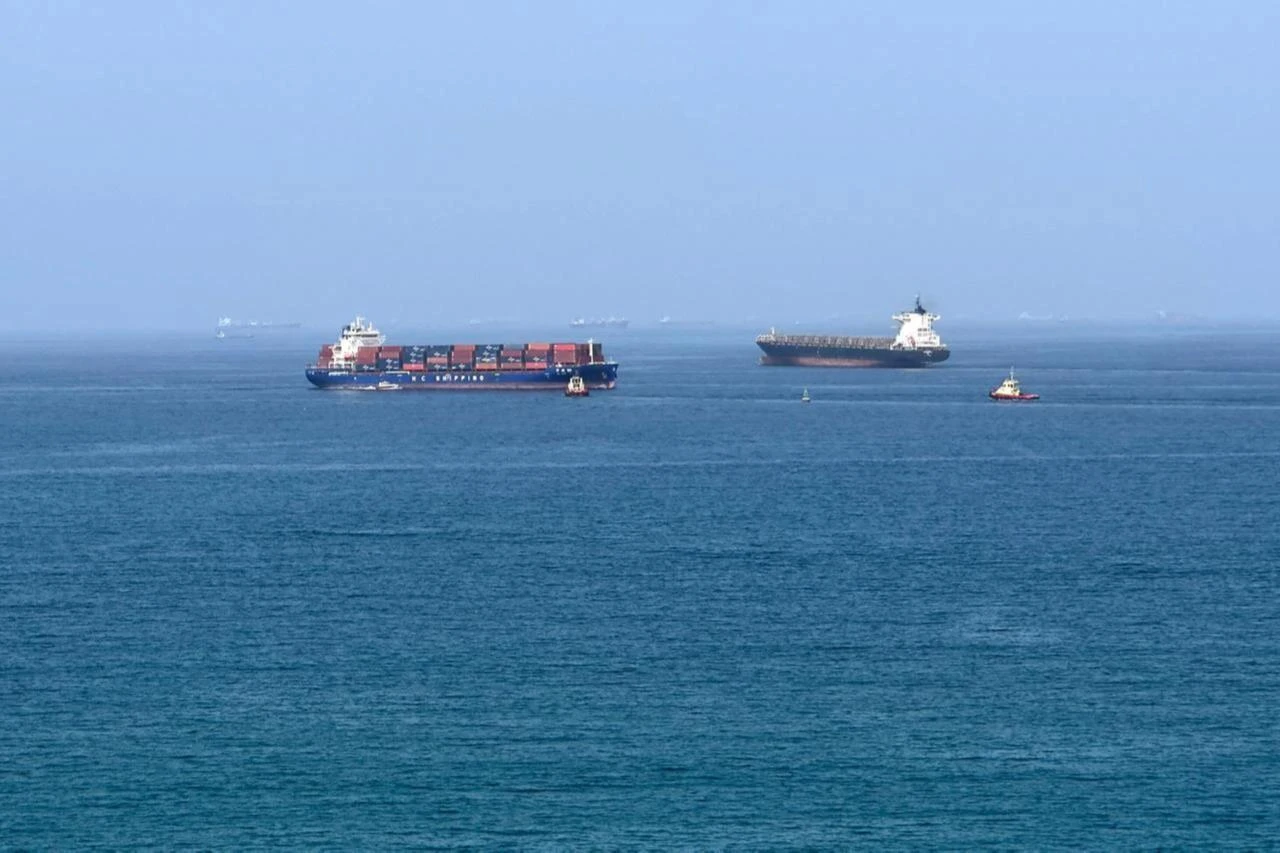
Trump has repeatedly stated his intention to reopen the Strait of Hormuz with or without the support of U.S. allies.
Regional escalation has continued since the U.S. and Israel launched a joint offensive on Iran on Feb. 28, killing over 1,300 people, including then-Supreme Leader Ali Khamenei.
Iran has retaliated with drone and missile strikes targeting Israel, Jordan, Iraq and Gulf countries hosting U.S. military assets.


 Set as preferred source
 Set as preferred source


 1 min read

 1 min read