Newsletters


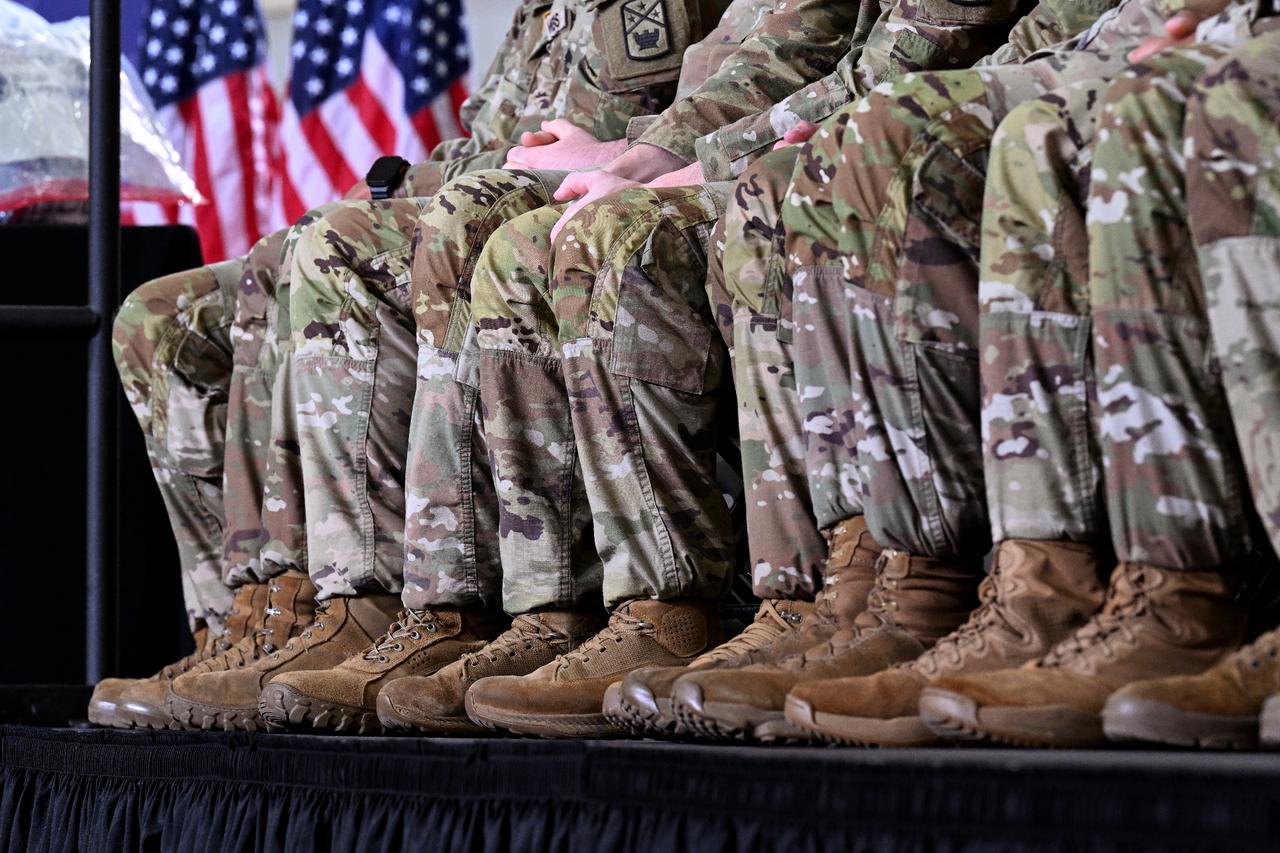


United States forces in the Middle East are conducting operations from hotels and temporary sites after Iranian retaliatory attacks damaged multiple American military bases, officials said, according to a report by The New York Times.
Tehran has been targeting U.S. bases, embassies, and regional infrastructure amid the ongoing U.S.-Israeli offensive on Iran, forcing the Pentagon to disperse thousands of troops across temporary locations, the report said.
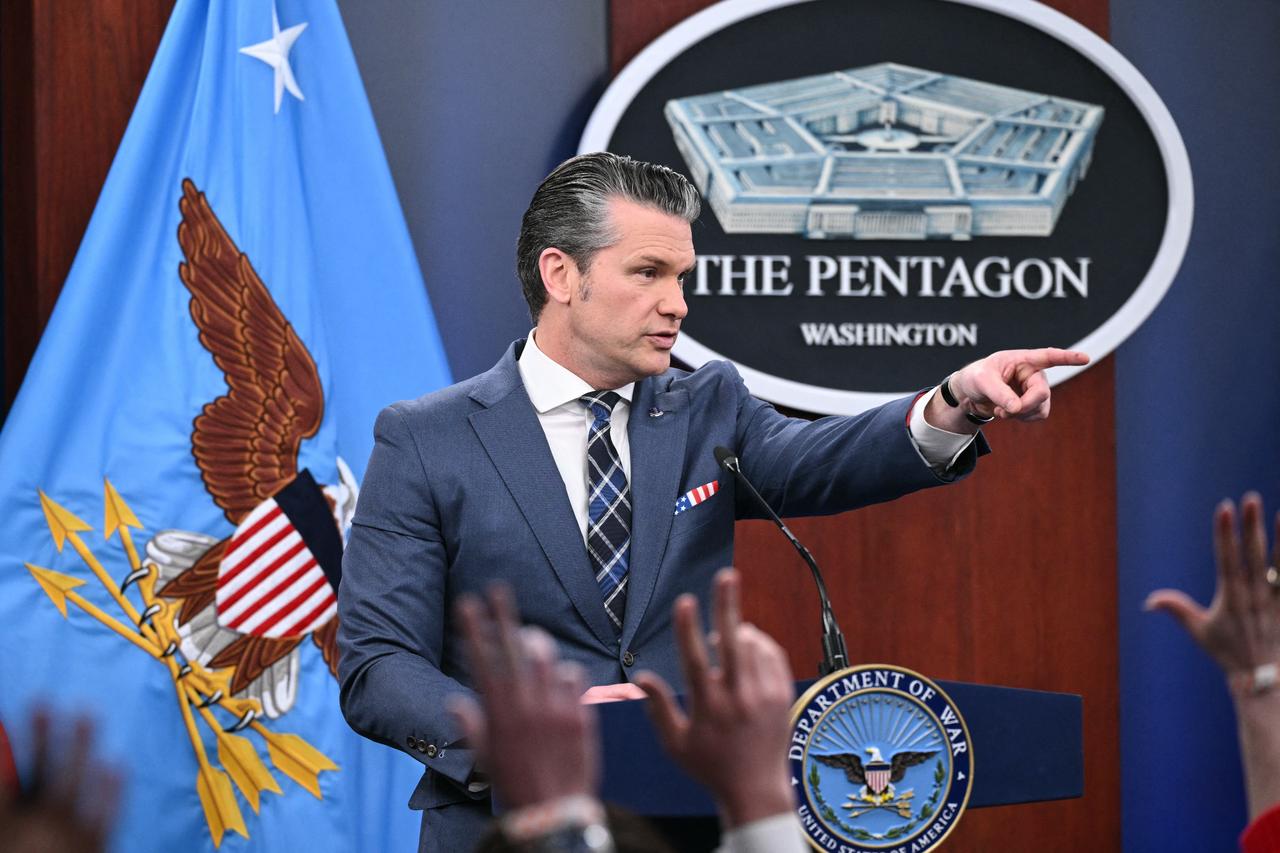
Last week, Defense Secretary Pete Hegseth said: “To date, we’ve struck over 7,000 targets across Iran and its military infrastructure.”
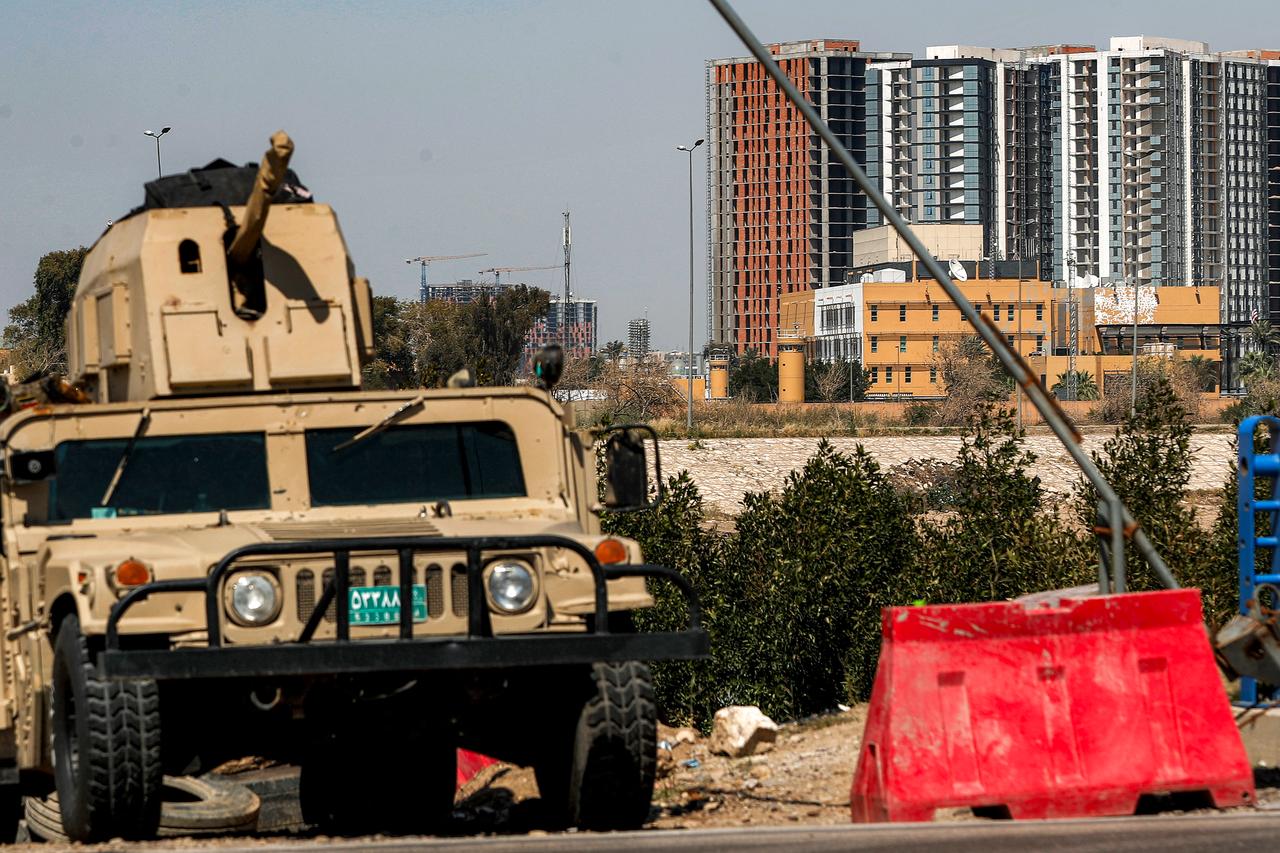

Several U.S. bases, particularly in Kuwait, were reportedly left nearly uninhabitable. Strikes at Port Shuaiba killed six U.S. service members and destroyed a tactical operations center.
Other bases, including Ali Al Salem, Camp Buehring, Al Udeid and Prince Sultan, sustained extensive damage to aircraft, fuel, and communications facilities.
Iran’s Islamic Revolutionary Guards Corps has also urged civilians to report U.S. troop locations.
“It is your Islamic duty to accurately report the hiding places of American terrorists and send the information to us on Telegram,” the IRGC said, according to Tasnim News Agency.
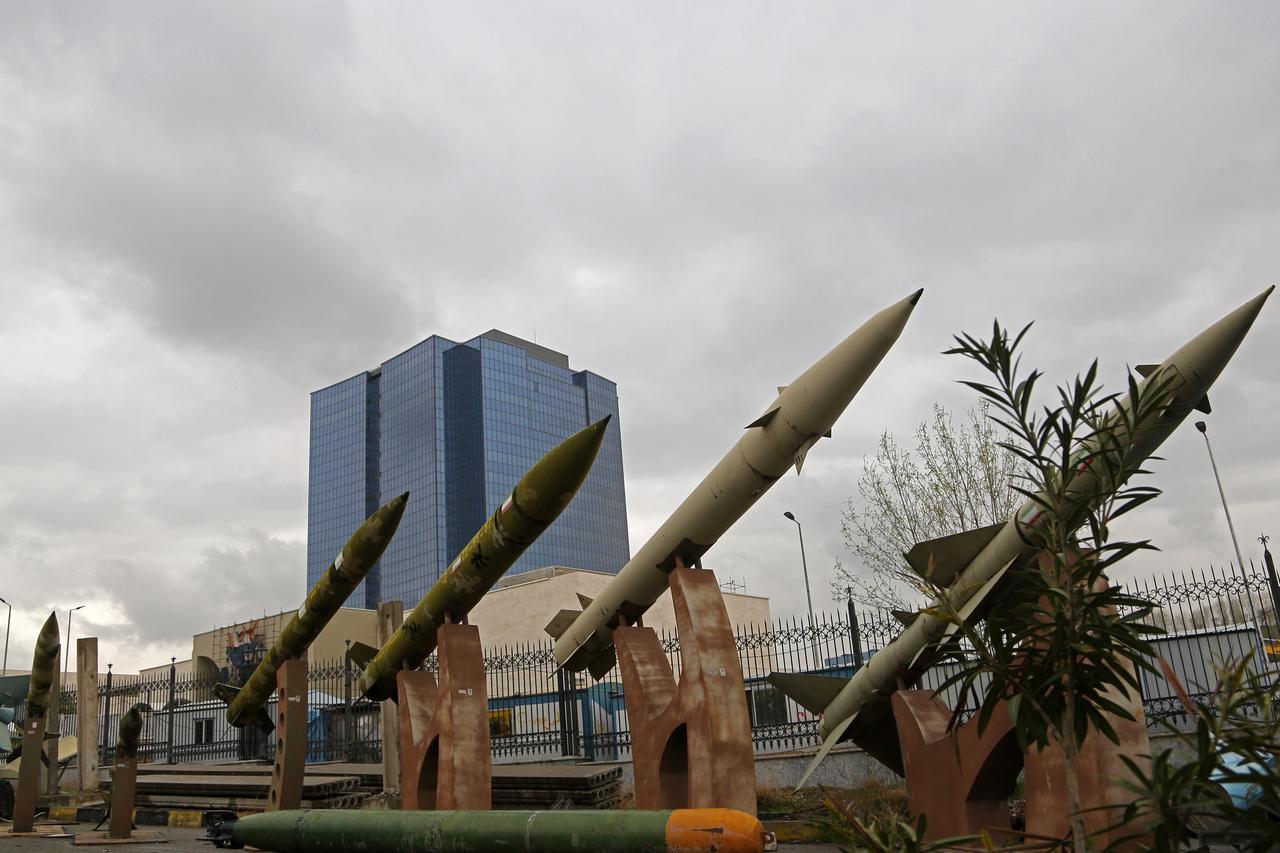
While the Pentagon is reinforcing defenses and continuing operations, retired U.S. Air Force Master Sgt. Wes J. Bryant warned that operating from temporary locations could reduce operational effectiveness.
“You can’t just put all that equipment on the top of a hotel. … You still lose something,” he said.
Gen. Dan Caine, chairman of the Joint Chiefs of Staff, acknowledged that despite the ongoing air campaign, Iran “still retain(s) some capability” to strike in the region.
 1 min read
The United States and Israel have maintained airstrikes on Iran since Feb. 28, which have so far killed over 1,340 people, including then-Supreme Leader Ali Khamenei.
Tehran has retaliated with drone and missile strikes targeting Israel as well as Jordan, Iraq, and Gulf countries hosting U.S. military assets, causing casualties and damage to infrastructure while disrupting global markets and aviation.


 Set as preferred source
 Set as preferred source



 1 min read