Newsletters


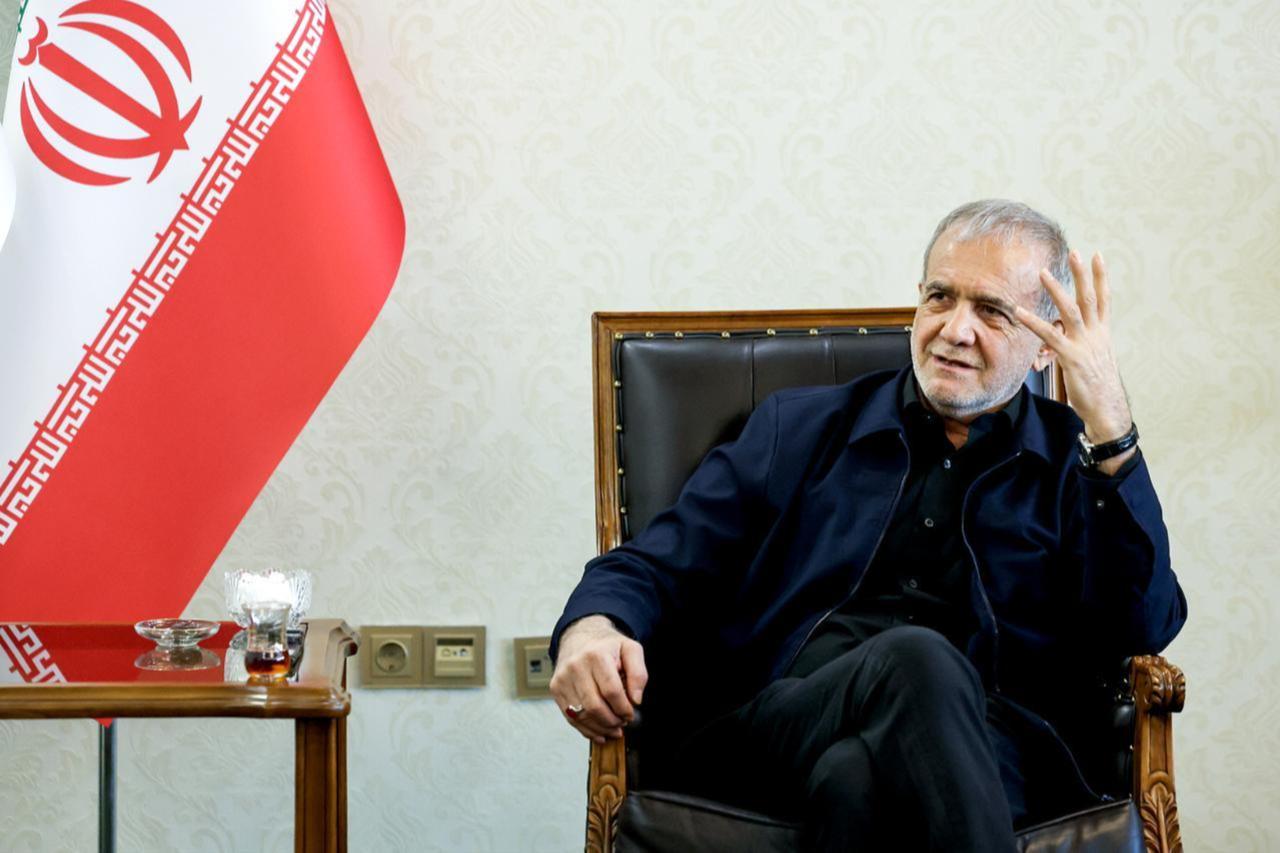


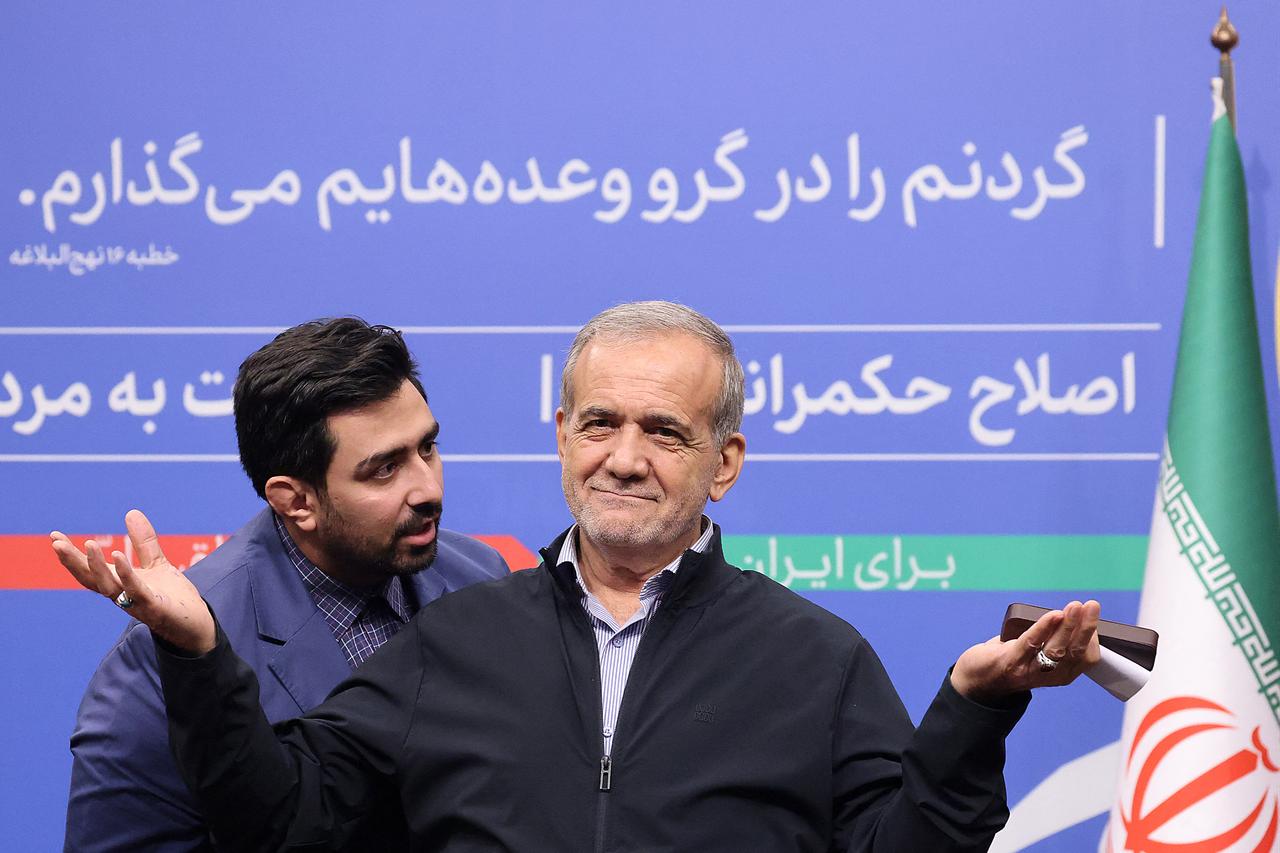
Iranian President Masoud Pezeshkian has expressed fury at the Islamic Revolutionary Guard Corps (IRGC) over its missile and drone strikes on the United Arab Emirates (UAE).
He described the attacks as "completely irresponsible" and carried out without the government's knowledge or coordination, Iran International reported on Tuesday, citing sources familiar with Tehran's internal deliberations.
According to Iran International, Pezeshkian described the IRGC's approach of escalating tensions with neighboring countries as "madness," warning of potentially irreversible consequences.
He has requested an urgent meeting with Mojtaba Khamenei to press for an immediate halt to IRGC attacks on Gulf states and to prevent further escalation, Iran International reported.
Sources close to the presidency told Iran International that Pezeshkian is deeply concerned about potential international reactions and believes the country cannot withstand a new full-scale war.
He has warned that continued unilateral IRGC attacks could trigger heavy U.S. retaliation against critical energy and economic infrastructure, an outcome he described as capable of leading to "widespread destruction and an irreversible collapse in livelihoods," according to Iran International.

The strikes that triggered the internal Iranian crisis caused significant damage and disrupted international air traffic.
The UAE Defense Ministry stated its air defense systems intercepted 15 missiles and four drones across four waves of Iranian attacks, including 12 ballistic missiles, three cruise missiles and four unmanned aerial vehicles (UAVs).
Three Indian nationals sustained moderate injuries and were transported to the hospital.
A major fire broke out at the Fujairah Oil Industry Zone, a critical energy hub on the UAE's eastern coast, after it was struck by an Iranian drone, the Fujairah Media Office said.
Civil defense teams were deployed to contain the blaze.
The UAE Foreign Ministry condemned what it called "treacherous terrorist" attacks, describing them as "a dangerous escalation, unacceptable transgression, and a direct threat to the UAE's security, stability, and territorial integrity," and said the UAE "retains the full right to respond in accordance with international law."
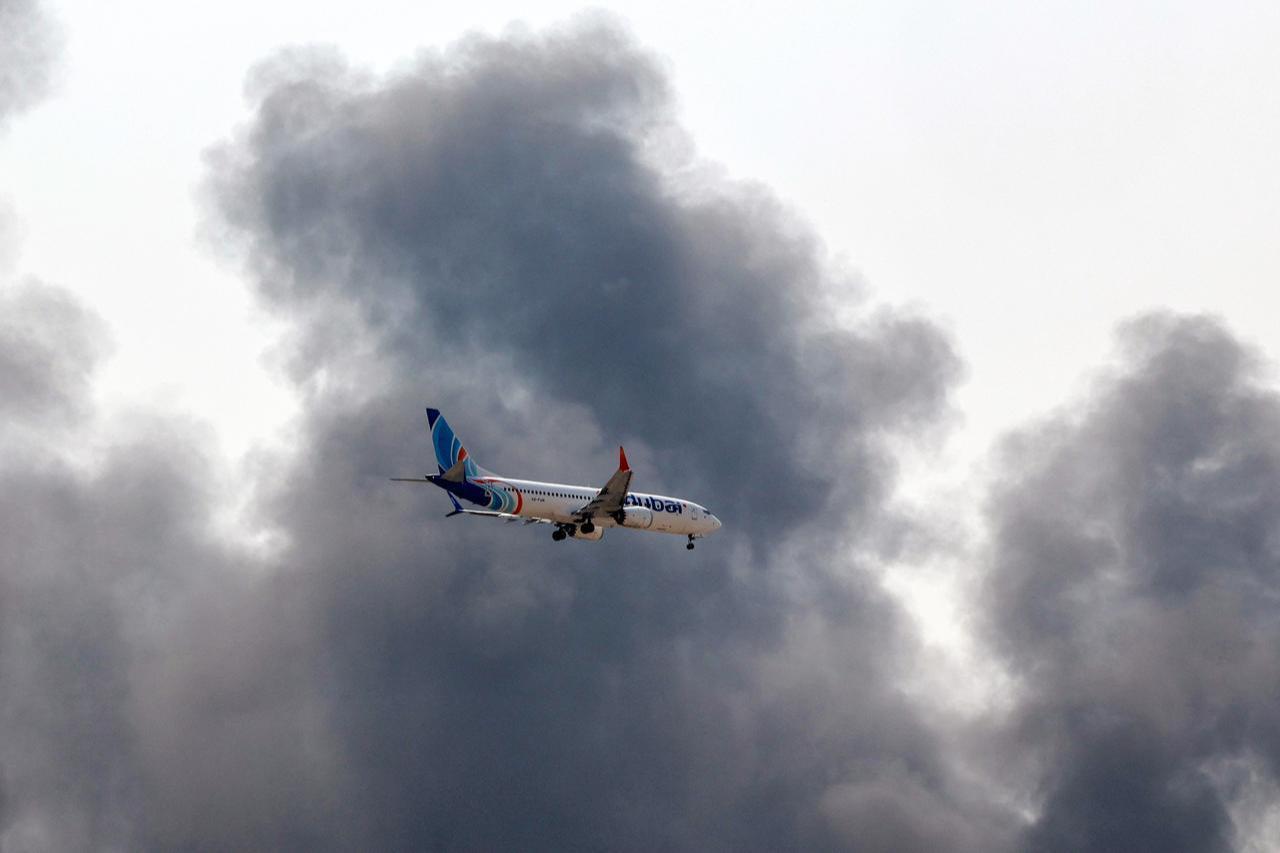
All UAE airports were temporarily closed, with multiple inbound flights diverted to Muscat, Oman, according to flight tracking service Flightradar24.
Since the conflict began Feb. 28, the UAE Defense Ministry said its air defenses had intercepted a total of 578 missiles and 2,260 drones, with the attacks resulting in 13 deaths and 227 injuries overall.
The attack on the UAE drew swift and broad international condemnation.
Canadian Prime Minister Mark Carney "strongly" condemned what he called Iran's "unprovoked missile and drone attacks" on the UAE, expressing solidarity with UAE President Mohamed bin Zayed Al Nahyan and calling for de-escalation and diplomacy.
European Commission President Ursula von der Leyen described the strikes as "unacceptable" and "a clear violation of sovereignty and international law," adding that "security in the region has direct consequences for Europe."
German Chancellor Friedrich Merz "strongly condemned" the attacks and demanded Iran return to the negotiating table, stop blocking the Strait of Hormuz and abandon its nuclear weapons ambitions.
Saudi Crown Prince Mohammed bin Salman expressed "strong condemnation and denunciation of the unjustified Iranian attacks" during a phone call with the UAE president, reiterating Riyadh's backing for the UAE "in its defense of its security and stability."
Qatar, Egypt and Jordan also condemned the strikes in separate statements, with Doha calling them "a flagrant violation of sovereignty and a serious threat to the security and stability of the region."
India's Foreign Ministry condemned the drone strike on Fujairah, in which three Indian nationals were injured, and called for "free and unimpeded navigation and commerce through the Strait of Hormuz in keeping with international law."
India normally sources approximately half of its crude oil through the strait.
The recent strikes against UAE infrastructure mark a strategic escalation in the regional conflict. These attacks follow the collapse of recent mediation efforts.


 Set as preferred source
 Set as preferred source


 4 min read