Newsletters


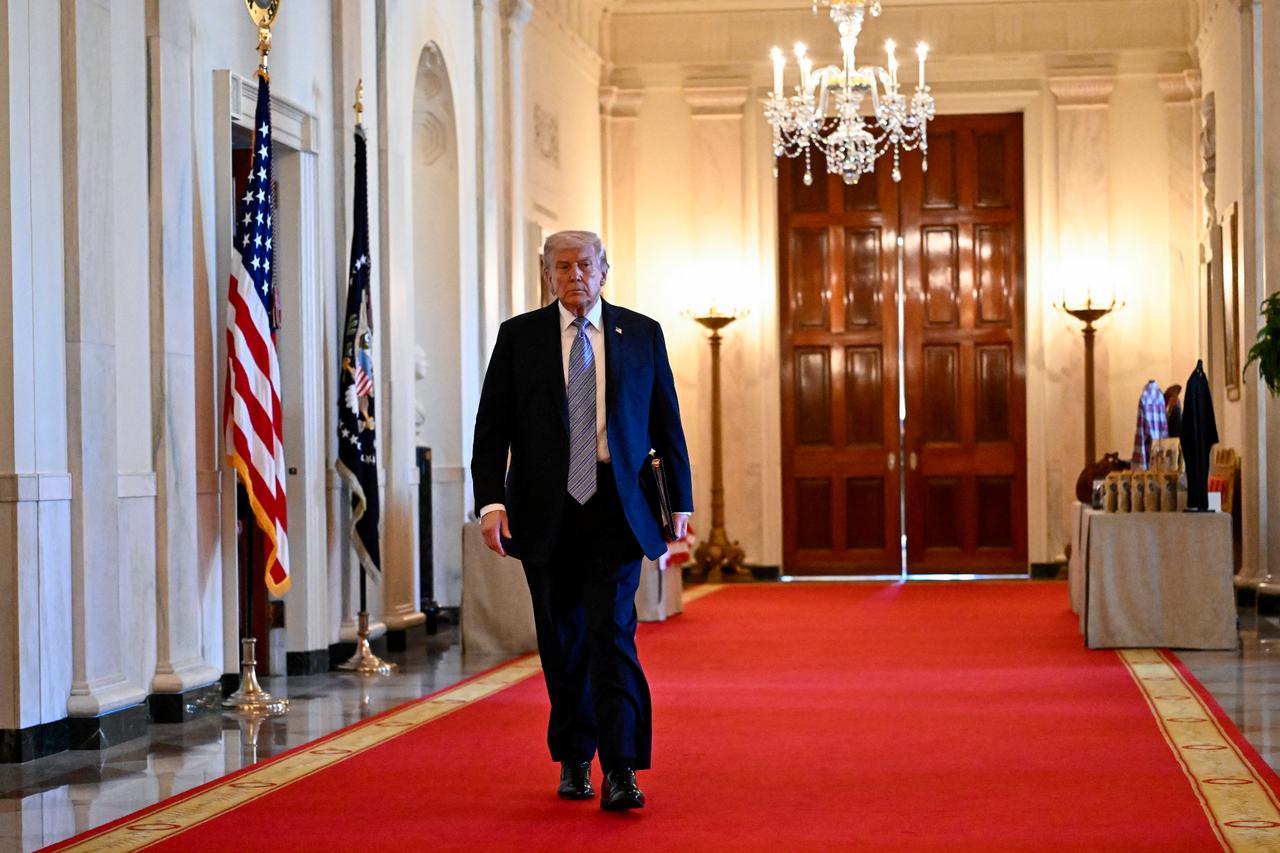


U.S. President Donald Trump reiterated on Monday that Washington would not allow Iran to develop a nuclear weapon, describing recent military actions as necessary to prevent that outcome, while an intelligence assessment indicates limited impact on Tehran’s nuclear timeline.
Speaking at a White House event, Trump framed the issue in absolute terms. "We can't let Iran have a nuclear weapon," he said, presenting it as a non-negotiable security line.
Trump portrayed Iran as significantly weakened, arguing the country lacks key military capabilities, including a functional navy, air force, and air defense systems. He also pointed to what he described as a leadership vacuum in Tehran, claiming that senior figures were no longer in place.
The president described the U.S. military campaign as limited but essential. Referring to it as a "little excursion," he argued the operation was overdue and justified by the risk posed by Iran’s nuclear ambitions.
"It was worth it to get rid of lunatics who would have nuclear weapons that can wipe out countries with the push of a button. It should’ve been done a long time ago, but I'm very proud to be doing it," he said.
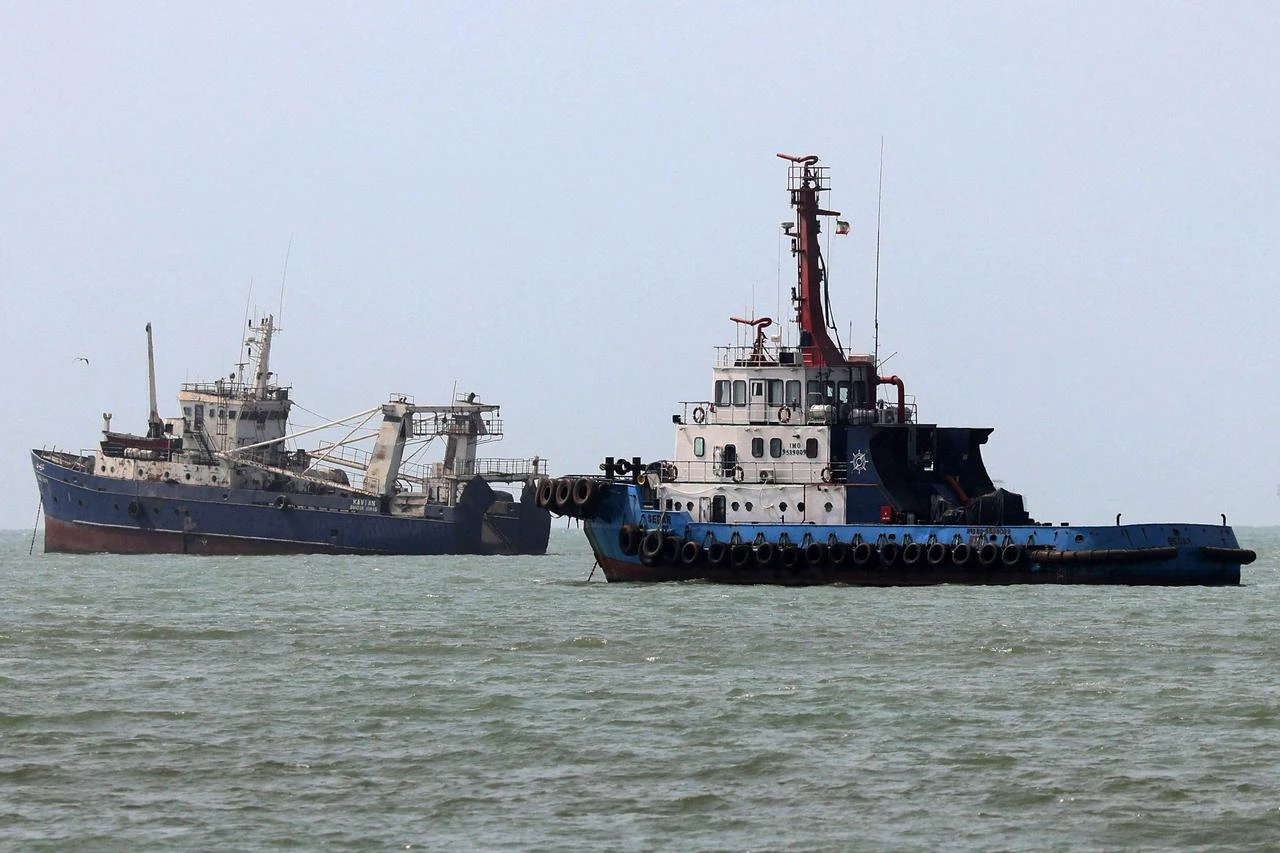
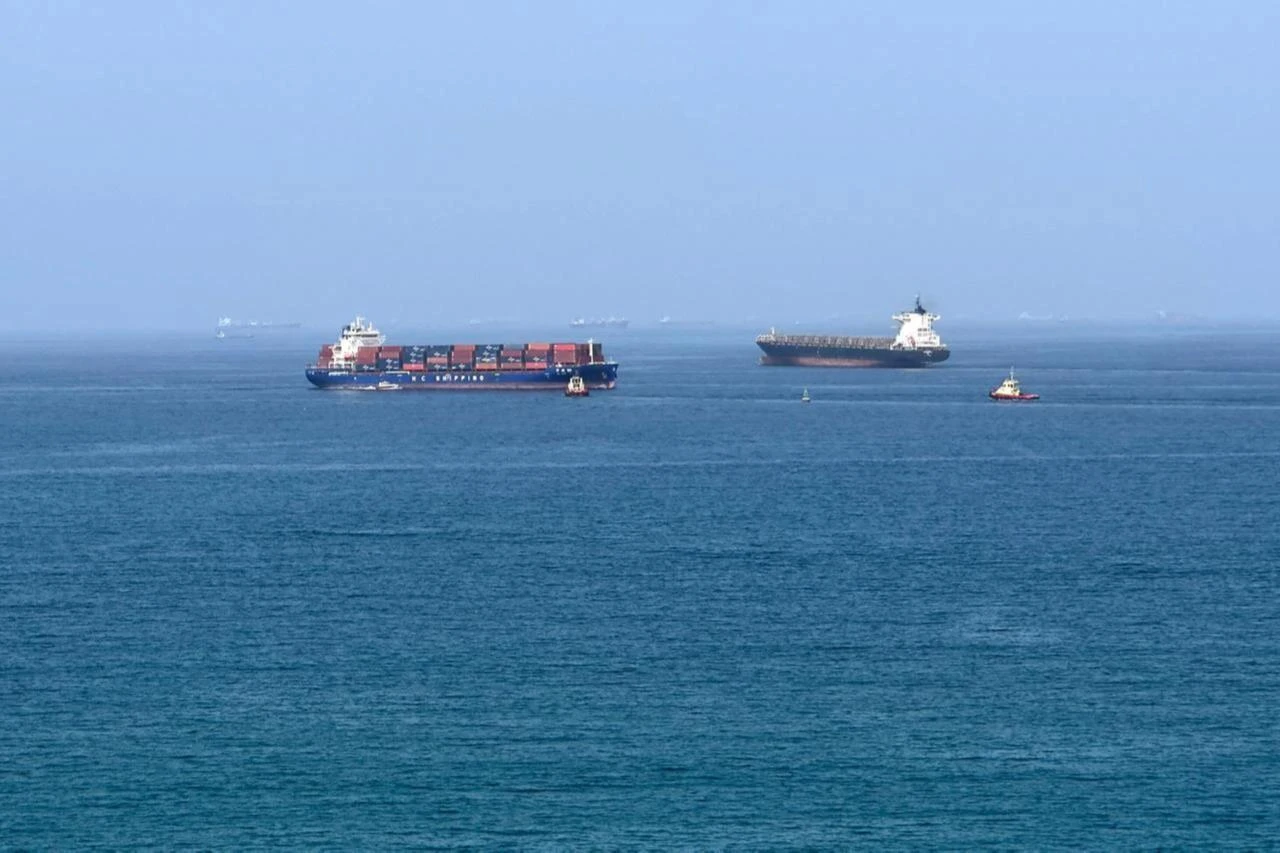
Trump also pointed to specific military actions, saying U.S. forces destroyed seven Iranian "small boats" earlier in the day as Navy destroyers operated in the Gulf after transiting the Strait of Hormuz to secure shipping routes.
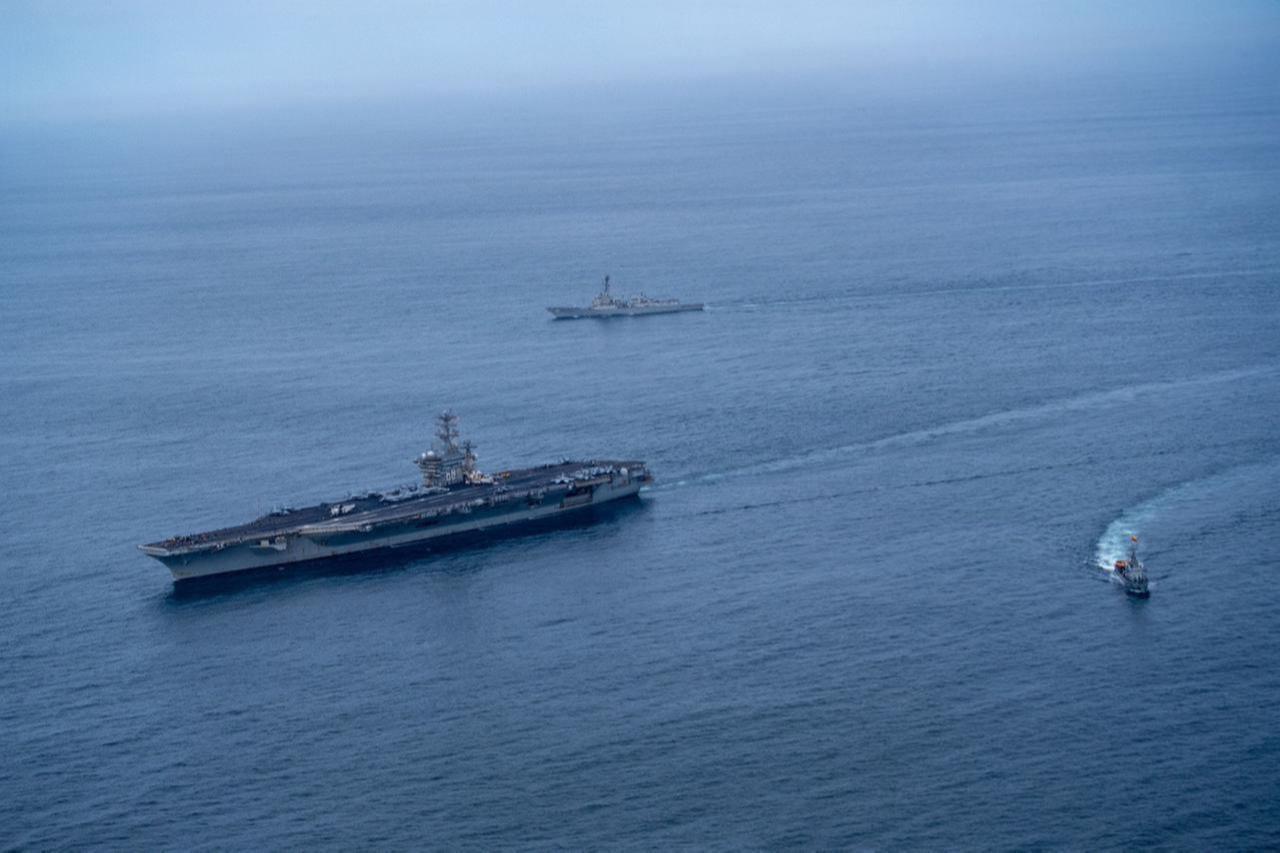

Despite Trump’s remarks, U.S. intelligence assessments indicate Iran’s nuclear timeline has not been significantly pushed back since last summer, when a U.S.-Israeli strike was estimated to have extended it to around one year, Reuters reported.
Prior to June’s 12-day conflict, agencies estimated Iran could produce sufficient weapons-grade uranium and assemble a device within three to six months.
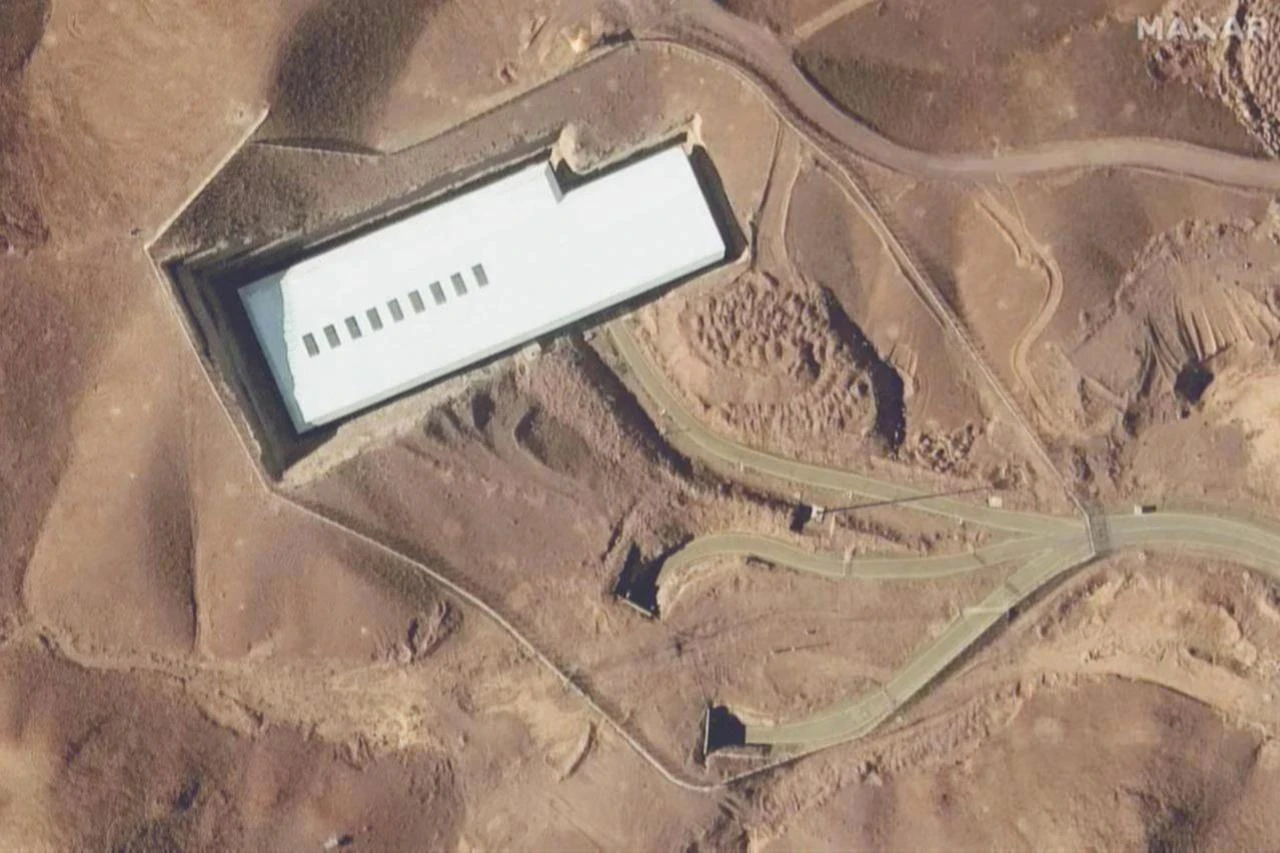
Although the attacks destroyed or severely damaged the three known operating enrichment sites, the International Atomic Energy Agency (IAEA) has not verified the location of around 440 kilograms of uranium enriched to 60% following the suspension of inspections.
A significant portion is believed to be stored in an underground tunnel complex at the Isfahan Nuclear Research Center, but this has not been confirmed.


 Set as preferred source
 Set as preferred source


 1 min read
 1 min read