Newsletters


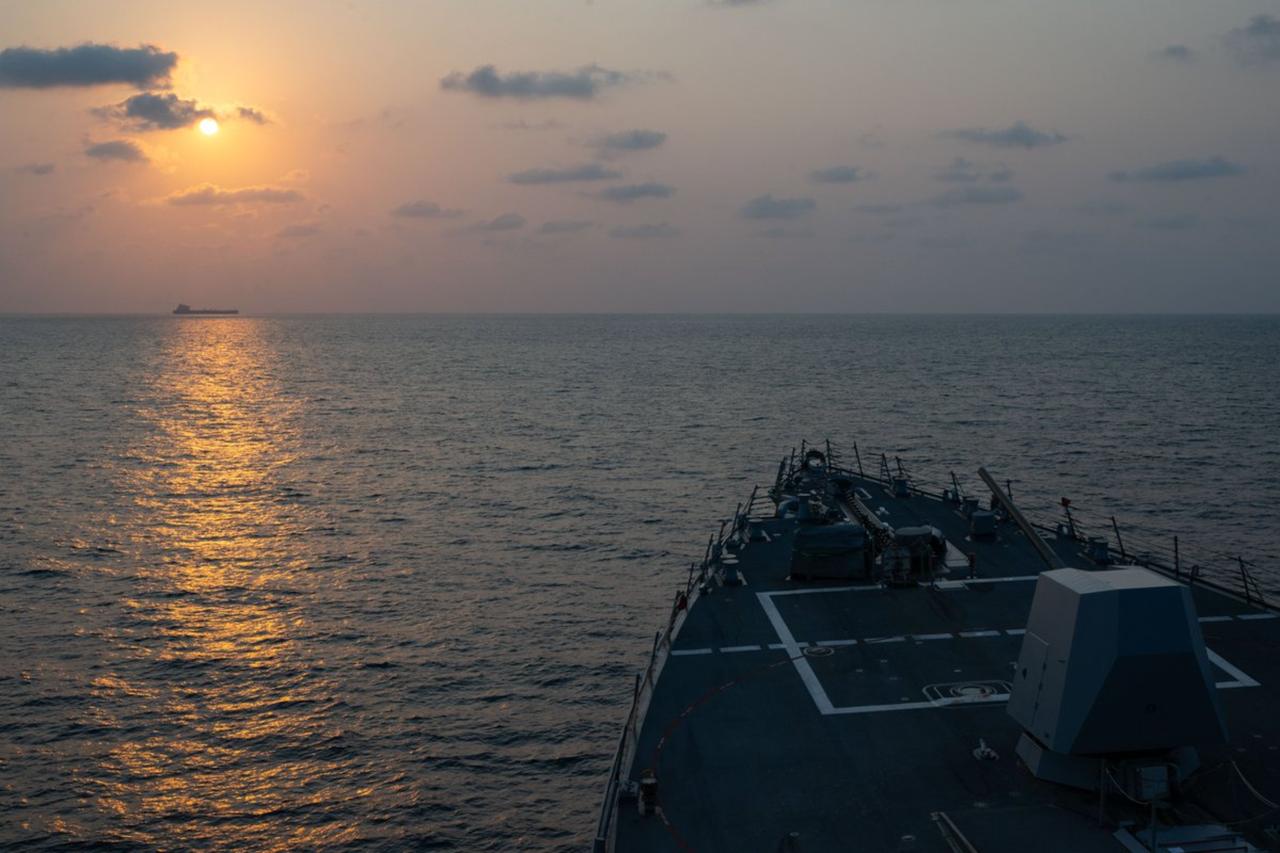


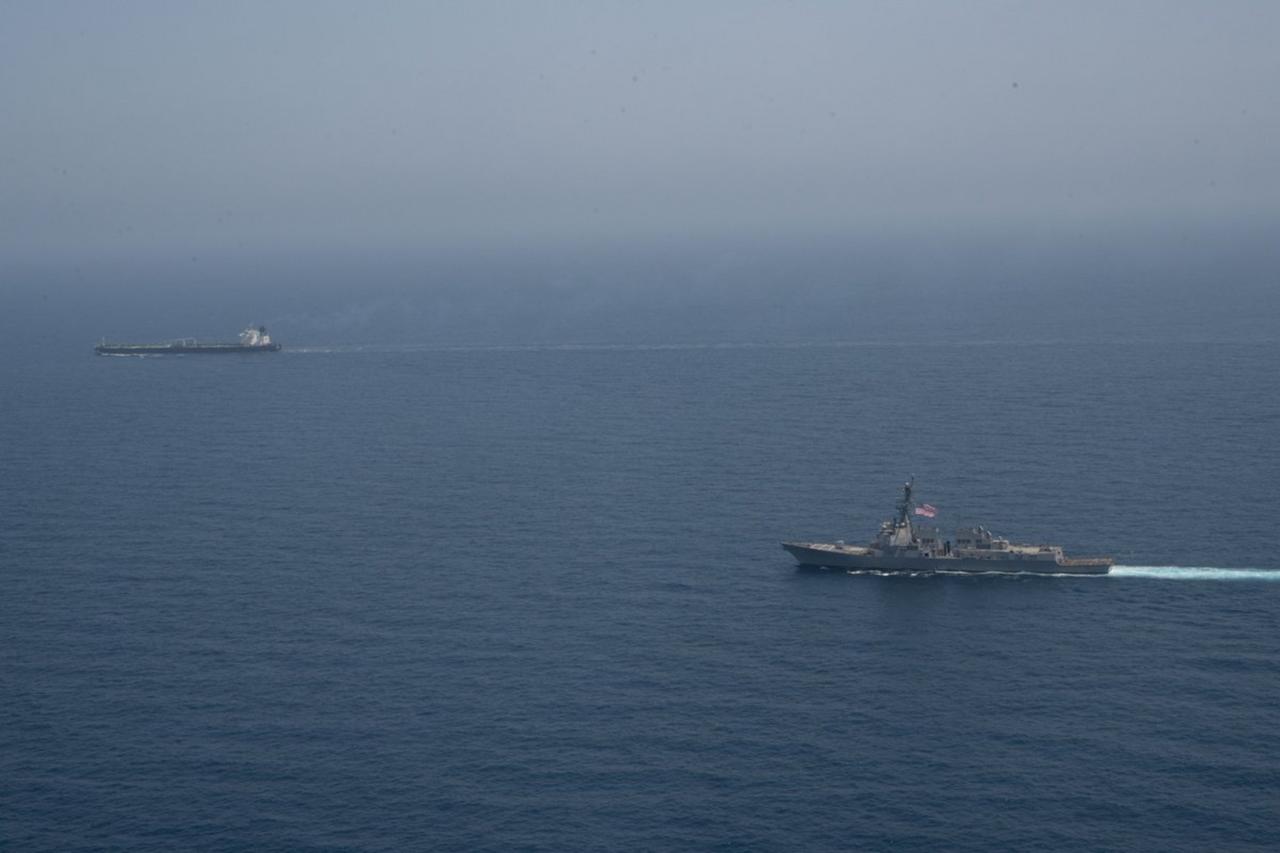
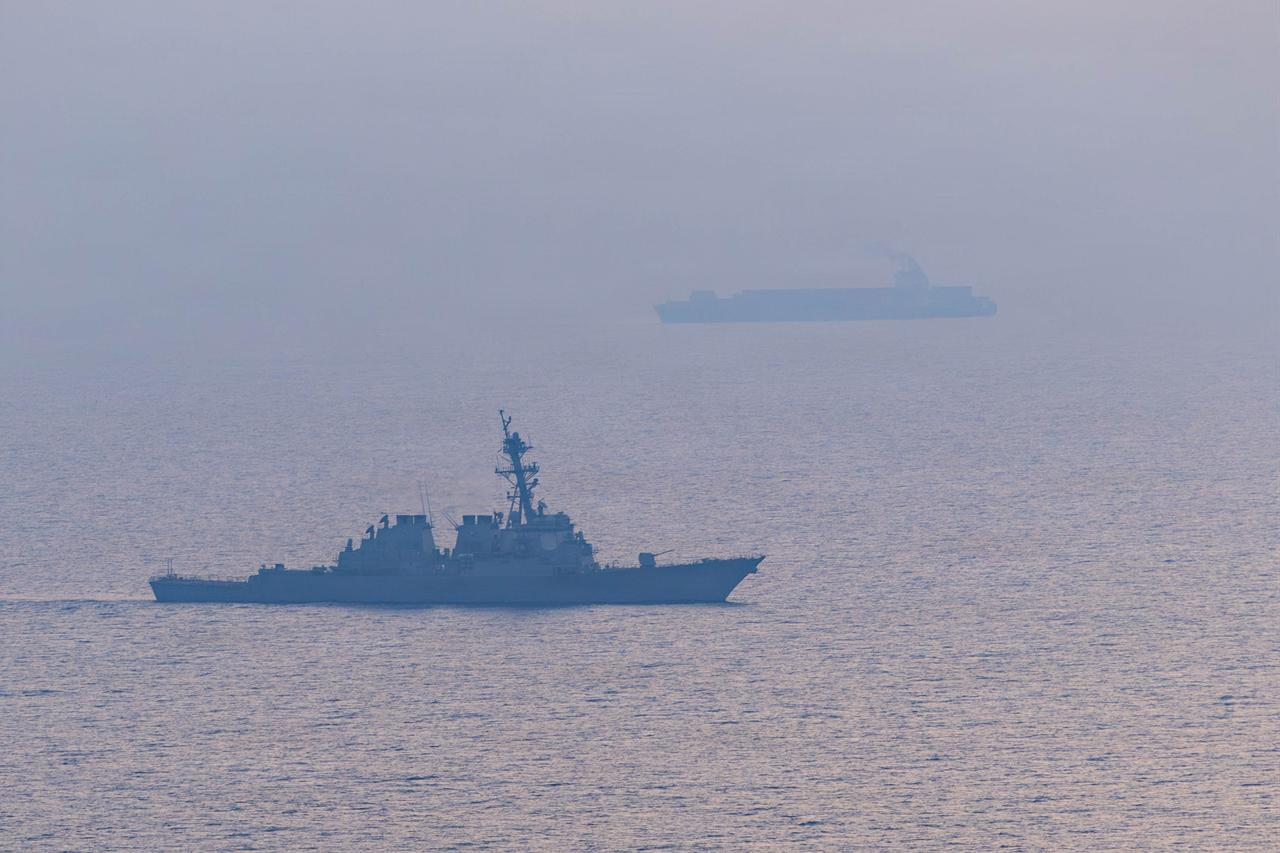
Two U.S. Navy destroyers transited the Strait of Hormuz on Monday after repelling a sustained Iranian barrage of missiles, drones and small boats, U.S. Central Command (CENTCOM) confirmed.
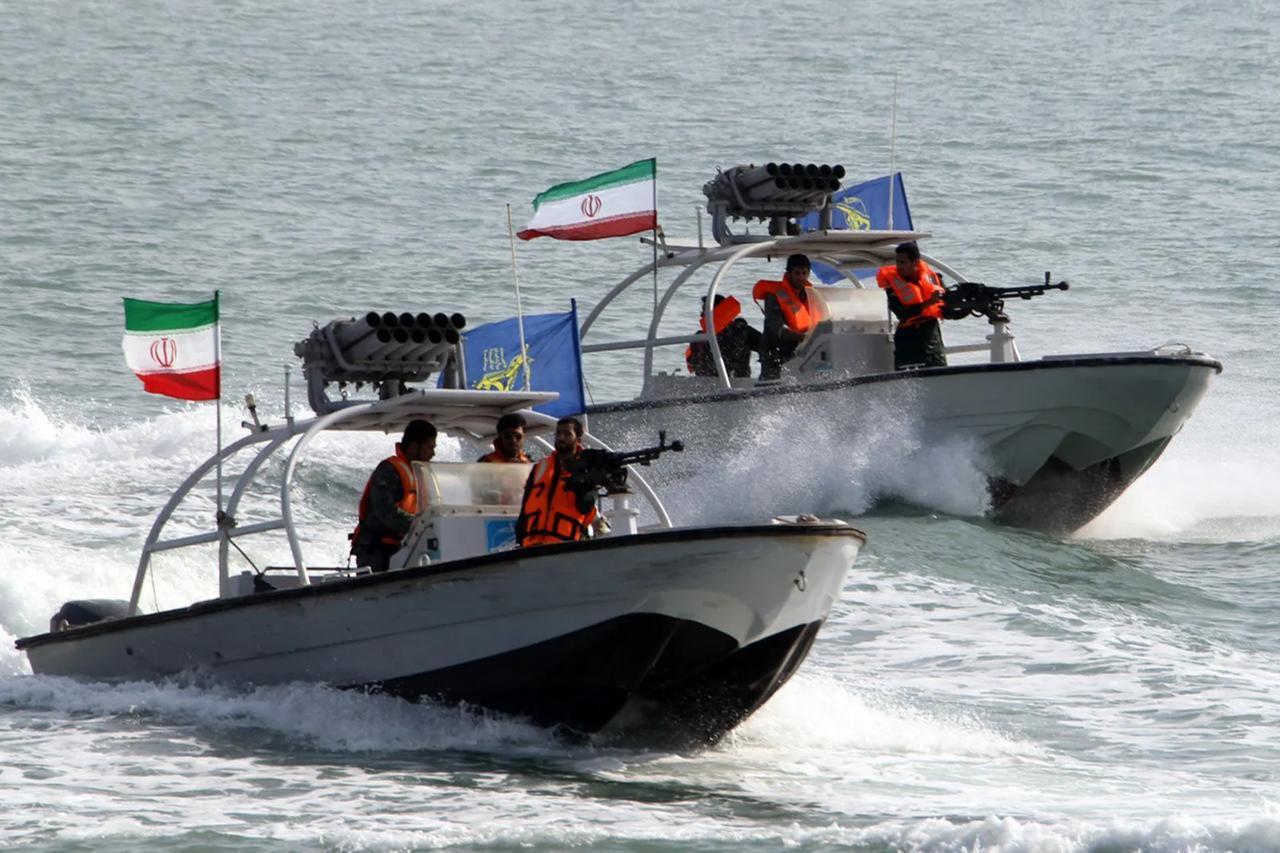
CENTCOM Commander Adm. Brad Cooper said American forces destroyed six Iranian fast boats and intercepted multiple cruise missiles and drones during the opening phase of Project Freedom.
The USS Truxtun and USS Mason, supported by Apache and Seahawk helicopters and other aircraft, faced what U.S. defense officials described to CBS News as "a sustained barrage" of coordinated Iranian attacks during passage through the strait. Neither vessel was struck.
Military officials said defensive measures, bolstered by air support, successfully intercepted or deterred each incoming threat, and that "no projectiles that were launched reached the ships," according to CBS News, citing defense officials speaking on condition of anonymity.
"The IRGC has launched multiple cruise missiles, drones and small boats at ships we are protecting," Cooper said, adding, "We have defeated each and every one of those threats through the clinical application of defensive munitions."

Cooper said Iranian fast boats were sunk by U.S. Apache and Seahawk helicopters.
Trump estimated the U.S. had sunk seven Iranian fast boats in a social media post.
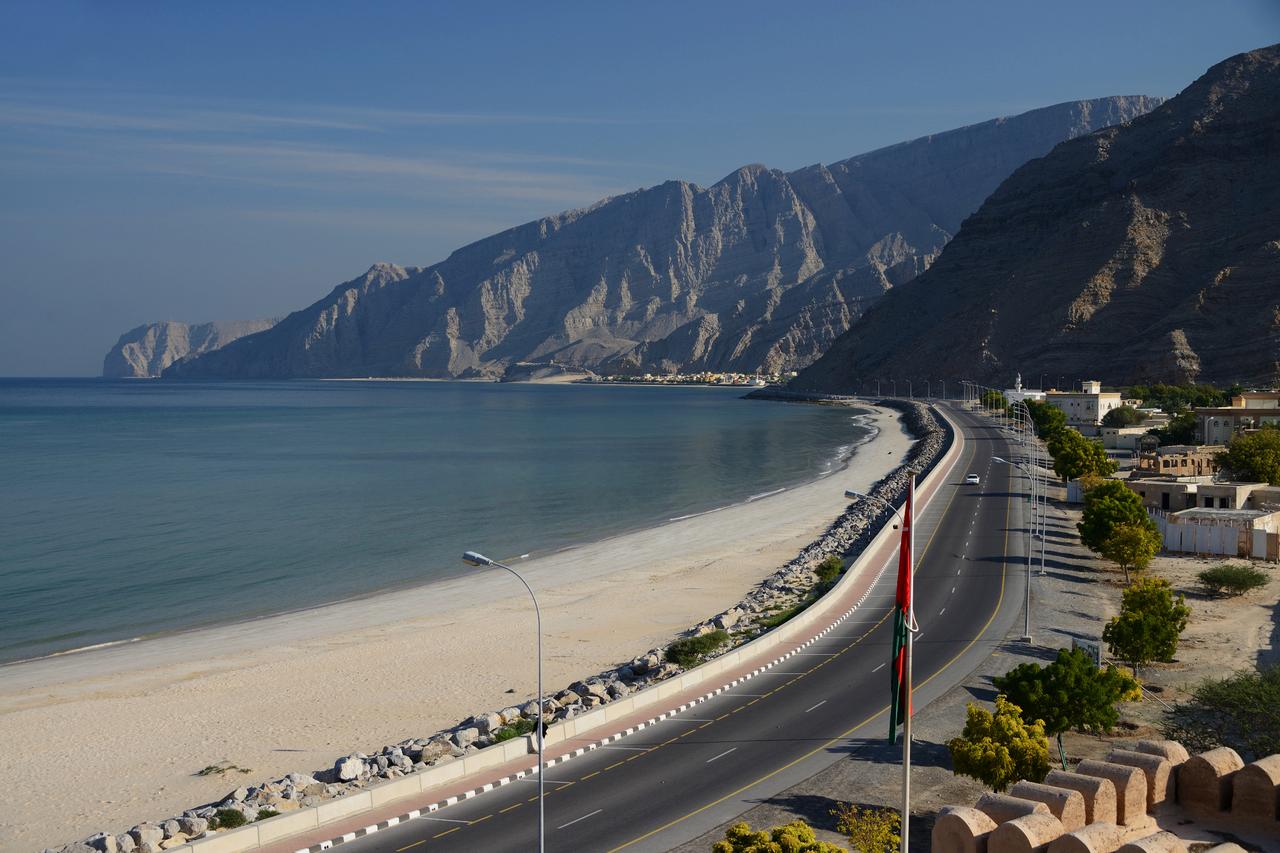
Iran's semi-official Tasnim News Agency, citing a military source, disputed the U.S. account, saying an investigation found that American forces had attacked two small cargo boats traveling from Khasab, Oman toward Iran, not IRGC combat vessels.
The source said five civilian passengers were killed in what it described as a "hasty" action driven by U.S. "fear" of IRGC fast-boat operations.
"Following the false claim by the U.S. military that it had targeted 6 Iranian speedboats, since none of the IRGC combat vessels had been hit, an investigation was conducted into the nature of the claim from local sources," the Tasnim-cited source said.
CENTCOM did not immediately respond to the civilian death claim.
Iranian state media also denied that U.S. warships had transited the strait and denied that any commercial vessels had crossed in recent hours, calling U.S. claims false.
Cooper told reporters the U.S. operation went beyond a conventional escort mission, describing a multi-layered defensive arrangement spanning ships, helicopters, fixed-wing aircraft and electronic warfare capabilities.
"If you're escorting a ship, you're playing kind of one on one. I think we have a much better defensive arrangement in this process," Cooper said.
"We have a much broader defensive package than you would have ever if you were just escorting," he added.
Cooper said U.S. commanders on the scene had "all the authorities necessary to defend their units and to defend commercial shipping," and strongly advised Iranian forces to "remain well clear of U.S. military assets."
He declined to comment on whether he believed the April 8 ceasefire remained in effect.
The U.S. operation also involved clearing a pathway of Iranian mines before the destroyers transited, according to Reuters, with two U.S.-flagged commercial ships passing through first to prove the route's safety.
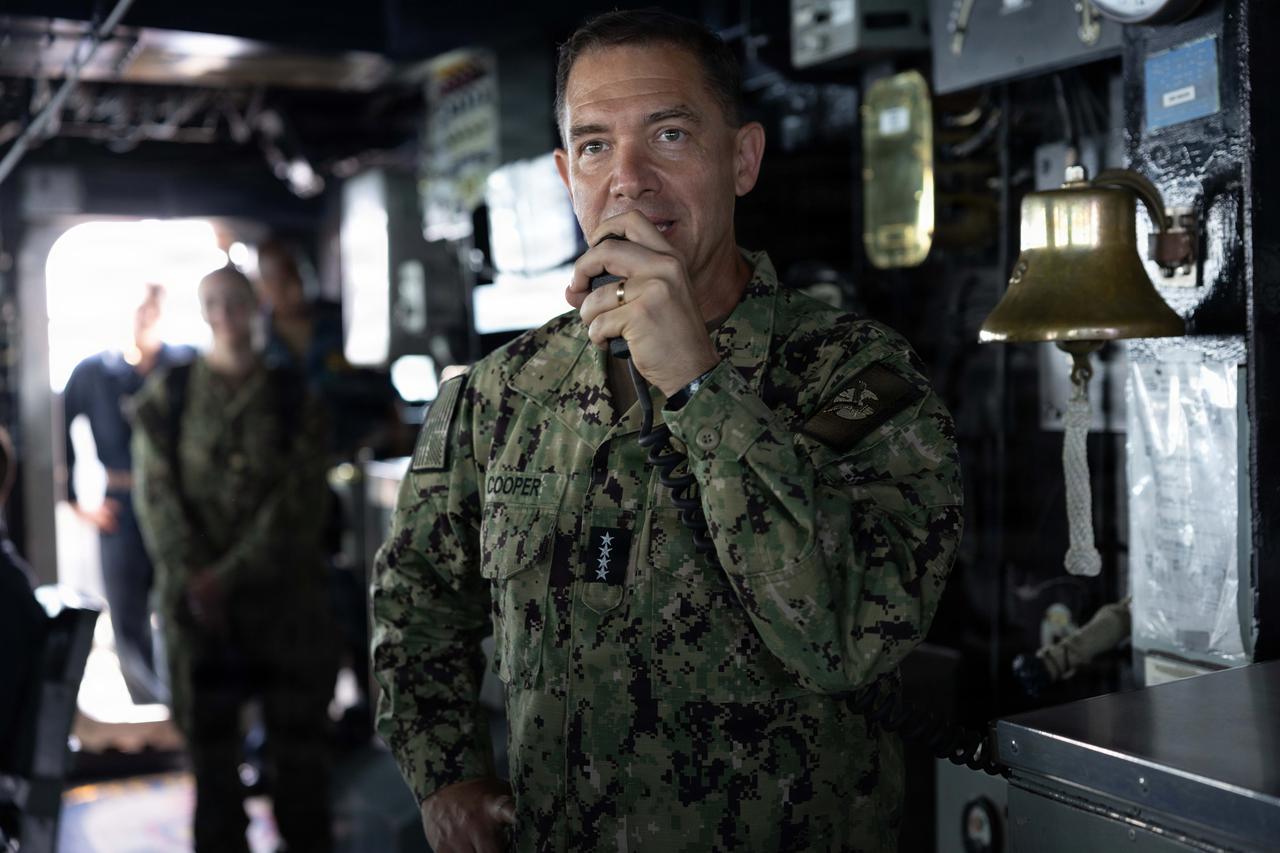
Cooper said CENTCOM had contacted dozens of ships and shipping companies in the preceding 12 hours to encourage transit. "This news has been quite enthusiastically received, and we're already beginning to see movement," he said.
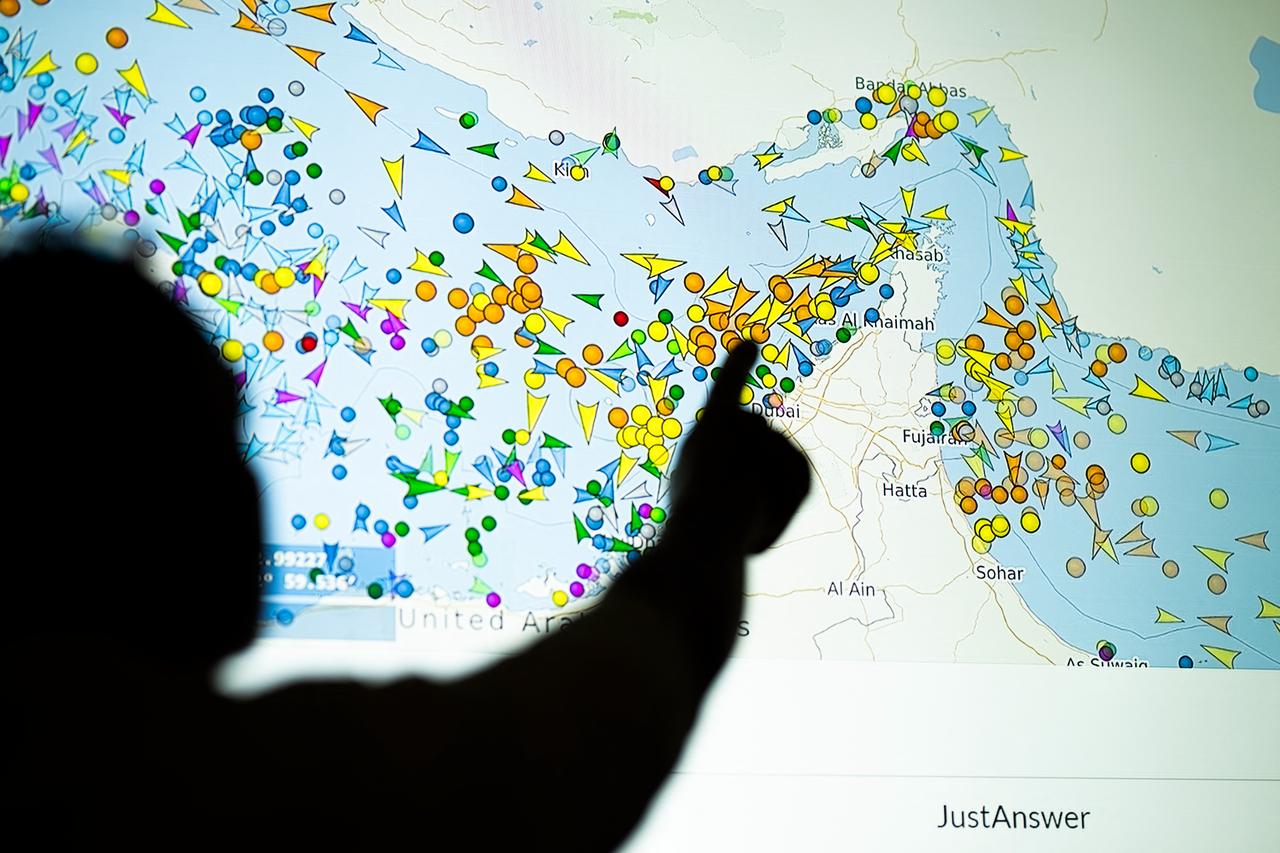
According to MarineTraffic data, approximately 805 commercial vessels, including fuel and chemical tankers, container ships, auto carriers and bulk ships, sent AIS signals from within the Gulf in the previous 24 hours. Cooper said vessels from 87 countries remained stranded.
He said the U.S. naval blockade on Iranian ports also remained in effect and was "exceeding expectations."
The United States and Israel launched strikes against Iran on Feb. 28, triggering Iranian retaliation against Israel and U.S. allies in the Gulf, along with the closure of the Strait of Hormuz.
Since April 13, the U.S. has enforced a naval blockade targeting Iranian maritime traffic in the strategic waterway.
A two-week ceasefire was announced on April 8 through Pakistani mediation, followed by direct talks in Islamabad on April 11, but no agreement on a lasting truce was reached.
Trump subsequently extended the ceasefire without setting a new deadline, following a request from Pakistan.


 Set as preferred source
 Set as preferred source


 1 min read
 1 min read