

 Newsletters


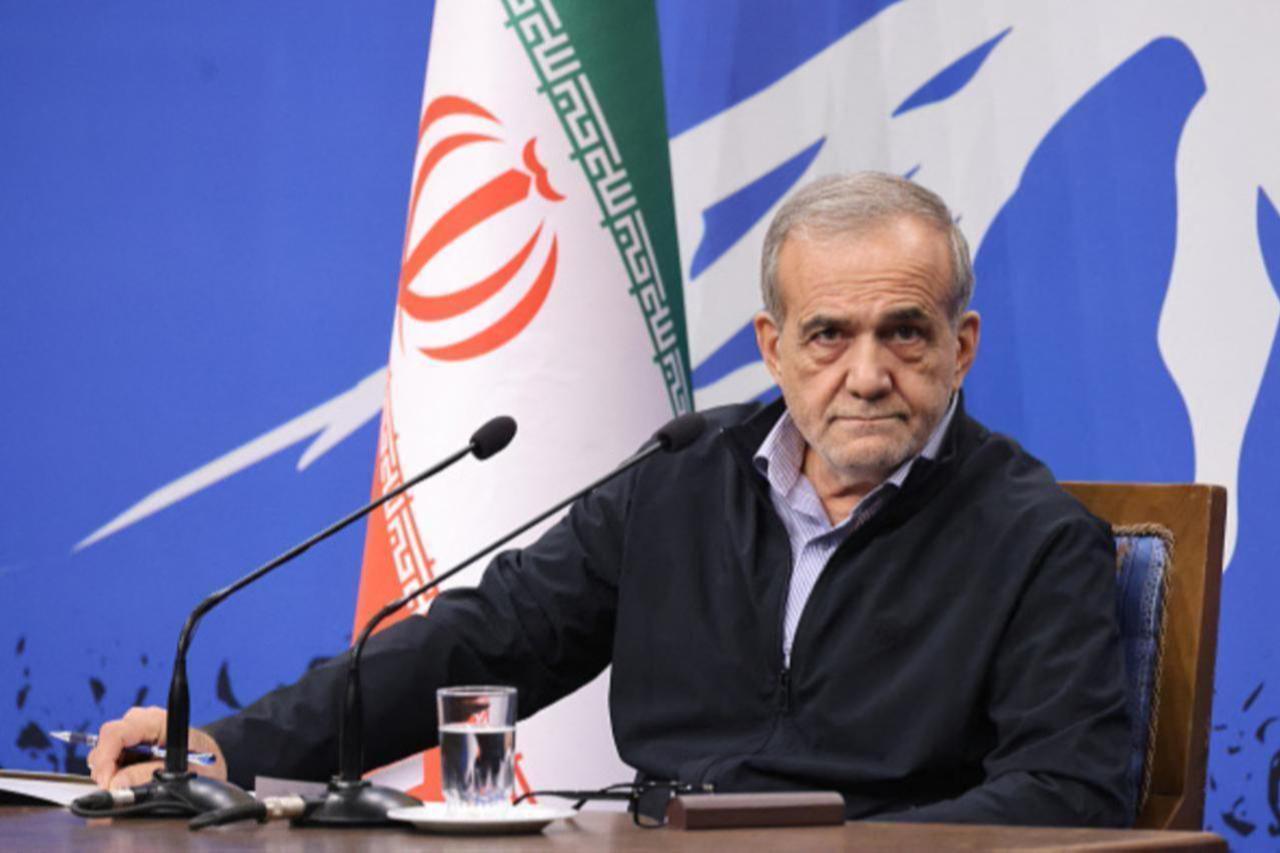


Iranian President Masoud Pezeshkian said Monday that any resolution to the month-long war with the United States and Israel must protect Iranian interests, framing the country's path forward as one grounded in popular resolve and national cohesion rather than diplomatic capitulation.
Speaking during a cabinet meeting and cited by state news agency IRNA, Pezeshkian credited both the military and the broader public with helping Iran navigate what he called "the current critical circumstances," saying the resistance of the armed forces alongside the unity of ordinary Iranians ranked among the most significant factors sustaining the country's position.
He also pointed to street demonstrations held across multiple cities as a source of political strength, saying the public gatherings carried "great value" and that Iran continued to inspire what he described as "freedom fighters" worldwide.
The conflict erupted on Feb. 28 after the breakdown of months of indirect nuclear negotiations between Tehran and Washington, which had been brokered largely through Oman. Those talks, which began in April 2025 under U.S. special envoy Steve Witkoff and Iranian Foreign Minister Abbas Araghchi, had advanced to the point where Omani mediators said a breakthrough was within reach, only to be overtaken by the joint U.S.-Israeli offensive.
Iran's Supreme Leader Ali Khamenei was killed in the opening strikes, along with other senior military and government officials, marking a seismic rupture in the Islamic Republic's leadership structure.
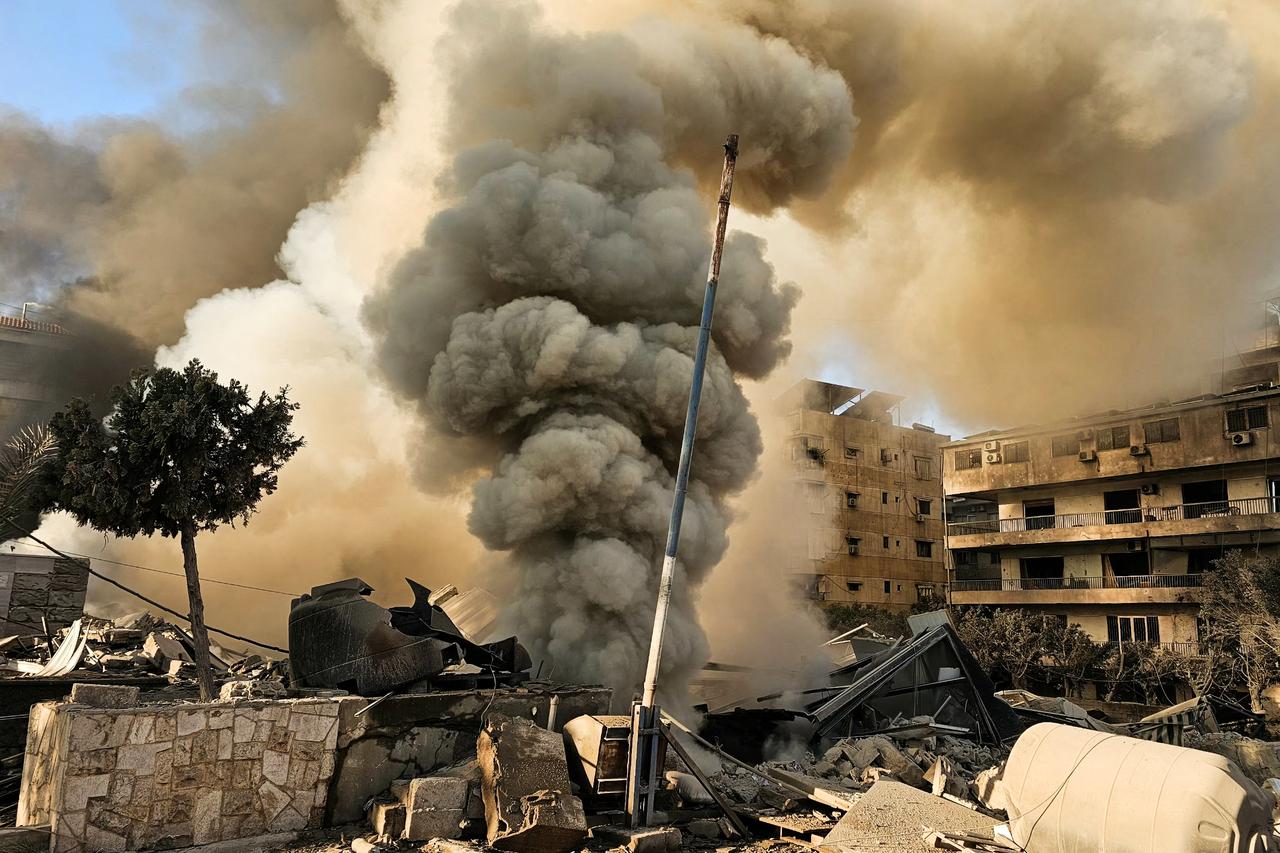
More than 1,340 people have been killed in Iran since the offensive began, according to figures cited Monday. Iran has retaliated with drone and missile barrages targeting Israel, Jordan, Iraq and Gulf states hosting U.S. military assets, causing casualties, damaging infrastructure and rippling through global energy markets and aviation networks.
Diplomatic maneuvering has accelerated in recent days with little sign of convergence. Washington transmitted a 15-point proposal to Tehran through Pakistani intermediaries, addressing issues including sanctions relief, limits on Iran's nuclear and missile programs and the status of the Strait of Hormuz, a critical artery through which roughly a fifth of the world's oil normally transits.
Iran rejected the plan as excessive and unreasonable, issuing its own five-point counterproposal that demanded a halt to attacks on Iranian officials, war reparations, security guarantees against future hostilities and international recognition of Iranian sovereignty over the Strait of Hormuz.
Tehran has consistently denied that direct negotiations with Washington are taking place, with Foreign Minister Araghchi describing the exchange of messages through intermediaries as something that "does not mean negotiations."
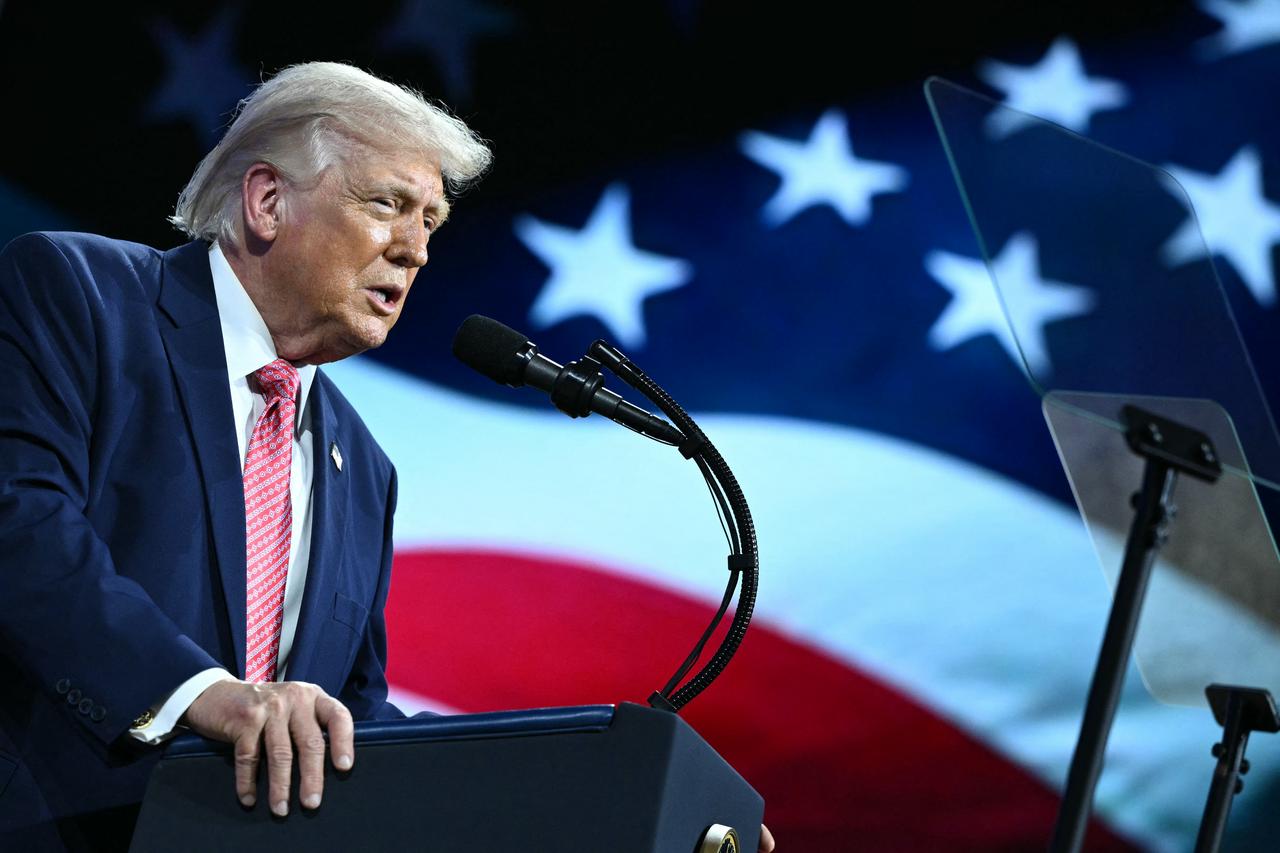
On Sunday, Iran's parliament speaker Mohammad Bagher Ghalibaf went further, rejecting the talks outright and insisting Iran could not be coerced into submission. Trump, for his part, said the same day that negotiations were proceeding well and that Iran had agreed to the bulk of U.S. demands, a characterization Tehran did not confirm.


 Set as preferred source
 Set as preferred source


 1 min read
 1 min read



