Newsletters


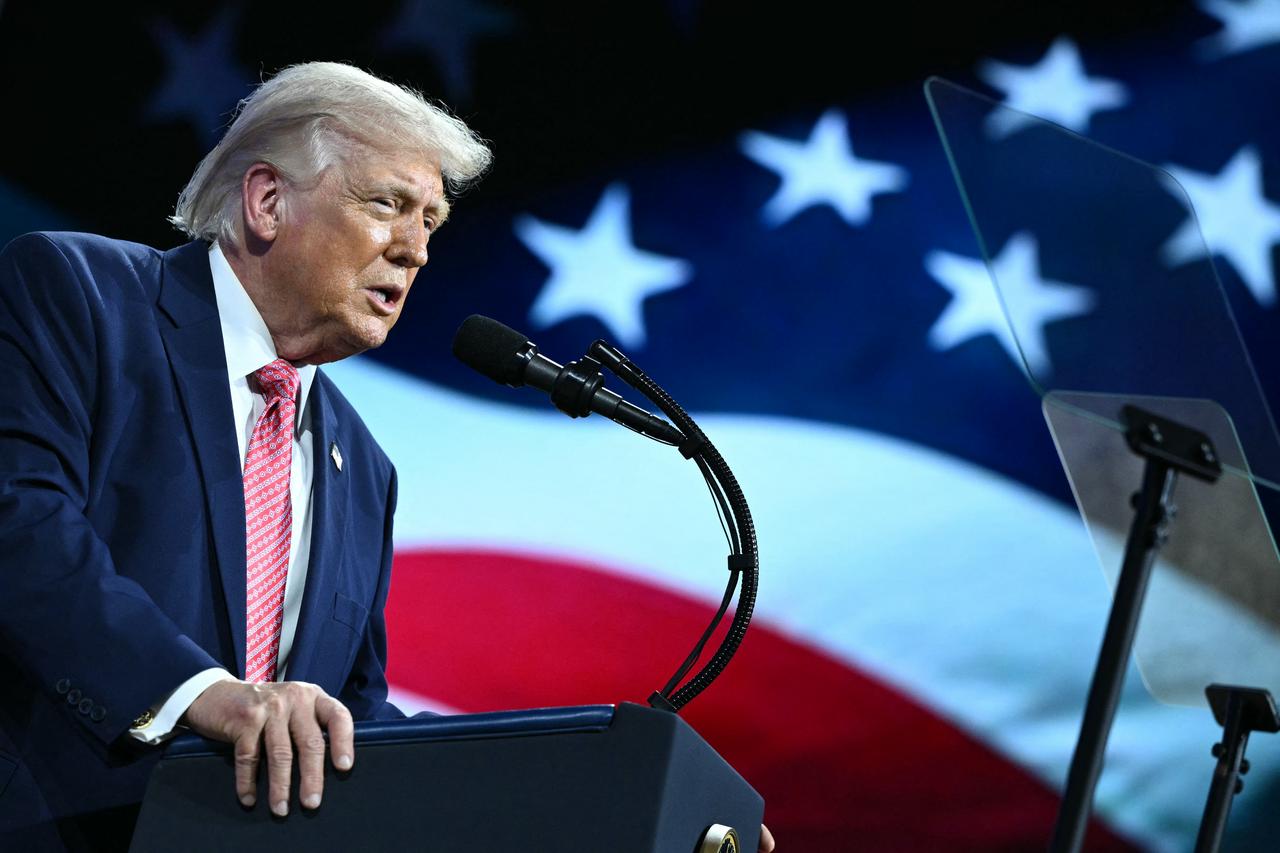


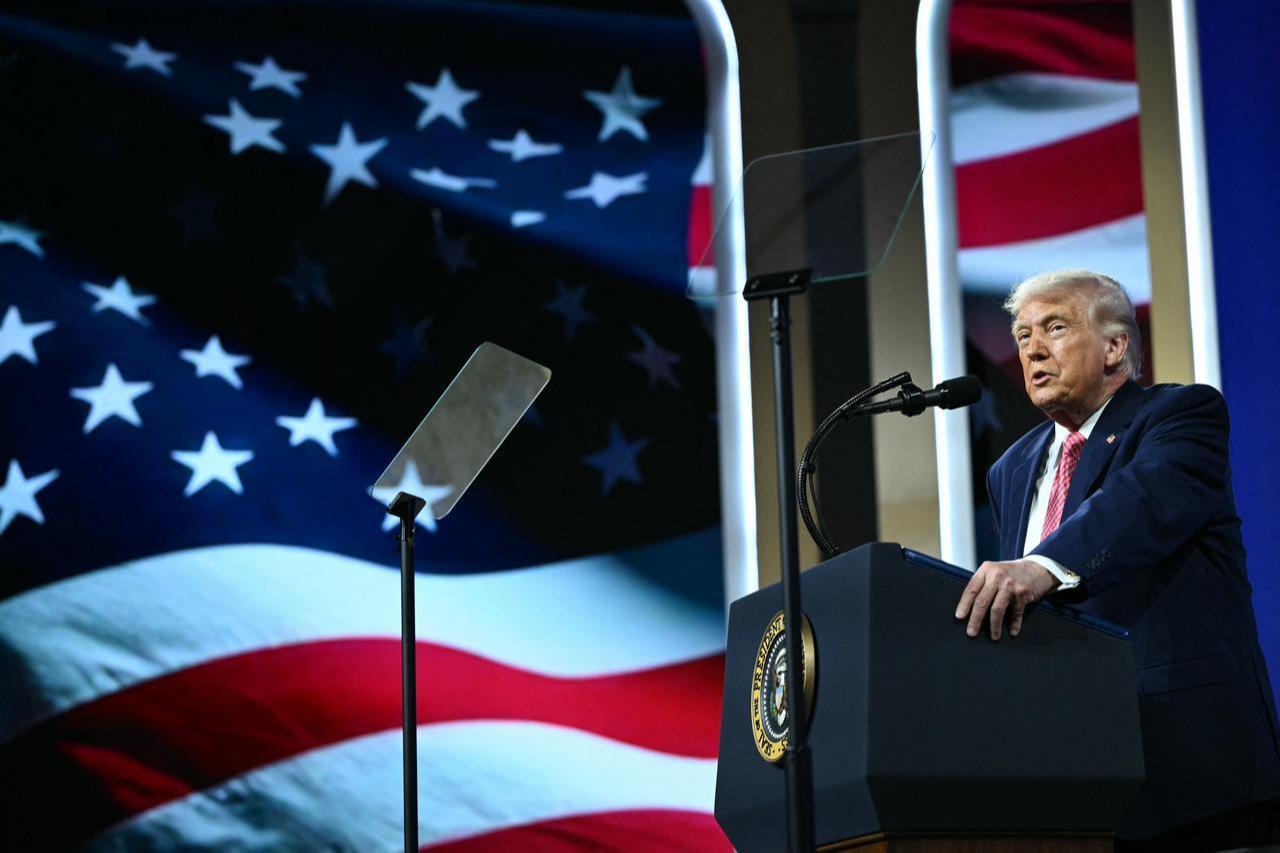
U.S. President Donald Trump said Friday that reopening the Strait of Hormuz is a condition for any agreement with Iran, as Washington signals that talks to end the month-long conflict could begin within days.
Speaking at a Saudi-backed investment forum in Miami, Trump said negotiations were ongoing and stressed that maritime access for oil shipments must be restored. "We’re negotiating now, and it would be great if we could do something, but they have to open it up," he said.
Trump briefly referred to the waterway as the "Strait of Trump" during his remarks before correcting himself, later saying the comment was not accidental.
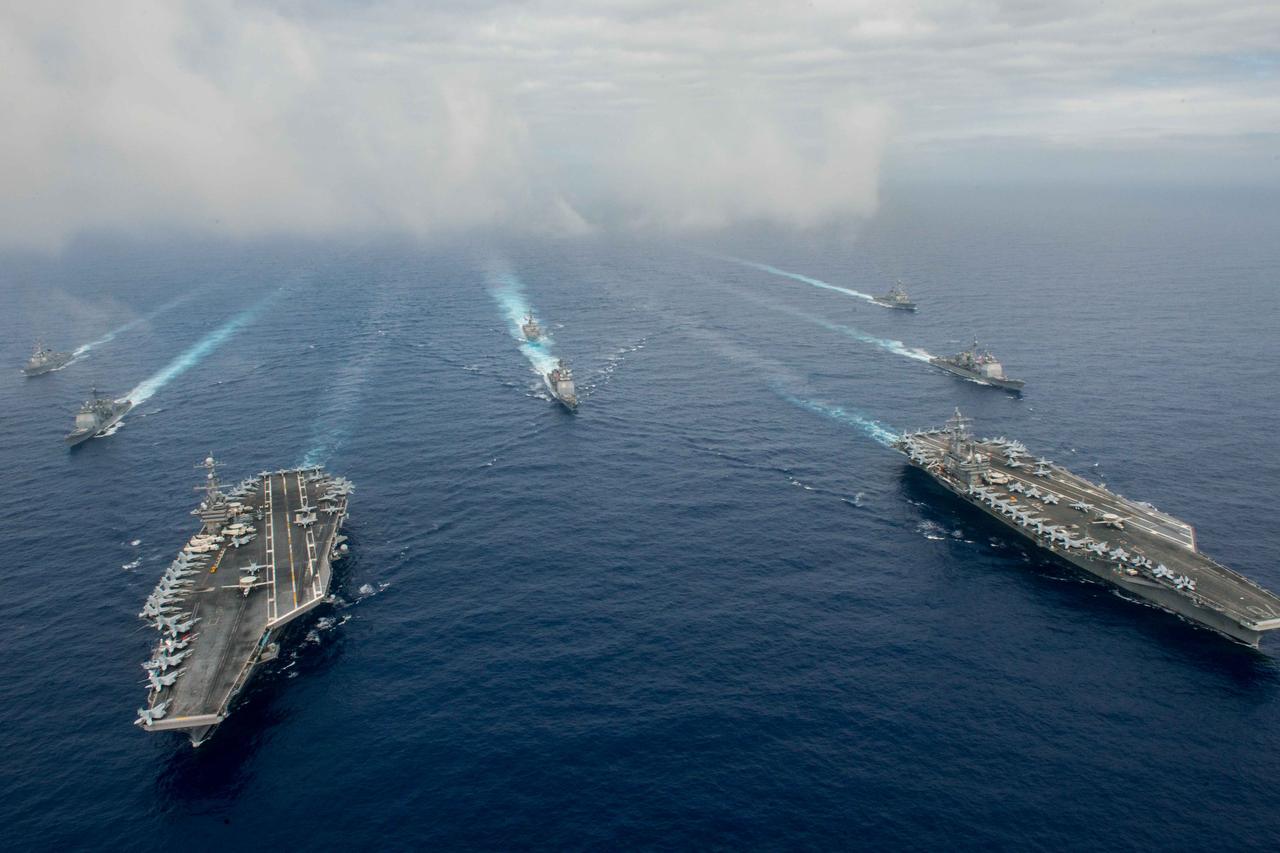
Trump described Iran as a longstanding force shaping instability in the Middle East but said its position had weakened under the U.S. military campaign known as Operation Epic Fury.
"For 47 years, Iran has been known as the bully of the Middle East, but they are not the bully any longer. They're on the run," he said, adding that Iran’s leadership, armed forces, and nuclear program had suffered damage during the operation.

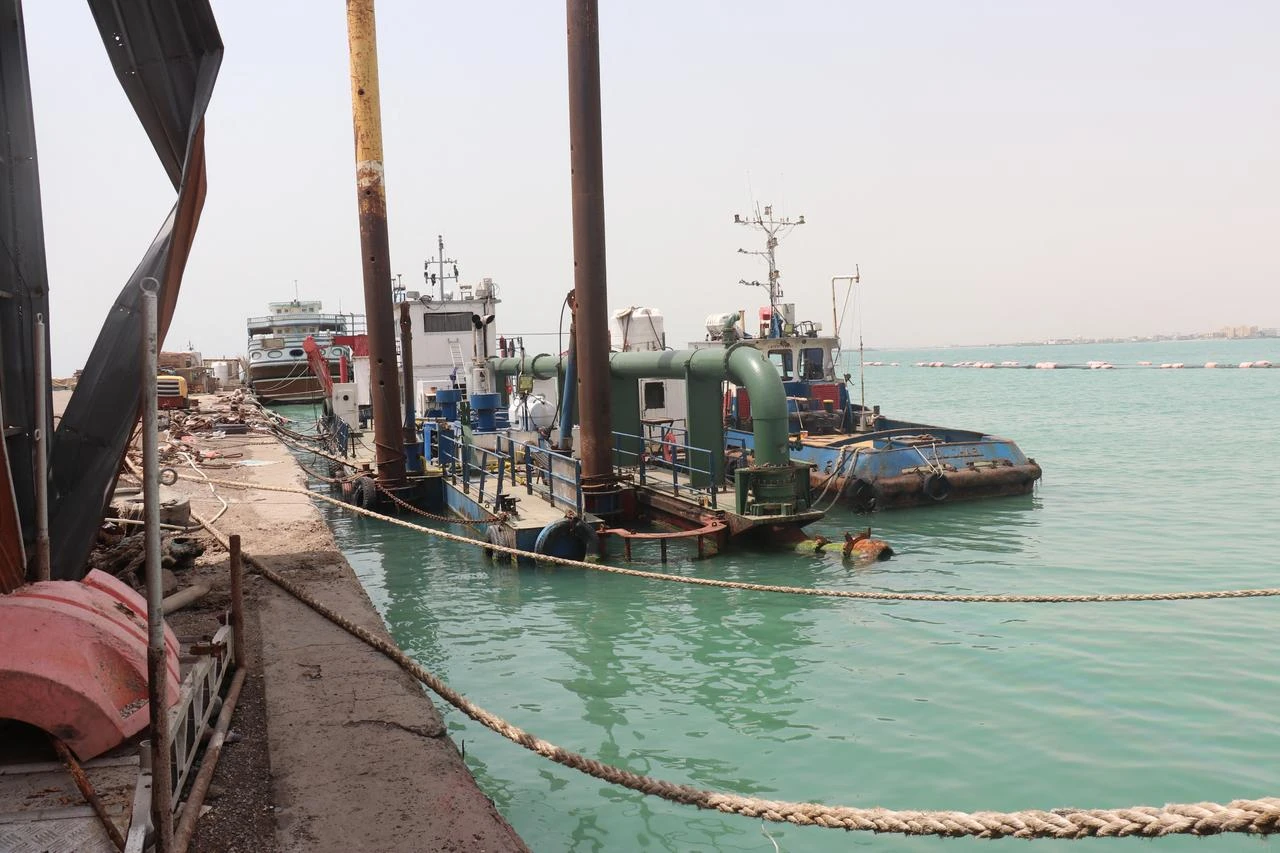
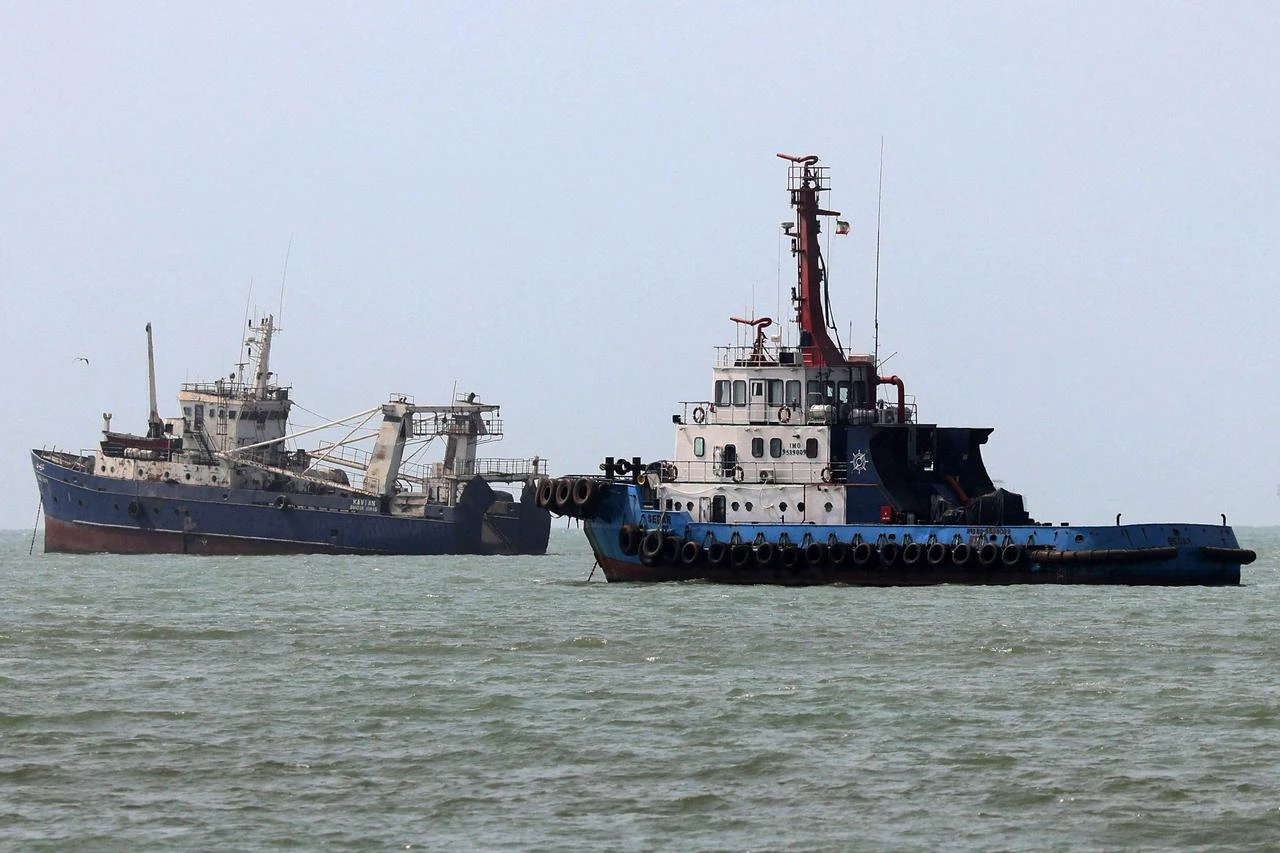
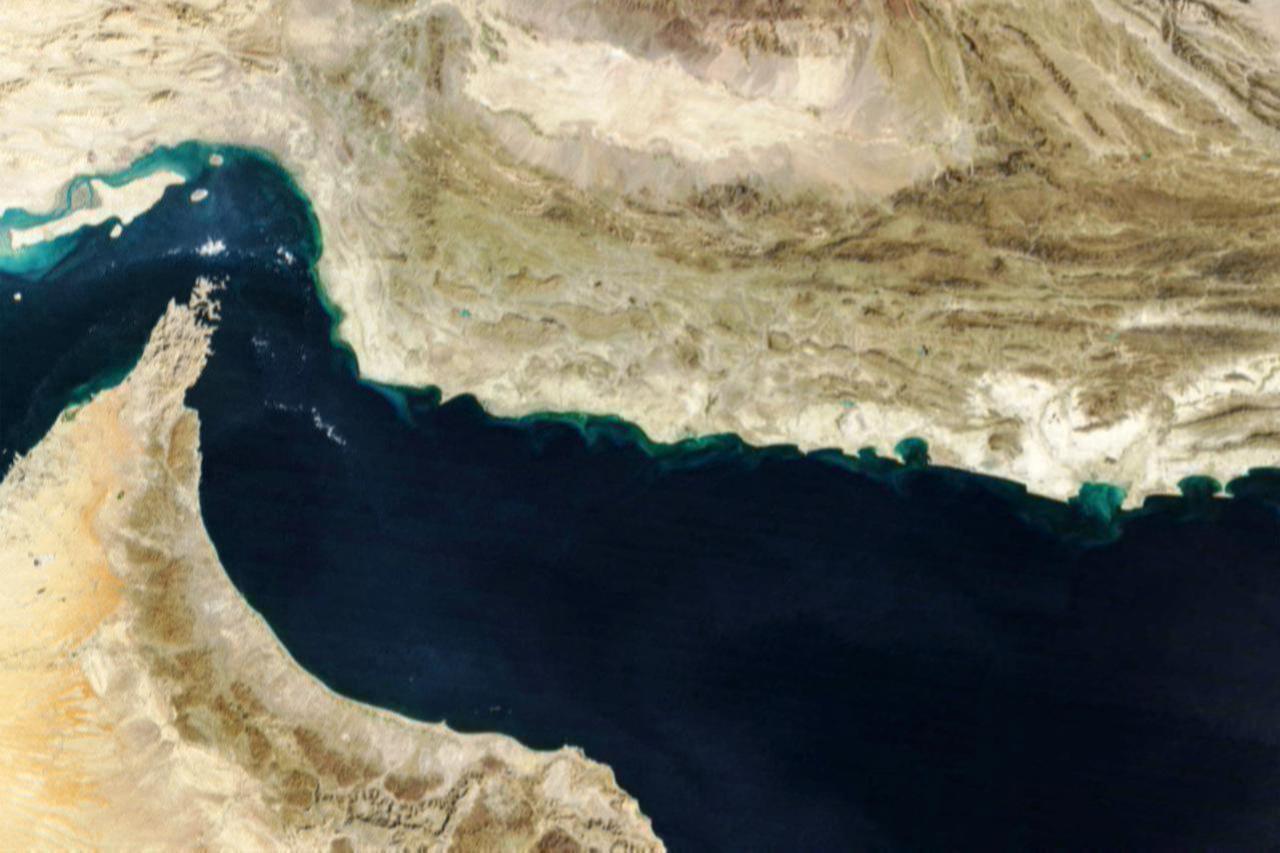
The Strait of Hormuz, a key shipping lane linking the Persian Gulf to international markets, has effectively stopped operating since the escalation of hostilities. The passage normally carries one fifth of global oil supply, and its closure has pushed energy prices higher.
U.S. Secretary of State Marco Rubio warned that Iran could attempt to introduce a permanent toll system for ships passing through the strait, raising concerns over long-term disruptions to trade.
Meanwhile, U.S. special envoy Steve Witkoff said he expects Iran to enter discussions with Washington "this week," adding that a proposed 15-point peace plan could resolve the conflict if accepted.
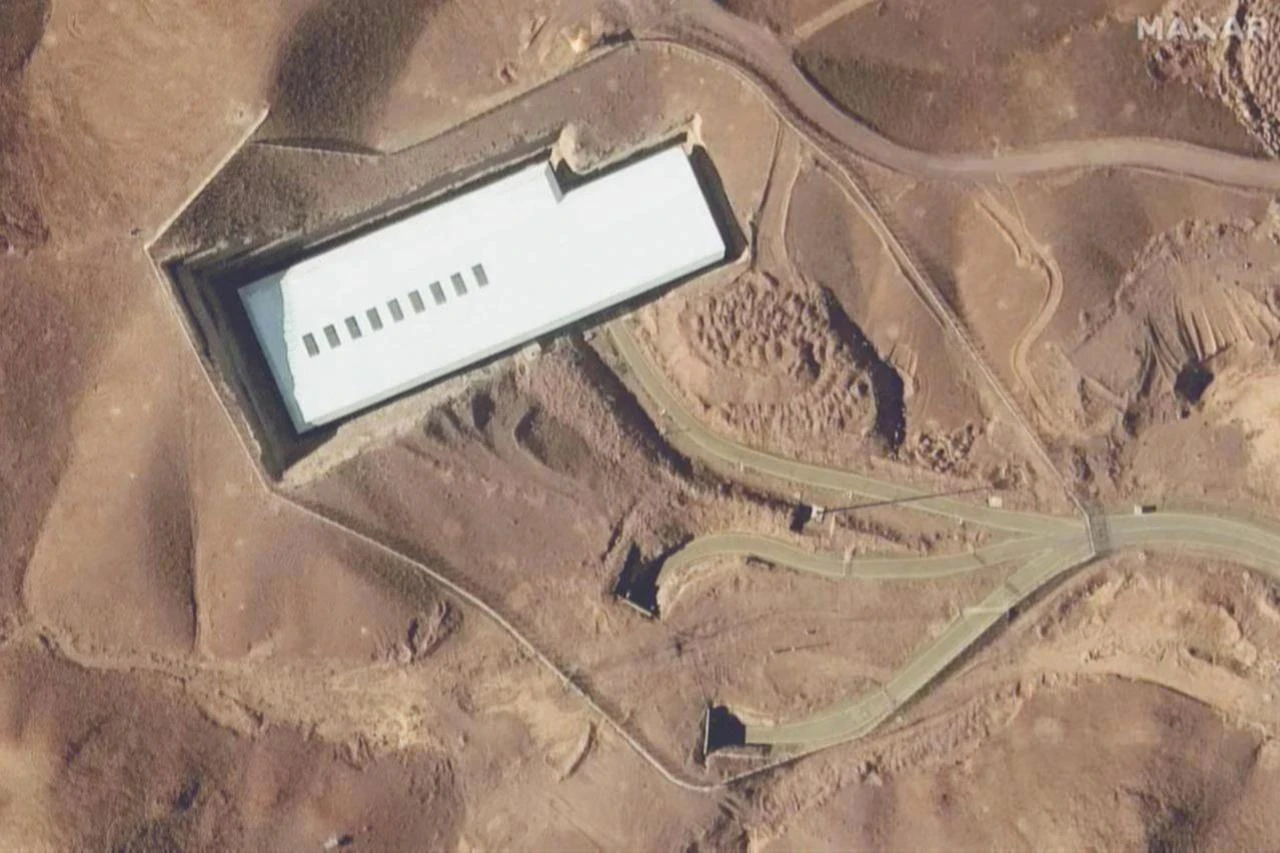
The fighting, which has lasted for a month, has included U.S.-Israeli strikes on Iranian nuclear facilities, while Tehran has threatened retaliation against industrial targets across the region.
Despite Trump’s repeated claims that Iran is ready to negotiate, Iranian authorities have firmly denied any such willingness, saying no direct talks have taken place and dismissing U.S. statements as misleading.
Reports indicate that while messages may be passed through intermediaries such as Pakistan, Egypt, and Gulf states, Tehran maintains that no formal or direct engagement with the United States is underway and has rejected key elements of the proposed peace framework.


 Set as preferred source
 Set as preferred source


 1 min read
 1 min read