Newsletters


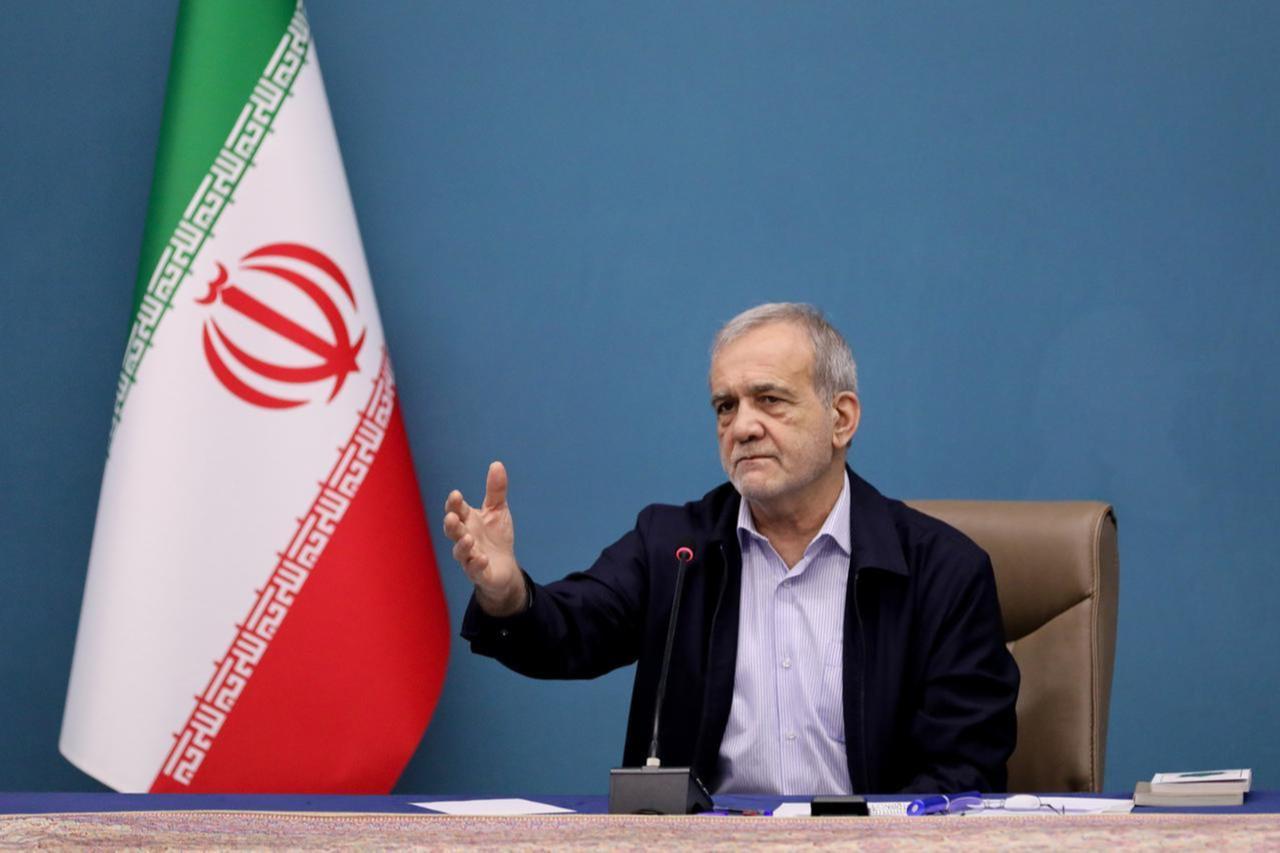


Opening with a historical sweep, the president positioned Iran as a civilization with millennia of continuity that has nonetheless never launched offensive wars in the modern era. "Despite historical and geographic advantages at various points, Iran has never chosen the path of aggression, expansionism, colonialism or domination," he wrote, adding that his country had repelled attackers but had never itself fired the first shot.
Pezeshkian drew a sharp distinction between governments and the people they govern, a framing that runs as a throughline across the letter. "The Iranian people harbor no hostility toward other nations, including the people of America, Europe or neighboring countries," he wrote, describing this not as a political position but as a principle rooted in Iranian culture and collective consciousness.
The president traced the deterioration of U.S.-Iran relations directly to the CIA-backed coup of 1953, which toppled Prime Minister Mohammad Mosaddegh after his government moved to nationalize Iranian oil. Washington has since formally acknowledged its role in that intervention. Pezeshkian described the coup as "an illegal American intervention aimed at preventing Iran from nationalizing its own resources," arguing it interrupted a democratic process and planted lasting seeds of suspicion toward U.S. policy.
He went on to catalogue subsequent grievances, citing American support for the Shah's government, backing for Saddam Hussein during the Iran-Iraq War of the 1980s, decades of sweeping economic sanctions, and what he characterized as two unprovoked military strikes on Iranian territory during ongoing negotiations. Each episode, in his telling, compounded the original wound opened in 1953.
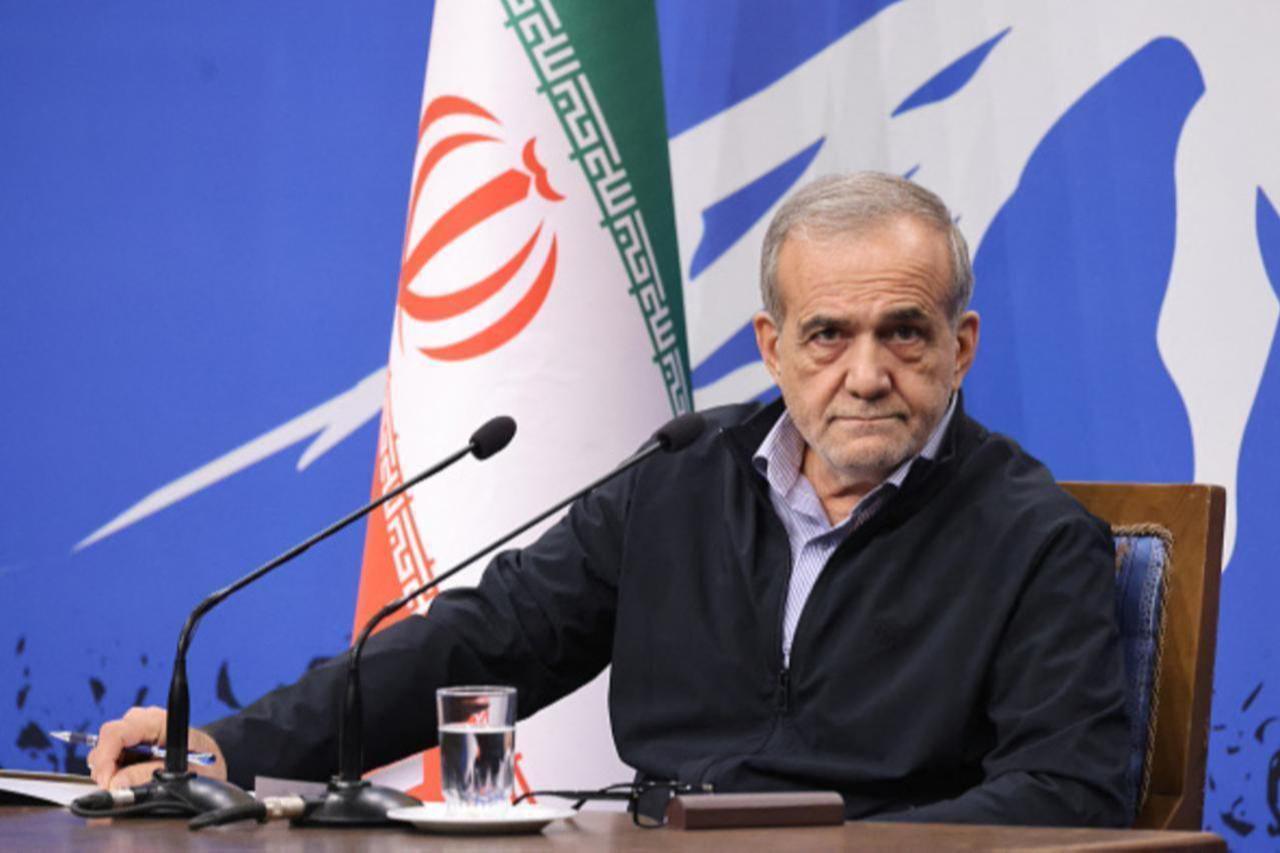

Pezeshkian was direct in accusing Washington of constructing a threat that does not correspond to observable reality. The portrayal of Iran as a danger, he argued, "is a product of the political and economic ambitions of the powerful: the need to create an enemy in order to legitimize repression, maintain military dominance, sustain the arms industry, and control strategic markets." In such a system, he suggested, a threat will be manufactured even when none exists.
He reserved particular sharpness for Israel, accusing it of manipulating the United States into serving as what he called a subcontractor for Israeli interests. He questioned whether Washington entered into confrontation with Iran as Israel's proxy, manipulated by a government seeking to redirect global attention away from its conduct toward Palestinians. "Is it not clear that Israel aims to fight Iran to the last American soldier and the last dollar of the American taxpayer?" he wrote, invoking the phrase "America First" to ask whether it reflects the current administration's actual priorities.
Despite the letter's combative passages, Pezeshkian closed with an appeal for de-escalation, framing the current moment as a historical fork in the road. He acknowledged the human toll of sanctions, war, and the most recent bombardments on Iranian civilians, warning that people do not remain indifferent when attacks destroy lives, homes, and futures.
On the nuclear file, he maintained that Iran had negotiated in good faith, reached an agreement, and fulfilled its commitments, placing responsibility for the collapse of diplomacy squarely on U.S. decisions to withdraw from the deal and launch military action mid-negotiation.
Pointing to Iran's gains in literacy, higher education, technology, and healthcare since the revolution as measurable indicators of national resilience, Pezeshkian dismissed the notion that pressure has weakened the country. He invited Americans to look past what he called a disinformation apparatus and to speak instead with Iranians who have traveled, studied abroad, or contributed to leading Western universities and technology firms. "Continuing on the path of confrontation is more costly and futile than ever," he concluded, arguing that the choice between escalation and dialogue would shape the lives of future generations.


 Set as preferred source
 Set as preferred source


 1 min read



 1 min read