

 Newsletters




Poland's defense minister announced Sunday that negotiations over establishing a permanent American military base in Poland have advanced, with the Pentagon now conducting an internal force review that Warsaw expects to shape the next phase of bilateral discussions.
Defense Minister Wladyslaw Kosiniak-Kamysz said on X that the talks had moved forward following a positive signal from U.S. Defense Secretary Pete Hegseth.
"A force review is underway at the Pentagon, which will serve as the basis for further decisions," he said, adding that "increased US military engagement means stronger deterrence and a secure Poland."
The announcement marks a concrete step in what has been a fast-moving diplomatic push by Warsaw.
Earlier this month, Kosiniak-Kamysz formally submitted the base proposal to Hegseth and vowed that Poland would "do everything to increase the presence of American troops."
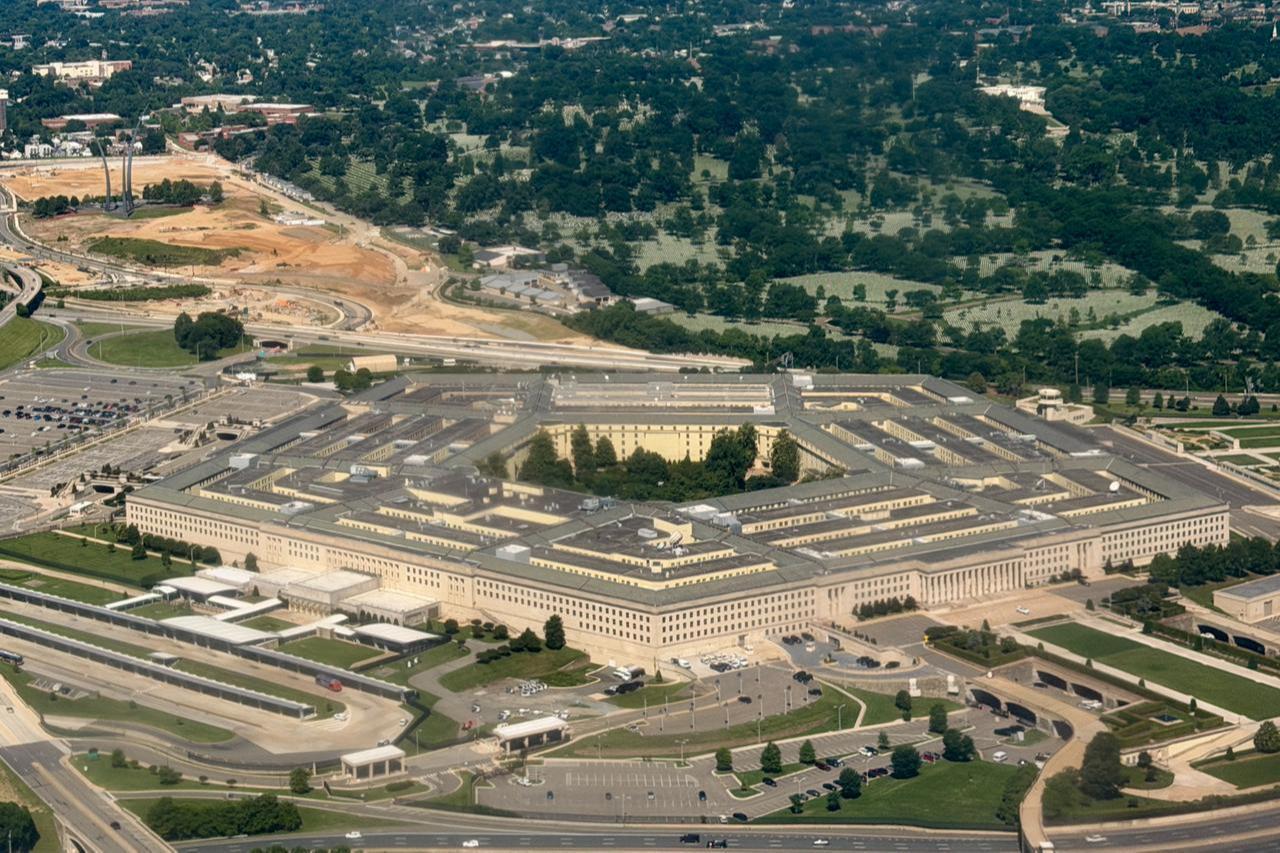

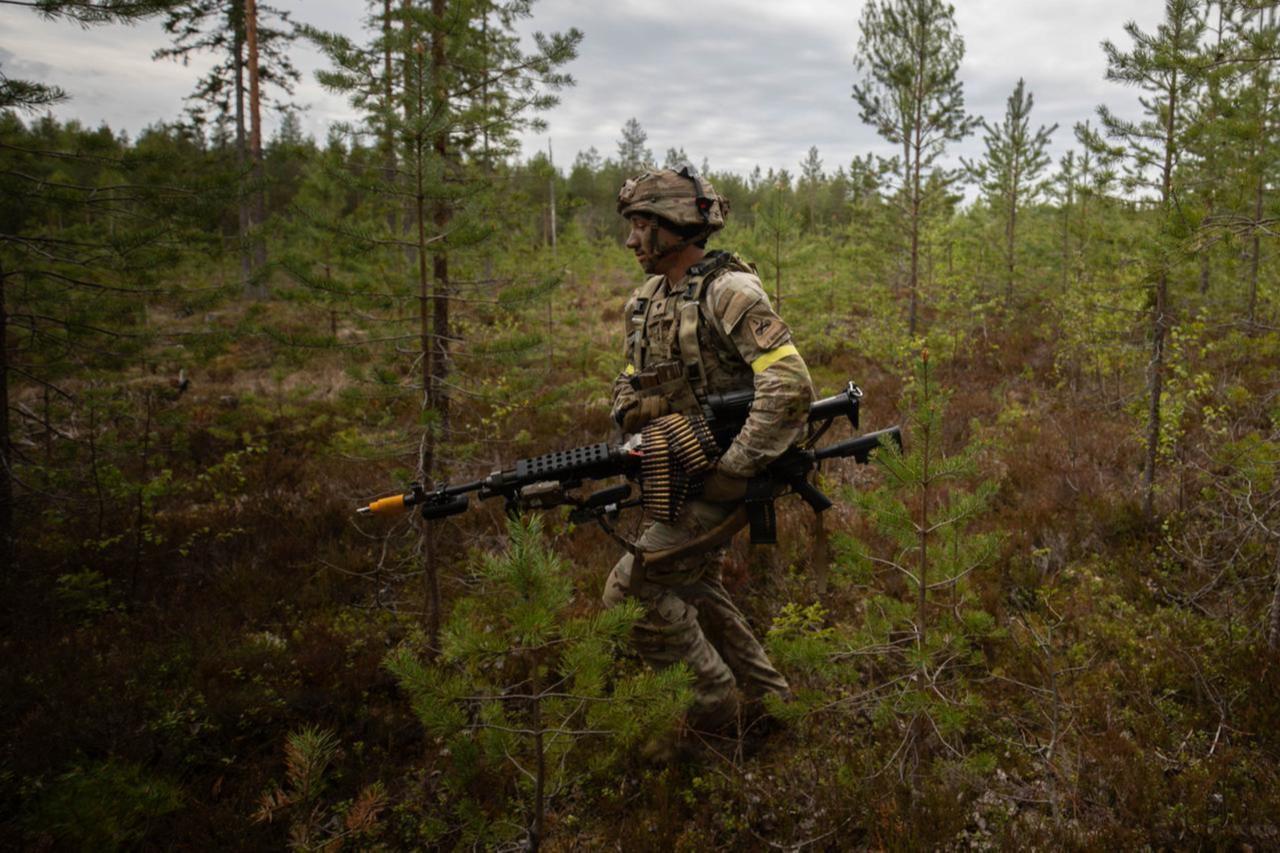
Poland currently hosts roughly 10,000 U.S. troops, the majority on a rotational basis rather than permanently assigned. Warsaw has long sought to convert that arrangement into something more durable, viewing a permanent installation as a stronger security guarantee against potential threats from Russia.
The proposal is not new in concept. During President Donald Trump's first term, the previous Polish government floated the idea of a permanent base, informally dubbed "Fort Trump," and offered substantial financial incentives to make it happen.
No agreement was reached, but the U.S. military footprint in Poland grew significantly after Russia's full-scale invasion of Ukraine in 2022, including the establishment of a permanent U.S. Army garrison and a missile defense facility.
Polish President Karol Nawrocki has backed closer defense cooperation with Washington and has argued that the United States should remain Poland's principal security partner.
The push for a permanent base comes against a backdrop of uncertainty over U.S. force posture in Europe. In May, the Pentagon announced plans to withdraw roughly 5,000 troops from Germany.
Around the same time, the Trump administration briefly suspended a planned deployment of approximately 4,000 troops to Poland before Trump later announced that 5,000 additional U.S. personnel would instead be sent to the country.
That whiplash prompted alarm in Warsaw, even as American officials moved to reassure Polish counterparts. The episode has reinforced Poland's desire to put the bilateral defense relationship on a more permanent institutional footing, reducing its dependence on rotational deployments that can be adjusted or canceled on short notice.
Across NATO, Poland has stood out for the scale of its defense investment. Warsaw spends well above the alliance's two-percent-of-GDP benchmark, and has undertaken one of Europe's most ambitious military modernization programs, acquiring U.S.-made Patriot air-defense systems, F-35 fighter jets, Abrams tanks, and HIMARS rocket launchers.
American officials, including members of the Trump administration, have publicly praised Poland as a model ally and called on other NATO members to follow its example.
That spending record has given Warsaw added leverage in its talks with Washington. Polish officials have framed a permanent base not only as a security asset but as a natural extension of an alliance in which Poland has already demonstrated unusual commitment, financially and militarily.
No details about the possible location, size, or function of any proposed facility have been released, and no final decision has been announced by either side.


 Set as preferred source
 Set as preferred source


 2 min read
 1 min read



