Newsletters


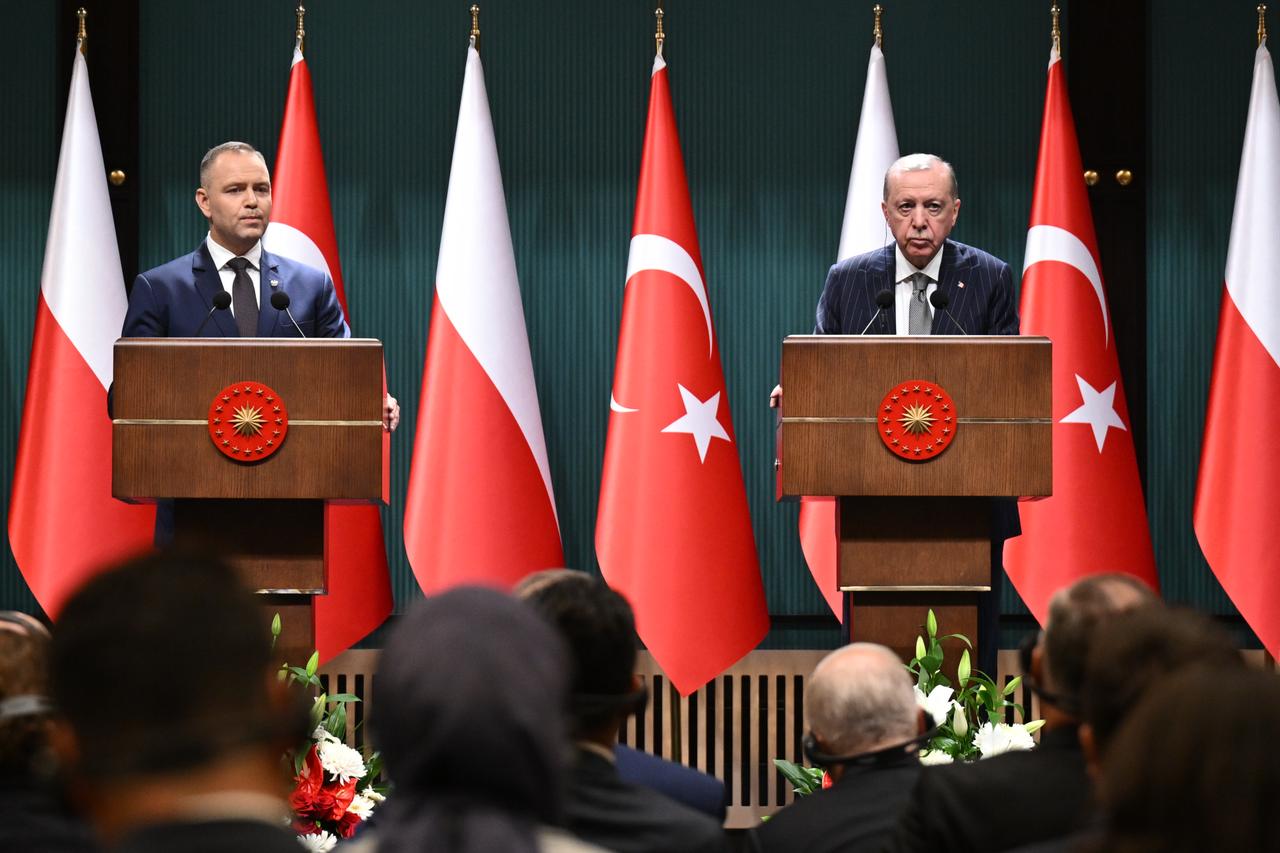


President Recep Tayyip Erdogan and his Polish counterpart Karol Nawrocki pledged to deepen bilateral cooperation across defense, trade and diplomacy on Monday, as both leaders looked ahead to a NATO summit that Türkiye will host next month in the capital.
The two presidents held one-on-one and delegation-level talks at the Presidential Complex in Ankara before appearing together at a joint news conference. Erdogan later hosted Nawrocki at a formal dinner, closed to the press.
Framing the visit within a centuries-old bond, Erdogan said the two countries were "developing cooperation in every field as allies and strategic partners," drawing on more than six centuries of shared history. Nawrocki echoed that sentiment, calling the day's contacts "a symbol of our historic, beautiful and friendly relations."
Talks ranged across trade, investment, energy, transportation, education, culture and defense industry cooperation. Erdogan announced that after reaching a bilateral trade target of $10 billion, the two countries had now set their sights on a new goal of $15 billion.
He noted that Polish construction projects by Turkish contracting firms already stood at roughly $9 billion and expressed hope that number would grow further.
Nawrocki, for his part, said trade between the two countries had continued to expand without interruption despite the ongoing war in Russia and Ukraine.
Erdogan also pointed to the Three Seas Initiative, a regional cooperation platform linking Central and Eastern European countries along the Baltic, Adriatic and Black Seas, as an important framework for advancing transportation ties, noting that Türkiye is a strategic partner in the initiative with Poland's support.
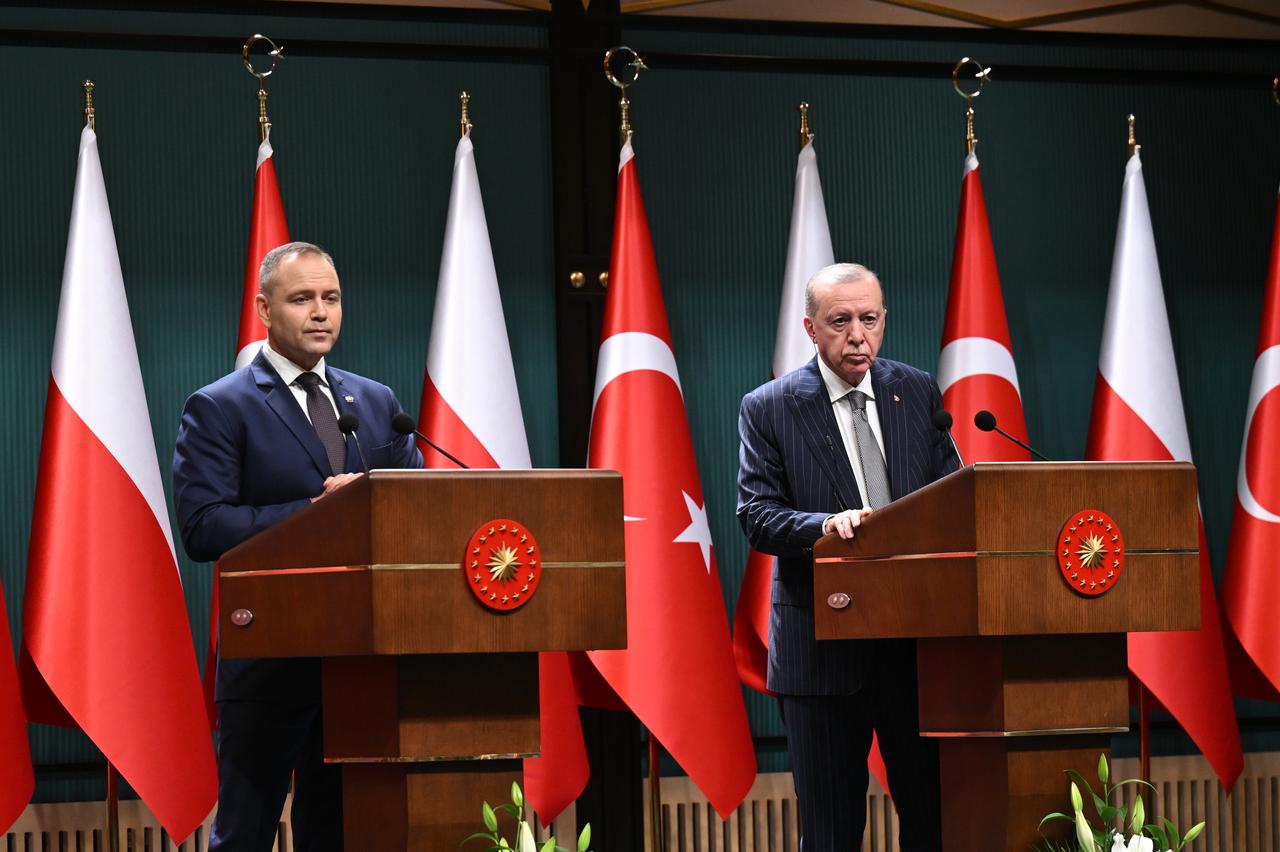

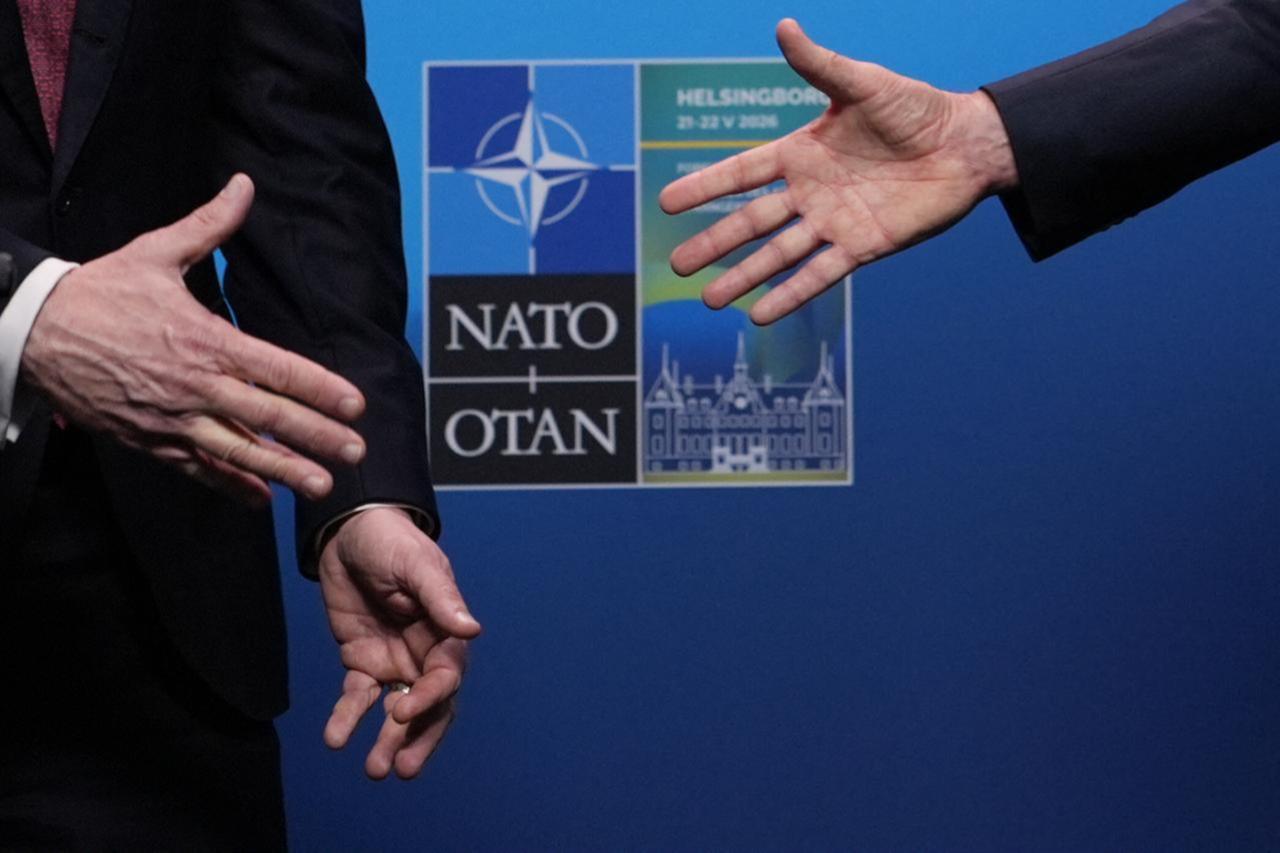
The upcoming NATO summit in Ankara on July 7 and 8 loomed large over the meeting. Nawrocki said he was "eagerly anticipating" the summit and expressed confidence it would be productive.
Erdogan said both sides shared the priority of strengthening NATO's European pillar and reinforcing the alliance's deterrence, while also calling for European allies to take on greater responsibility and for the transatlantic bond to be consolidated.
Defense industry cooperation emerged as one of the visit's most concrete areas of focus. Nawrocki noted that Polish soldiers are already operating Bayraktar unmanned aerial vehicles purchased from Türkiye, and cited a defense cooperation agreement signed between the two countries' defense ministers last year as a basis for expanding the relationship further, adding that Poland hoped such cooperation would continue on equal terms and in diverse forms.
He also stated Poland's desire to extend the deployment of its soldiers at Incirlik Air Base in southern Türkiye.
Both leaders described the two countries as holding indispensable roles in Europe's security architecture. "We are working to strengthen this cooperation as two NATO allies that have an indispensable place in Europe's security and defense architecture," Erdogan said.
 1 min read
The two presidents also discussed the Russia-Ukraine war, with Nawrocki saying both sides agreed that Russia is the sole aggressor and that a swift end to the war through diplomatic means was the preferred path. He added that he and Erdogan discussed Russian hybrid activities directed at Poland.
Erdogan said the meeting included a broad assessment of the latest situation in the war as well as Iran-related developments, and that both areas highlighted the urgent need for peace.
On the Middle East, Erdogan called on Poland to maintain its support for a two-state solution to the Israeli-Palestinian conflict. Poland is among the countries that have formally recognized a Palestinian state.
Erdogan stressed that the process toward lasting peace in Palestine and the Middle East must never be allowed to fall into the shadows of other crises.
Nawrocki confirmed Poland's backing for a two-state resolution.
Erdogan used the occasion to reaffirm Türkiye's commitment to advancing ties with the European Union on the basis of mutual benefit and respect, and thanked Poland for its support of Türkiye's EU accession process, expressing hope that support would grow in the time ahead.
Türkiye's EU membership bid, formally launched in 2005, has been largely stalled for years over a range of political and legal disputes, though Ankara has repeatedly reaffirmed its interest in eventual membership.
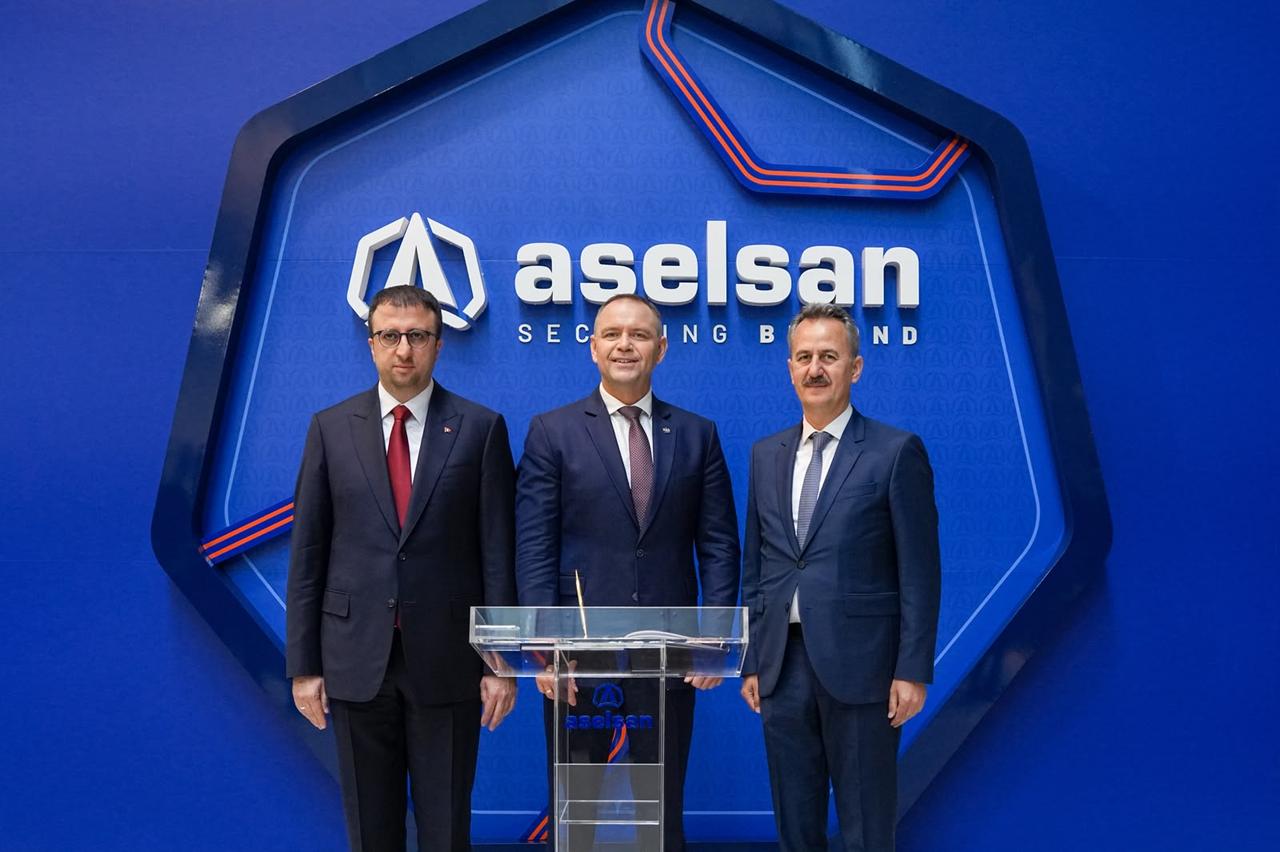
Nawrocki's Ankara itinerary also included a visit to ASELSAN's Golbasi Technology Campus, where he was accompanied by Presidency of Defense Industries Chairman Haluk Gorgun and ASELSAN President and Chief Executive Ahmet Akyol.
The delegation received a comprehensive briefing on indigenous technologies the company has developed across electronic warfare, radar, air defense, communications and electro-optics.
Nawrocki described cooperation between the two countries' defense industries as indispensable, saying the two nations had been bound together as strategic partners for decades and were now ready to build a stronger alliance following a contract signed with Türkiye in 2025. He also praised ASELSAN's work and local partnerships in Poland.
Founded with the support of the Turkish Armed Forces, ASELSAN has grown into one of the largest defense electronics companies in the world.
A contract signed in December 2025, valued at approximately $410 million, covering electronic warfare systems stands out as one of the most recent milestones in the two countries' expanding defense relationship.
The deal has drawn attention as a marker of growing confidence in ASELSAN's NATO-standard high-technology solutions, while also broadening Türkiye's footprint in European and NATO security.
Discussions during the visit also touched on new projects aimed at joint production, technology sharing and the enhancement of operational capabilities between the two allies.


 Set as preferred source
 Set as preferred source


 1 min read