Sign in
 Newsletters


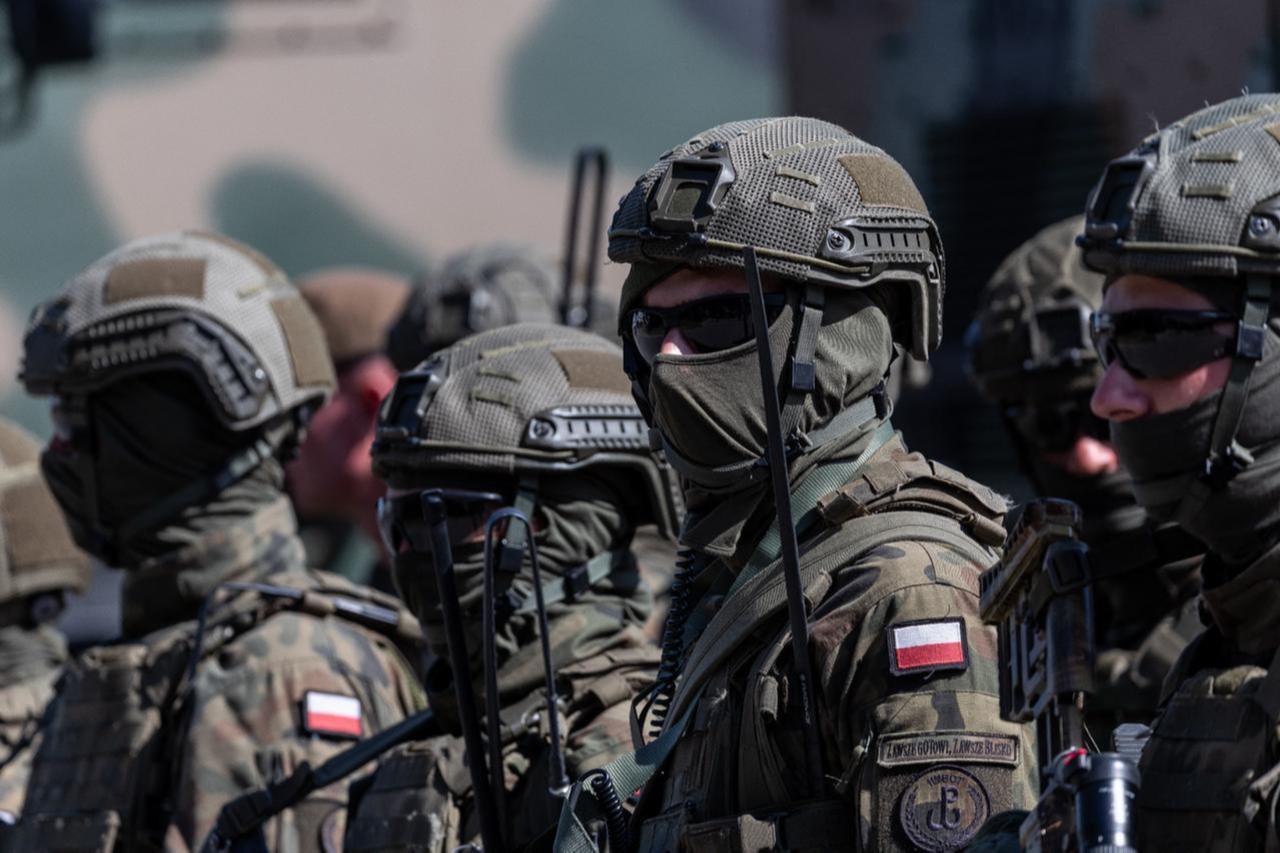


Poland expects additional NATO support to strengthen security along its eastern border after three suspected Russian missiles and drones reportedly entered Polish airspace Friday, Defense Minister Wladyslaw Kosiniak-Kamysz said Saturday, as authorities warned of Russian disinformation surrounding a reported drone attack on Kaliningrad.
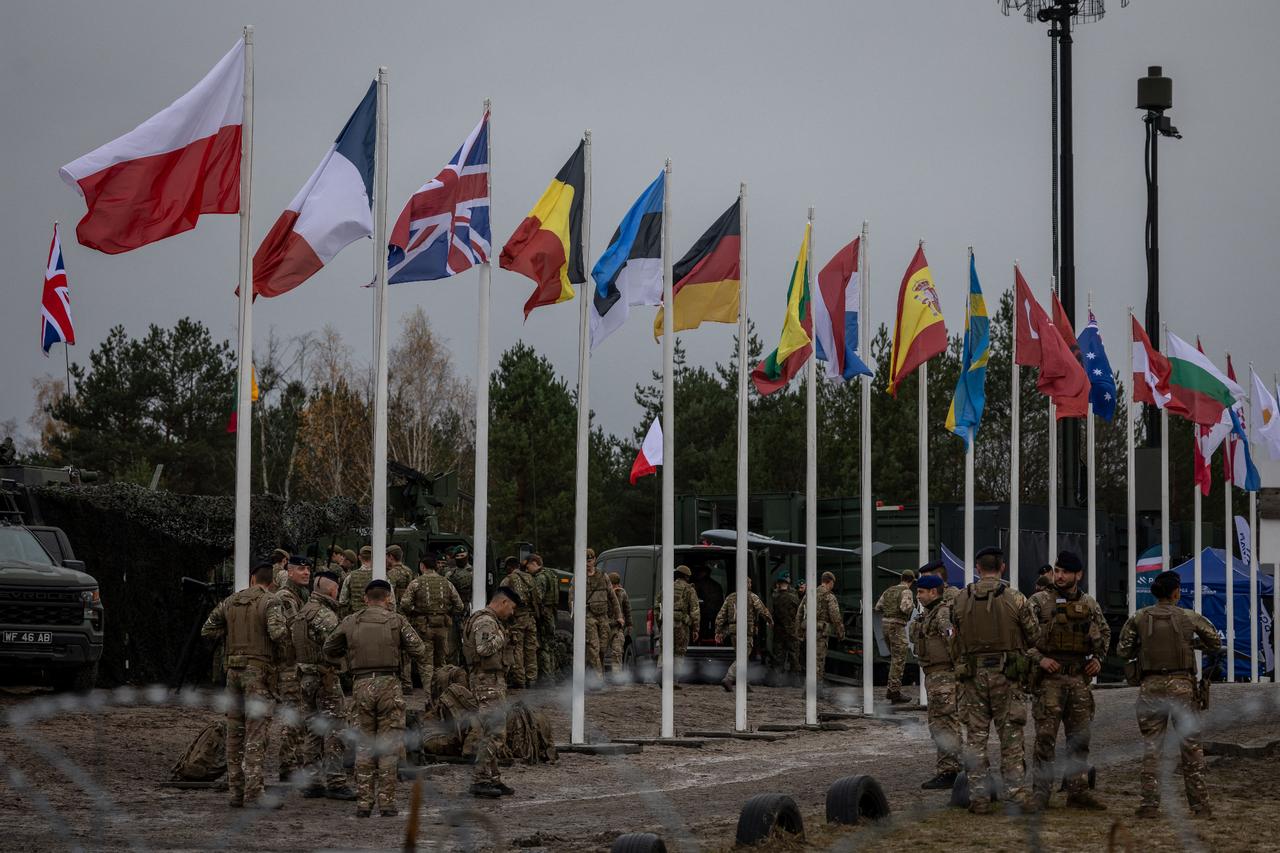
Kosiniak-Kamysz said Warsaw anticipated substantial assistance from NATO allies, with specific proposals expected to be discussed at an extraordinary meeting of the North Atlantic Council on Monday.
"In the near future, we will receive strong support from NATO allies to strengthen the protection of our eastern border," the minister wrote on U.S. social media platform X.
He said he had discussed operational details with NATO's Supreme Allied Commander Europe, Gen. Alexus Grynkewich, and thanked NATO Secretary-General Mark Rutte for his commitment.
The announcement followed reports that three Russian objects, believed to be two missiles and a jet-powered drone, entered Polish airspace during Russian attacks on Ukraine on Friday.
Polish authorities said the objects fell in southeastern Poland, prompting investigations into their origins and the circumstances of the incidents.
Kosiniak-Kamysz described the incursions as a provocation intended to undermine Western unity.
Rutte, speaking in Warsaw on Saturday, reaffirmed NATO's commitment to defending Polish territory.
Moscow has not commented on the reported airspace violations.


The developments come amid heightened security concerns along NATO's eastern flank following reports of drone activity near Russia's Baltic Fleet facilities in Kaliningrad, which borders Poland and Lithuania.
On Sunday, Polish Deputy Digital Affairs Minister Pawel Olszewski said the country's Center for Combating Disinformation was monitoring online claims about a reported Ukrainian drone attack on the Russian exclave.
According to Olszewski, Russian disinformation narratives falsely alleged that German troops stationed in Poland had coordinated the attack and that Polish and Lithuanian forces had used Ukrainian missiles to strike Russia.
Other claims suggested NATO had directly attacked Kaliningrad and that Ukraine was attempting to draw Poland into the war.
Olszewski rejected the allegations as false, while reports of explosions and air defense activity near the Russian naval base at Baltiysk remained unverified.
Lithuania also rejected allegations that its territory or airspace had been used to facilitate an attack on Kaliningrad.
Kaliningrad Governor Alexei Besprozvannykh said an alert in the region had been triggered by a "suspicious object" originating from Lithuania, but maintained that it posed no threat.
Russian authorities reported no damage or casualties.
The incidents have increased attention on security along NATO's eastern border as Poland awaits further discussions with allies over additional defensive measures.


 Set as preferred source
 Set as preferred source


 1 min read

 1 min read