Newsletters


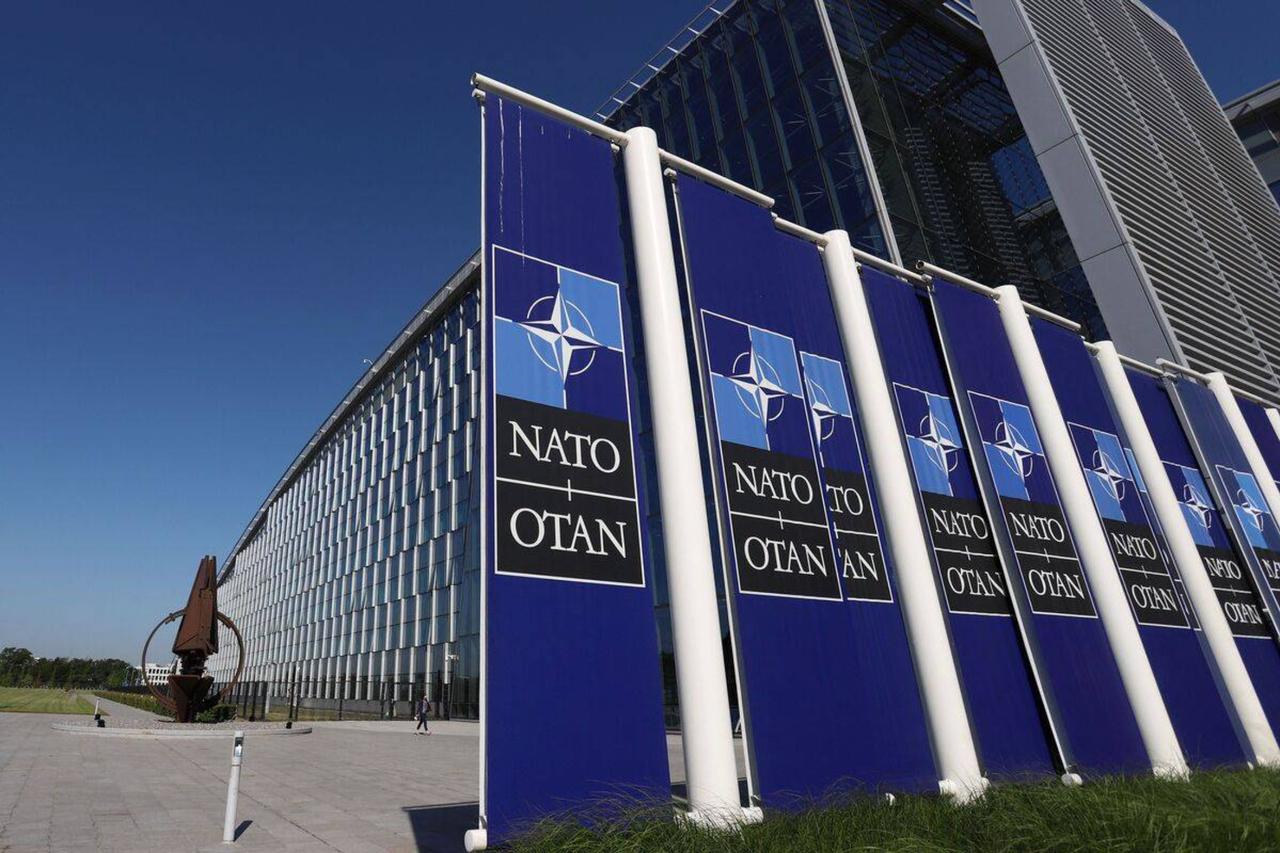


NATO allies said they remain strongly committed to the full implementation of the Treaty on the Non-Proliferation of Nuclear Weapons (NPT) ahead of the 11th Review Conference. Terming the treaty a cornerstone of global non-proliferation and disarmament efforts, they reaffirmed support for arms control, risk reduction and peaceful nuclear cooperation.
In a statement issued April 20, the North Atlantic Council said the treaty has significantly limited the spread of nuclear weapons since entering into force in 1970 and continues to serve the security interests of all states parties, including NATO members.
The alliance described the NPT as an essential pillar of the global non-proliferation and disarmament architecture, as well as the framework for international cooperation on the peaceful uses of nuclear energy, science and technology.
NATO allies said they are resolved to contribute to the preservation, universalization and full implementation of the treaty while remaining firmly committed to arms control, disarmament and non-proliferation efforts.
The statement said that the allies also remain committed to promoting cooperation in peaceful uses of nuclear energy.
NATO said the current deteriorating security environment poses challenges relevant to the treaty as proliferation crises continue and escalate.
The statement said Russia has violated crucial arms control commitments and used what it described as irresponsibly threatening nuclear rhetoric.
It also said China continues to rapidly expand and diversify its nuclear arsenal without transparency.
According to the statement, both Russia and China have increased ties with states seeking to proliferate nuclear weapons and undermine international arms control.
NATO allies said they strongly encourage the U.S. pursuit of multilateral strategic stability.
The alliance said that as long as nuclear weapons exist, NATO will remain a nuclear alliance.
It said the fundamental purpose of NATO's nuclear capability is to preserve peace, prevent coercion and deter aggression.
The statement said NATO allies have always adhered to their obligations under the NPT and continue to do so.
It added that NATO's nuclear sharing arrangements have always been fully consistent with the treaty and have been in place since before the NPT entered into force in 1970 and at the time of the treaty's indefinite extension in 1995.
According to NATO, those arrangements have been key in preventing proliferation, which it described as one of the treaty's core goals.
NATO allies also rejected what they called any attempt to delegitimize nuclear deterrence and said the Treaty on the Prohibition of Nuclear Weapons (TPNW) does not change the legal obligations of their countries with respect to nuclear weapons.

The statement said NATO allies continue to support all objectives of the treaty, including Article VI, with a view toward worldwide verifiable elimination of nuclear weapons based on the principle of undiminished security for all.
NATO said the allies remain focused on promoting transparency, reducing risk and enhancing security.
The alliance added that it will work toward a successful NPT Review Conference and is ready to work with all states parties toward that goal.
The 11th Review Conference of the Parties to the Treaty on the Non-Proliferation of Nuclear Weapons is scheduled to take place from April 27 to May 22, 2026, in New York.
Held every five years, the conference brings together over 190 member countries to review implementation of the treaty, with discussions focused on disarmament, non-proliferation and peaceful use of nuclear energy.


 Set as preferred source
 Set as preferred source


 1 min read


 1 min read