Newsletters


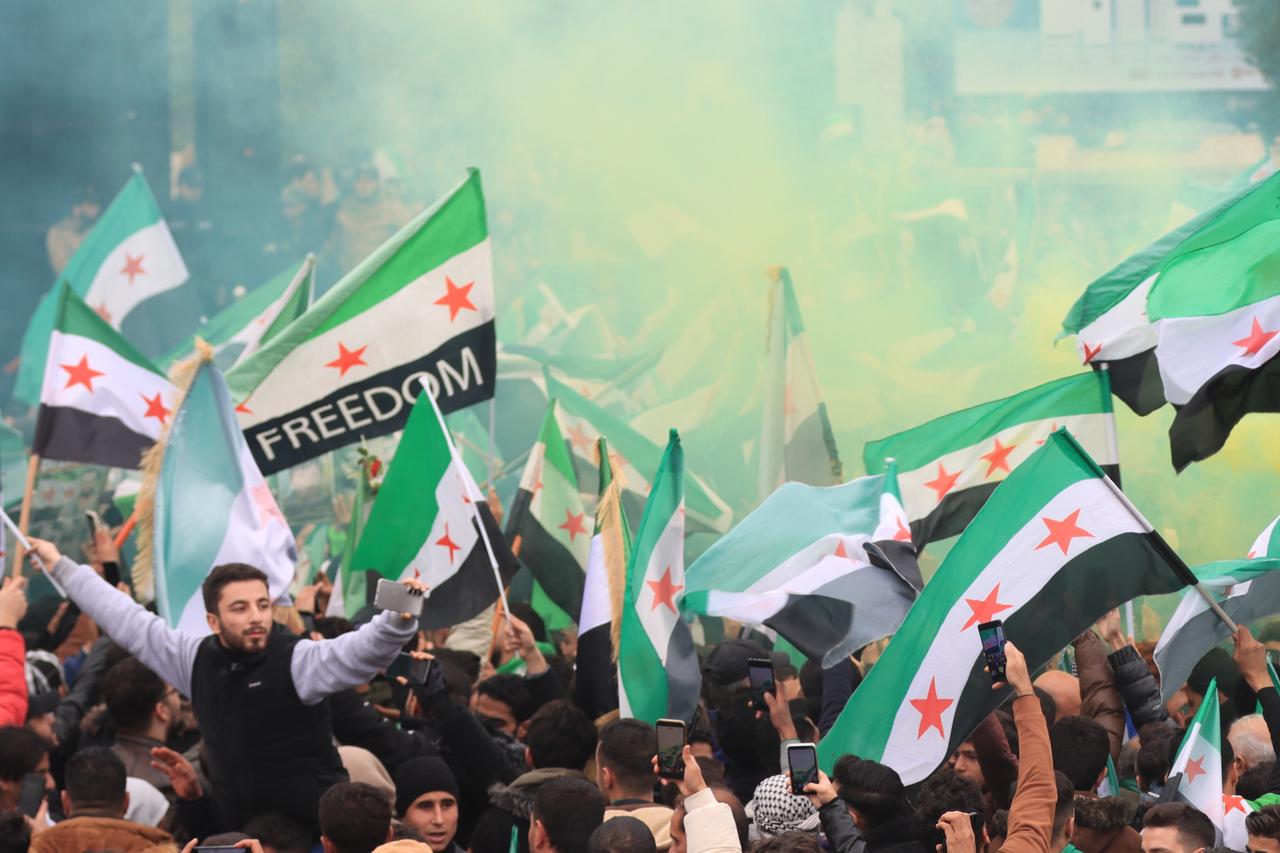


For over 50 years, Syrian journalism operated under one of the most restrictive censorship systems in the region. Security agencies, emergency laws and the Baath Party’s centralized control shaped every aspect of media production.
After the 2011 revolution, the Assad government intensified its repression through assassinations, arrests and the silencing of independent voices in regime-held areas.
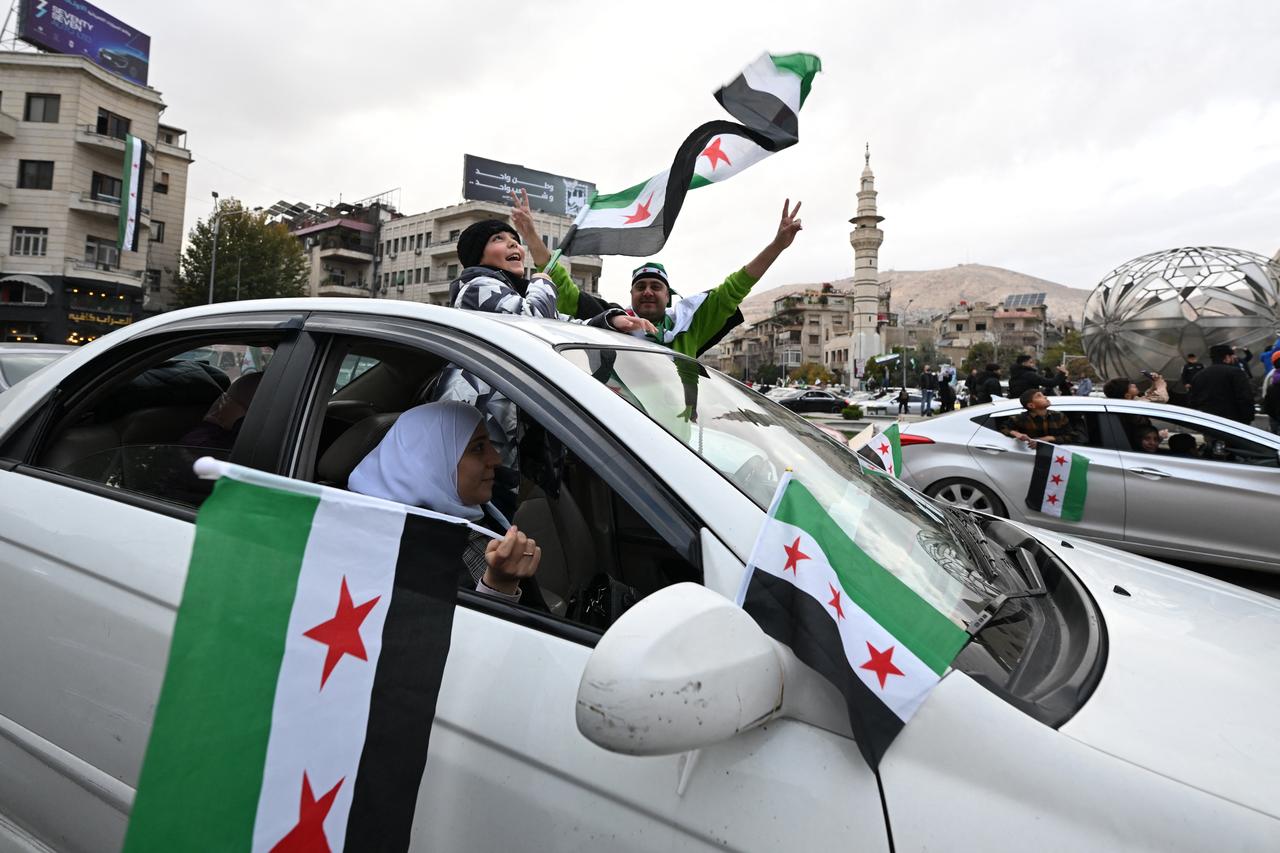
The fall of Bashar Assad’s regime on Dec. 8, 2024, marked a turning point. Since the liberation of Damascus, Syria has entered a transitional phase that opened a wide yet fragile space for journalistic work and public expression.
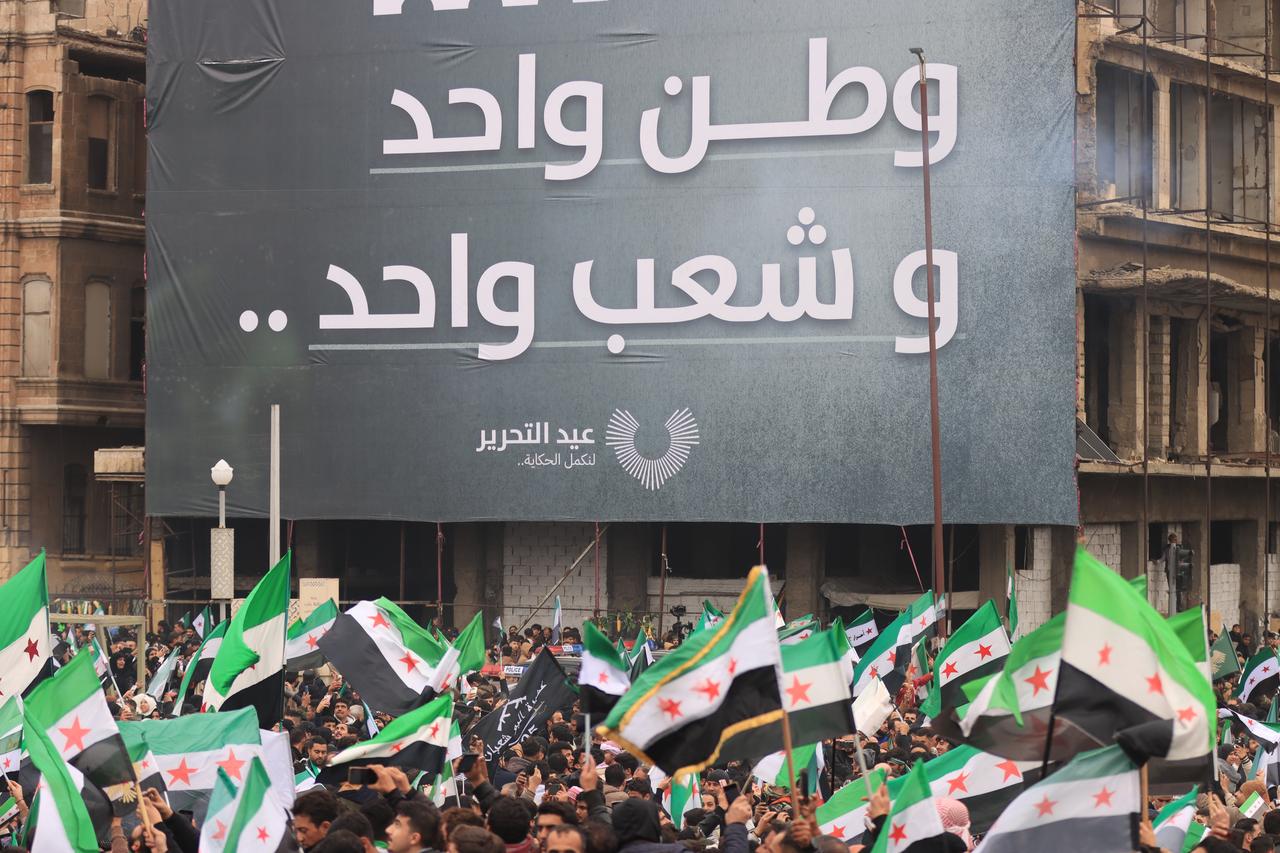

Media organizations that once operated in exile or in rebel-controlled areas—Radio Rozana, Enab Baladi, Al Joumhouria, Aks al-Seir—have returned to the spotlight inside Syria.
Qatar-affiliated outlets such as Syria TV and Al Jazeera continue to have a strong presence, while international news agencies quickly resumed broadcasting from Damascus after the regime collapsed.
Even the former state propaganda agency SANA has shifted its editorial line to align with the new administration. Information Minister Mohamed al-Omar pledged to work toward “a free press” and protect “freedom of expression.”
According to the ministry, over 500 media outlets are active inside the country, and thousands of applications for press cards have been submitted, a scale of activity unimaginable under Assad.
The French newspaper Le Monde described a visibly more open public environment in Damascus, where intellectuals, exiles and ordinary citizens now discuss politics and culture openly in cafes that were once heavily monitored.
For decades, the Baath Party and the Assad family built a highly centralized media apparatus under full state ownership. In Damascus, only three daily newspapers—Al Baath, Al Thawra and Tishreen—were allowed to operate.
These newspapers served primarily as propaganda outlets for the ruling system, repeating the government’s narrative and allowing no meaningful criticism or diversity of opinion.
Local newspapers in Aleppo (Al Jamahir) and Latakia (Al Wahda) faced the same restrictions and had limited influence.
Newspaper readership remained among the lowest in the region because of a lack of trust, heavy censorship and tight control over printing and distribution.
Television followed the same model. After the Baath coup in 1963 and the imposition of emergency law, the state seized full ownership of the first and second channels, banned all private stations, and placed programming under the control of the Ministry of Information and the security agencies.
All broadcasts required prior approval, and content was screened to ensure full alignment with the ruling party’s narrative. Political coverage was tightly scripted, opposition voices were absent, and even entertainment programs avoided sensitive topics.
Television ultimately became an extension of the Baath Party’s authority—designed to reinforce official messaging rather than provide space for debate or public dialogue.
Before the liberation, the government and the ruling party monopolized Syria's major newspapers and official television channels.
The small number of supposedly private media outlets was owned by businessmen closely tied to the regime.
After the regime’s fall, ownership became more diverse: new media outlets appeared under the control of local investors and returnees from exile, while influential business figures—including members of the new elite—continued to own powerful media groups.
Alongside them, smaller independent platforms emerged, supported by community funding or international organizations.
There has been a notable decline in politically motivated arrests in areas governed by the transitional authorities.
Under Assad, social media was heavily monitored; critical posts could lead to interrogation or imprisonment. Today, online platforms have become spaces of humor, criticism and direct interaction between citizens and officials.
One viral joke mocked Communications Minister Abdul Salam Heikal’s bald head, prompting him to reply playfully: “This is a satellite internet receiver dish.”
Meanwhile, Economy and Industry Minister Mohammed Nidal al-Shaar responded to a Facebook user who labeled him a failure by replying, “Help me to succeed.”
These exchanges, unthinkable under the old regime, reflect an atmosphere of openness, though one still dependent on the country’s political transition.
In January 2025, Reporters Without Borders urged the new authorities in Syria to adopt seven urgent measures to protect journalists and reform media laws, calling the post-liberation moment a historic opportunity.
Despite the visible progress, Syria ranked 177th out of 180 countries in the 2025 World Press Freedom Index, highlighting the enormity of the task ahead.
Whether Syria can build a sustainable, independent media environment will depend on the strength of its emerging institutions and on its commitment to safeguard the freedoms newly reclaimed.


 Set as preferred source
 Set as preferred source


 1 min read
 1 min read