Newsletters


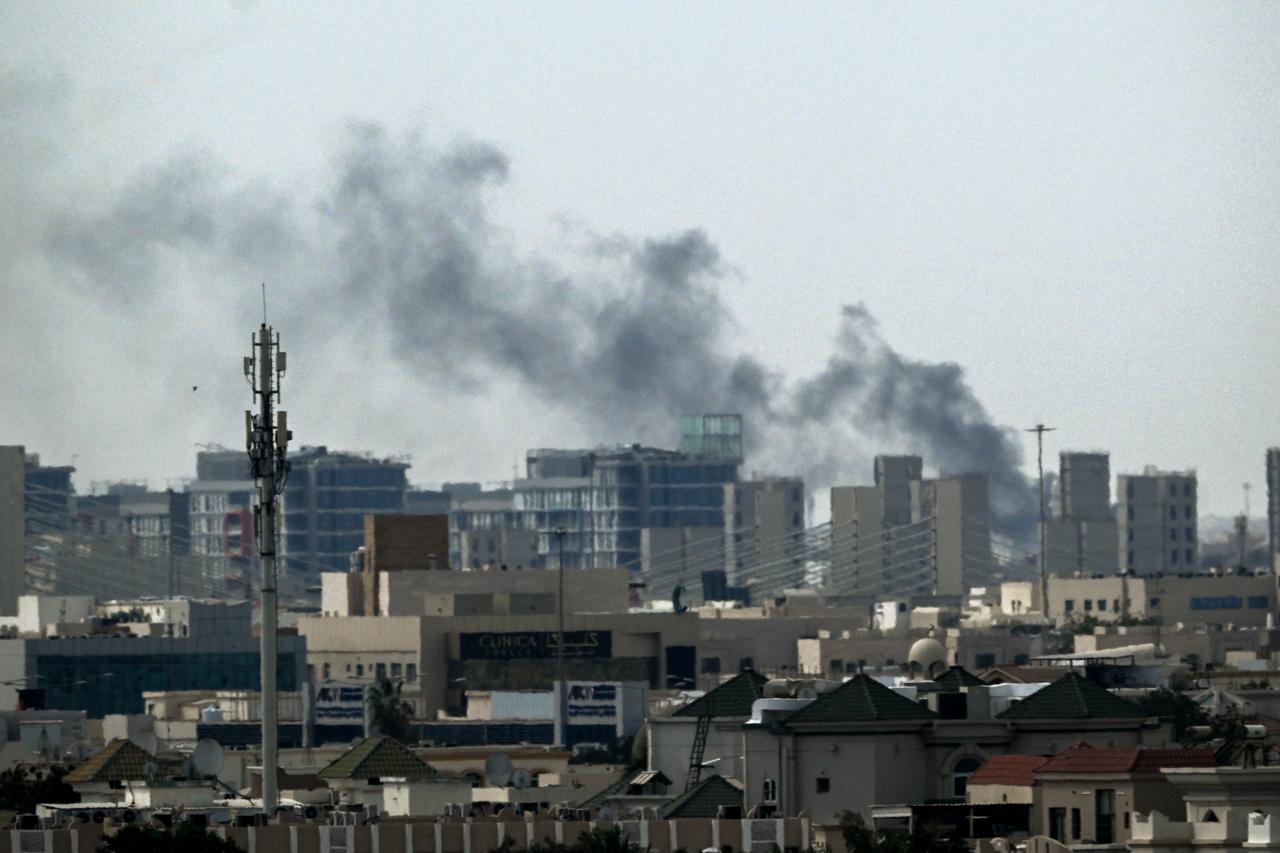


Qatar’s Minister of State for Foreign Affairs Sultan bin Saad Al Muraikhi said Iranian ballistic missile attacks targeting Qatari territory constitute a violation of the country’s sovereignty, according to a statement from Qatar’s Foreign Ministry.
Muraikhi made the remarks during phone calls on Friday with several foreign ministers, including those of Lebanon, Djibouti, Serbia, Kyrgyzstan, Cuba and Cote d'Ivoire, the ministry said.
According to the statement, Muraikhi spoke with Lebanon’s Minister of Foreign Affairs and Emigrants Youssef Raji; Djibouti’s Minister of Foreign Affairs and International Cooperation Abdoulkader Houssein Omar; Serbia’s Foreign Minister Marko Duric; Kyrgyzstan’s Foreign Minister Jeenbek Kulubaev; Cuba’s Foreign Minister Bruno Rodriguez Parrilla; and Cote d'Ivoire’s Minister of Foreign Affairs and International Cooperation Niale Kaba.
During the calls, the officials discussed developments related to the military escalation in the region, its serious repercussions for regional and international security and stability, and ways to resolve disputes through peaceful means.
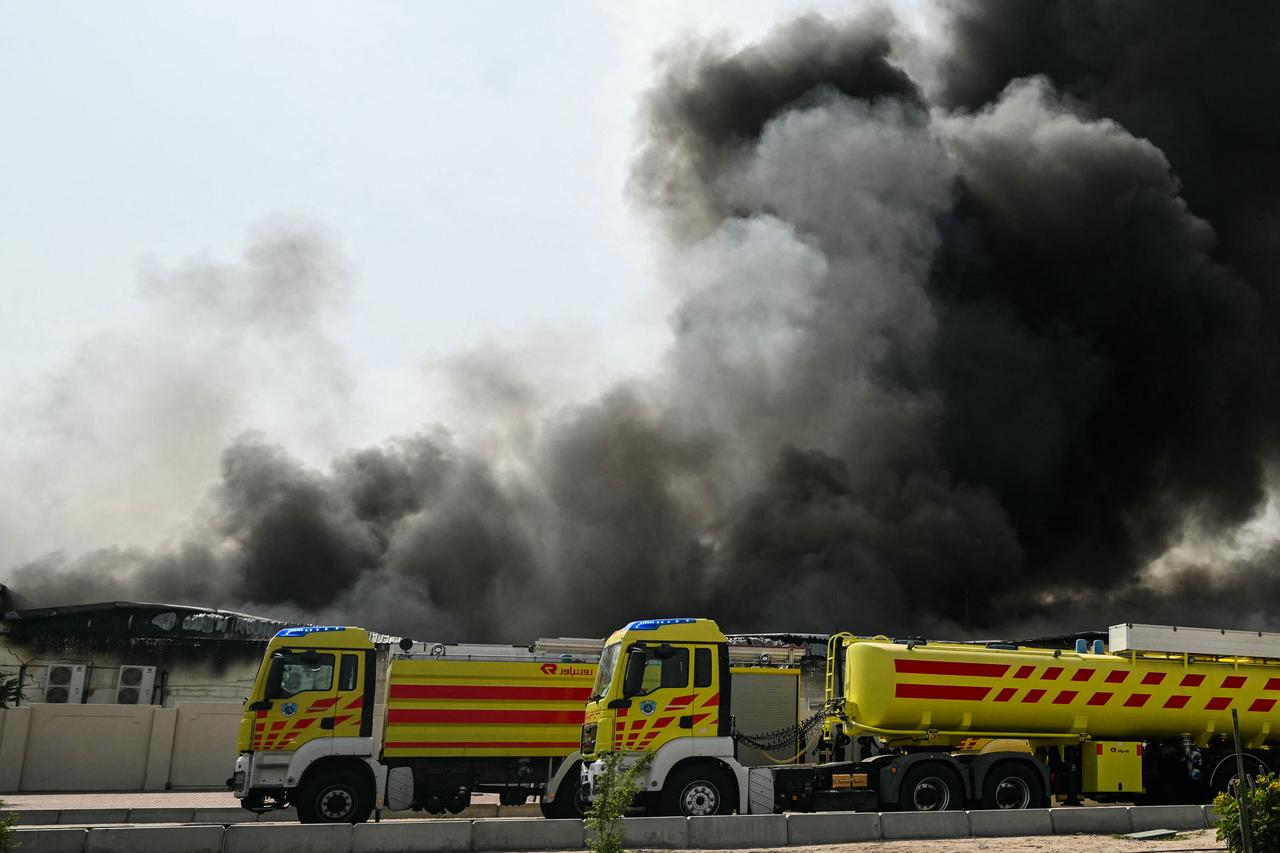

Muraikhi stressed that the targeting of Qatari territory with Iranian ballistic missiles constitutes a “blatant violation” of Qatar’s national sovereignty.
He said the attacks are inconsistent with the principles of good-neighborliness and cannot be accepted under any justification or pretext.
The minister also said Qatar has consistently sought to distance itself from regional conflicts and has worked to facilitate dialogue between Iran and the international community.
However, he added that the renewed targeting of Qatari territory does not reflect good faith and threatens the foundations of the understandings on which bilateral relations between the two countries were built.
Muraikhi also stressed the need for an immediate halt to escalatory actions, a return to negotiations and the prioritization of reason and wisdom while working to contain the crisis in a way that preserves regional security.
The foreign ministers he spoke with expressed concern over regional developments and called for de-escalation, prioritizing reason and returning to negotiations and diplomatic channels to prevent further chaos, the statement said.


 Set as preferred source
 Set as preferred source


 1 min read

 1 min read