Newsletters




Qatar pursued secret talks with Iran in an effort to shield its key Ras Laffan gas complex from attack during the recent regional conflict, according to a Washington Post report published Friday citing Middle Eastern and Western security officials.
According to the report, Qatari officials approached Tehran at the start of the war with a proposal under which Iran would refrain from targeting the Ras Laffan industrial complex while Qatar would voluntarily halt gas production, a move that could drive up global energy prices and increase economic pressure on the United States and Israel to shorten the conflict.
The report said Qatar presented what one senior regional security official described as a “secret deal,” offering to use its leverage over gas supplies to help bring the war to a rapid conclusion in exchange for a commitment from Iran not to attack Qatari territory.
A second official familiar with the intelligence reportedly said Qatar's message to Tehran was: "You will achieve your objectives without striking us."
The officials, who spoke on condition of anonymity, said their information was based on intercepted communications and other intelligence.

According to the report, Qatar did not receive a formal commitment from Iran. However, officials cited by the newspaper said subsequent developments suggested that the possibility of a tacit understanding remained in place, at least temporarily.
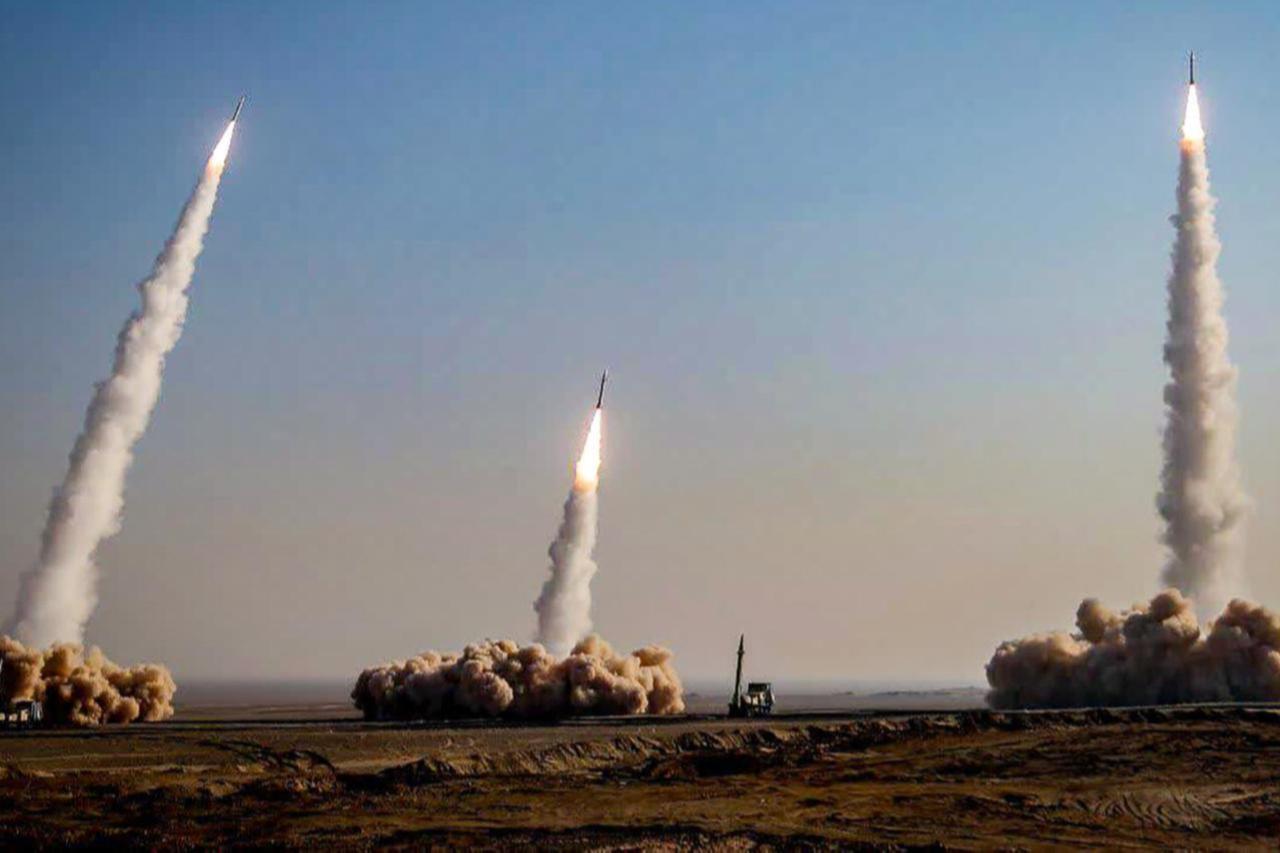
Qatar closed the Ras Laffan facility on the third day of the war as Iran launched hundreds of missiles and drones toward targets across the Gulf region.
Doha, however, denied pursuing any secret arrangement with Tehran, insisting that the suspension of production at Ras Laffan was driven solely by security concerns and the need to protect workers and critical infrastructure at one of the country's most important economic assets.
The report described Qatar's alleged back-channel diplomacy as an example of how Gulf states sought to shield themselves from the consequences of the region's most serious conflict in decades.
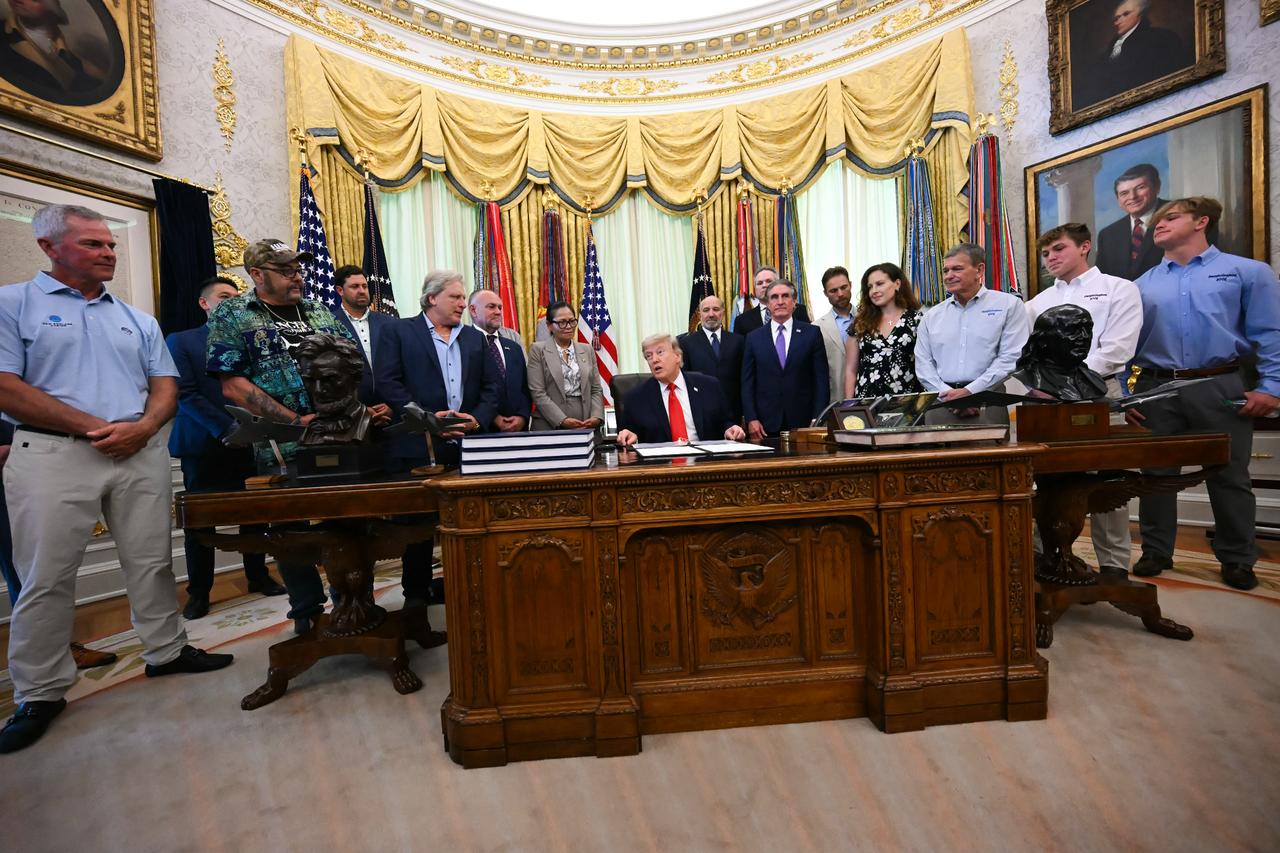
Separately, Qatar's Emir Sheikh Tamim bin Hamad Al Thani and U.S. President Donald Trump discussed progress in understandings reached between Washington and Tehran during a phone call on Thursday, according to a statement from the Emiri Diwan.
The two leaders reviewed bilateral relations and regional developments, with particular focus on diplomatic efforts to reduce tensions.
According to the statement, they also discussed the results of consultations between the United States and Iran that had led to progress on issues under negotiation.
The Qatari emir welcomed efforts to resolve disputes through dialogue and reaffirmed Qatar's support for initiatives aimed at promoting regional and international security and stability. He also thanked Trump for his efforts to support de-escalation.
The statement added that Trump said the understandings reached had received the approval of all relevant parties, with support from several regional partners, including Qatar, and that work was continuing on the final procedures before an agreement could be signed.
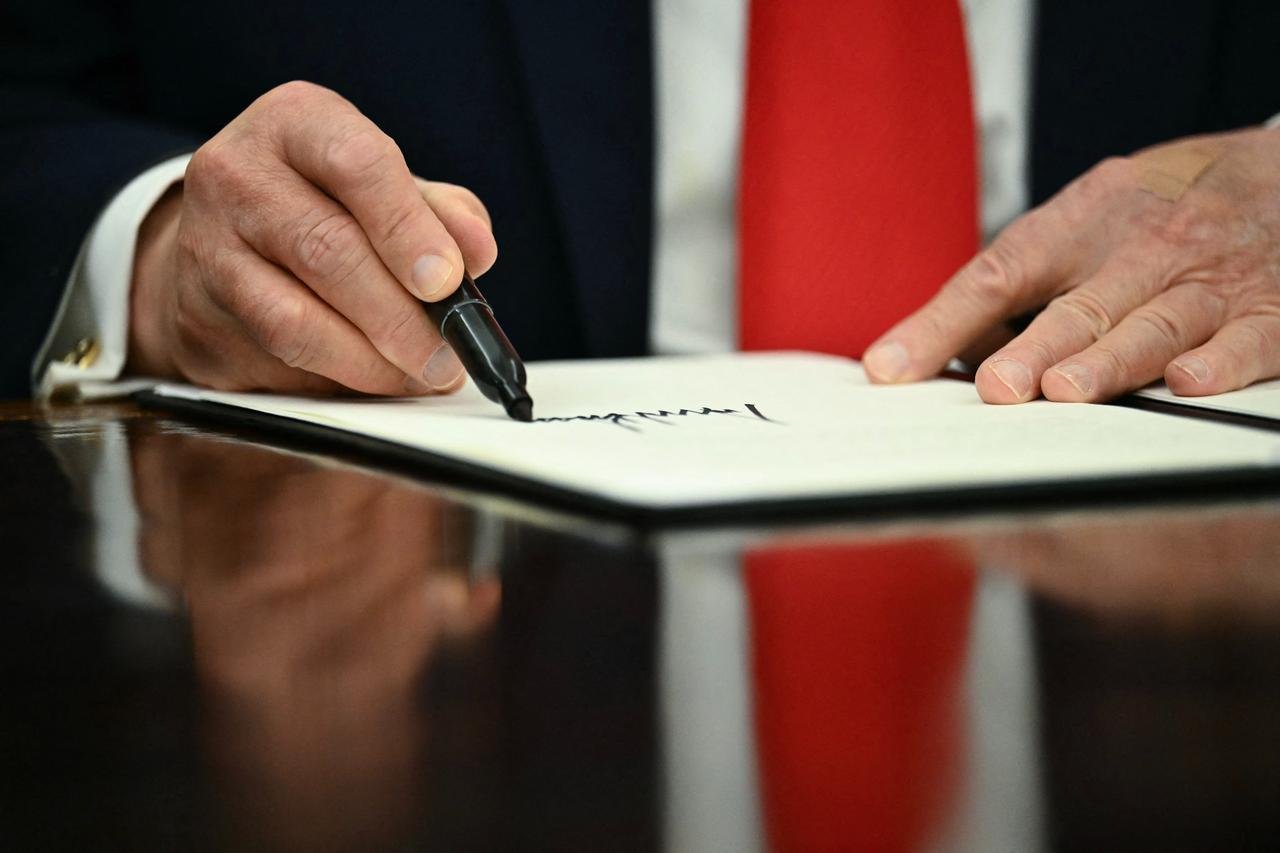
Earlier Thursday, Trump announced that he had cancelled planned strikes against Iran.
In a post on Truth Social, he said that discussions and final points have been, "in both concept and great detail," approved by all parties involved, including the United States, Israel and several regional countries.
He added that the naval blockade would remain in effect until the arrangement was finalized.
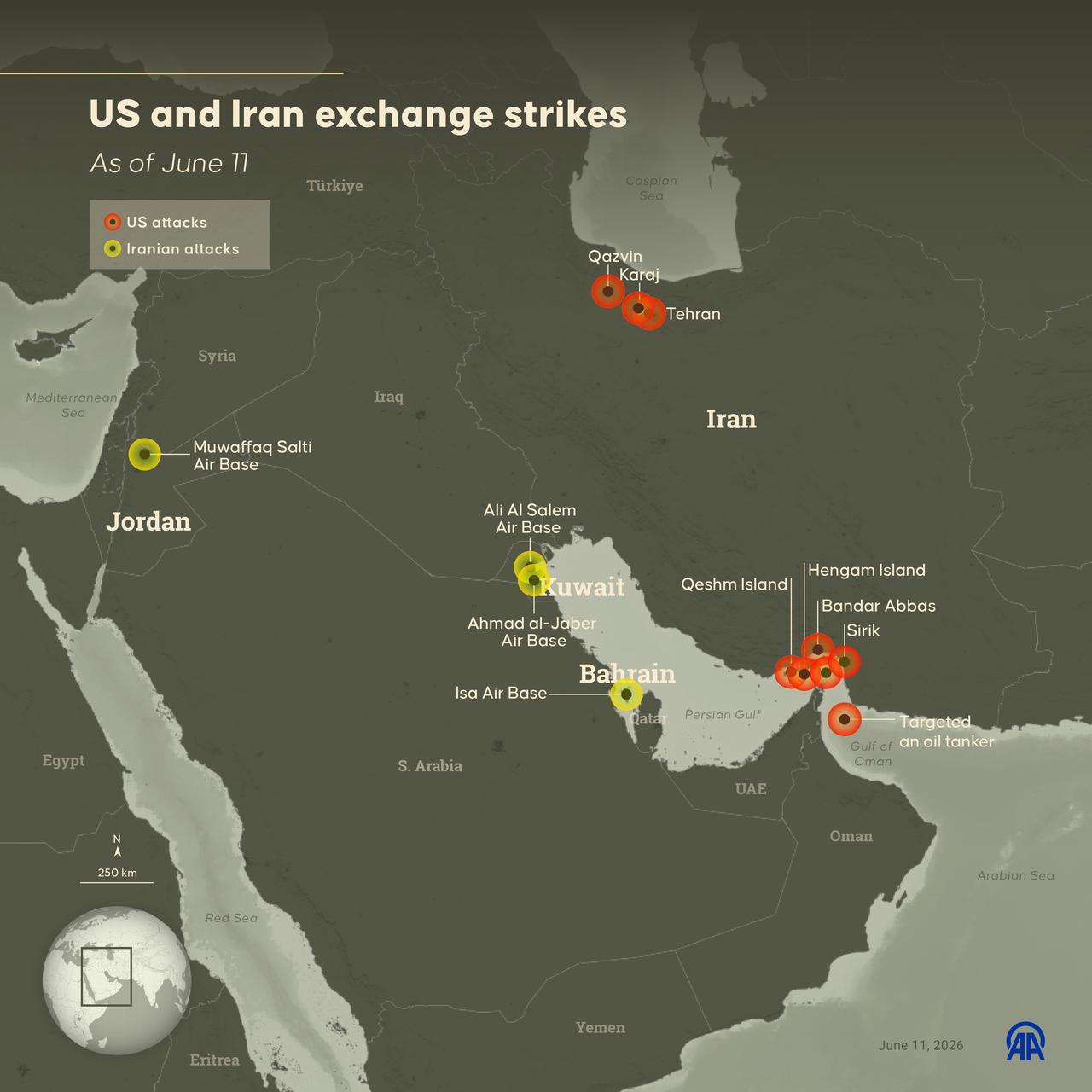
U.S. forces nevertheless carried out a second day of strikes against targets in Iran on Thursday following the downing of an Apache helicopter over the Strait of Hormuz.
Iran's Islamic Revolutionary Guard Corps, meanwhile, said it had struck 18 major U.S. military targets at bases in Kuwait, Bahrain and Jordan.
The latest escalation has further heightened tensions in the region after U.S. strikes on Iran and Tehran's subsequent announcement that it was closing the Strait of Hormuz to maritime traffic.


 Set as preferred source
 Set as preferred source


 1 min read
 1 min read