Newsletters


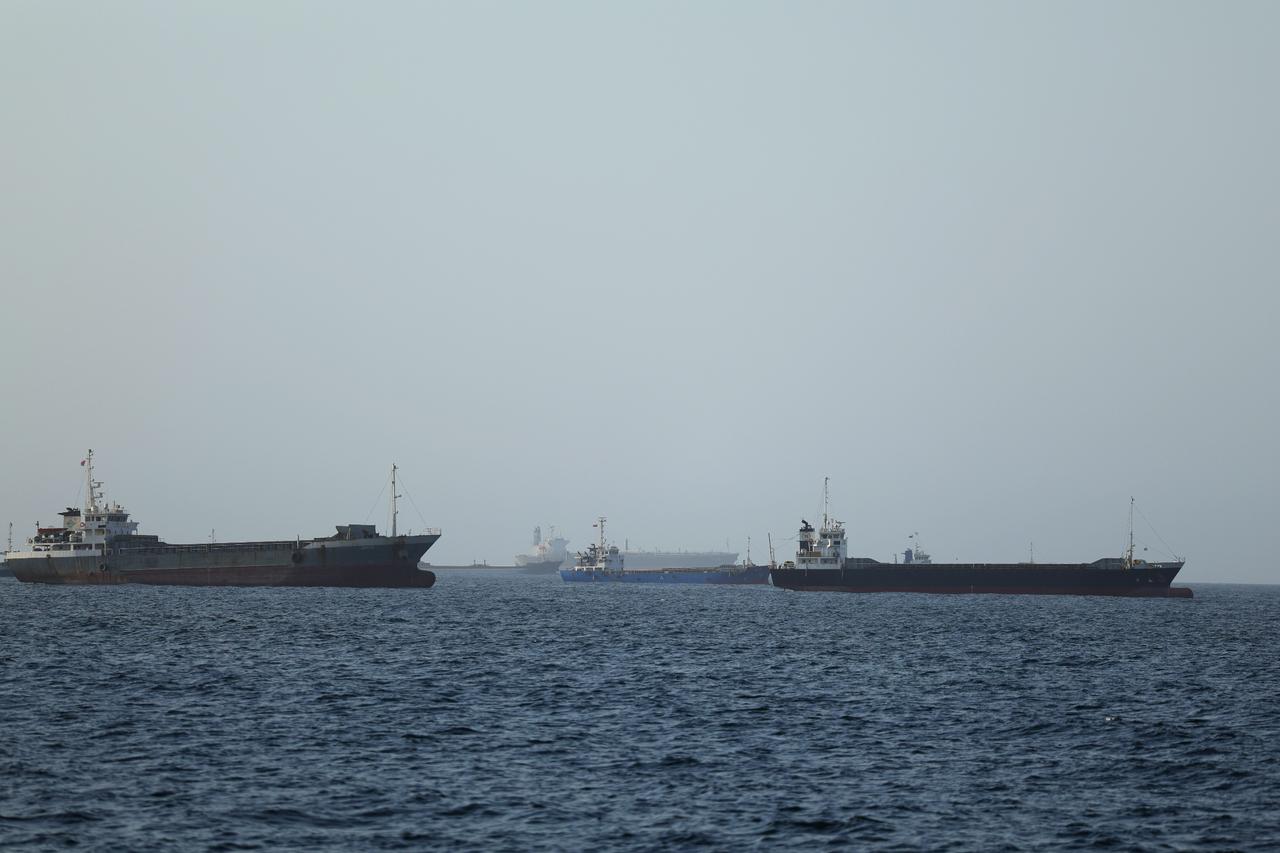


Qatar’s Emir Sheikh Tamim bin Hamad Al Thani on Tuesday called for doubled efforts to secure shipping in the Gulf and the Strait of Hormuz, saying Iran's attacks on Qatar were a "flagrant violation" of its sovereignty and that Gulf security "cannot be compromised."
"Efforts must be doubled to secure navigation in the Gulf and the Strait of Hormuz and to protect energy facilities and civilian infrastructure," the emir said at the opening of the Shura Council’s annual session, the first since the war with Iran began.
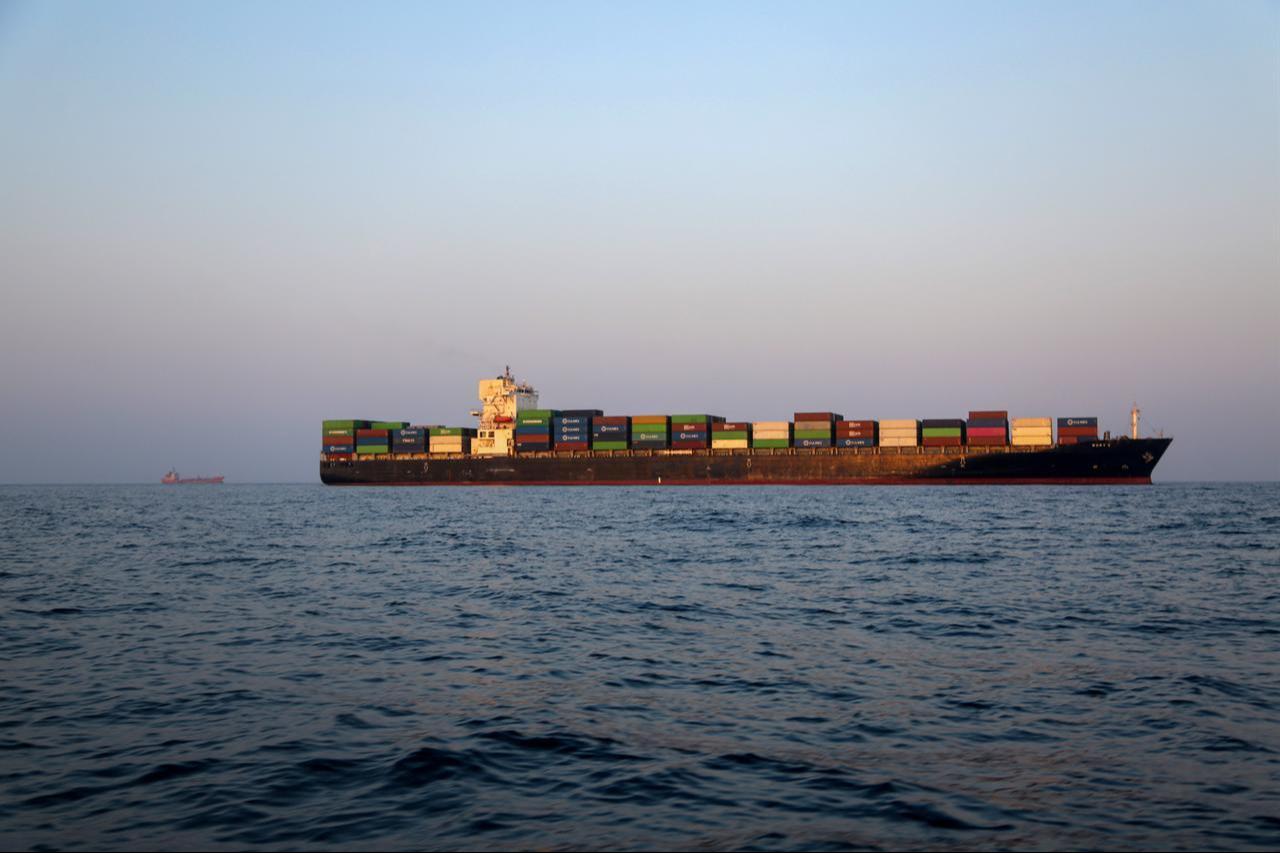
Qatar supplies about a fifth of global LNG trade, and the closure of Hormuz and damage to its Ras Laffan energy hub have disrupted much of its exports, with effects felt in markets worldwide.
"Qatar supplies around one-fifth of global LNG trade, and anything that affects it is quickly reflected in markets and consumers everywhere," Sheikh Tamim said.
He said the closure of the Strait of Hormuz and direct damage to energy facilities in Ras Laffan had disrupted a significant part of Qatar’s exports, though the economic impact was concentrated mainly in the energy sector.
Work on expanding the North Field gas development continues as planned, and the Golden Pass LNG project in the U.S. has made significant progress, he said.
"Our economy achieved real growth of 2.9% in 2025, and average inflation stabilized at 0.5%," the emir said, adding, "We must be ready for the worst possibilities, and everyone must bear their responsibilities, institutions and citizens."

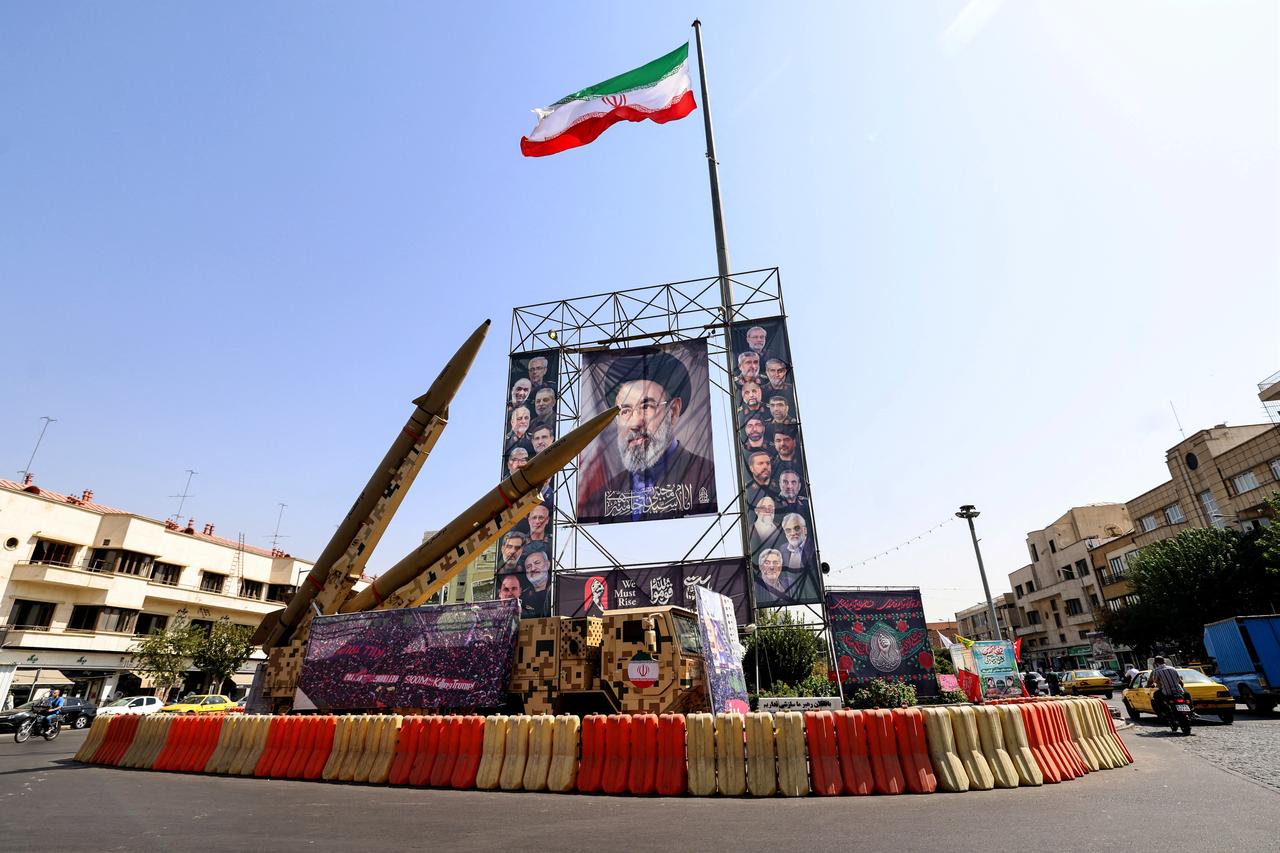
The emir said Qatar was attacked by Iran in a flagrant violation of its sovereignty, international law and good-neighborliness, and praised the armed forces and security services for defending the country.
"Resilience is not born at the moment of crisis but is the result of the planning that precedes it," he said.
"Our adherence to dialogue and peaceful solutions does not mean leniency in defending our country," he said, adding, "Our right to defend our sovereignty does not conflict with our keenness to prevent the war from expanding."
QatarEnergy halted LNG production in early March after drones struck facilities in Mesaieed and Ras Laffan, with Qatar’s Defense Ministry saying the drones originated from Iran.
The emir said Qatar's strategy rested on four elements: "defending the homeland firmly without being dragged into war," preserving services, supply chains, and economic life, contributing to efforts to stop the fighting and open waterways, and urging negotiation.
"We urge negotiation to reach peaceful solutions to the conflict," he said, adding, "Our will to build our homeland and preserve our people’s gains is solid and unbreakable."
"Our country and the region have faced exceptional events that have once again proven the cohesion of state institutions," Sheikh Tamim said, adding that Doha would emerge from the crisis more resilient and adaptable.
"The security of the Gulf Cooperation Council states and the preservation of their sovereignty are matters that cannot be compromised on," the emir said, calling for continued GCC cooperation and noting that regional and global security are intertwined.
"We will continue working with our brothers and our international and regional partners to keep our region stable and secure," he said.
Speaking on Gaza, the emir stated, "What happened in the Gaza Strip is genocide beyond dispute, and its perpetrators must not be allowed to escape accountability." "
"The Palestinian cause remains at the top of our priorities," he added, noting that the Israeli settler attacks on Palestinians in the West Bank take place under the protection of the Israeli army.
"We reaffirm our steadfast positions to find solutions to the crises in the region in Sudan, Libya, Yemen, and Somalia," he said.
Security analyst Rashid al-Mohanadi told Al Jazeera that Qatar’s air defenses intercepted 95% to 98% of missiles and drones.
"The hope is that after this war, which has been very challenging on the population, on the economy, Qatar will turn out more stronger, more resilient," he said, as Doha pushes for a safer Strait of Hormuz.


 Set as preferred source
 Set as preferred source


 1 min read