Newsletters




A former Central Intelligence Agency (CIA) operative with 26 years of experience, including leading covert action programs in the Middle East, warned Saturday that regime change in Iran is far more difficult than Washington assumes.
Writing in the Financial Times, Jonny Gannon warns that military success must not be mistaken for political transformation, cautioning that the United States risks sliding into an "open-ended campaign" that could ignite a full-scale regional war.
"After 26 years in operations with the CIA, including helping lead sizeable covert action programmes, my experience tells me there is no silver bullet here, least of all in covert action," Gannon wrote.
"Political culture cannot be redesigned from the air, and human nature cannot be remade from a conference room in Washington," he added.
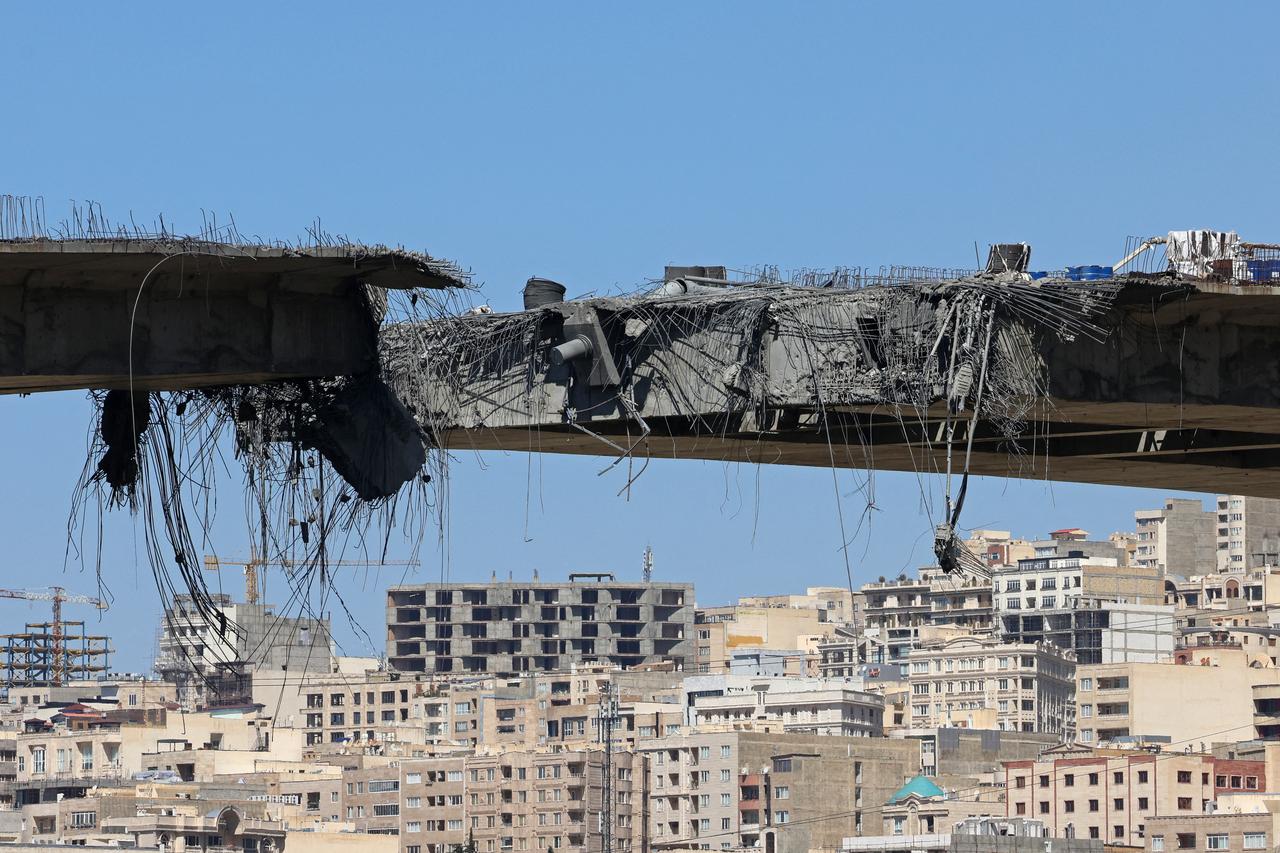

Gannon acknowledged that the U.S. and Israel have done "significant damage" to Iran's military and security apparatus, with senior commanders killed "at a pace rarely seen in modern warfare." He called these "real achievements."
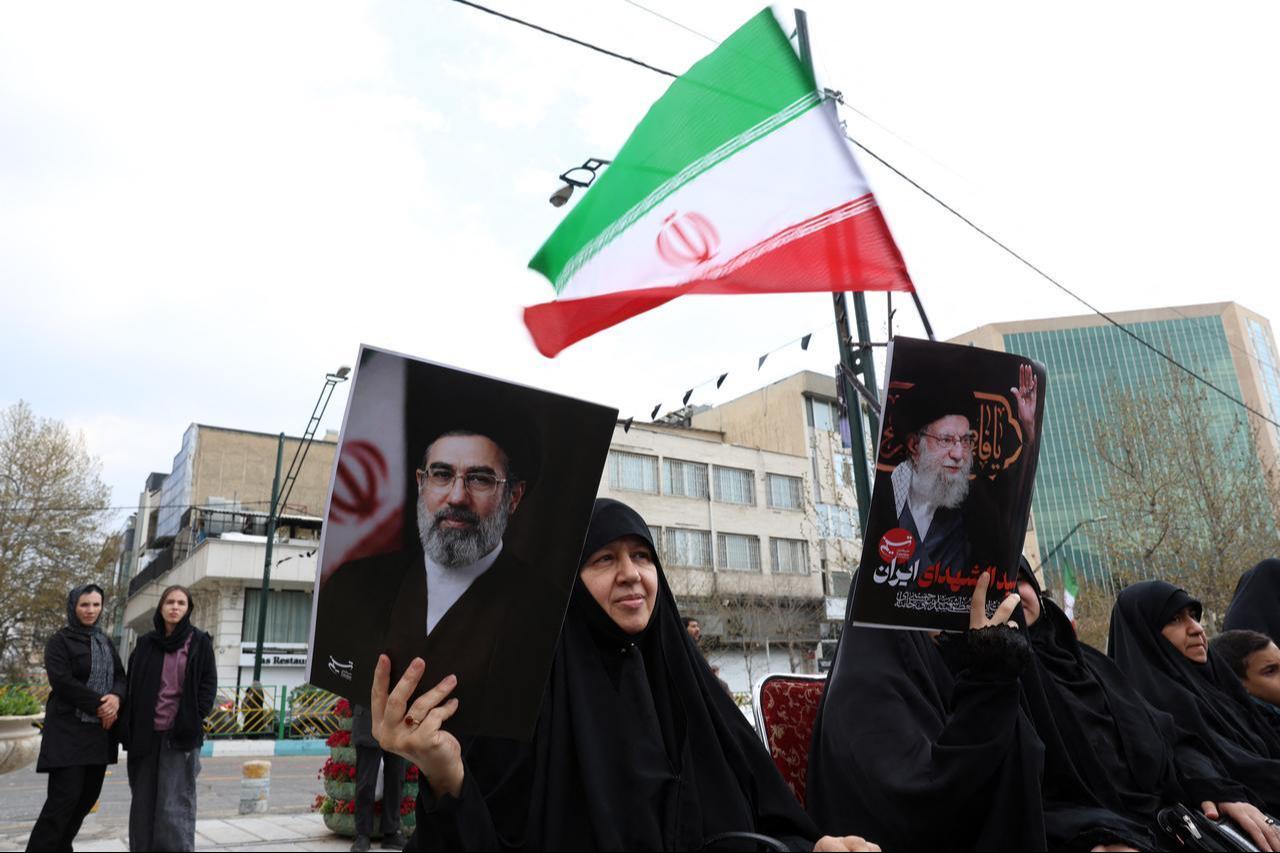
But he warned that the Islamic Republic's core coercive institutions remain sufficiently intact to shape its succession and survival. He cited scholar Karim Sadjadpour's observation that the Revolutionary Guard and the military are working to ensure the regime's survival because it serves their economic interests.
"The question now is whether we understand Iran well enough to influence its fracture without owning the collapse," Gannon wrote.
Gannon said America's Gulf partners, especially the UAE, have no interest in being left across the water from a cornered regime. He warned a prolonged war would raise costs sharply through repeated missile and drone threats, disruption to shipping and insurance in the Strait of Hormuz, pressure on investor confidence and the risk of Iranian covert retaliation on Emirati soil.
"Their concern is not only whether the Islamic republic survives, but whether it survives angry, cornered, and even more dependent on asymmetric retaliation," Gannon wrote.
He said the U.S. intelligence community would need to prepare for "a return to a cold war with the Islamic republic that could involve lethal operations directed at American officials."

Gannon said there is no cohesive opposition prepared to take power. The Iranian diaspora is fractured. The Mujahideen-e-Khalq (MEK), an exiled opposition group, has "controversial internal practices and little credibility inside Iran" and is "not a viable vehicle for legitimacy."
He acknowledged Reza Pahlavi, son of Iran's last shah, as "the most recognisable opposition name abroad" but cautioned that "prominence is not the same as power and he does not yet command the loyalty of the security or military institutions that would determine any serious transition."
Gannon drew on history, citing the 1953 CIA-British coup that removed Prime Minister Mohammad Mossadegh and the 1954 U.S.-backed overthrow of Jacobo Arbenz in Guatemala.
"Covert action can help topple a leader. It rarely builds legitimacy, institutions or a durable political order," he wrote.
"And the consequences, backlash, repression, instability or long-term anti-American grievance, can arrive years later," he added.
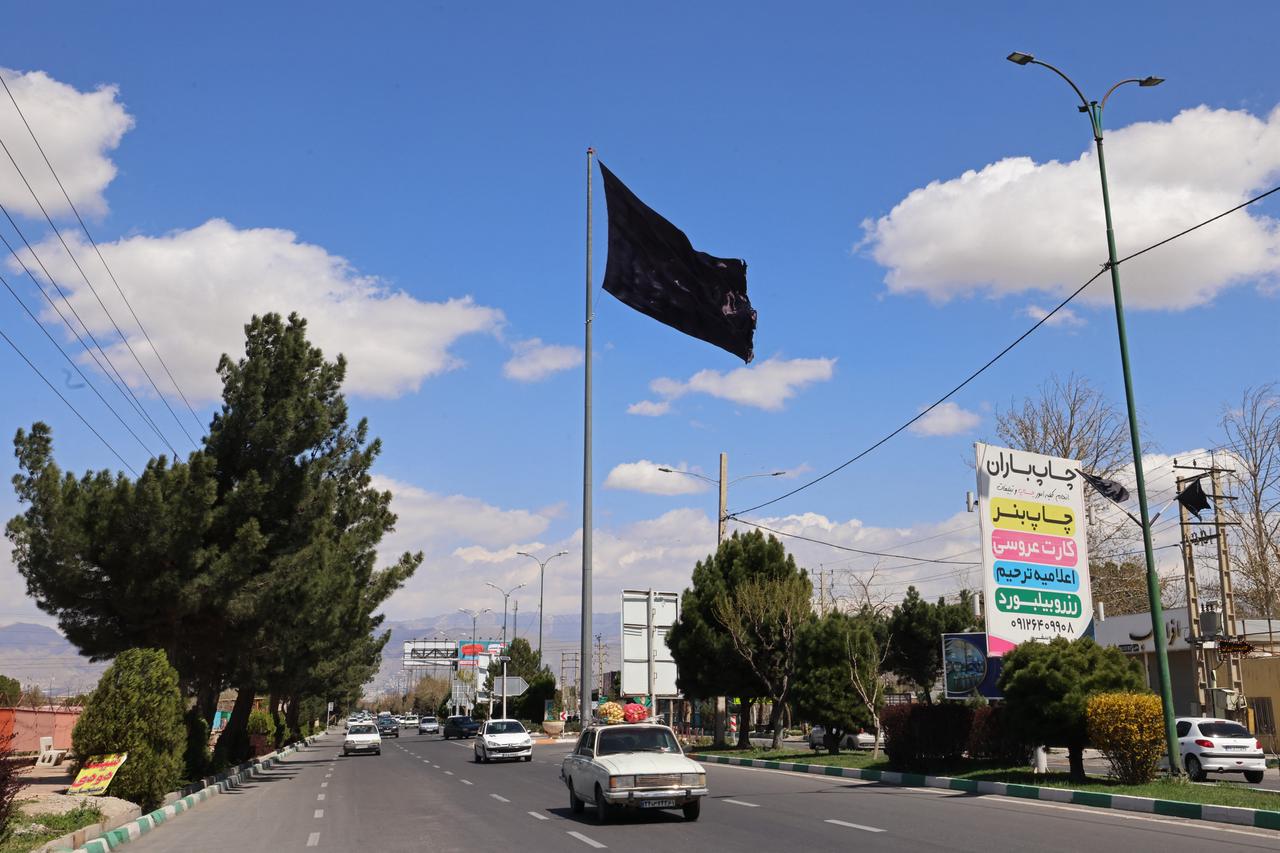
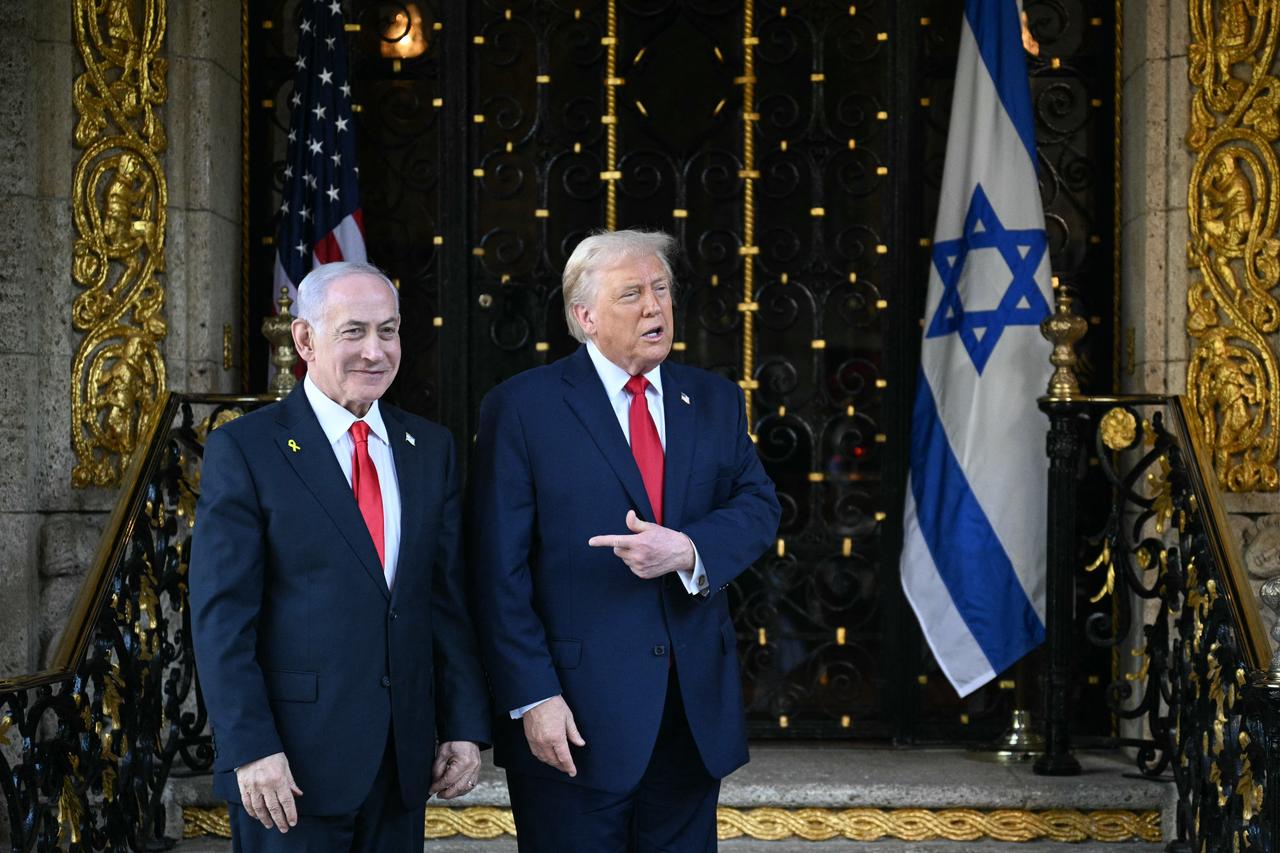
Gannon called on Washington to resist the temptation to move beyond Trump's stated objectives and advocated "strategic patience", continuing to degrade the regime's capabilities while dialing down bombing "at the earliest opportunity so as not to harden civilian sentiment or squander goodwill."
He said Washington should allow the investigation into the bombing of a school in Minab to run its course.
"If it is ultimately determined that the United States was responsible, Washington should acknowledge the mistake and apologise. That is both morally right and strategically wise," he wrote.
He urged continued close consultation with Gulf allies "who will be left to manage the consequences long after the kinetic phase ends."
"Iran may yet change. In fact, this is likely," Gannon added, concluding with, "But history suggests it is far easier for the United States to weaken this regime than to shape what comes next."


 Set as preferred source
 Set as preferred source


 3 min read