Newsletters


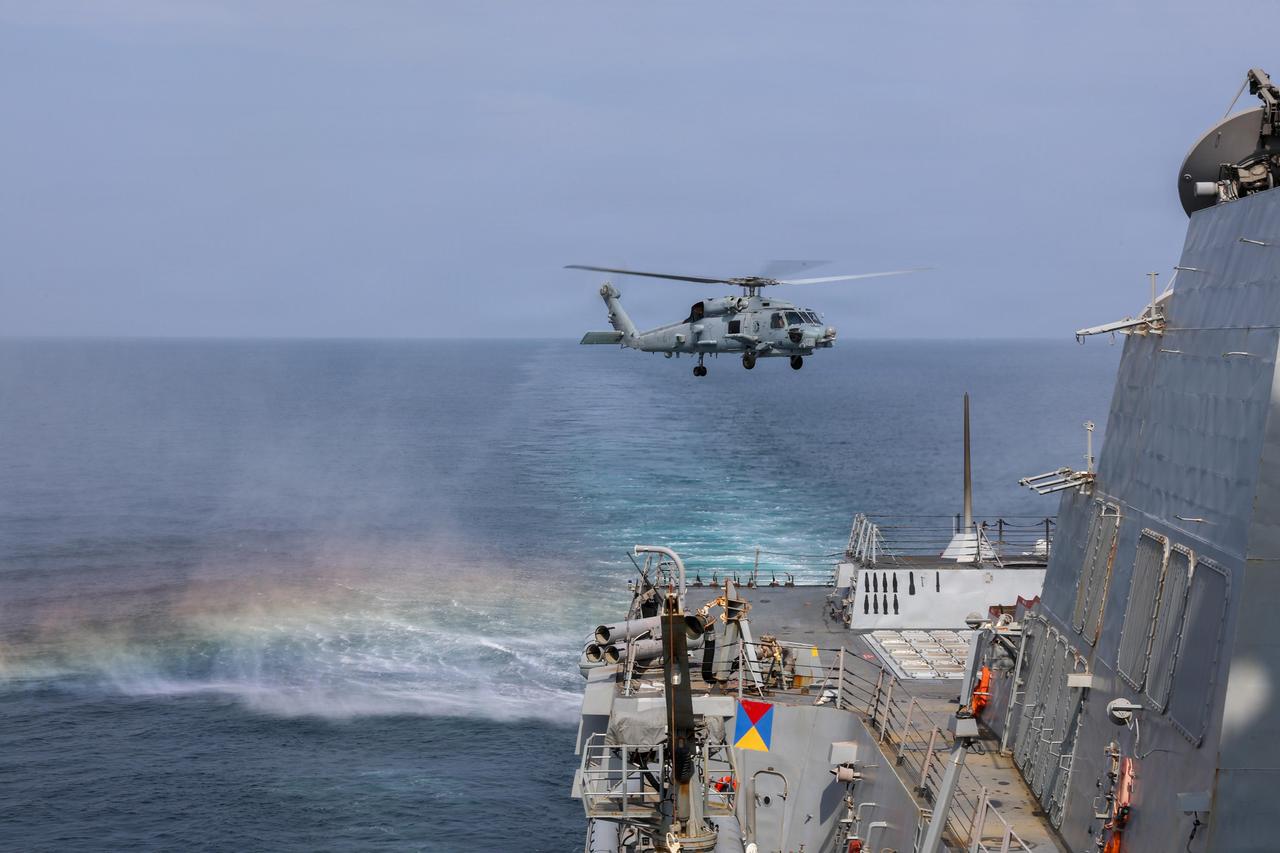


The Pentagon estimates Iran has been denied nearly $4.8 billion in oil revenue since the U.S. blockade began on April 13, with 31 tankers carrying 53 million barrels of Iranian oil stuck in the Gulf of Oman and unable to deliver their cargo.
Analysts warned Iran was "several weeks, or perhaps as much as a month" from running out of storage capacity, with U.S. Central Command (CENTCOM) confirming that 45 vessels had been redirected under the blockade.
Pentagon officials speaking to Axios said 31 tankers laden with 53 million barrels of Iranian oil were currently stuck in the Gulf with a value of at least $4.8 billion.
Two ships have been seized outright by the U.S.
Unable to fill new tankers as on-land storage facilities approach capacity, Iran has begun using older tankers as floating storage. Some tankers are taking "a costlier and longer route to deliver oil to China for fear of U.S. maritime interdiction," officials said.
TankerTrackers.com co-founder Samir Madani said the large Iranian tanker named "HUGE" had demonstrated one evasion method, hugging the coasts of Pakistan and India toward the Malacca Strait of Malaysia, where crude is transferred to other ships bound for China.
Madani warned of a potential mass evasion attempt, "I think the Iranians will wait for an opportunity to launch an overnight 'Great Escape' once they have built up even further storage near the border with Pakistan."

Gregory Brew of the Eurasia Group told Axios, "They're probably several weeks, or perhaps as much as a month, away from running out of storage." When storage is exhausted, Iran would have no choice but to shut down oil wells, causing long-term damage to fields with low-pressure geology.
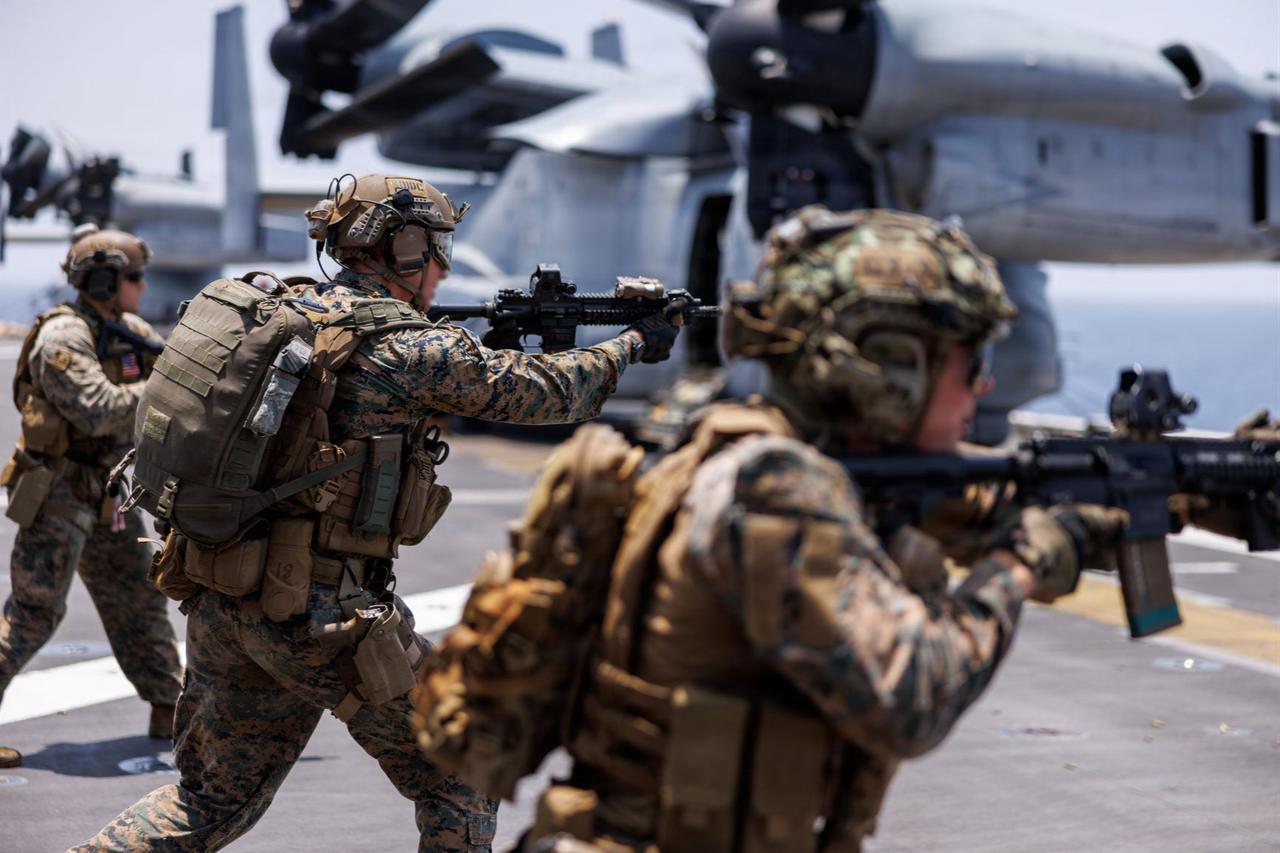
Acting Pentagon press secretary Joel Valdez said, "The United States' blockade in the Strait of Hormuz is operating with full force and delivering the decisive impact we intended. We are inflicting a devastating blow to the Iranian regime's ability to fund terrorism and regional destabilization."
"Our Armed Forces in the region will continue to maintain this unrelenting pressure," he added.
CENTCOM confirmed that 45 commercial vessels had been redirected under the blockade, up from the 44 reported earlier.
 1 min read
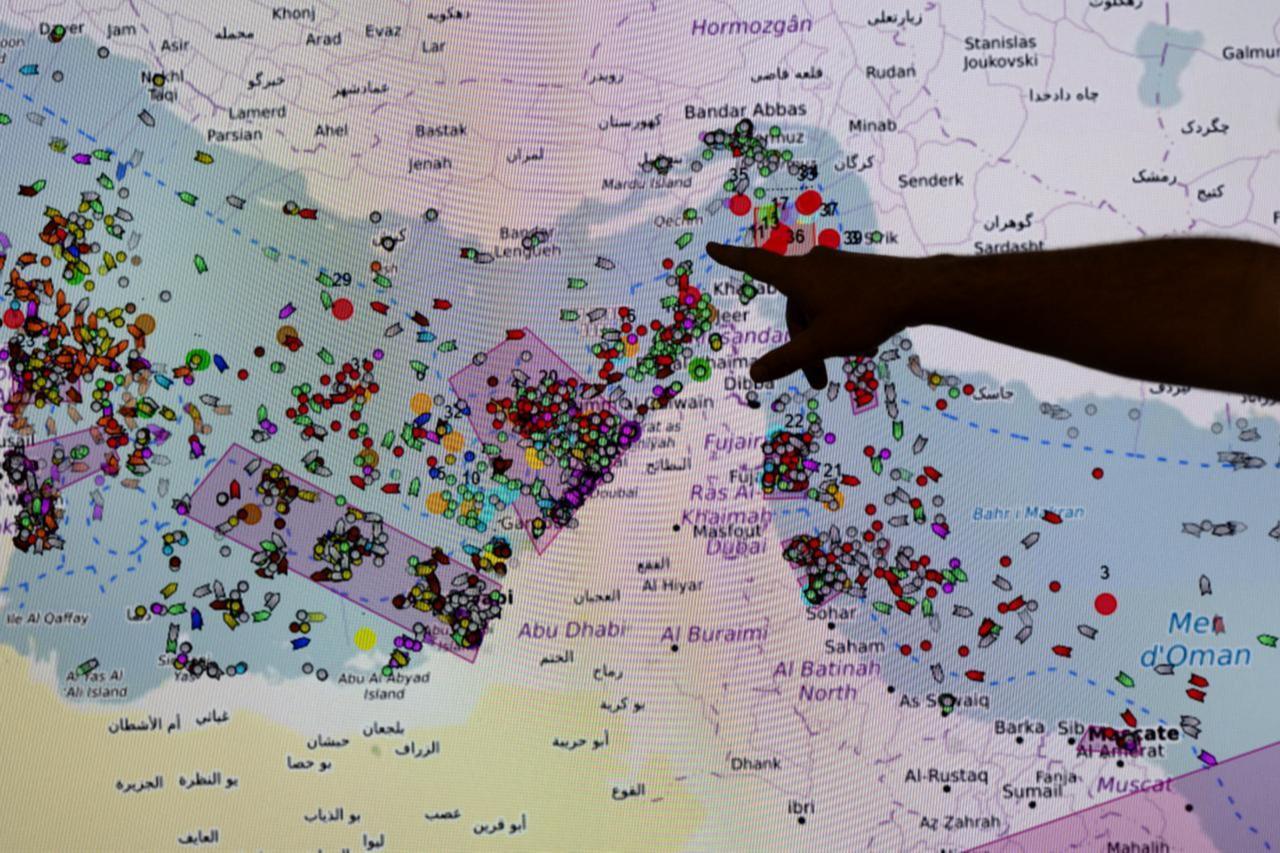
The U.S. and Israel began strikes against Iran on Feb. 28, prompting retaliation from Tehran against U.S. allies in the Gulf and the closure of the Strait of Hormuz.
A ceasefire was announced on April 8 through Pakistani mediation, followed by talks in Islamabad on April 11-12, but no agreement was reached.
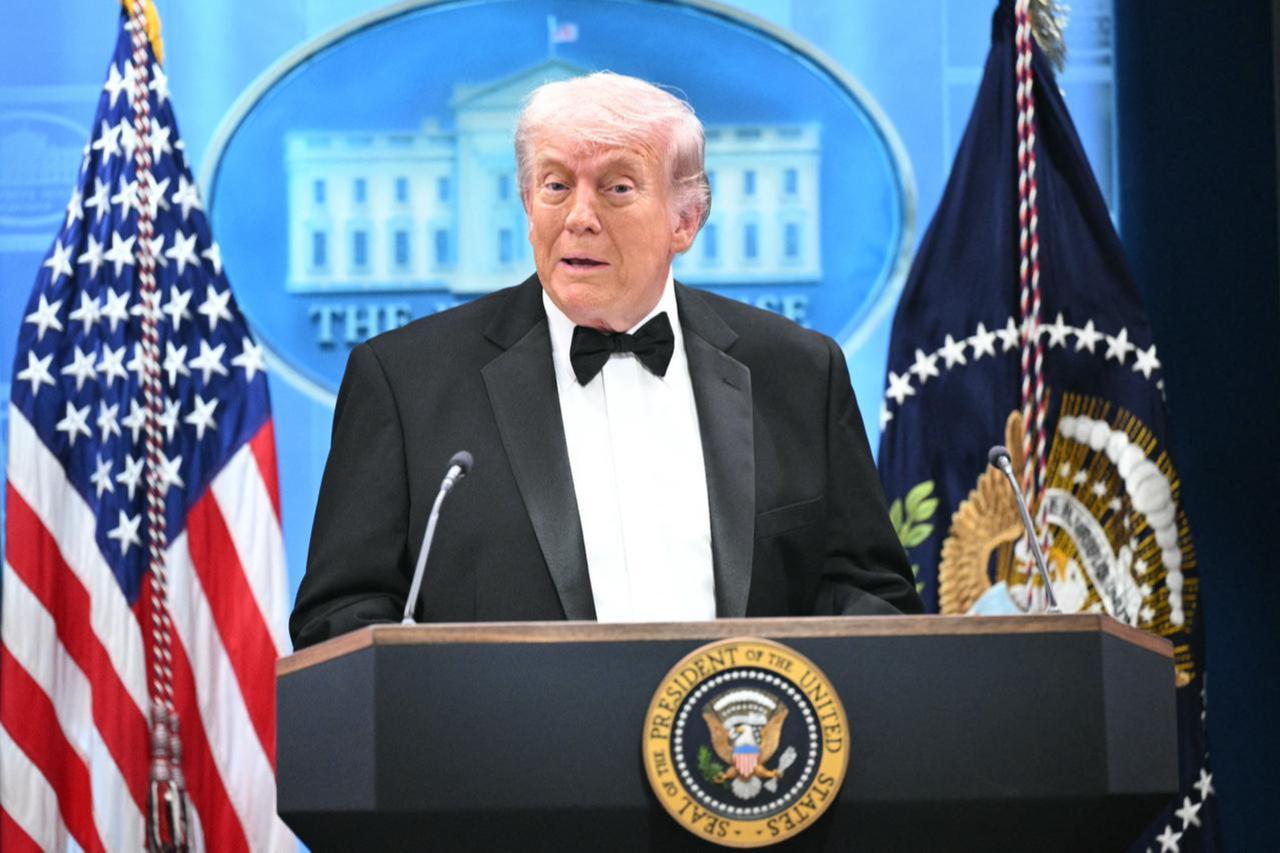
Trump later unilaterally extended the truce without setting a new timeframe, at Pakistan's request.
Meanwhile, reports indicated that the Trump administration is seeking to form an international coalition to restore maritime traffic in the Strait of Hormuz. Since April 13, the U.S. has enforced a naval blockade targeting Iranian maritime traffic in the waterway.


 Set as preferred source
 Set as preferred source


 1 min read