Newsletters


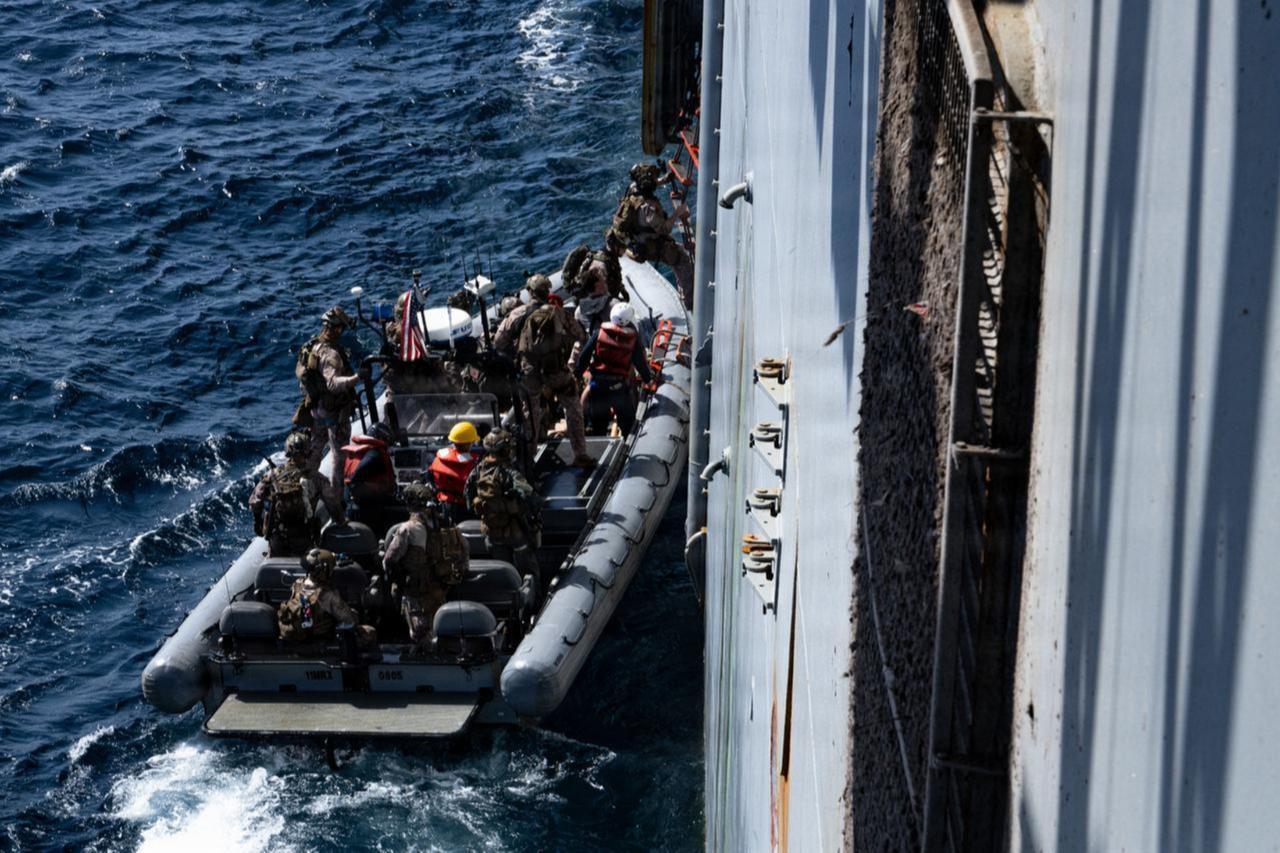


Iran has abandoned its central precondition for returning to negotiations, dropping its demand that the United States end its blockade of Iranian ports before talks could resume, and has expressed readiness to meet in Islamabad as early as Monday, people familiar with the matter told the Wall Street Journal.
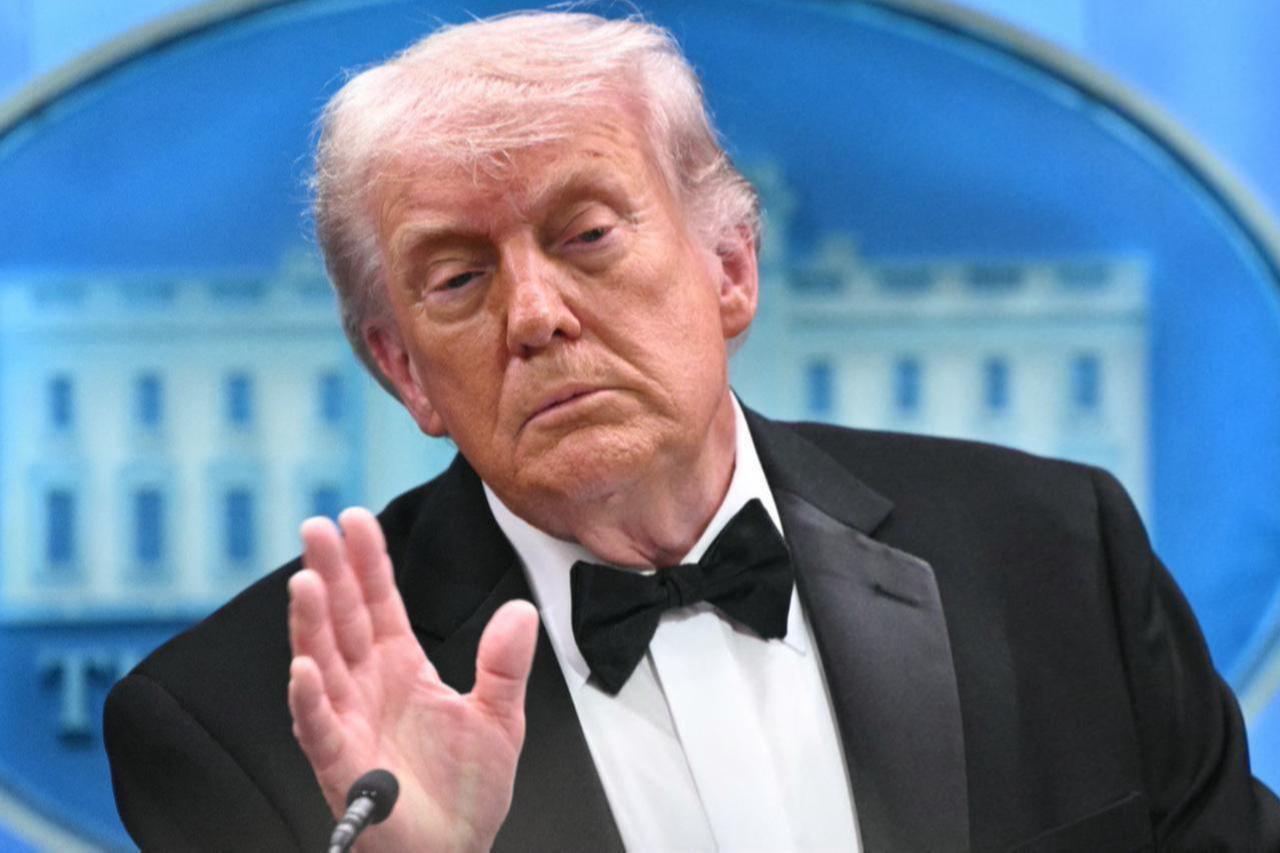
In place of a full lifting of the blockade, Tehran has settled for U.S. guarantees, a significant shift that clears one of the most stubborn obstacles to restarting diplomacy. President Trump, speaking to reporters Friday, signaled cautious skepticism. "They want to make a deal, but I'm not satisfied with it," he said. "We'll see what happens."
The two sides remain deeply divided on core substantive questions, though both have continued exchanging messages through intermediaries including Pakistan, Qatar, Egypt and Türkiye, and neither has ruled out negotiations.

The revised Iranian proposal marks a meaningful tactical retreat from Tehran's previous stance. Iran had earlier insisted the United States drop its blockade of Iranian ports as a hard precondition before any discussions could begin, and had demanded agreement on ending the war before the strait and nuclear issues could even be addressed.
Under the new framework, Iran is prepared to discuss conditions for reopening the Strait of Hormuz simultaneously with U.S. guarantees to end hostilities, rather than requiring concrete action first. The proposal then links discussions on Iran's nuclear file to American sanctions relief.
Iranian state media confirmed Tehran had submitted a new proposal to mediators and said the country is willing to return to diplomacy if Washington tones down its rhetoric. Hopes for an earlier U.S.-Iran meeting in Pakistan fell through after Iranian Foreign Minister Abbas Araghci traveled twice to Islamabad but Trump canceled sending his top aides when Tehran failed to confirm it was willing to meet.
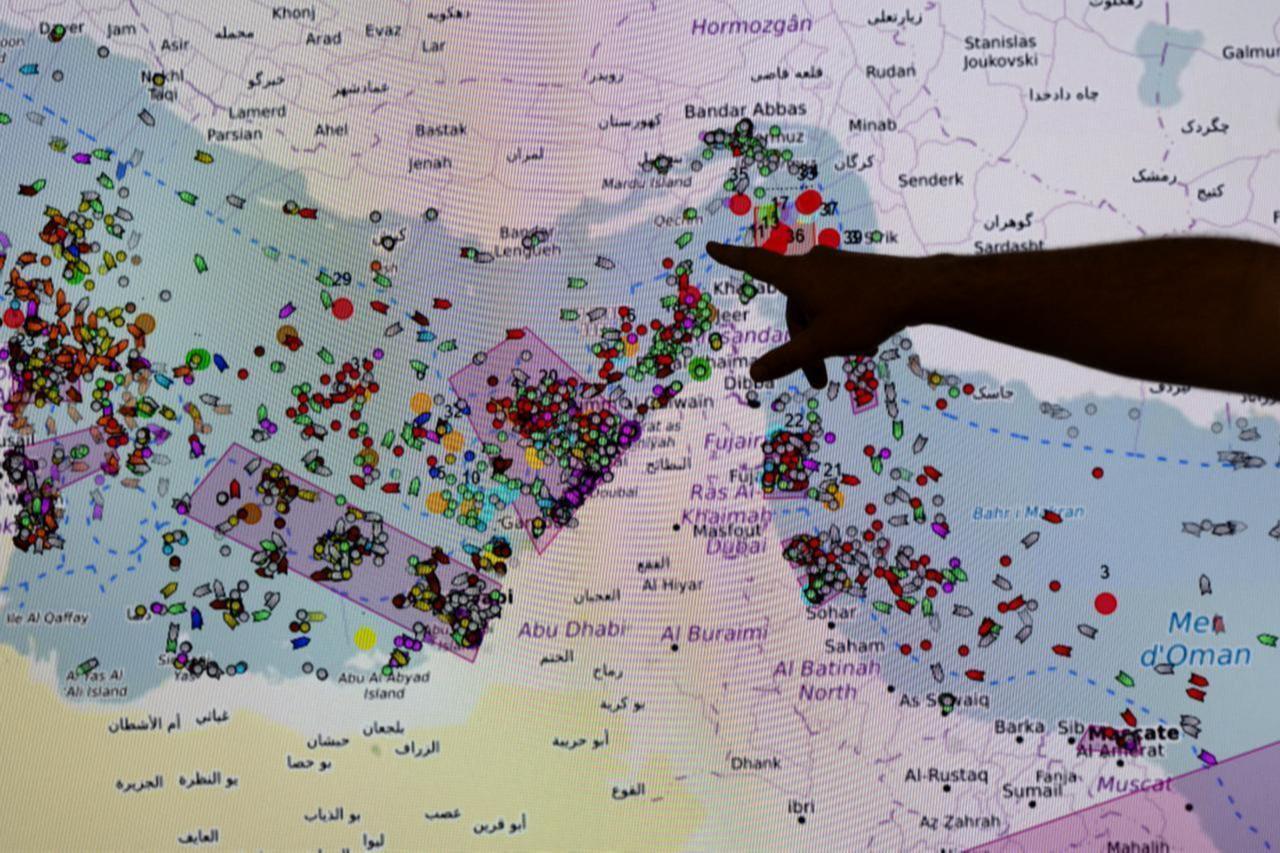
The diplomatic push comes as both nations absorb the mounting costs of a prolonged standoff in the waters around Iran. Tehran has effectively closed the Strait of Hormuz for weeks through sustained attacks on tankers and commercial shipping, blocking the passage through which roughly a fifth of the world's oil supplies flow. The disruption has kept benchmark Brent crude futures above $100 a barrel.
The United States responded last month by imposing a blockade on Iranian ports and vessels, designed to squeeze Tehran's primary source of foreign currency. Trump has directed aides to prepare for an extended blockade, according to U.S. officials. Commercial shipping remained paralyzed near the strait, with vessels anchored in the Gulf of Oman awaiting resolution.
On Friday, the U.S. Treasury Department's Office of Foreign Assets Control warned shipowners against paying tolls to Iran for safe passage, whether directly or through informal swaps or in-kind payments, including donations to Iranian organizations such as the Iranian Red Crescent Society.
 1 min read

As the two governments inch toward a possible meeting, the nuclear question continues to shadow every aspect of the negotiations. Washington is seeking a halt to Iran's enrichment of nuclear fuel for up to 20 years and the surrender of Tehran's stockpile of highly enriched uranium, terms Iran has flatly rejected. Tehran has said it is not prepared to offer meaningful concessions on its nuclear program and, in a proposal submitted last weekend, insisted that nuclear issues be addressed only after all questions surrounding the strait and the end of hostilities had been settled.
The White House confirmed the broad contours of the talks without elaborating. "We do not detail private diplomatic conversations," spokeswoman Anna Kelly said. "President Trump has been clear that Iran can never possess a nuclear weapon, and negotiations continue to ensure the short- and long-term national security of the United States." Iran's Foreign Ministry did not immediately reply to a request for comment.


 Set as preferred source
 Set as preferred source


 1 min read