

 Newsletters


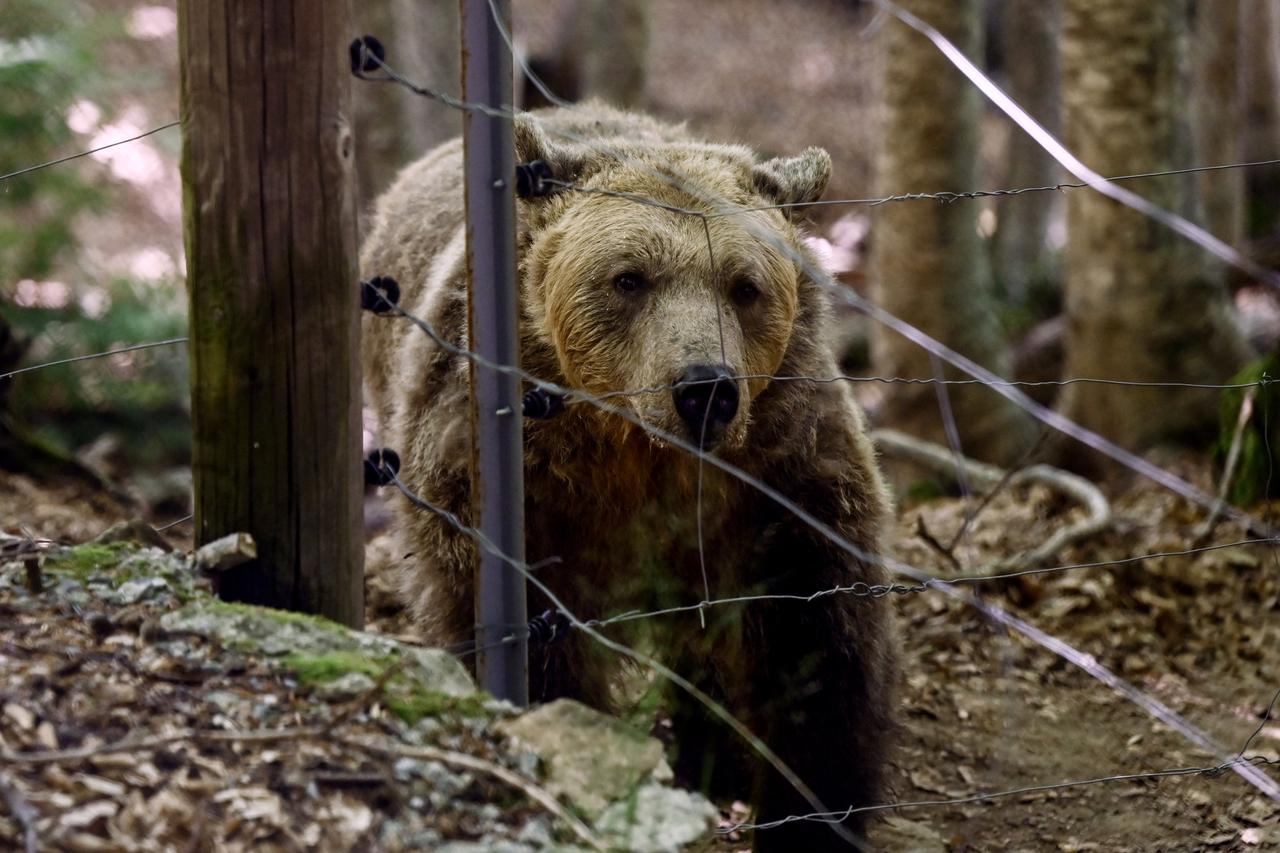


Greece faces an intensifying human-wildlife conflict as its protected brown bear population doubles, sparking rural protests and illegal animal killings. The population of brown bears in Greece's mountainous Western Macedonia region has grown steadily over the past few decades due to hunting bans and other rigorous conservation efforts.
The 900 bears counted in a 2025 survey by Greek authorities represent almost twice the figure recorded in a previous survey six years ago. This population boom has caused a surge in complaints from farmers regarding damaged crops, and from residents experiencing bear incursions into inhabited areas, sparking angry social media exchanges with conservationists defending the animals' protected status.
Living in a mountain village in northern Greece, retired furrier Dimitris Despas is no stranger to brown bear encounters, including a recent sighting in the garden of his home in Kleisoura, just east of the city of Kastoria.
"A few days ago, a bear was roaming here in the village’s central square at dusk. Another animal injured a fellow villager, thankfully only lightly. We’re now afraid to leave our homes," Despas stated.
In the Kastoria prefecture alone, forestry services received over 300 complaints from citizens reporting bears in residential zones between 2025 and last month.
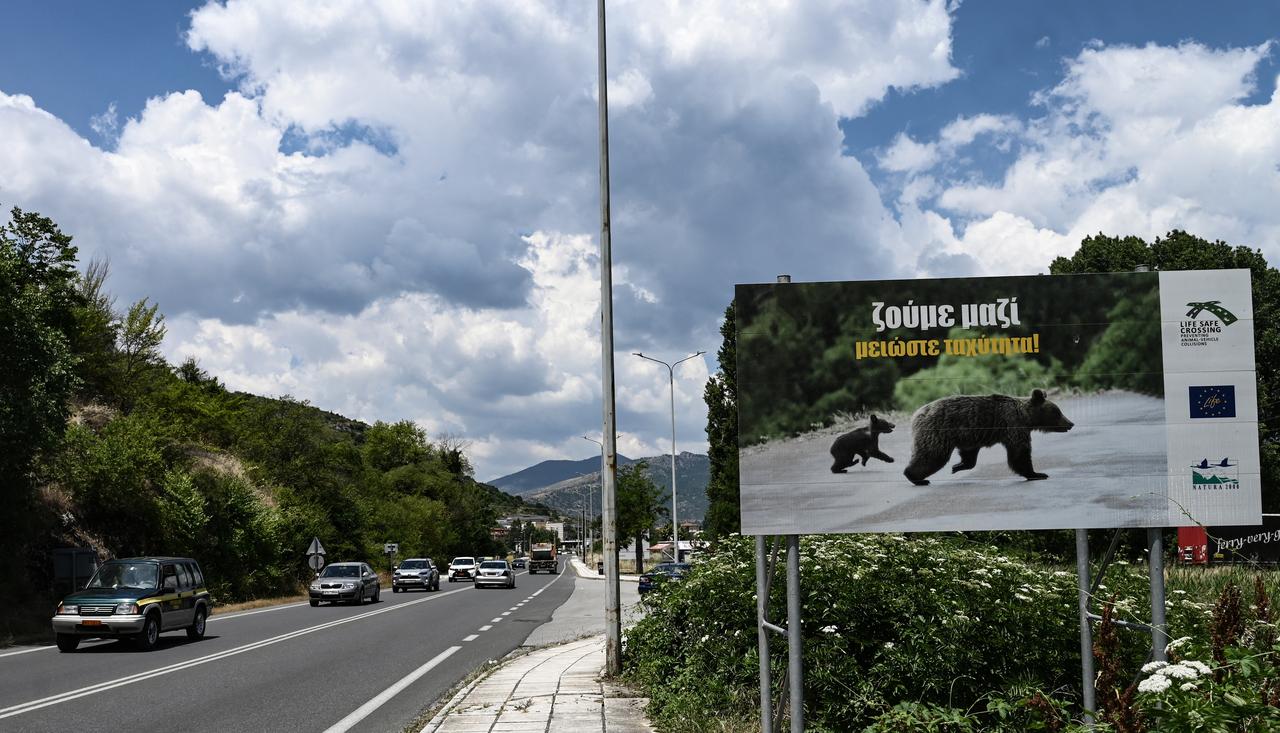

More than 2,000 people in Kastoria have joined a Facebook group titled "Not living with bears." It shares stories of encounters and pressures state authorities to take action.
"We are in danger," said one group administrator, Dimitris Mitsopoulos. Bears have been photographed outside schools at times when children are inside, he added.
The bears "are in the wrong place. They are wild beasts; they are not pets for us to be able to say that we live together," the 53-year-old graphic designer remarked.
The confrontation escalated dramatically in June when three bears were found dead within two days in Western Macedonia, according to prominent wildlife organizations Arcturos and Kallisto. One of the animals was a recently rewilded young female. Two of the bears suffered fatal gunshot wounds, while the third—named Circe, who had been rescued and nurtured for a year by Arcturos—apparently ingested poisoned bait, the organization stated.
Further south, in the town of Grevena, 48-year-old Lefteris Zioutis regularly posts images of encroaching bears on social media.
"More than 10 bears are moving about around our town, frequently entering urban areas," the works contractor and self-styled nature lover told Agence France-Presse (AFP). "A few days ago, they were wandering near the city’s library and cinema," said Zioutis, who estimates that he has photographed more than 100 different bears since early 2025. "Because of the increase in the population, people are now very disturbed. Damage is being done to farmers, livestock breeders and beekeepers," he added.
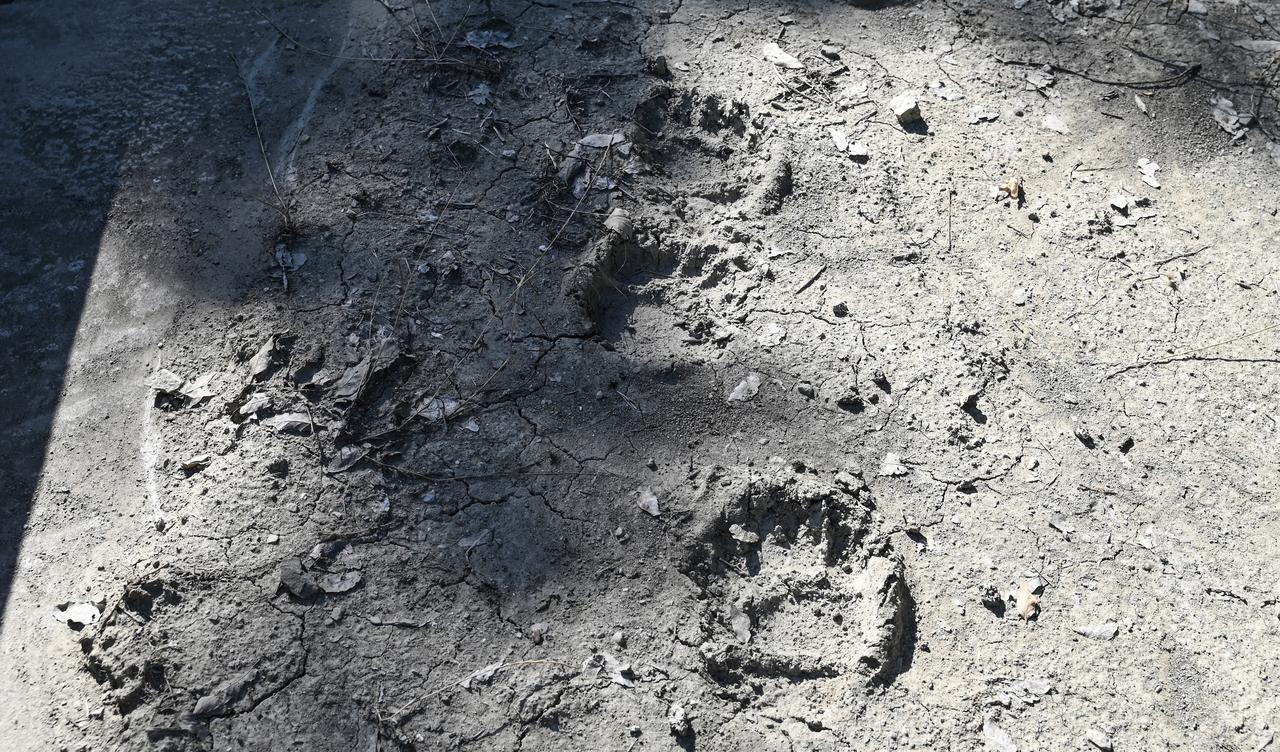
Iason Bantios, spokesperson for the Callisto wildlife group, said animal damage to crops and livestock is a longstanding issue.
"We understand the concerns of residents in affected areas, but what we tell them is that, with proper information and preventive and deterrent measures, the phenomenon of bears approaching inhabited areas can be drastically reduced," he said.
"Under no circumstances, however, can this concern serve as a vehicle for promoting views that call for the adoption of lethal and illegal methods against bears, as we recently saw in Western Macedonia," he said.
The Arcturos sanctuary in Nymfaio, 1,350 meters (4,450 feet) up the slopes of Mount Vitsi, about 600 kilometers (375 miles) northwest of Athens, hosts 20 bears.
Originating from Greece and other countries, most were dancing bears in captivity, or animals that lived in zoos. Some were orphaned cubs.
Data show that bears are recolonizing areas from which they had disappeared for decades during the 20th century.
But urbanization, changing land use and the abandonment of grazing and other traditional farming practises appear to have significantly reduced available food sources, the wildlife groups noted. The human presence, which in the past acted as a deterrent to bears approaching inhabited areas, has also fallen.
"Greece has done well in the field of protection, as wild animal populations have recovered," said Arcturos Director Alexandros Karamanlidis.
"But this success also creates obligations, since we now need to manage the interactions between animals and humans," he said.
"Generations of animals have grown up finding food of high nutritional value more easily near residential areas. We are heading, with mathematical certainty, towards more unpleasant situations," Karamanlidis said.


 Set as preferred source
 Set as preferred source


 1 min read

 1 min read


