Newsletters


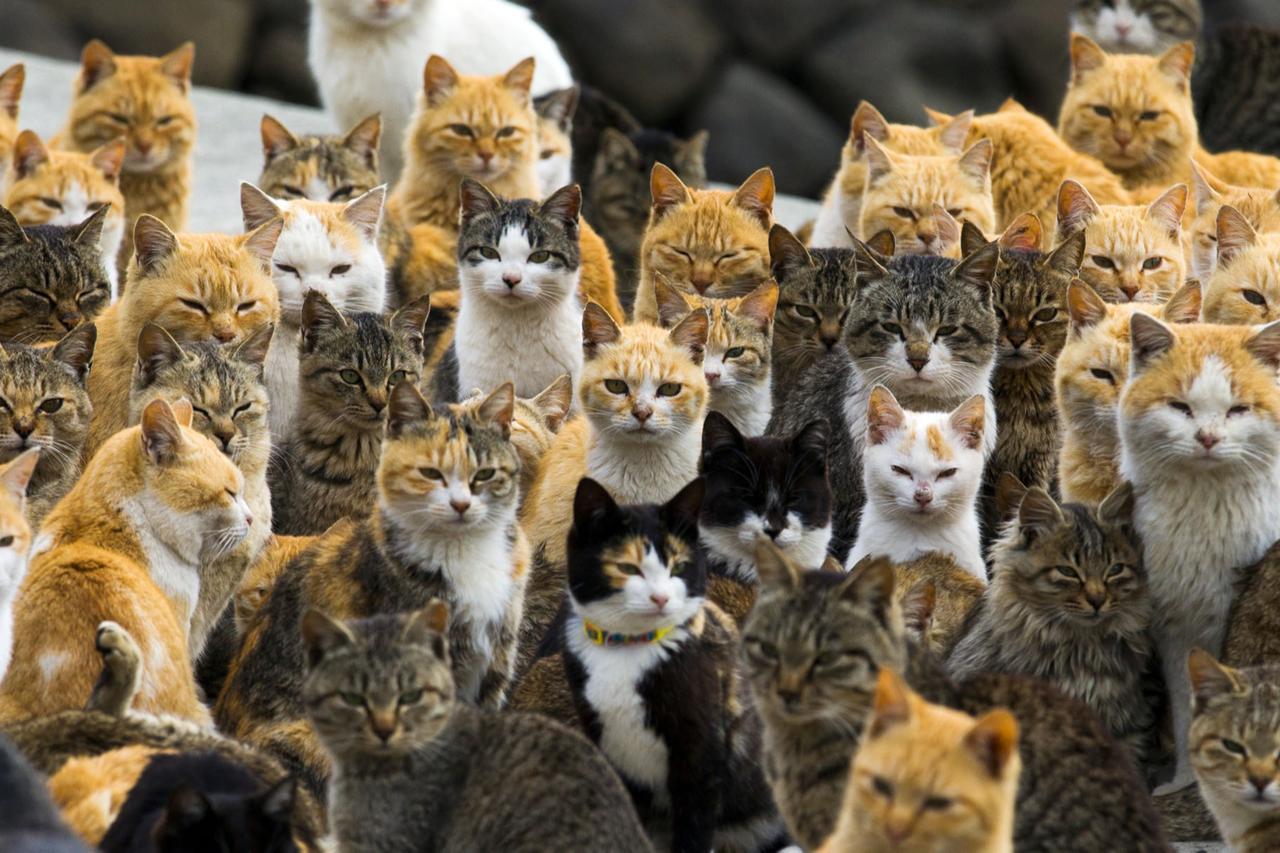


Aoshima, a 0.2-square-mile (0.5-square-kilometer) island in Japan's Seto Inland Sea, is home to roughly 80 feral cats and three elderly residents.
The island, located in Ehime Prefecture, is the best known of 11 "cat islands" in Japan where felines outnumber humans.
Several Japanese media outlets report the human population has fallen to as few as six in recent years. The cats are fed twice daily by residents, with food donations arriving from across Japan.
Naoko Kamimoto, a resident in her 70s known locally as the "cat mama," also administers medication to the animals. Kamimoto told The Guardian in 2024 that the island's future is uncertain.
"We just take it one day at a time," she said. "But the day will come when there are no people left, and no cats. All we can do is make sure we look after them for as long as we're here."
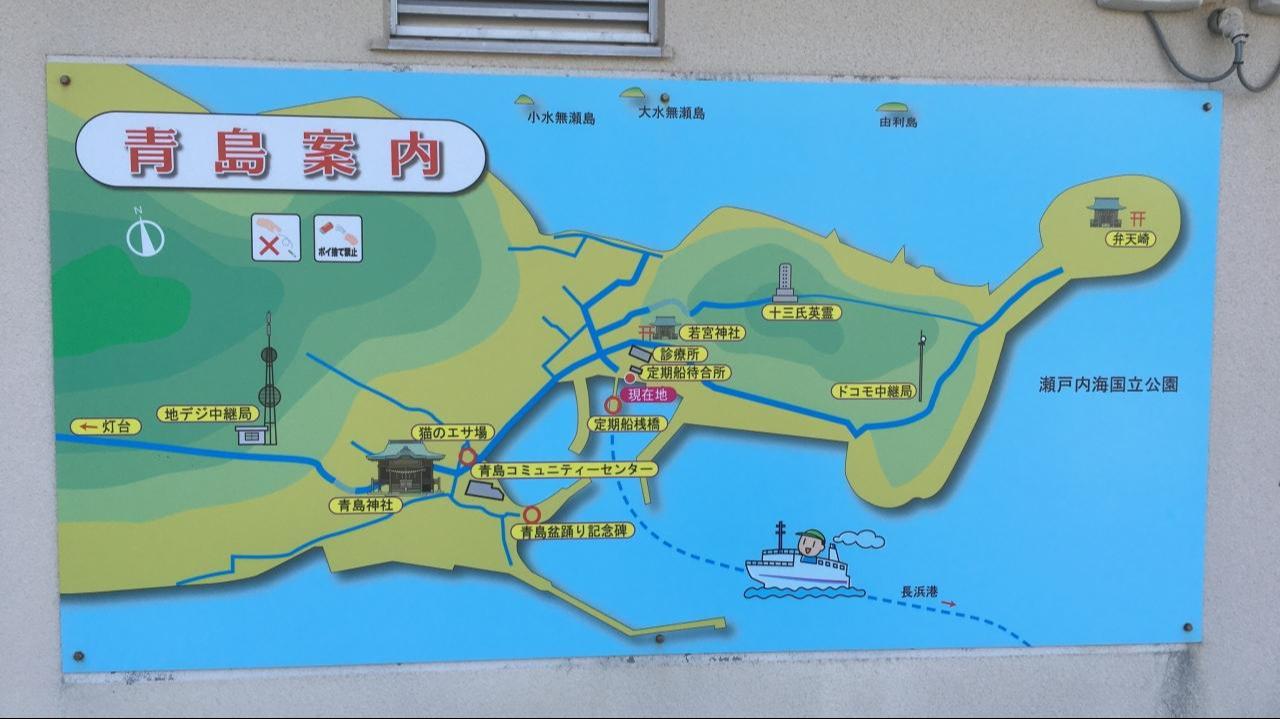

Aoshima was settled in the 17th century and grew into a sardine-fishing community with nearly 900 inhabitants at its peak.
Fishers introduced cats to the island to control rodents that were damaging fishing nets and stored goods. A decline in the fishing industry through the 20th century led most residents to relocate to the mainland, leaving the cats behind. The feline population grew as the human population fell.
The island's abandoned homes and buildings, many damaged by decades of typhoons and storms, now serve as shelter for the cats.
The impact of the cat population on other local wildlife has not been determined, according to researchers.
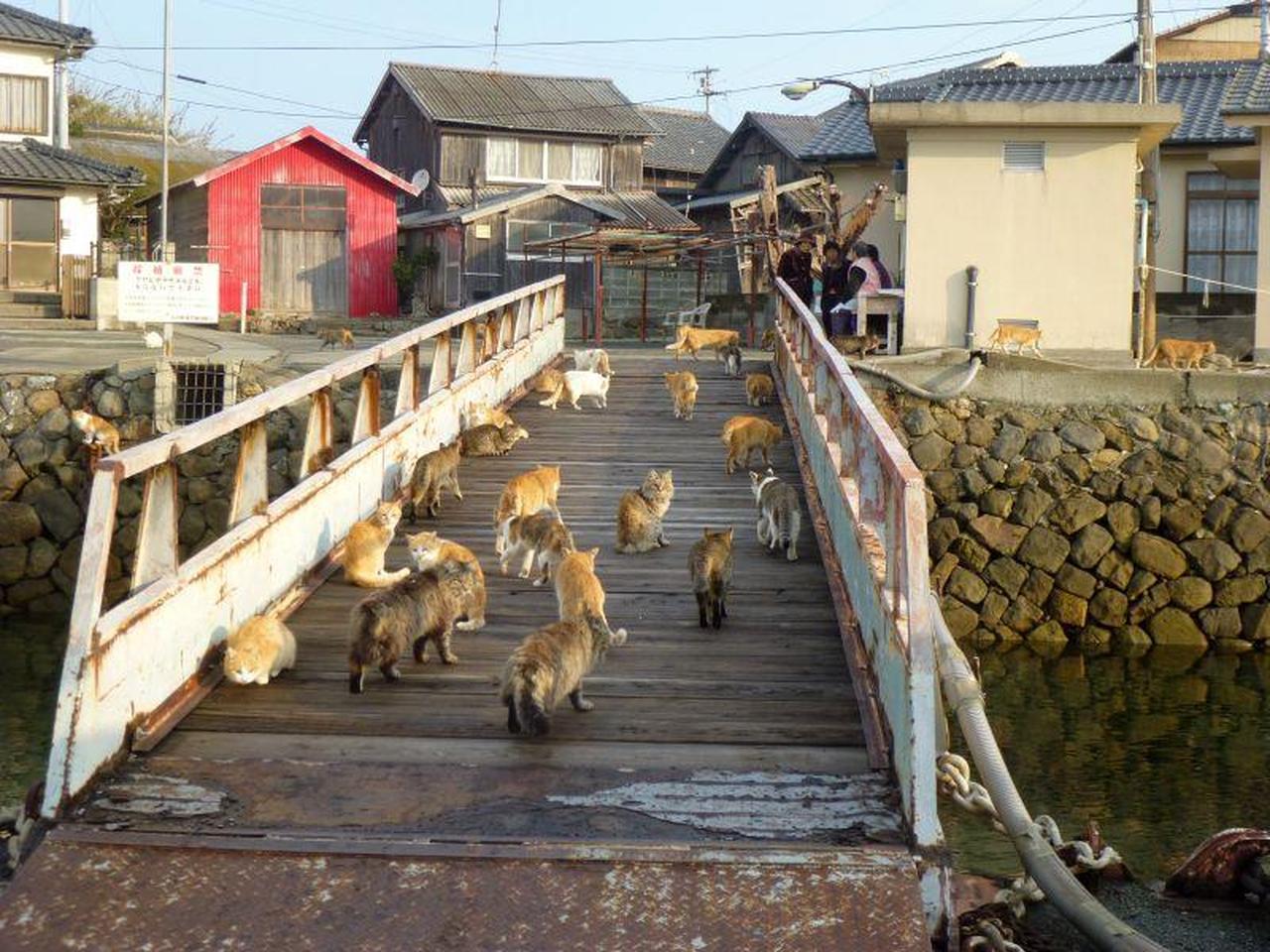
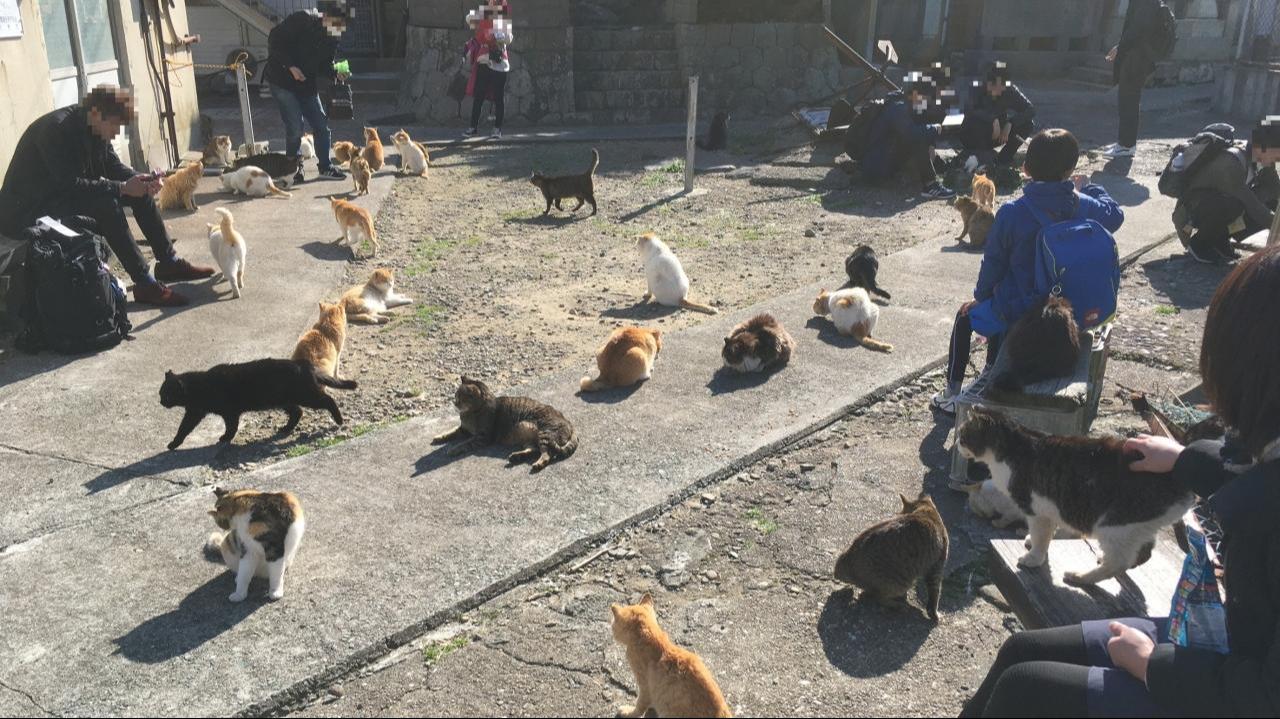
Aoshima attracts visitors who arrive by day boat from the mainland. Tourists help feed the cats, and the island's profile has generated donations from across Japan that support the animals' care.
The island's cat population has been widely circulated on social media, drawing international attention.
Kamimoto said the online attention has at times created misconceptions. "People see images online and think they're being neglected, but nothing could be further from the truth," she said.
"Some are blind, some are really thin, and others look normal. But that's the reality for wild animals in a place like this."
A 2023 study analyzed the genetic makeup of Aoshima's cats and found significant differences in coat-color genes compared with cats on other Japanese islands.
The research confirmed the island's cats are descended from a small founder population, consistent with the island's history of geographic isolation.
The study found Aoshima's cats carry one of the highest frequencies of the O allele recorded in Japan.
Researchers said the finding likely reflects the genetic profile of the original group of cats brought to the island, and explains why the majority of cats on Aoshima are ginger or tortoiseshell.
The research also confirmed the population has been affected by inbreeding. A third of the remaining cats are reported to have diseases linked to decades of isolated breeding.
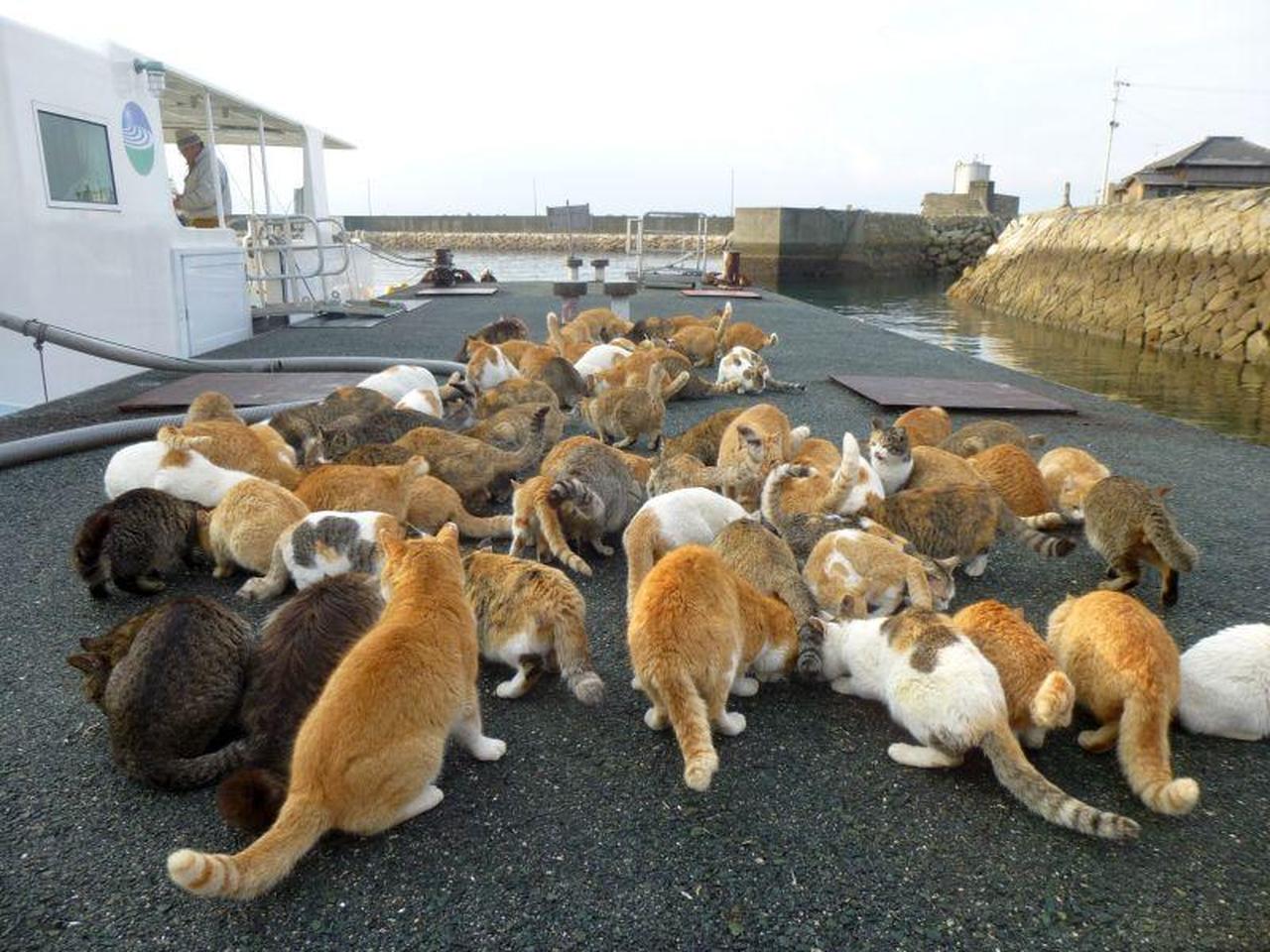
A mass spaying-and-neutering program introduced in 2018 reduced the cat population by more than half, from around 200 to roughly 80.
No kittens are known to have been born on the island since the program began. All remaining cats are older than 7 years old.
Due to the absence of a new generation of cats and the aging of the island's human residents, Aoshima could be completely abandoned by people within the next five years, according to local accounts.
Residents said they are confident volunteers and shelters would adopt the remaining cats if humans were to leave the island.
The island remains open to day-trippers. Food donations continue to arrive, and the spaying-and-neutering program remains in effect.


 Set as preferred source
 Set as preferred source



 4 min read