Newsletters


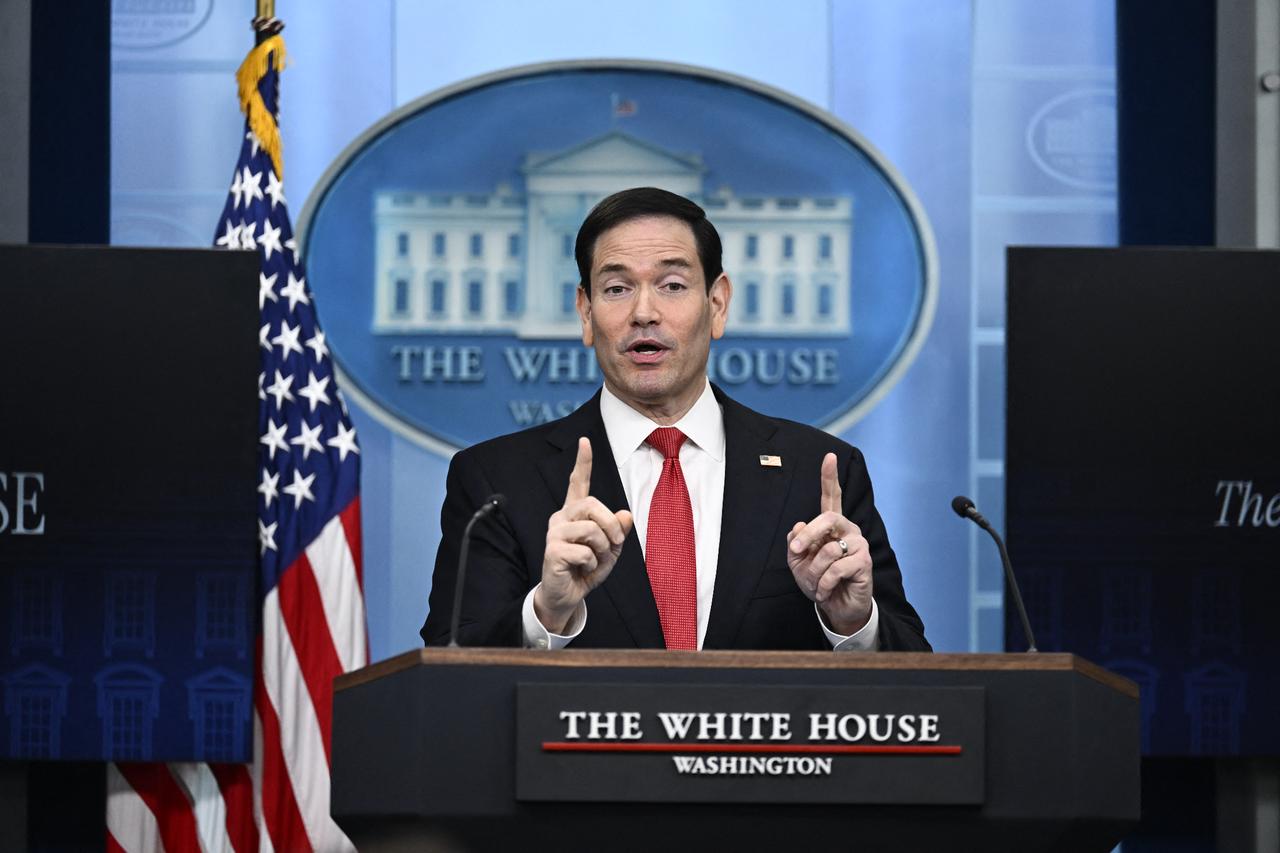


At least 10 sailors are dead, seven Iranian fast boats have been destroyed by U.S. forces, and 90 percent of Iranian trade has been halted, Secretary of State Marco Rubio said Tuesday, painting a picture of a confrontation in the Strait of Hormuz that is already exacting a heavy toll in lives and dollars — with Washington warning Tehran the worst is still ahead if it refuses to negotiate.
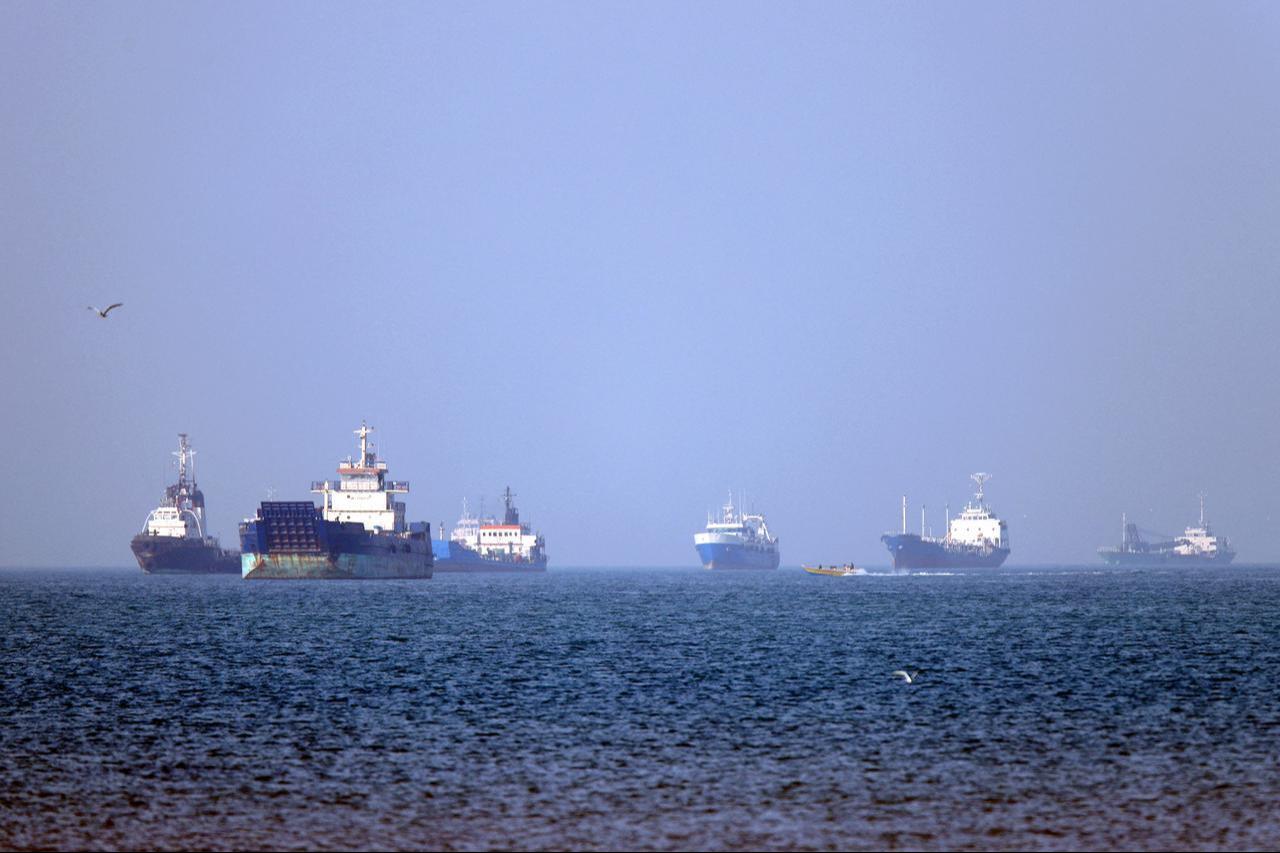
The blockade is costing Iran an estimated $500 million a day in lost revenue, Rubio said, as U.S. forces deployed to extend a defensive umbrella over commercial shipping in the strait and Washington circulated a draft UN Security Council resolution to defend freedom of navigation in the waterway.
Rubio said Iran has been attacking ships and mining the strait's waters, calling both illegal "under any circumstances" and describing Tehran's conduct as an attempt to "blackmail the global economy." He said the United States has already destroyed seven Iranian fast boats in the waterway and would continue clearing a passageway until navigation was fully restored.
"Under no circumstances can we normalize them attacking ships and mining the water," Rubio said.

With 90 percent of Iranian trade shut down and $500 million draining from Tehran's economy each day, Rubio said the arithmetic of escalation favors Washington decisively. "The U.S. holds the cards," he said. "There is no scenario in which Iran decides to escalate the situation and emerges victorious."
He warned Iran not to test American resolve, particularly under President Donald Trump. "If they test him, ultimately they will lose," Rubio said. If Tehran refuses to negotiate, he added, it "will collapse and be completely defeated."
Envoys Steve Witkoff and Jared Kushner are working a diplomatic track, Rubio said, though he was skeptical it would succeed. "If there is a real diplomatic path, it could lead Iran to prosperity," he said. "I'm not sure there will be a real diplomatic path."
 1 min read
On Tehran's nuclear program, Rubio rejected Iran's longstanding claim that it does not seek a weapon. "They have always said they don't want one but they don't mean it," he said, noting that Iran conducts enrichment in deeply buried facilities, unlike other states engaged in similar programs. "There are countries in the world that are involved in enrichment but these guys do it under mountains," he said.
The Strait of Hormuz, a narrow chokepoint between Iran and the Arabian Peninsula, carries roughly a fifth of the world's petroleum trade, making any sustained disruption a direct threat to global energy markets.


 Set as preferred source
 Set as preferred source


 1 min read