Newsletters




Iran's military denied on Tuesday that it had launched any drone or missile attacks against the United Arab Emirates, offering a categorical rejection of accusations from Abu Dhabi even as the UAE reported a second consecutive day of strikes on its territory.
"The armed forces of the Islamic Republic of Iran did not launch any missile or drone operation against the United Arab Emirates these past days," the Khatam al-Anbiya central command said. The Islamic Revolutionary Guards Corps echoed the denial, stating through the Fars news agency that had any operation taken place, Tehran would have "announced it firmly and clearly."
Despite the denials, the UAE's Defence Ministry maintained its account of renewed attacks on Tuesday, though the results of the latest incident were not immediately clear. Iran stopped short of a purely defensive posture, warning that any strikes launched from Emirati territory would be met with a "firm response."
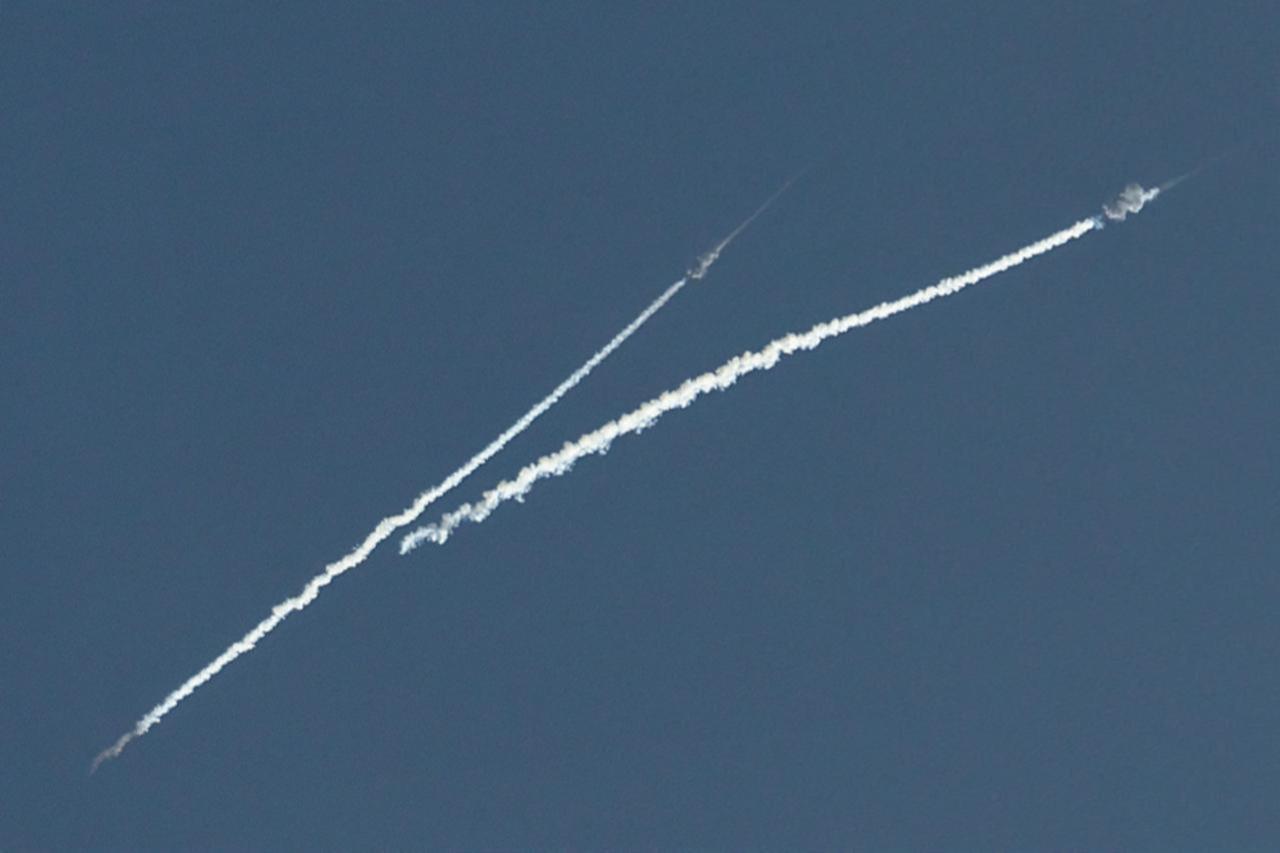
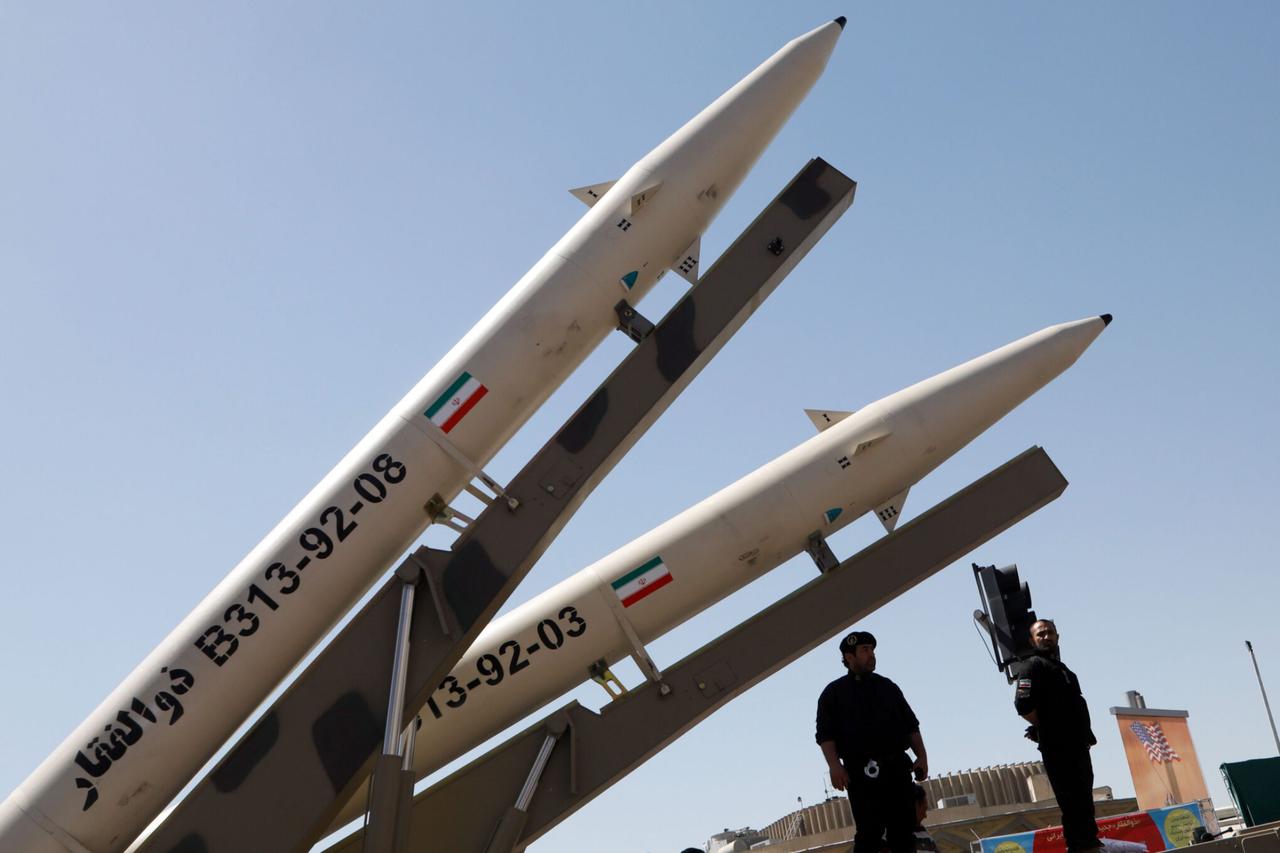
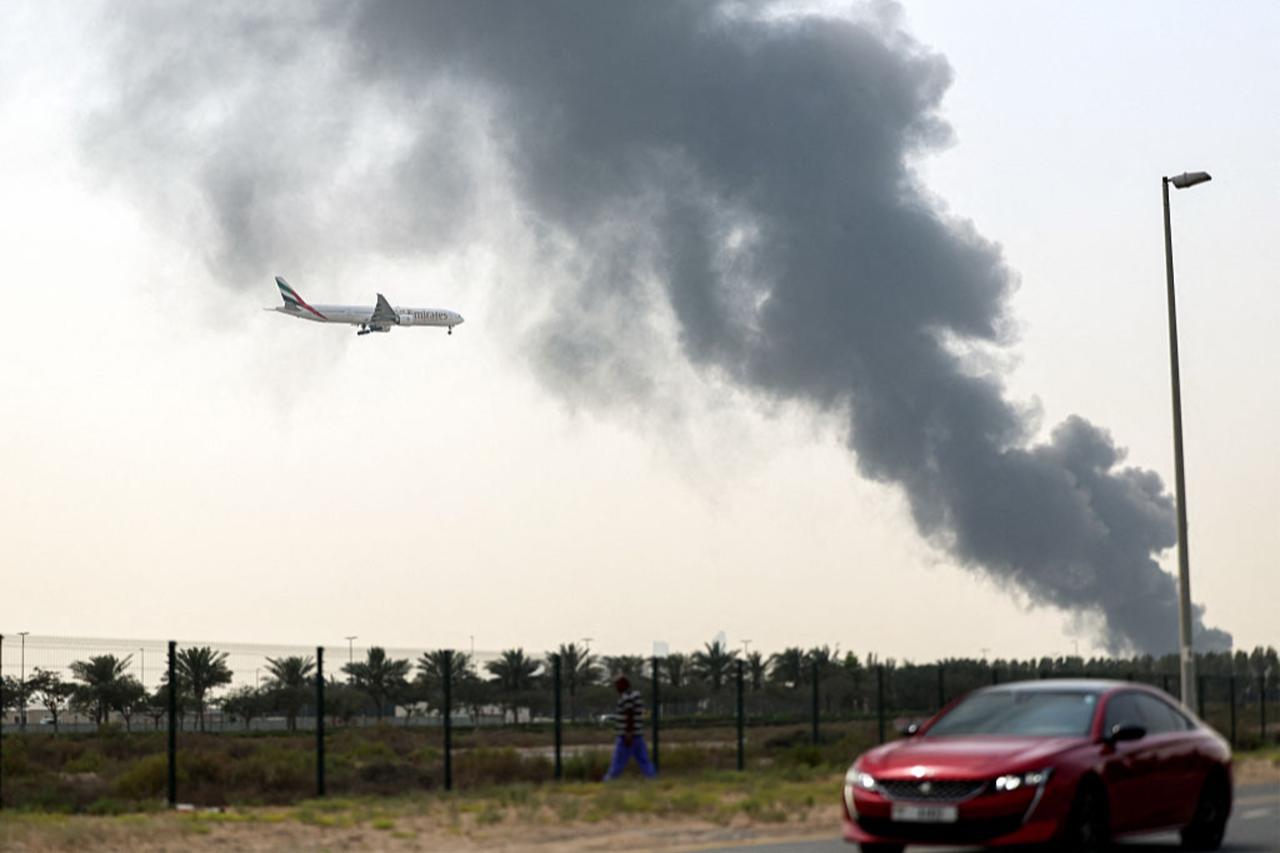
The dispute traces back to Monday, when Iran launched approximately 15 missiles, most of them ballistic, toward the UAE in what marked the first major incident since a fragile US-Iran ceasefire took effect roughly four weeks ago. Emirati authorities said all were intercepted, but a fire broke out at a major oil facility in Fujairah, the eastern emirate that hosts a critical terminal handling around 1.7 million barrels per day, roughly half of the country's total export capacity. Three Indian nationals were injured; New Delhi called the incident "unacceptable."
The Fujairah terminal carries particular strategic weight because it allows oil shipments to bypass the Strait of Hormuz entirely, routing exports through the Gulf of Oman instead. That bypass route has grown in importance as Iranian forces have effectively sought to control the strait since late February, attacking or threatening vessels attempting to cross without Tehran's permission, a move that has sent oil and gas prices to multi-year highs.
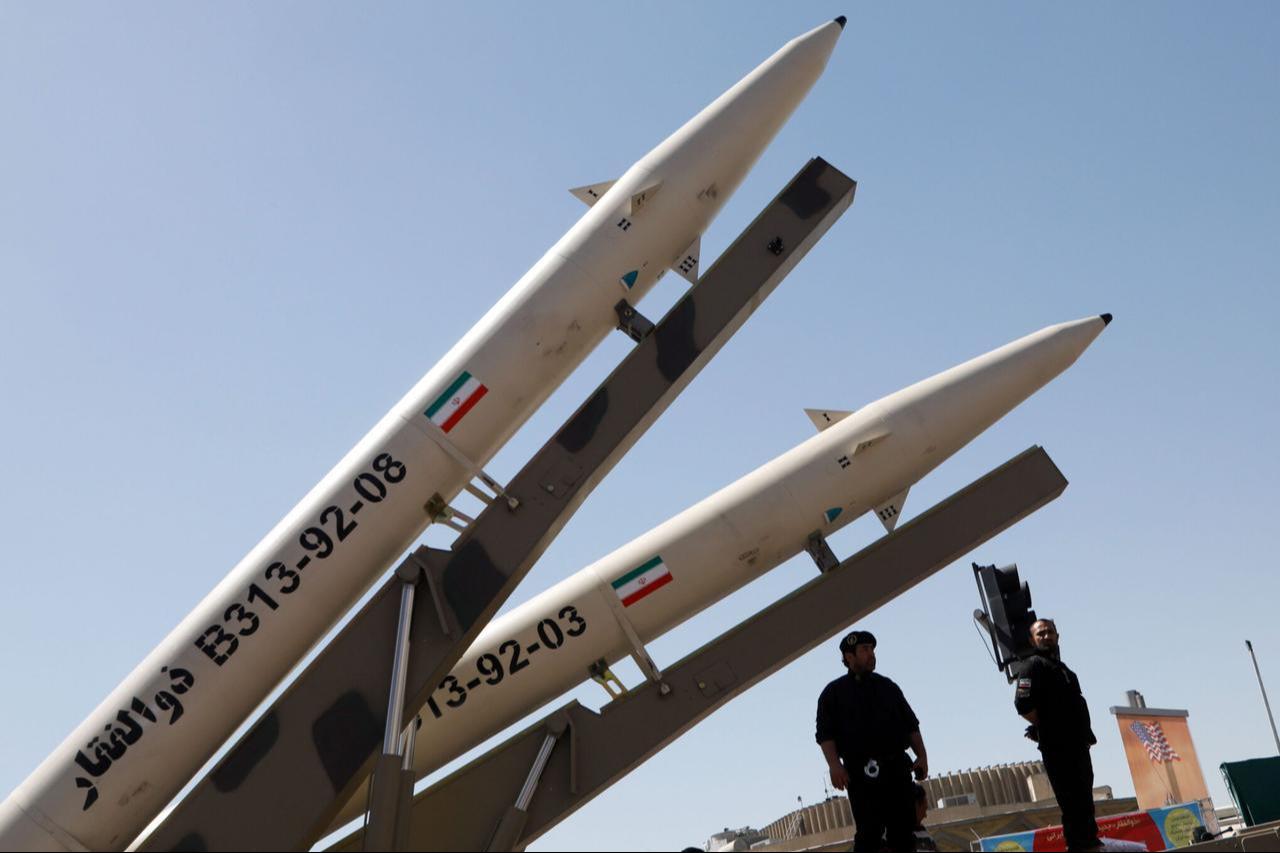

Tuesday's developments unfolded against a rapidly deteriorating backdrop in the waterway that carries roughly one-fifth of global energy exports. On Monday, hours after Washington launched "Project Freedom," a US-led initiative to escort vessels through the Strait of Hormuz, Iranian forces opened fire on US warships and US-flagged commercial ships. US Central Command confirmed the launch of Iranian cruise missiles against naval assets but denied any vessels were hit; American forces said they destroyed six Iranian small boats along with incoming missiles and drones.
Washington has escalated its economic pressure in parallel, imposing a naval blockade on Iranian ports and shipping on April 13, limiting Tehran's capacity to export oil, import goods and maintain foreign-exchange inflows.
US Defense Secretary Pete Hegseth sought to contain the temperature somewhat, saying the escort operation was temporary and that US forces had not entered Iranian or Emirati waters or airspace. "We're not looking for a fight," he said, a statement some observers read as more restrained than his usual posture.
The latest strikes, if confirmed, add to a devastating toll the UAE has absorbed since hostilities escalated. During the five weeks of fighting before the April 8 ceasefire was reached, the country was targeted by at least 2,800 missiles and drones, more than any other Gulf state or Israel.
Washington has stopped short of declaring the latest incidents a ceasefire breach, a position that underscores the precarious and contested nature of the truce now being tested along multiple fronts, from the Strait of Hormuz to Emirati soil.


 Set as preferred source
 Set as preferred source


 1 min read
 1 min read