Sign in
 Newsletters


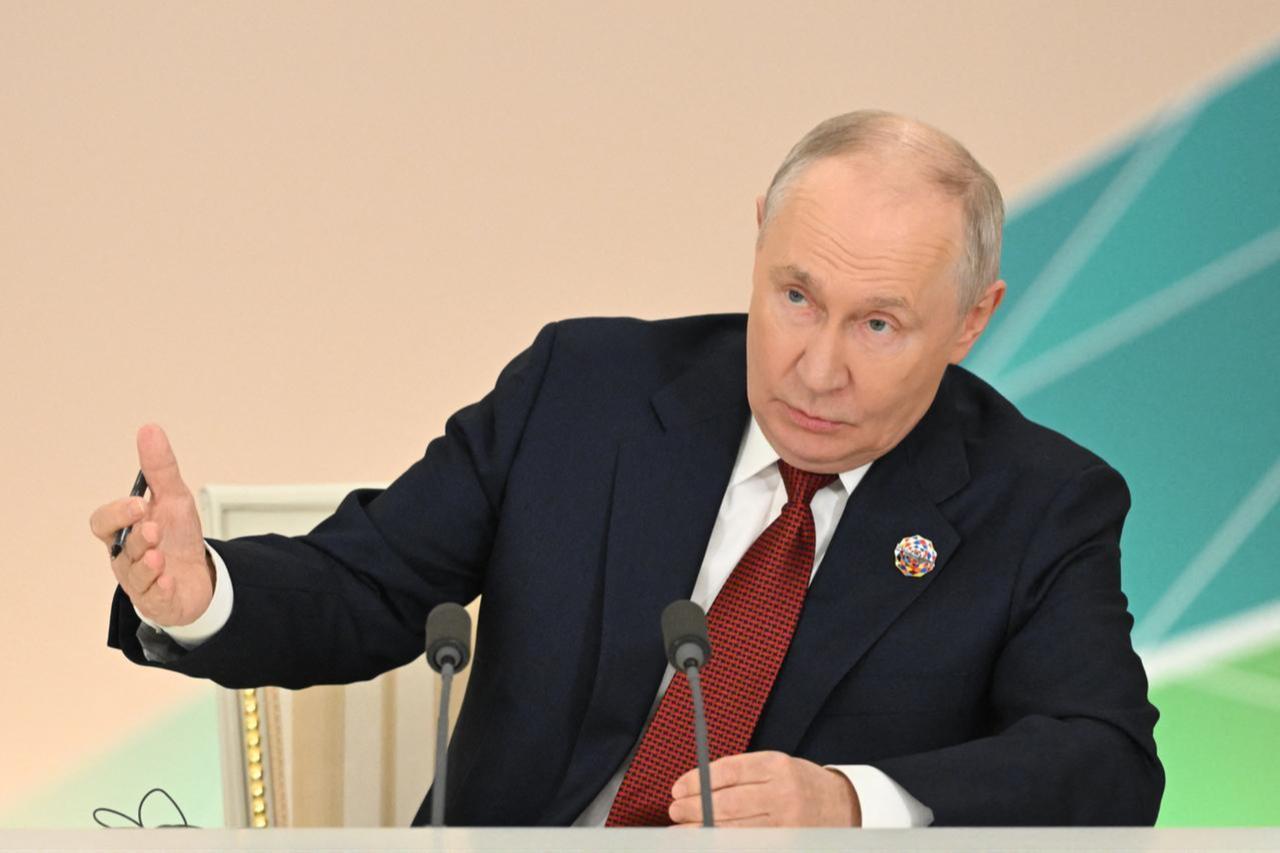


Russia on Friday accused the European Union of pressuring Serbia to join Western sanctions against Moscow, claiming Brussels was using Belgrade's EU membership ambitions to influence its foreign policy and weaken its longstanding ties with Russia.
Russian Foreign Ministry spokeswoman Maria Zakharova made the remarks during a briefing in Moscow, criticizing what she described as the EU's attempts to force Serbia to abandon its relationship with Russia.
"Serbia is not joining the anti-Russian sanctions because it does not want to betray a country that has always stood up for Serbian interests," Zakharova said in remarks shared by the ministry on U.S. social media platform X.
"Serbia's unwillingness to follow the EU's path causes displeasure in Brussels and, at times, even aggression," she added.
Zakharova argued that Brussels was increasingly treating EU enlargement as a geopolitical instrument rather than a process of economic integration.
She accused the bloc of pressuring candidate countries to adopt policies that could damage their economies and national interests, particularly in the energy sector.
The spokeswoman also described Western sanctions against Russia as unlawful, claiming they were harming the countries that imposed them.
She expressed hope that Serbia would maintain close cooperation with Moscow under its next government following last month's parliamentary elections.
 2 min read
Serbia, an EU candidate country, has refused to join Western sanctions against Russia since Moscow launched its invasion of Ukraine in February 2022.
Belgrade has maintained close political and economic relations with Moscow, particularly in energy, while continuing to pursue EU membership.
However, Serbia has also supported Ukraine's sovereignty and territorial integrity and backed some U.N. resolutions concerning the Russian invasion.
Its position has remained a source of disagreement with Brussels, which expects candidate countries to gradually align their foreign and security policies with those of the EU.
In its Nov. 4 enlargement report, the European Commission said Serbia had made no progress in aligning with the bloc's common foreign and security policy during the reporting period.
Serbia's alignment rate stood at 63% as of Sept. 1, down from 67% in 2025.
The Commission criticized Belgrade's refusal to adopt sanctions against Russia and Belarus, its close relationship with Moscow and its reliance on Russian energy.
However, it acknowledged Serbia's cooperation in preventing sanctions circumvention and its humanitarian, financial and energy assistance to Ukraine.
The EU remains Serbia's largest trade and investment partner, accounting for more than half of the country's goods trade.
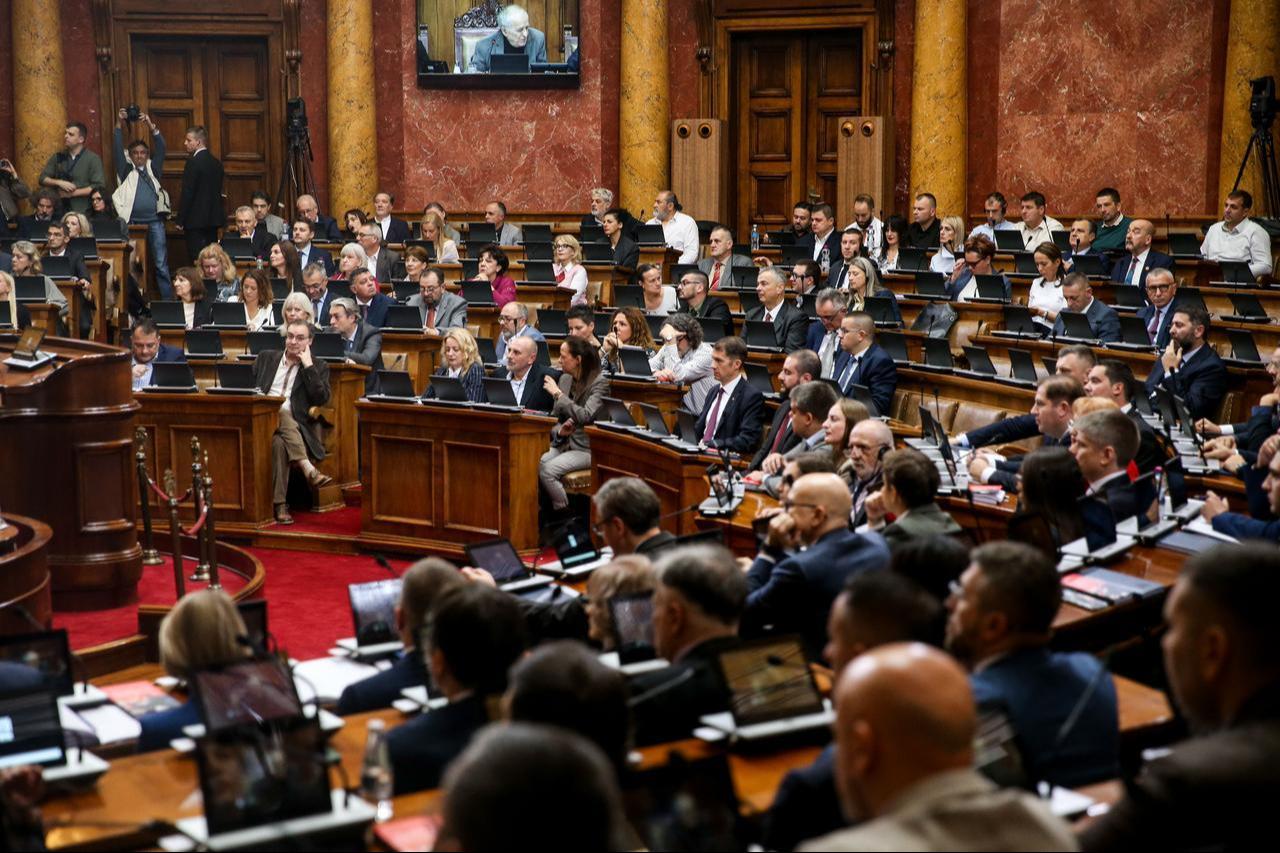

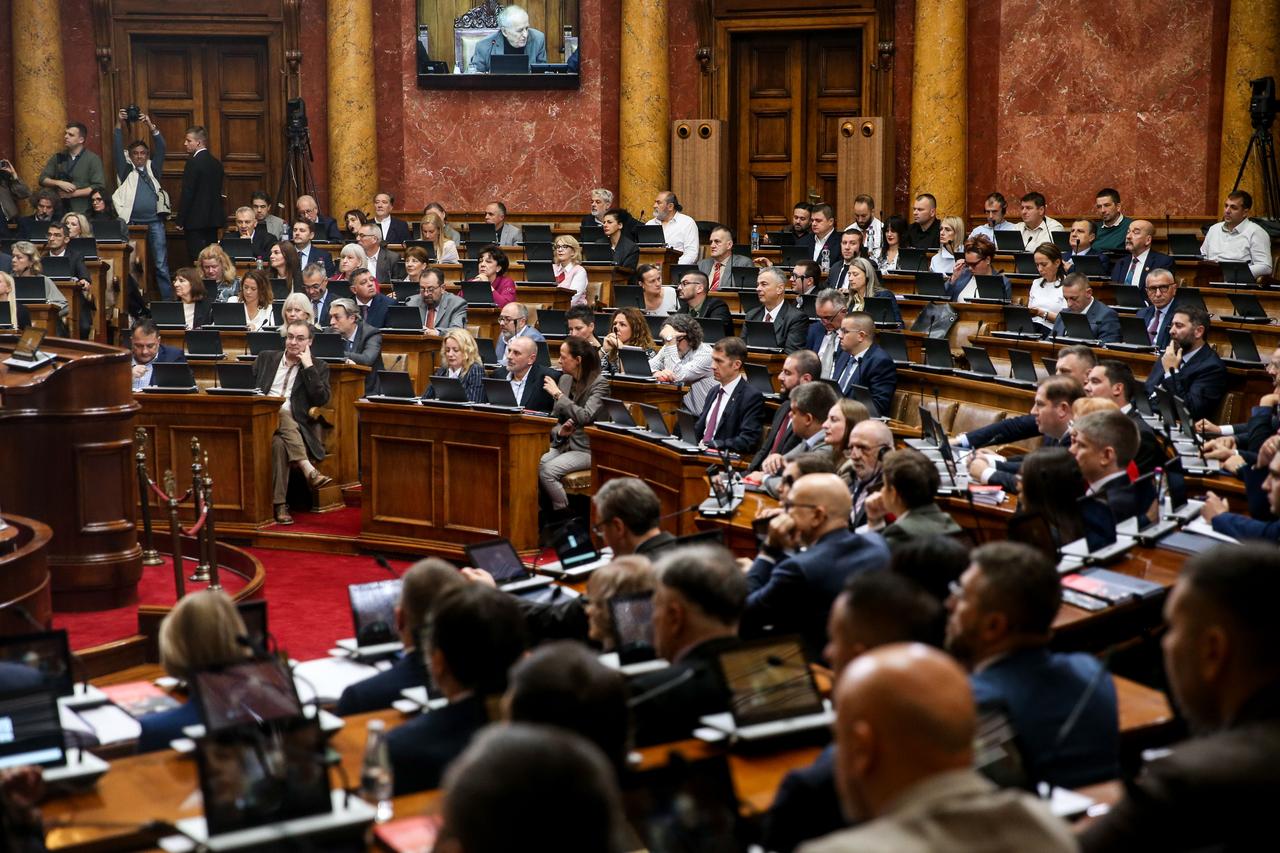
Zakharova's comments came amid political uncertainty in Serbia following the Oct. 25 snap parliamentary elections, which gave the student-backed opposition a parliamentary majority.
The newly elected parliament convened Nov. 17, but a new government has not yet been formed.
The election result has raised questions about Serbia's future foreign policy direction, particularly its relations with Russia and its efforts to join the European Union.
Moscow has expressed hope that Belgrade will maintain close bilateral ties despite the political transition and continuing pressure from Brussels.


 Set as preferred source
 Set as preferred source


 1 min read