Newsletters



Russian officials on Tuesday denied that special restrictions took effect after a laboratory technician reportedly died of pneumonic plague, while Washington said it is watching events closely.
Friday's accounts blamed the illness for the death of Darya Shipilova, 28, a worker at the anti-plague institute in Siberia's Irkutsk region, which sparked alarm.
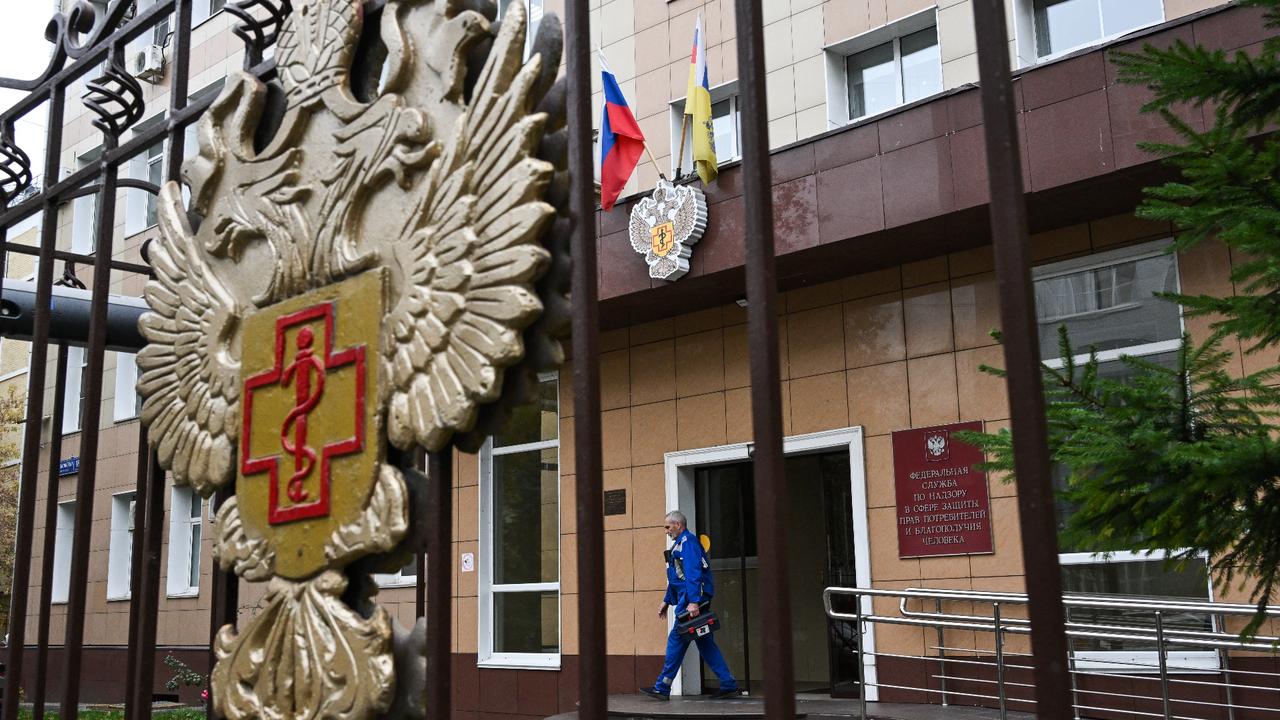
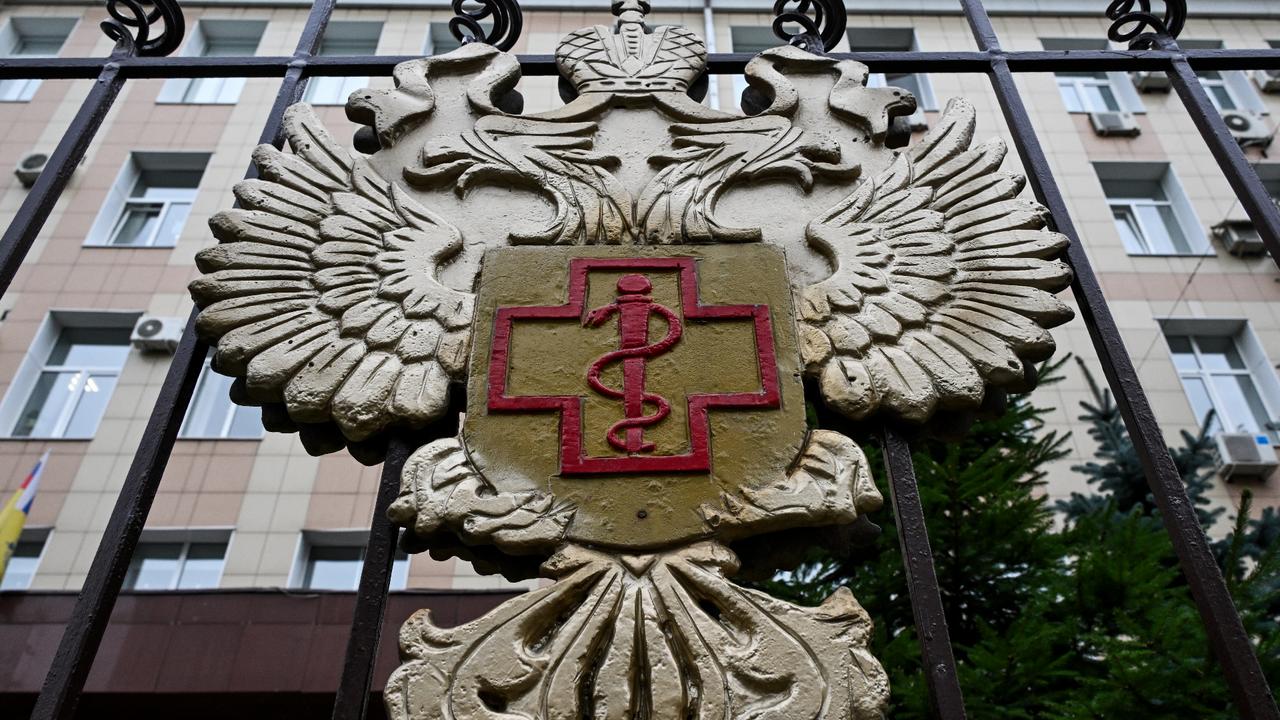
Rospotrebnadzor, Russia's consumer and health watchdog, said a document circulating online that announced tougher sanitary-epidemiological measures and restrictions in Irkutsk is fake.
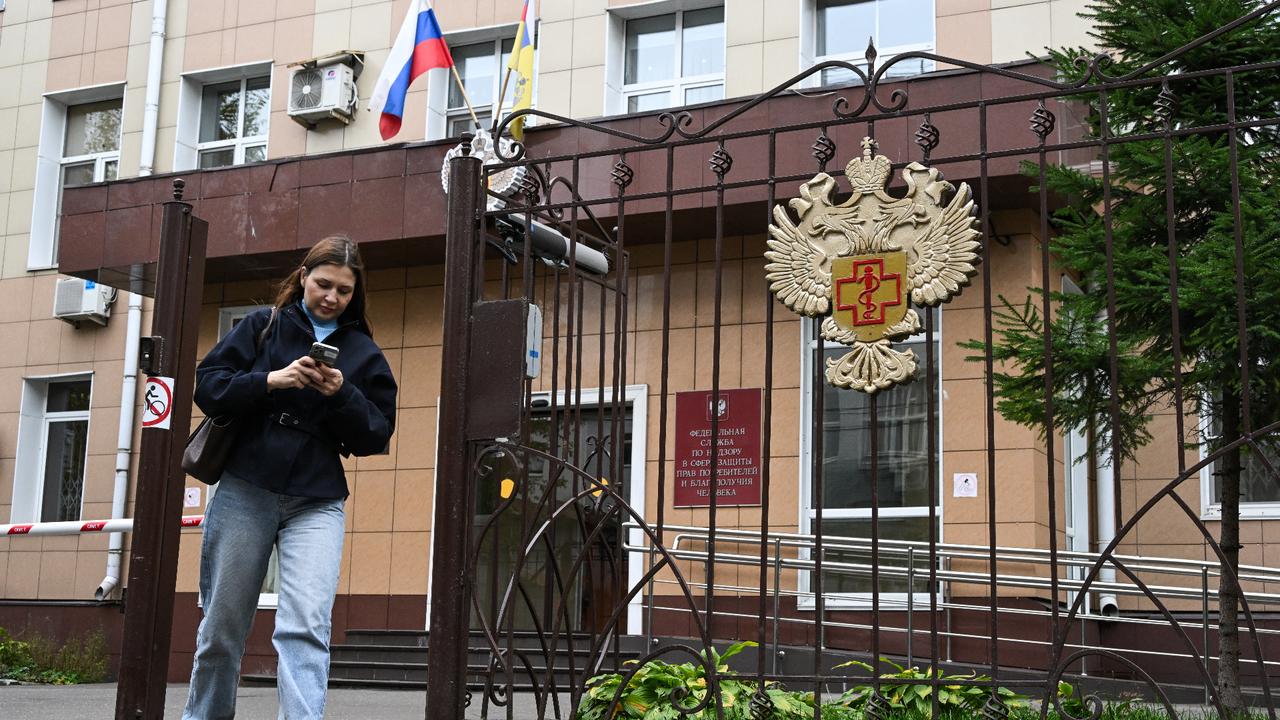
In a Telegram statement, the agency said, "We wish to clarify that the document and information in question do not originate from official sources and are untrue."
"No such decisions have been made at this time," it added, stressing that "the sanitary-epidemiological situation in the Irkutsk Region ... remains stable."

Citing unnamed sources close to regional security services, the Russian news outlet People of Baikal said Friday that the woman may have contracted pneumonic plague from a broken test tube. Other media suggested a possible link between her death and a lab accident at the facility.
Up to 200 people who may have come into contact with her were placed in quarantine, People of Baikal added, without elaborating. Russian officials, however, stressed that postmortem tests found no trace of the disease.
On Monday, Irkutsk Regional Governor Igor Kobzev said an inspection by a special Rospotrebnadzor expert commission found that "the cause of death was pneumonia of undetermined aetiology."
Kobzev added that the watchdog had determined "no microorganisms linked to the young woman's professional work were found in her biological samples." He said there had been "no new cases of staff from the anti-plague institute seeking medical attention" since her death.

 3 min read


 Set as preferred source