Newsletters




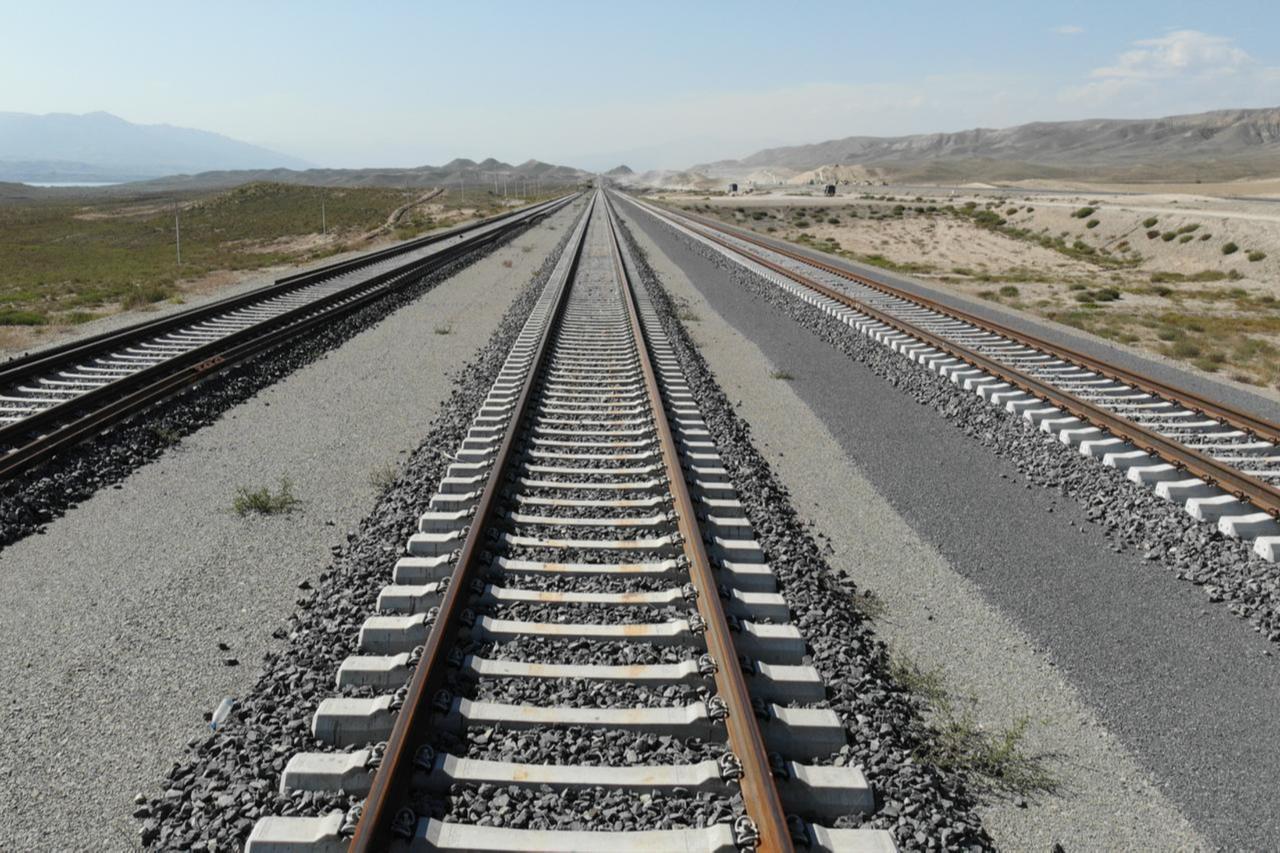
Russian Security Council Secretary Sergey Shoigu has raised concerns over the future of Armenia’s railway network, warning it could collapse “overnight” if Russia loses its management rights.
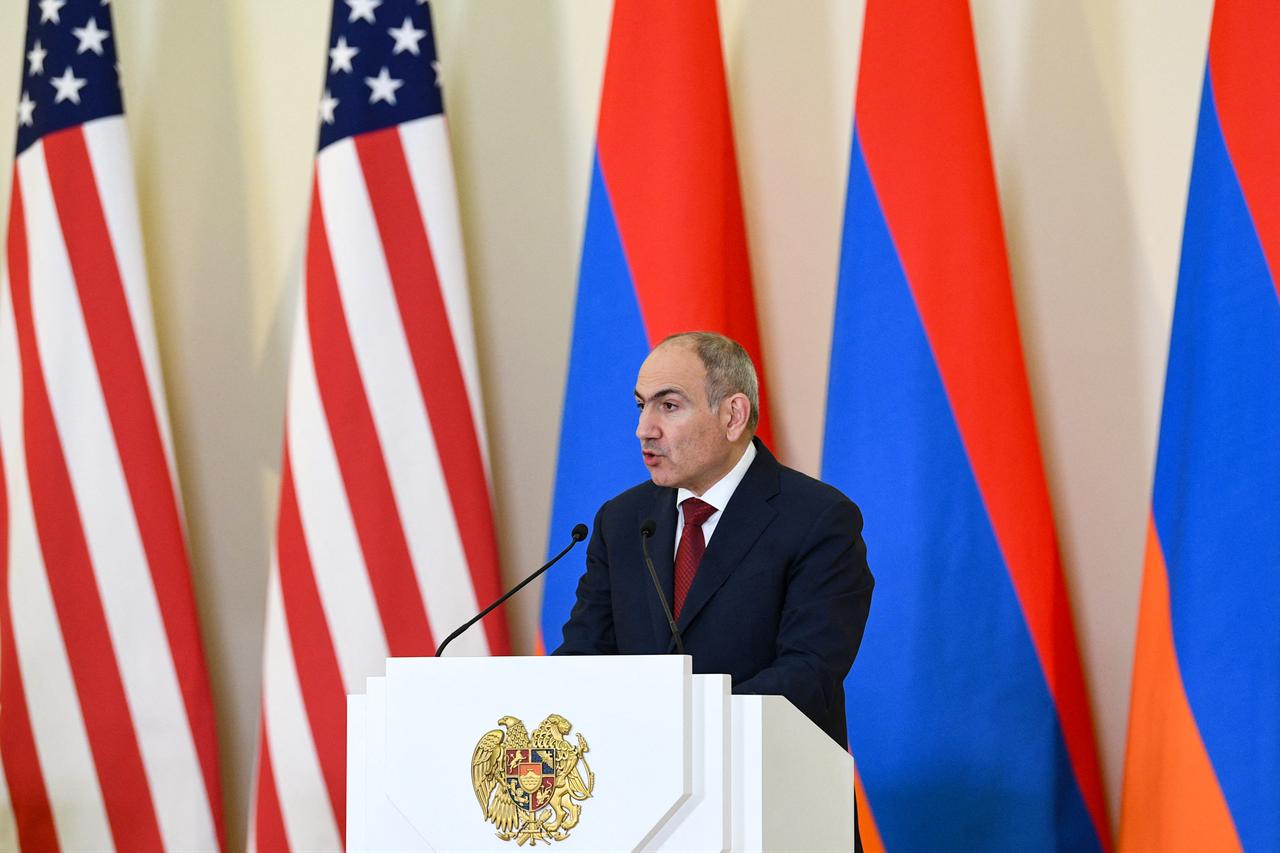
The Armenian railway system is currently operated by Russia under a concession agreement. Armenian Prime Minister Nikol Pashinian has called for ending Russian management of the network, saying that, in light of regional connectivity initiatives, including TRIPP, it would be preferable for another country, particularly one maintaining friendly ties with both Armenia and Russia, to assume control.
Pashinian argued that some countries may avoid making shipments through Armenia due to Russian management of the railways, reducing Armenia’s competitiveness.
In an interview with the TASS news agency, Shoigu opposed Pashinian’s proposal.
“I will not assess other countries’ competence in managing railway operations, but I can confidently say that hardly any other company would be able to fully replace the Russian rail carrier, which has operated effectively in Armenia for a long time under challenging conditions,” Shoigu said.
He warned that the system built over nearly two decades could “simply collapse overnight,” adding that no “friendly country” would assume responsibility for it.
Shoigu expressed hope that Armenia’s leadership would act solely in the interests of its citizens when making decisions.
He also stated that the Russian South Caucasian Railway Company is fulfilling its obligations under the agreement and noted that total investments in the sector exceed 30 billion rubles ($391.43 million).

Separately, Pashinian criticized the historical perspective through which Armenia has viewed global events, saying that from the 1830s until 2023 Armenians had seen the world through the eyes of Zatulin, referring to Russia.
“In 2026, the citizens of Armenia have to make a choice, whether they trust what they see with their own eyes, or whether they trust the eyes of Zatulin,” he said.
Pashinyan questioned whether Armenians should re-enter what he described as a historical cycle that began in the 1850s and ended in 2023, stating: “We are no longer a nation treated as a victim of history.”


 Set as preferred source
 Set as preferred source


 1 min read

 1 min read