Newsletters


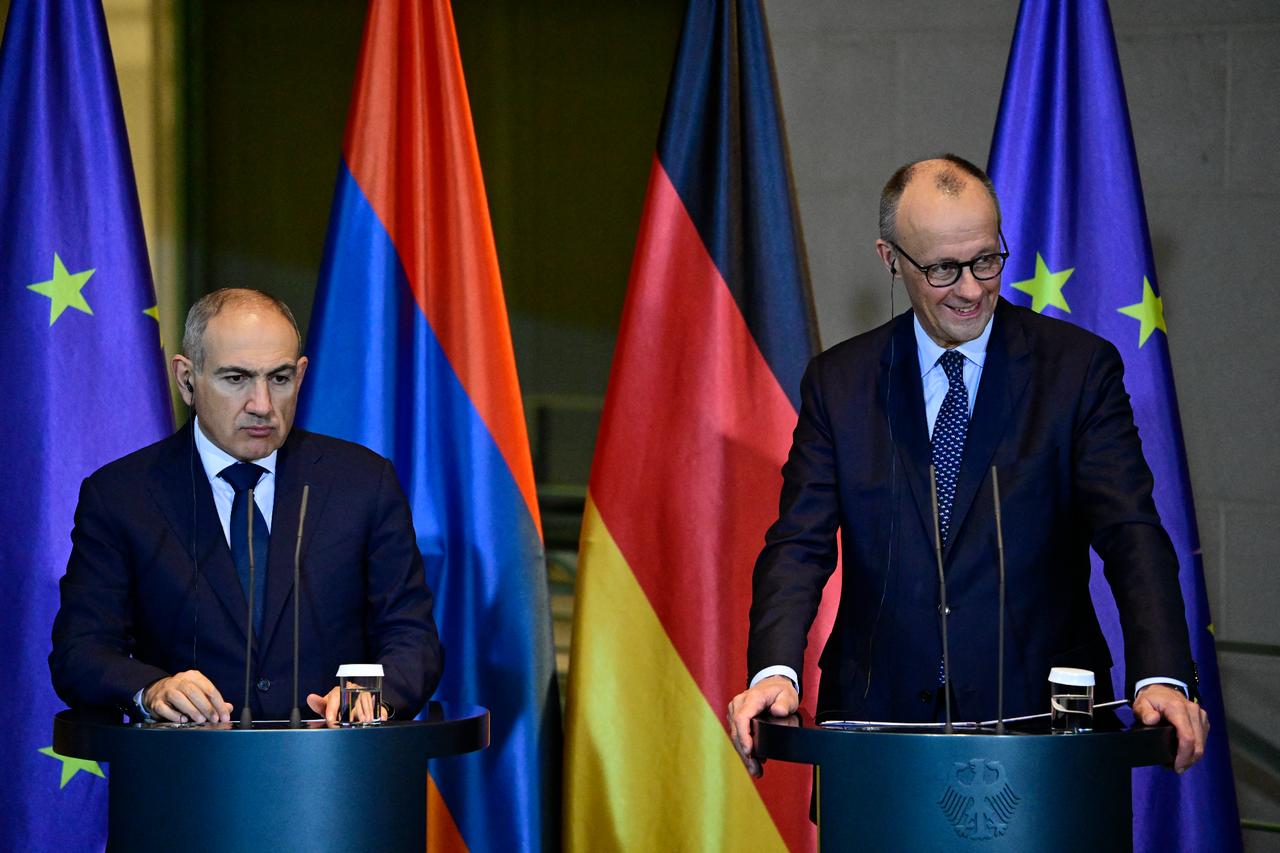


German Chancellor Friedrich Merz warned Tuesday that Russia is attempting to interfere in Armenia's upcoming parliamentary election, accusing Moscow of conducting a disinformation campaign aimed at derailing the Caucasus nation's growing alignment with the European Union.
Speaking at a joint press conference with Armenian Prime Minister Nikol Pashinyan in Berlin, Merz said Russia is "trying to scare voters in Armenia" and "spreading untruths about the goals and values of the European Union" as the historically Russia-allied country pursues EU membership.
The German leader framed the alleged interference as part of a broader pattern of Russian destabilization efforts. "It has become a distressing normality that elections are attacked by enemies of democracy," Merz said, adding that Moscow is using "disinformation and sabotage" not only against European nations but Armenia as well.
Armenia's parliament passed legislation in March launching the country's bid for EU membership, marking a significant shift for a nation that has maintained close ties with Russia since the Soviet era. The move represents the latest step in Armenia's gradual distancing from Moscow's sphere of influence.
Pashinyan, speaking through translation provided by the German chancellery, acknowledged his country faces challenges in protecting its democratic processes. He noted Armenia had already conducted an election in 2021 "under very difficult circumstances" and said the country "had experience with disinformation."
Western security services have attributed a wave of drone flights, sabotage acts, cyberattacks and online disinformation campaigns across Europe to Russia, with such activities intensifying following Moscow's full-scale invasion of Ukraine in 2022.
While encouraging Armenia's westward orientation, Merz cautioned that the accession process would require substantial reforms. He described "a historic opportunity for Armenia to embark on the path towards Europe" but emphasized the country must "meet many conditions to join the European Union, including the Copenhagen criteria."
The Copenhagen criteria, established in 1993, require candidate countries to demonstrate stable democratic institutions, a functioning market economy, and the ability to adopt EU laws and regulations.
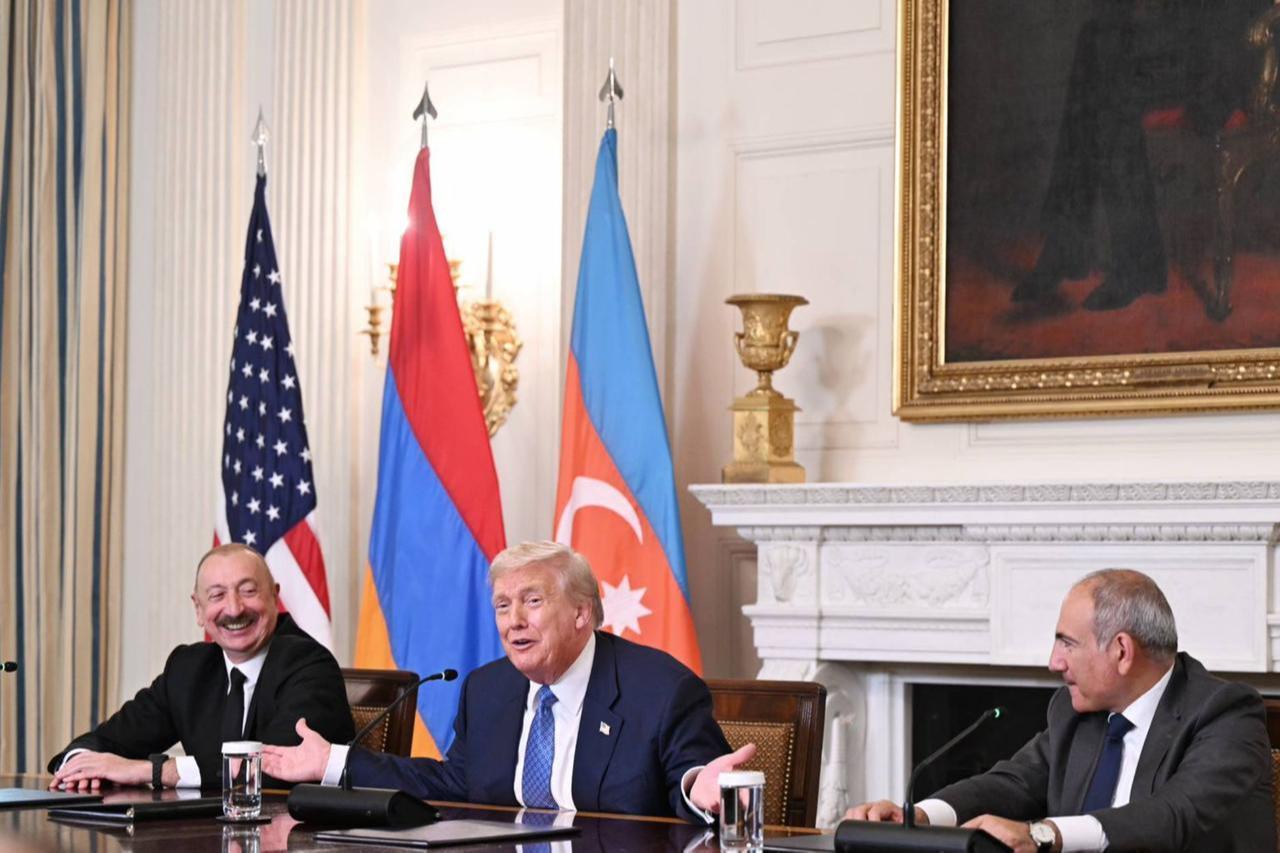

Armenia's geopolitical realignment comes as the country works to stabilize its troubled relationship with neighboring Azerbaijan. In August, the two longtime adversaries committed to peace following decades of territorial conflict over the Nagorno-Karabakh region, in an agreement brokered by the White House.
The conflict between Armenia and Azerbaijan has produced multiple wars since the Soviet Union's collapse, with the most recent major fighting occurring in 2020 and resulting in significant territorial changes.


 Set as preferred source
 Set as preferred source


 1 min read

 1 min read