Newsletters


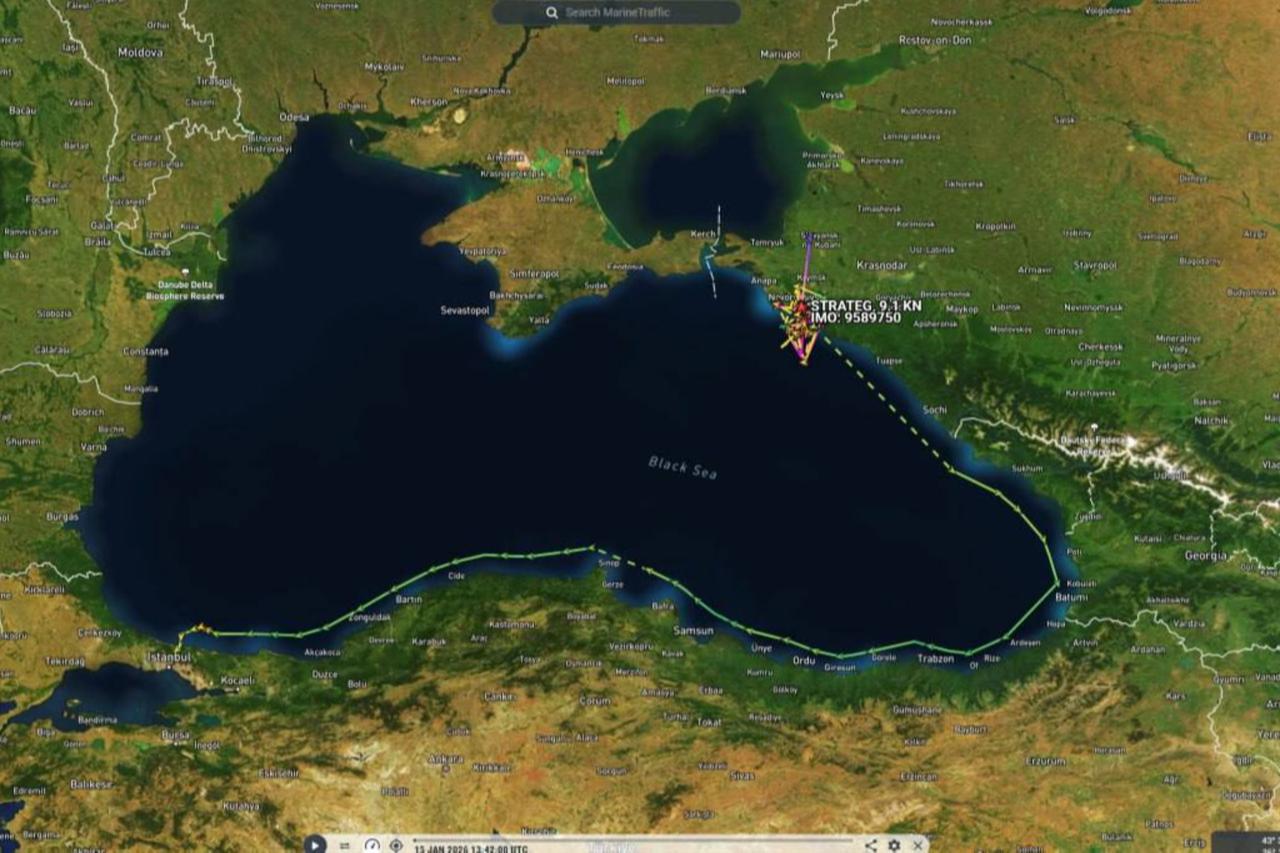


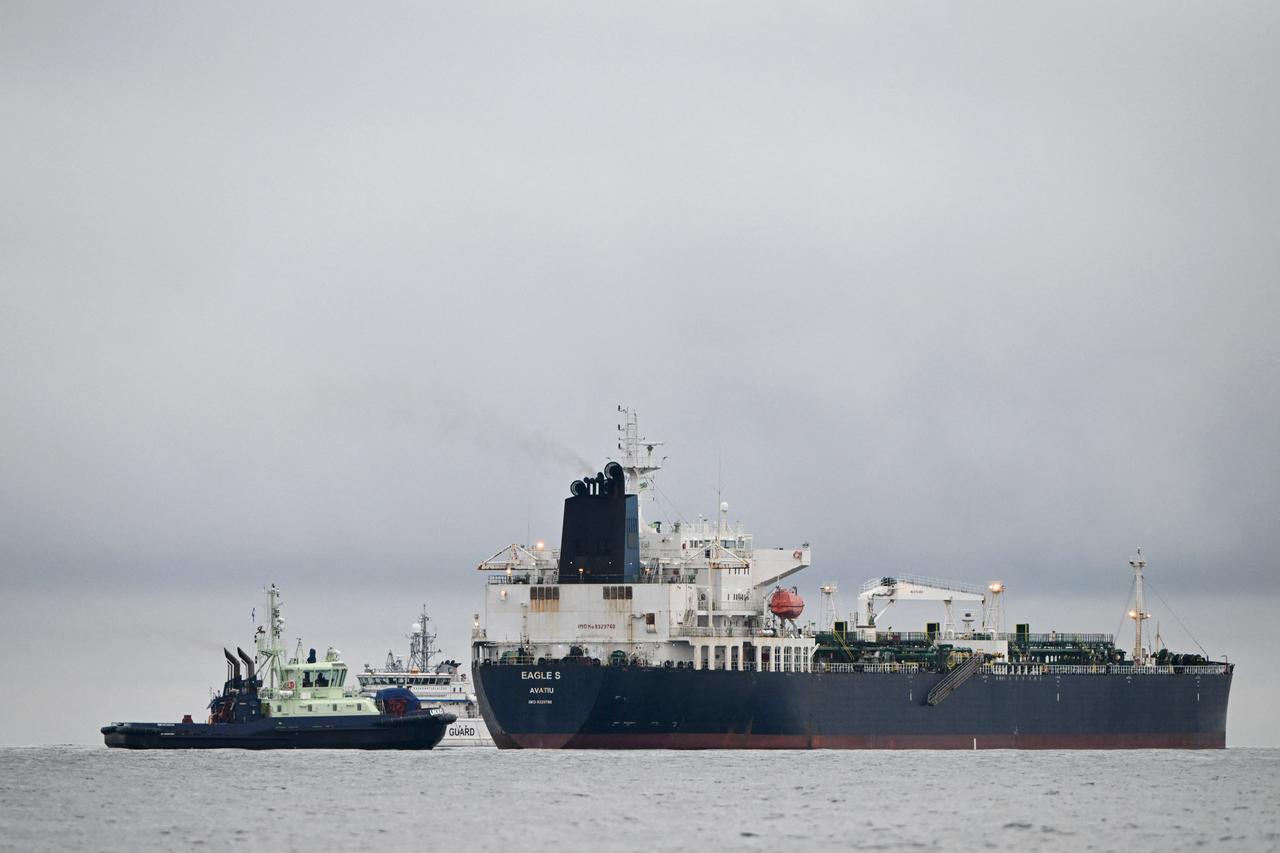
Russian oil tankers are increasingly hugging the Turkish coast as they transit the Black Sea, adopting defensive routes that keep them within NATO territorial waters to avoid Ukrainian maritime drone strikes, according to maritime tracking data.
The pattern represents a significant shift in navigation behavior as Ukrainian forces have demonstrated their capacity to strike vessels in open waters. The route choice forces Russian-flagged and shadow fleet tankers carrying crude oil to travel along Türkiye's coastline rather than taking direct paths across the Black Sea to the Bosporus Strait.

The Russian-flagged and sanctioned tanker Strateg departed the Black Sea in recent days by following the Turkish shoreline, maritime intelligence data shows. The vessel's route selection illustrates the tactical calculations now facing operators of ships carrying Russian oil from the Novorossiysk loading terminals.
Other tankers loading legitimate Kazakh crude from the Caspian Pipeline Consortium terminal at Novorossiysk have adopted similar precautions. The UK-flagged Energy Delos and Liberian-flagged Delta Commander both traveled close to the Turkish coast over the weekend, despite operating with active AIS tracking systems and carrying Kazakh oil rather than Russian crude.
The defensive posture follows a January 13 Ukrainian drone attack that damaged the Delta Harmony while the vessel waited to load off Novorossiysk. The tanker, owned by Greek company Delta Tankers, was not under sanctions at the time of the strike.
Ukrainian maritime operations face complications in target selection as both legitimate commercial traffic and sanctioned Russian vessels transit the same waters. The CPC loading berths at Novorossiysk-2 Marine Terminal handle approximately 1% of global annual crude production, with roughly 85% consisting of Kazakh oil from the Tengiz, Kashagan and Karachaganak fields.
However, about 15% of oil flowing through the CPC pipeline system originates from Russian fields in Omsk and Kazan in the Urals region. Russia also collects transit revenues as a part-owner of the consortium, which has major Western investment from Chevron, ExxonMobil, Royal Dutch Shell and BP.
Ukrainian forces have previously attacked CPC facilities at Novorossiysk, though maritime intelligence sources indicate they avoid striking laden tankers due to environmental concerns. The attacks have encouraged Kazakhstan to develop alternative export routes that bypass Russian territory.
 1 min read

Kazakh President Tokayev has initiated projects to reduce dependence on the Novorossiysk route by expanding the cross-Caspian corridor to Azerbaijan. Two shallow-draft tankers built by a joint venture between Emirati and Kazakh state companies, the Liwa and the Taraz, now shuttle between Aktau and Baku, allowing Kazakh oil to reach the Mediterranean through pipelines to Ceyhan in Türkiye.
Not all Black Sea maritime traffic adopts coastal routes. Recent patterns show most cargo ships and tankers, including vessels from occupied eastern Ukrainian ports, disable their AIS tracking systems and risk direct crossings. Last week, the Russian-flagged bulk carrier Fedor transited the Kerch Strait bound for Lebanon, while the sanctioned general cargo ship Severniy Proekt sailed from Sevastopol to Latakia, both taking direct routes across open water to the Bosporus.


 Set as preferred source
 Set as preferred source



 1 min read