Sign in
 Newsletters




Russian sabotage incidents in Europe rose 16% in the year to September 2026, with arson attacks doubling and attacks using improvised explosive devices nearly tripling, the International Institute for Strategic Studies (IISS) said in a new report that was published on Thursday.
The London-based think tank warned that "a mass-casualty incident is possible as the space for miscalculation narrows."
Moscow has rejected accusations from Western governments and intelligence services that it is behind a sabotage campaign in Europe.
Incidents involving arson rose from seven to 14 in the 12 months to September 2026, while those involving IEDs increased from four to 11, according to the report titled "Russia's Unconventional War on Europe: Sabotage, Deterrence and Future Scenarios."
Arson's share of recorded incidents rose from 7% to 16%, and explosives' share from 4% to 12%. Sabotage rose even as total recorded activity, including reconnaissance, fell, the report said.
"Russian sabotage in Europe has increased even as total recorded activity has fallen," wrote the authors, Charlie Edwards, Tom Field and Zoe Lambert.
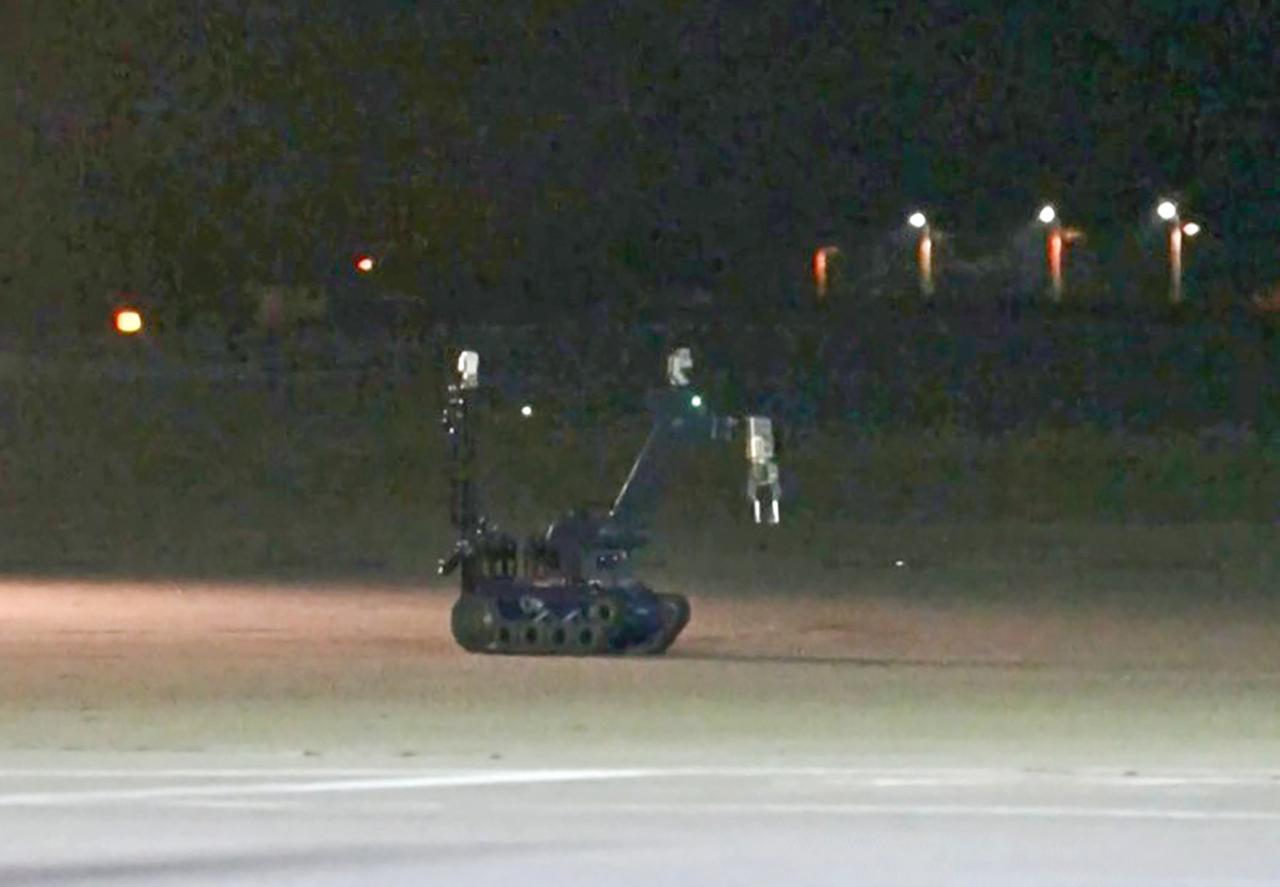
The IISS said unskilled, mass-recruited proxies still carry out most operations. But a semi-skilled tier now uses more complex methods, including improvised explosive devices (IEDs) with timed and remote detonators.
"Arrests remove proxies but are highly unlikely to deter the RIS that direct them," the report said, referring to the Russian intelligence services.
The IISS said Germany and Poland would "highly likely" remain the most targeted states because their transport, logistics and industrial networks are central to supplying Ukraine.
Military-industrial targets accounted for 28% of incidents between October 2025 and September 2026, transport 22% and energy 7%, according to the report.
Poland recorded 29 incidents in that period, 16 of which ended in arrests, the highest arrest rate of any targeted state. They included a November 2025 explosion that damaged a railway line near the village of Mika used to deliver aid to Ukraine. The Baltic states recorded 18 incidents, mostly arson, weaponized migration and balloon incursions.
The report identified three surges in activity since the 2022 invasion. A winter 2024-25 surge of 55 incidents mainly targeted Germany. A September-December 2025 surge of 61 incidents focused on Poland. An August-September 2026 surge of 25 incidents was spread across Poland, Germany and the Baltic states.
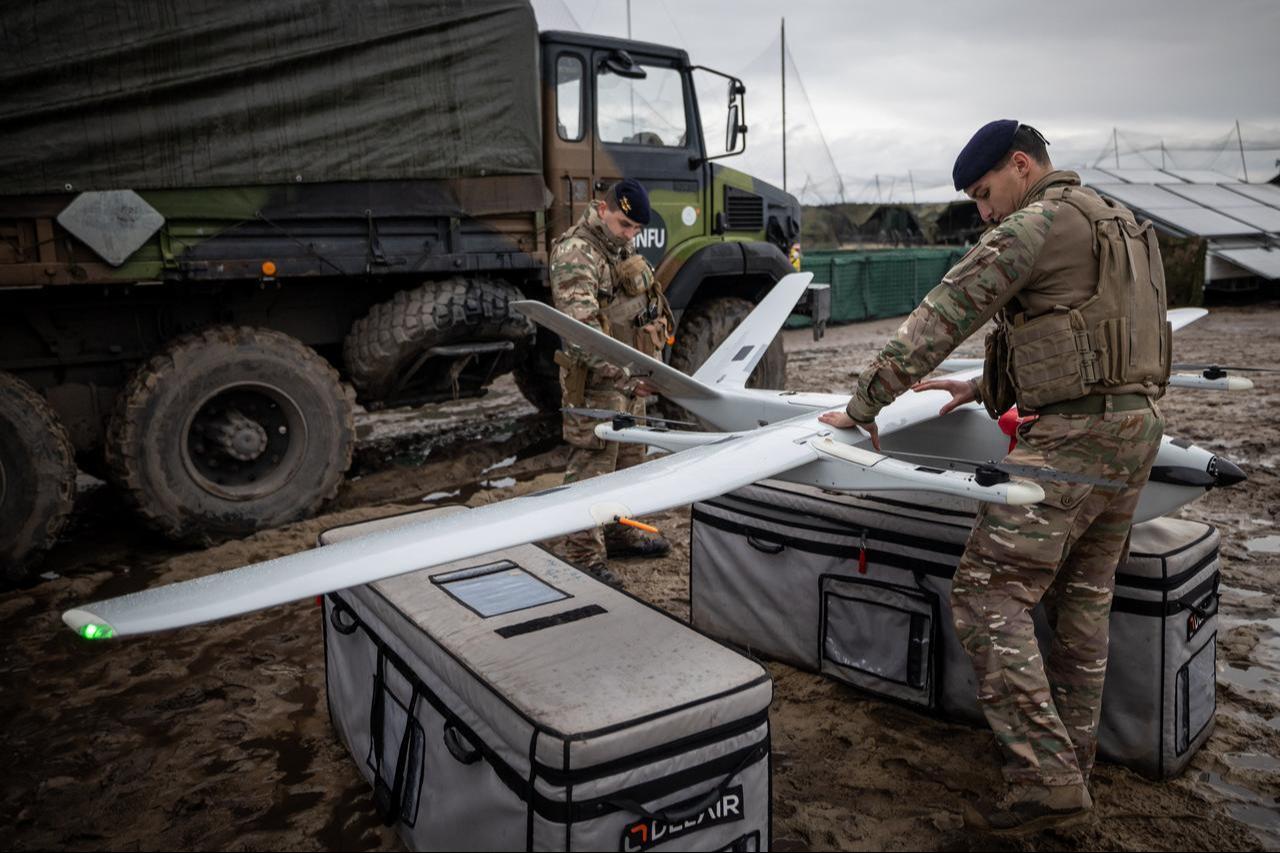

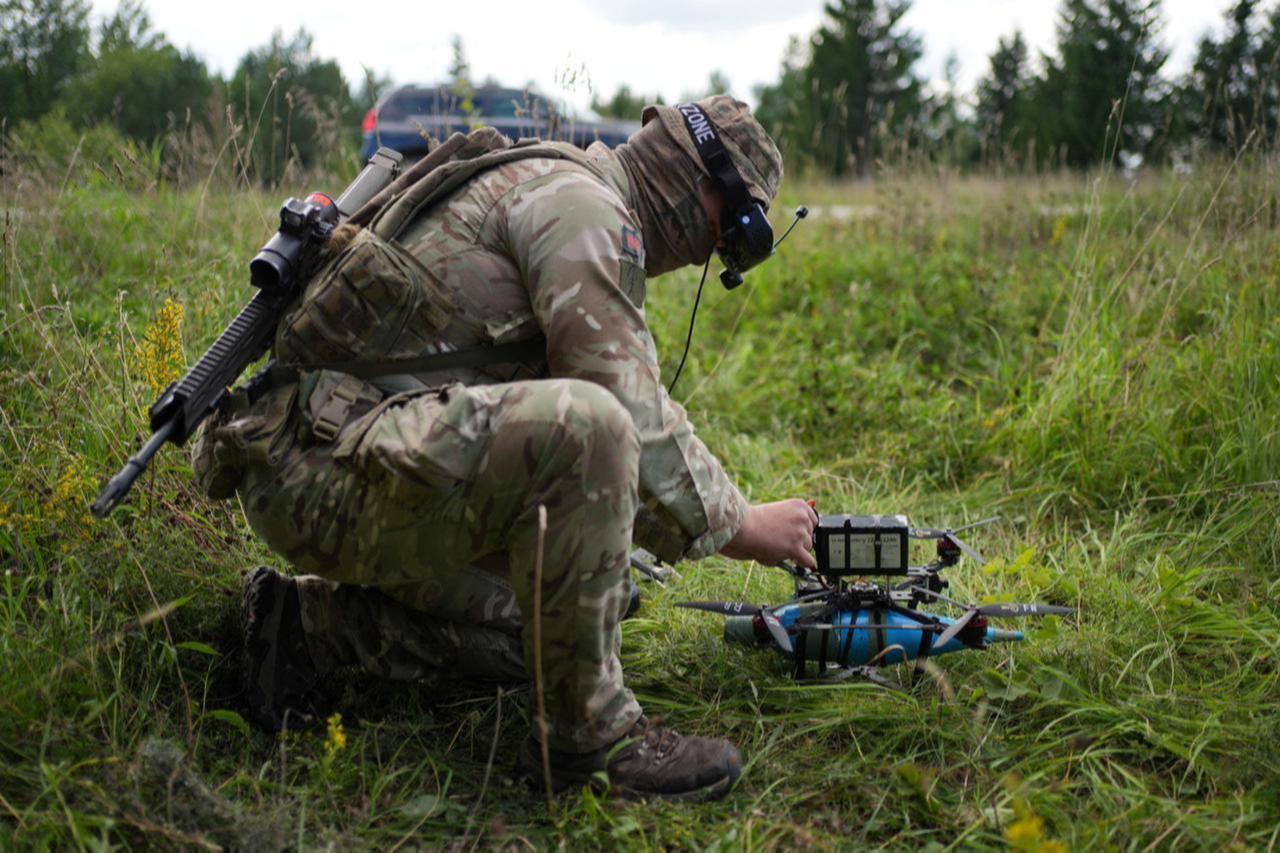
On Aug. 4, a drone laden with explosives was discovered near a Ukrainian Antonov cargo aircraft at Leipzig/Halle Airport, a cargo and military logistics hub used by NATO and Ukraine for military supplies.
Investigators suspect a second drone collided with a DHL cargo plane soon after operations were suspended.
German Interior Minister Alexander Dobrindt later said the attempted attack fit a known pattern of "Russian hybrid operations" and that investigators had proof the agents controlling the drone were working on "behalf of Russian state entities." Al Jazeera
Britain on Tuesday warned defense companies working with Ukraine's military that they face an increased sabotage threat from Russia. Russia's embassy in London said at the time: "Russia has no plans, reasons or intentions to attack the UK."
The IISS set out four scenarios to 2029, developed with its AI forecasting platform Hinsley and reviewed by researchers:
Russian President Vladimir Putin has said Moscow is not waging a sabotage campaign against Europe.


 Set as preferred source
 Set as preferred source


 1 min read

 1 min read