Newsletters


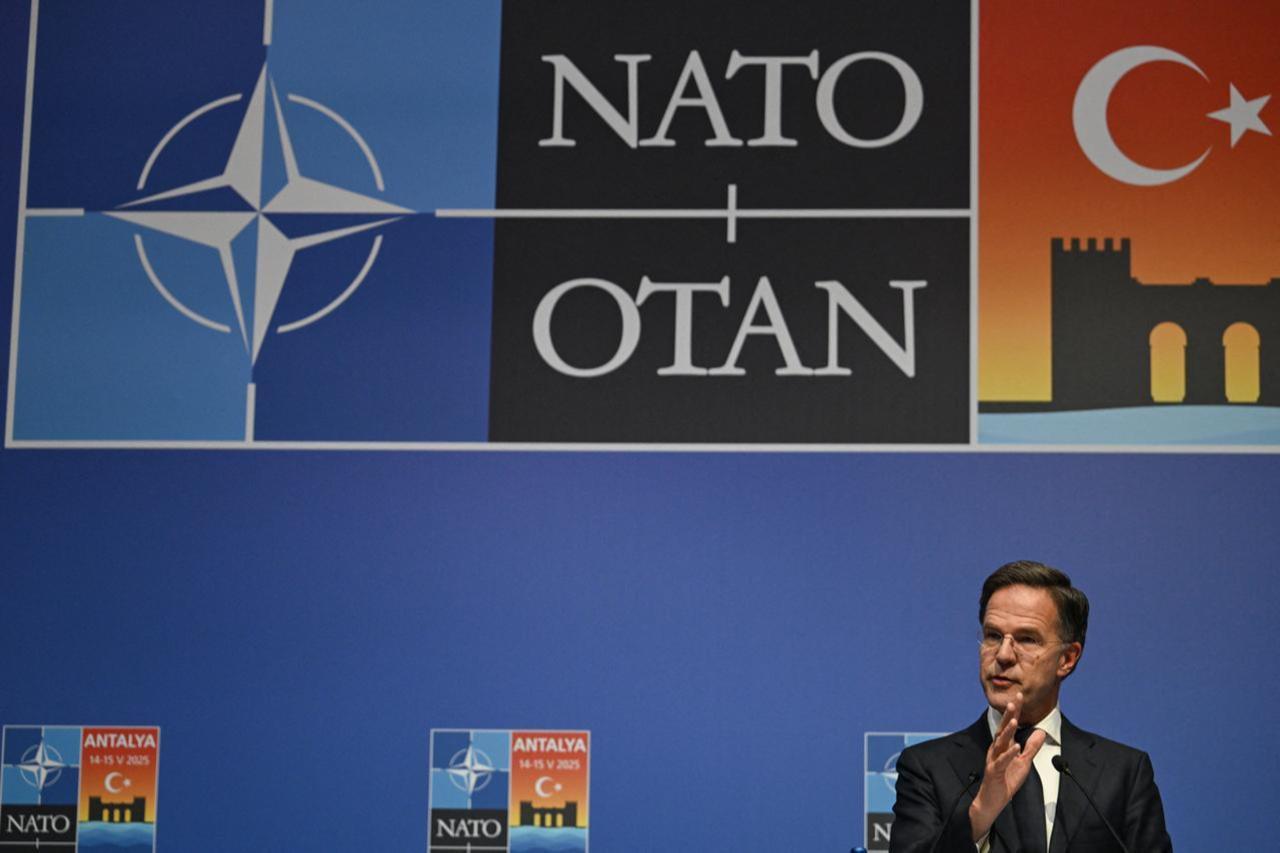


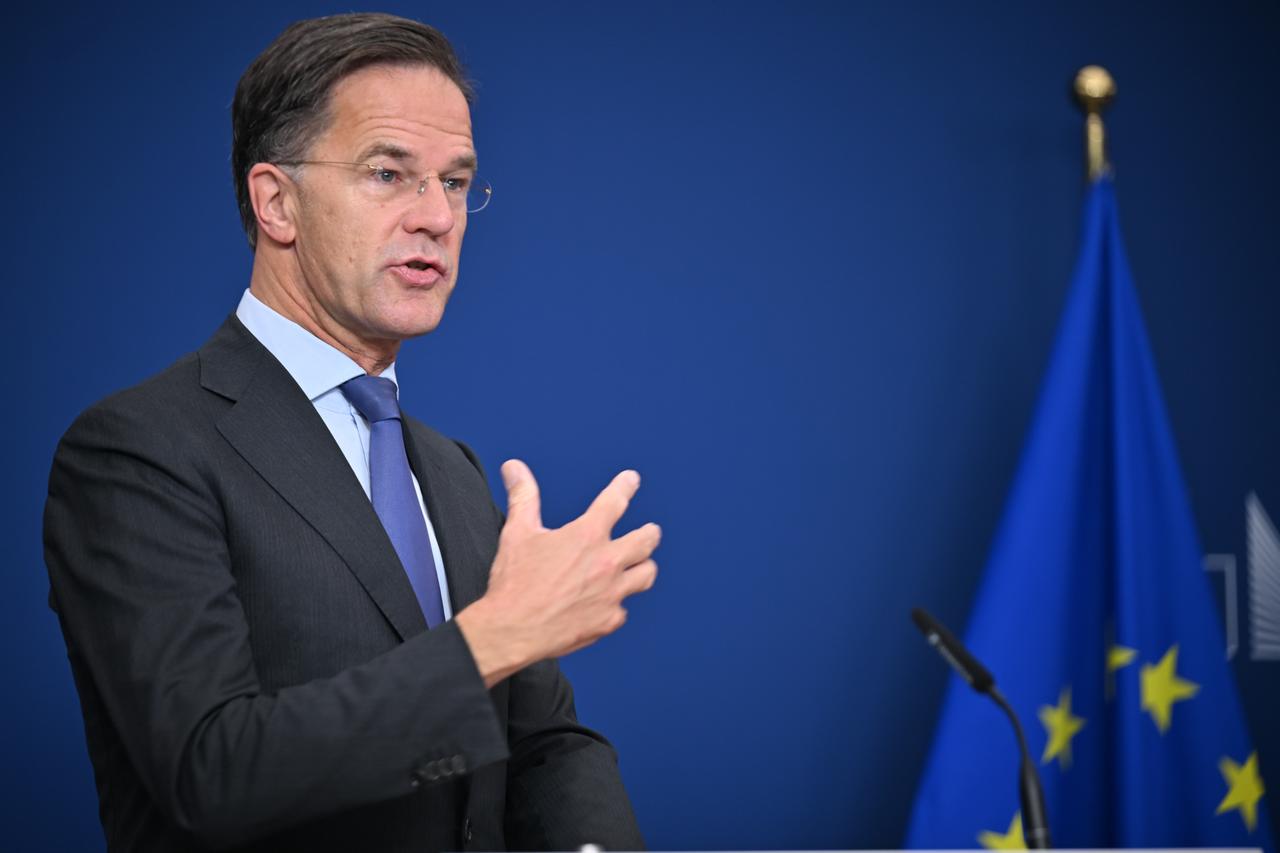
NATO Secretary General Mark Rutte highlighted Türkiye's defense industrial base as a key contributor to the alliance's deterrence capabilities, citing more than 3,000 Turkish companies that provide essential military output as NATO pushes members toward ambitious new spending targets.
Speaking to reporters following a NATO Foreign Ministers meeting in Brussels, Rutte emphasized that strengthening the alliance's defense posture requires not only personnel in uniform but also robust defense manufacturing capacity. He specifically pointed to Türkiye's defense sector as an example of the industrial foundation needed to meet current security challenges.
"Your defense industry base in Türkiye, like more than 3,000 companies, part of this defense industry base, is providing the necessary output for deterrence and defense," Rutte said, responding to questions about European military readiness.
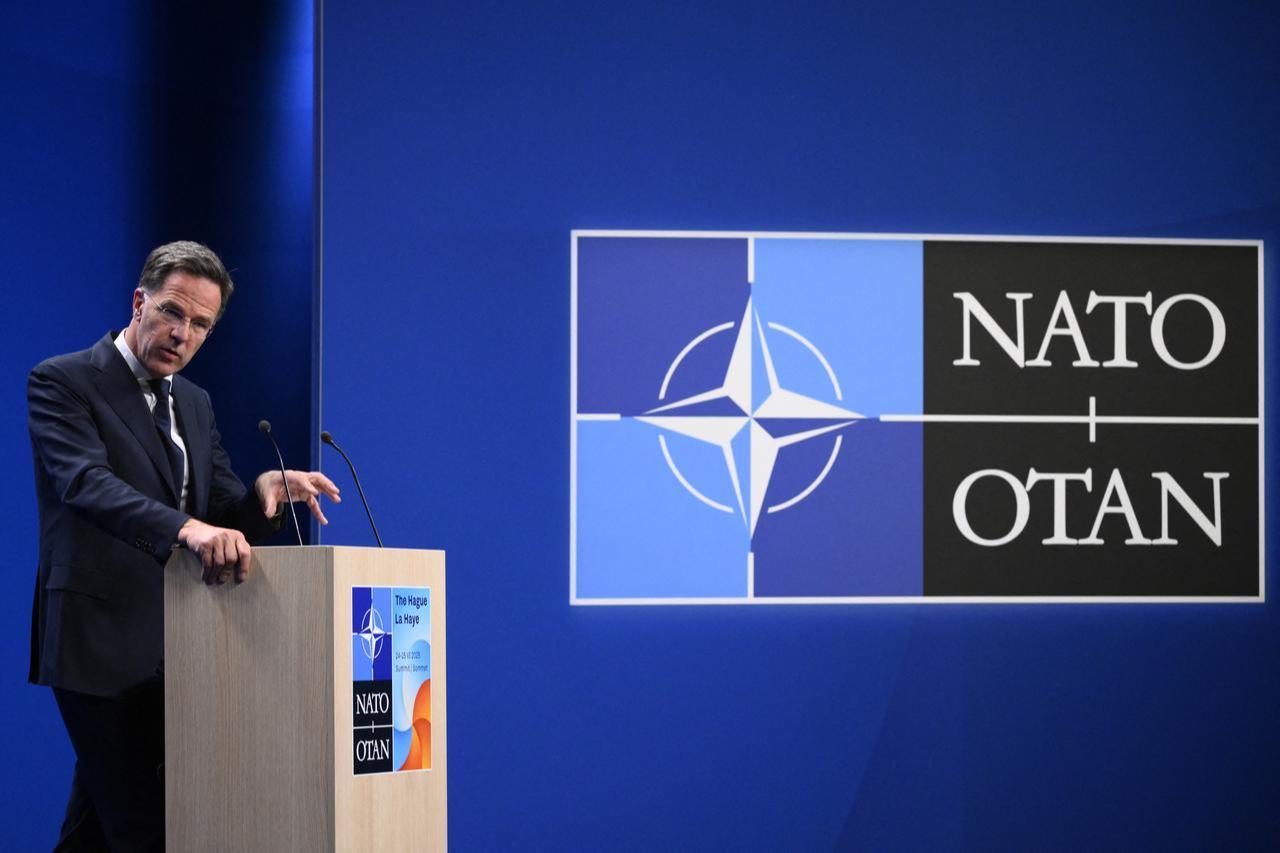

The Brussels meeting focused heavily on defense investment strategies as NATO members work toward implementing commitments made at The Hague Summit to spend 5 percent of GDP annually on defense. Ministers reviewed ongoing planning to establish credible roadmaps for reaching this target, which Rutte said would enable the alliance to develop and procure critical capabilities including advanced air defense systems.
The increased spending target represents a significant escalation from NATO's long-standing 2 percent guideline. Rutte justified the ambitious goal by noting Russia's massive military expenditures, stating that Moscow now dedicates approximately 40 percent of its state budget, roughly $200 billion annually, to defense spending.
"Right now they're spending about 10 percent of their GDP on defense," Rutte said of Russia. "The rapid strengthening of the Russian Armed Forces means we need to respond."
The NATO chief noted that Russia's purchasing power makes its defense spending even more formidable compared to European economies due to different economic structures. He said the new 5 percent target would include 3.5 percent dedicated specifically to core defense.
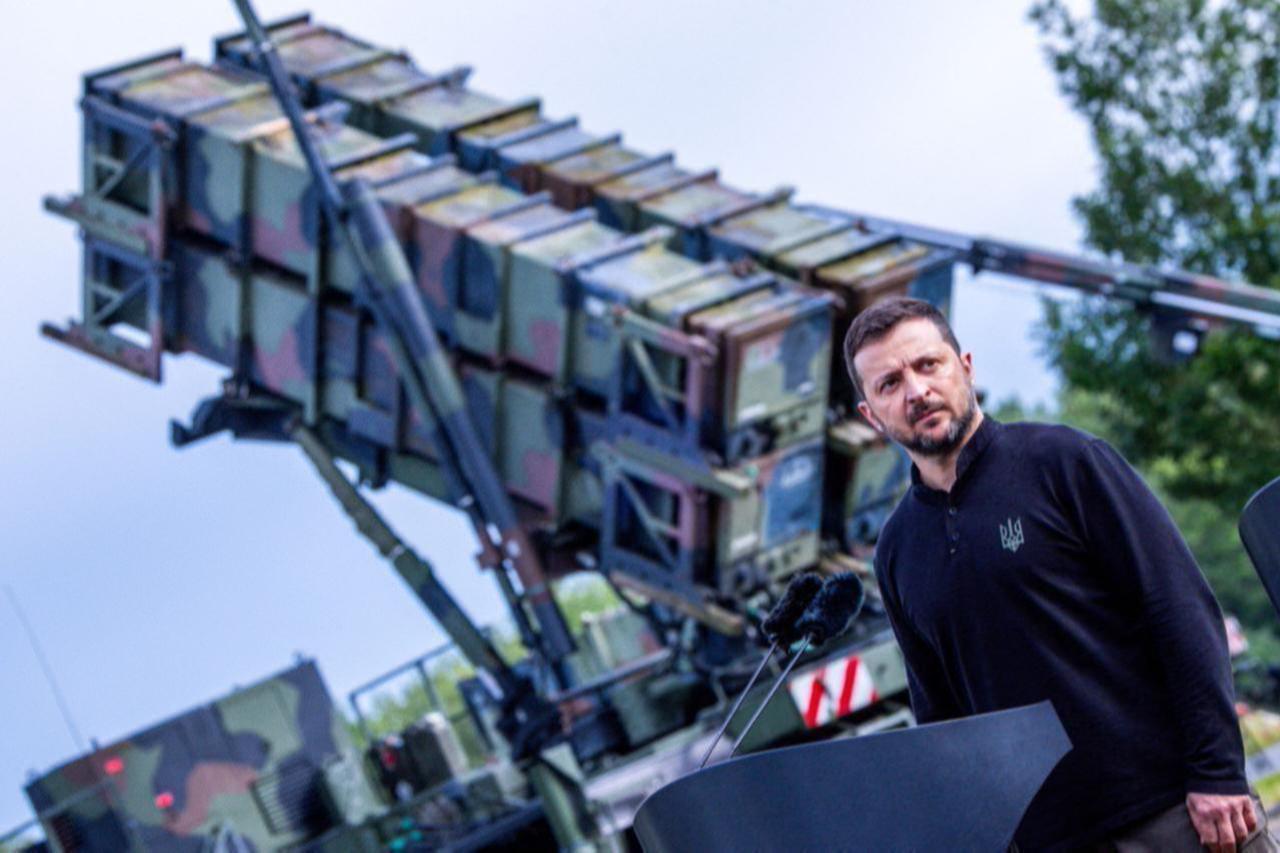
Rutte announced that more than two-thirds of NATO allies have now pledged contributions to Ukraine's Priority Needs List (PURL) program, with total commitments surpassing $4 billion. He said the alliance expects to reach its $5 billion goal for the year, with additional pledges announced from Canada, Germany, the Netherlands, Norway, and Poland. Australia and New Zealand will also contribute, according to Rutte.
The PURL program coordinates the delivery of American weapons and equipment to Ukraine. Rutte called the aid flow critical and urged all countries to accelerate their commitments.
Addressing Russian President Vladimir Putin directly, Rutte said the Kremlin leader believes he can outlast Western support for Ukraine but is mistaken. "We're not going anywhere," the secretary general said, adding that NATO is strengthening Ukraine support while increasing pressure on Russia through measures including actions against Moscow's shadow fleet.
Rutte welcomed U.S. President Donald Trump's ongoing efforts to secure what he called "a fair and lasting peace," describing American leadership on potential negotiations as vital. However, he stressed that continued military support for Ukraine remains essential while diplomatic discussions proceed.
 1 min read
Asked about European countries reconsidering mandatory military service, Rutte acknowledged that nations are taking different approaches to force generation. He said some countries will implement conscription while others are exploring voluntary models, citing recent German decisions as an example.
"The decision is up to each individual country," Rutte said, noting that military readiness depends both on uniformed personnel and defense industrial capacity.
On China, Rutte warned that Beijing is rapidly building military capabilities, including plans to reach 1,000 nuclear warheads by decade's end. He noted China already possesses more naval vessels than the United States and operates some of the world's largest defense companies.
Regarding potential NATO involvement in Ukraine peace negotiations, Rutte said alliance-related issues would be addressed separately if they become part of peace discussions. He described his team as working in close coordination with the White House and State Department to support the negotiation process.


 Set as preferred source
 Set as preferred source


 1 min read