Newsletters


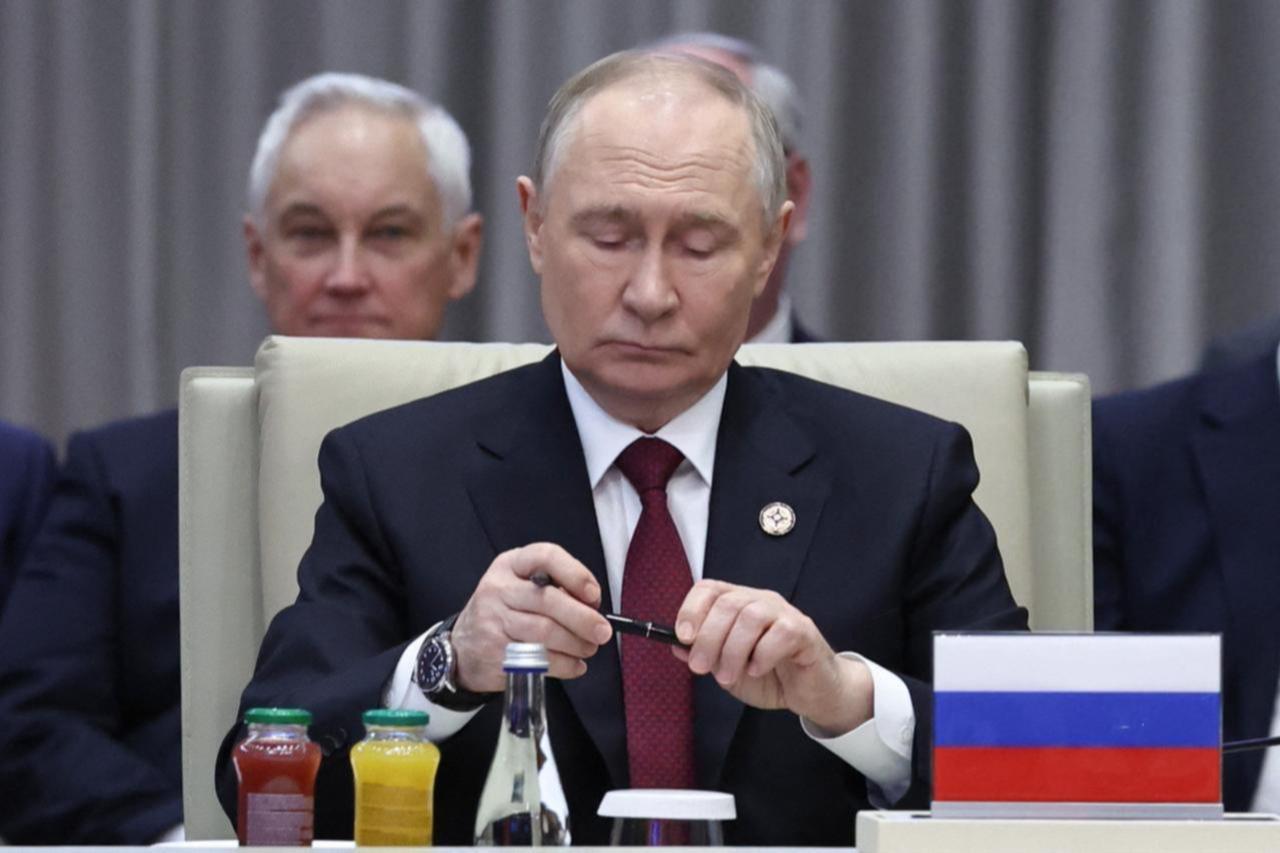


US-Russia negotiations in Moscow concluded Wednesday with no signs of progress, as the Kremlin identified Ukraine's potential NATO membership as a central issue preventing a peace agreement to end the nearly four-year war.
The talks brought together Russian President Vladimir Putin with US envoy Steve Witkoff and Jared Kushner, son-in-law of President Donald Trump, who campaigned on a promise to resolve the conflict within 24 hours of taking office. Despite the high-level engagement, fundamental disagreements over Ukraine's future security arrangements continue to block any path toward ending the fighting.
NATO membership has emerged as perhaps the most intractable stumbling block in the negotiations. Kyiv views joining the transatlantic alliance as essential protection against future Russian aggression, while Moscow has repeatedly cited NATO's eastward expansion as justification for its military intervention in Ukraine that began in Feb. 2022.


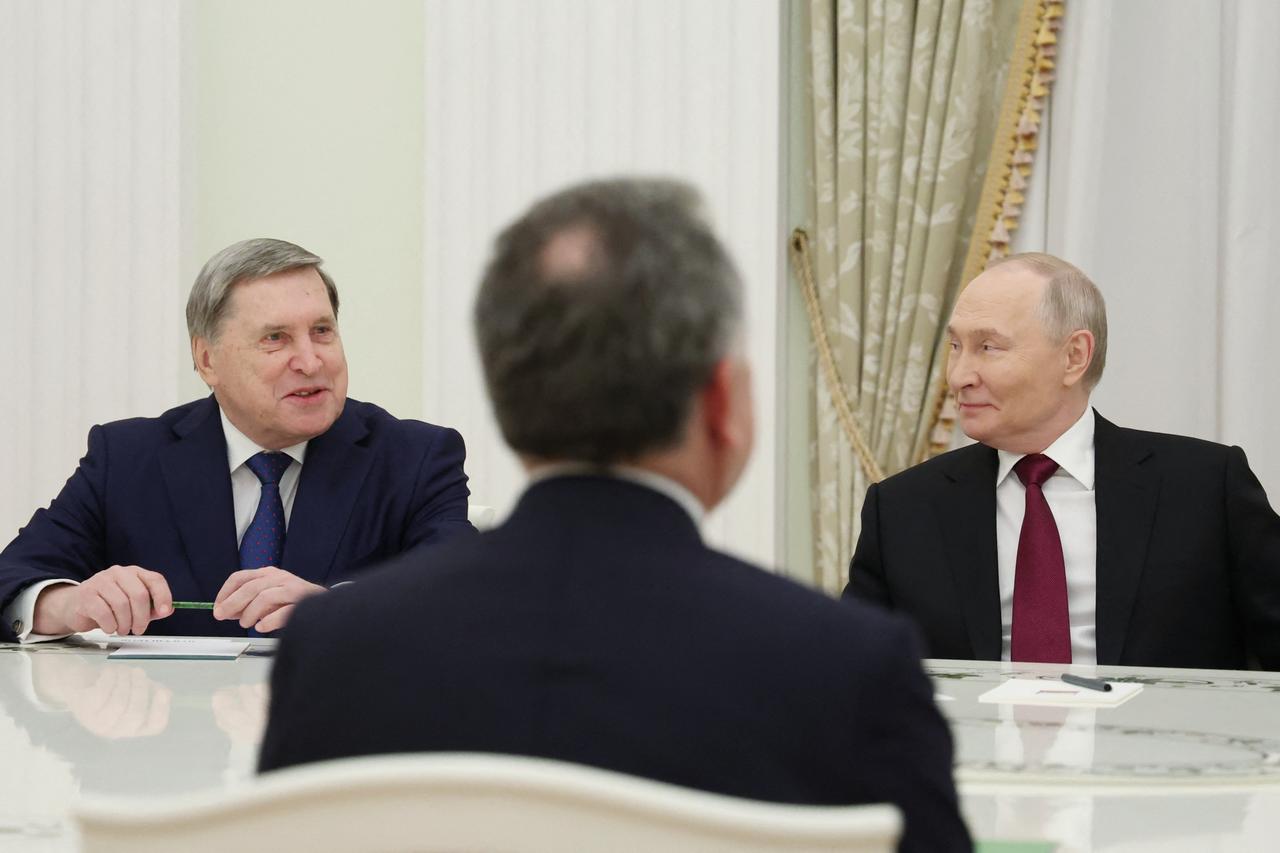
Top Kremlin aide Yuri Ushakov characterized NATO membership as "one of the key questions" addressed during Tuesday's discussions, telling journalists that American representatives "have confirmed their readiness to take into account our considerations and our key proposals."
The statement suggested Moscow believes Washington may be willing to compromise on Ukraine's alliance aspirations, though no specific commitments were announced. Trump has publicly opposed Ukrainian NATO membership on multiple occasions, and his administration's recently proposed 28-point peace plan explicitly rules out admitting Kyiv to the alliance—a provision critics described as resembling a Russian wish list.
 1 min read
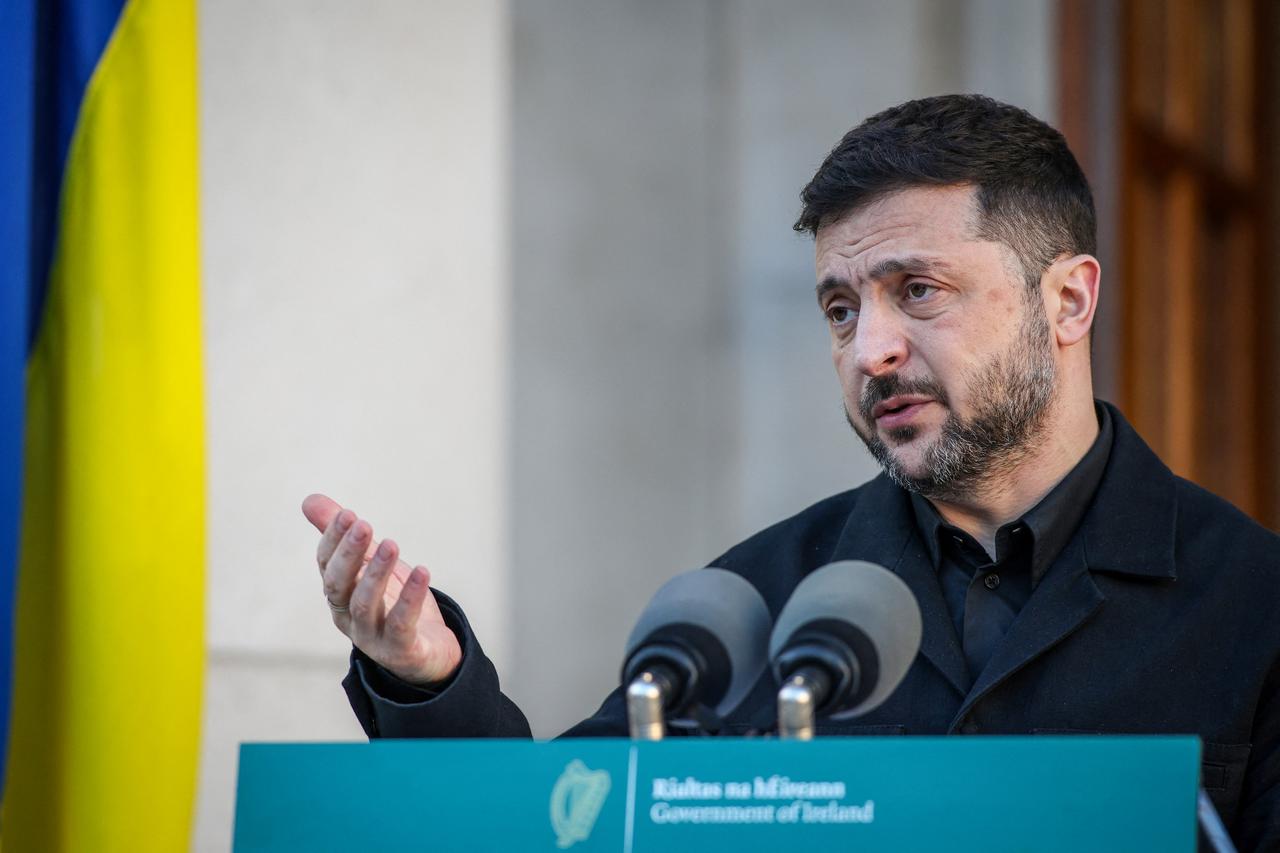
That initial American plan underwent revisions by Ukrainian and European officials, but Moscow appeared to reject the amended version during this week's Moscow meeting. The impasse reflects fundamentally incompatible positions: Ukraine seeks ironclad security guarantees that would prevent another invasion, while Russia demands assurances that NATO will not expand to its doorstep.
NATO, a collective defense organization founded in 1949, operates on the principle that an attack on one member constitutes an attack on all. For Ukraine, membership would theoretically provide the ultimate deterrent against future Russian military action. For Moscow, Ukrainian accession to the alliance represents an unacceptable security threat.

NATO Secretary General Mark Rutte affirmed Wednesday that the organization's door remains open to Ukrainian membership, while acknowledging that "there is no consensus on Ukraine joining NATO" among current member states. The statement highlighted the delicate balance alliance leaders must strike between supporting Kyiv and maintaining unity on an issue that could dramatically escalate tensions with Moscow.
The alliance's foreign ministers gathered in Brussels Wednesday to discuss the American-led diplomatic push, though the absence of US Secretary of State Marco Rubio from the meeting raised questions about Washington's coordination with European allies on the peace initiative.


 Set as preferred source
 Set as preferred source


 1 min read