Newsletters


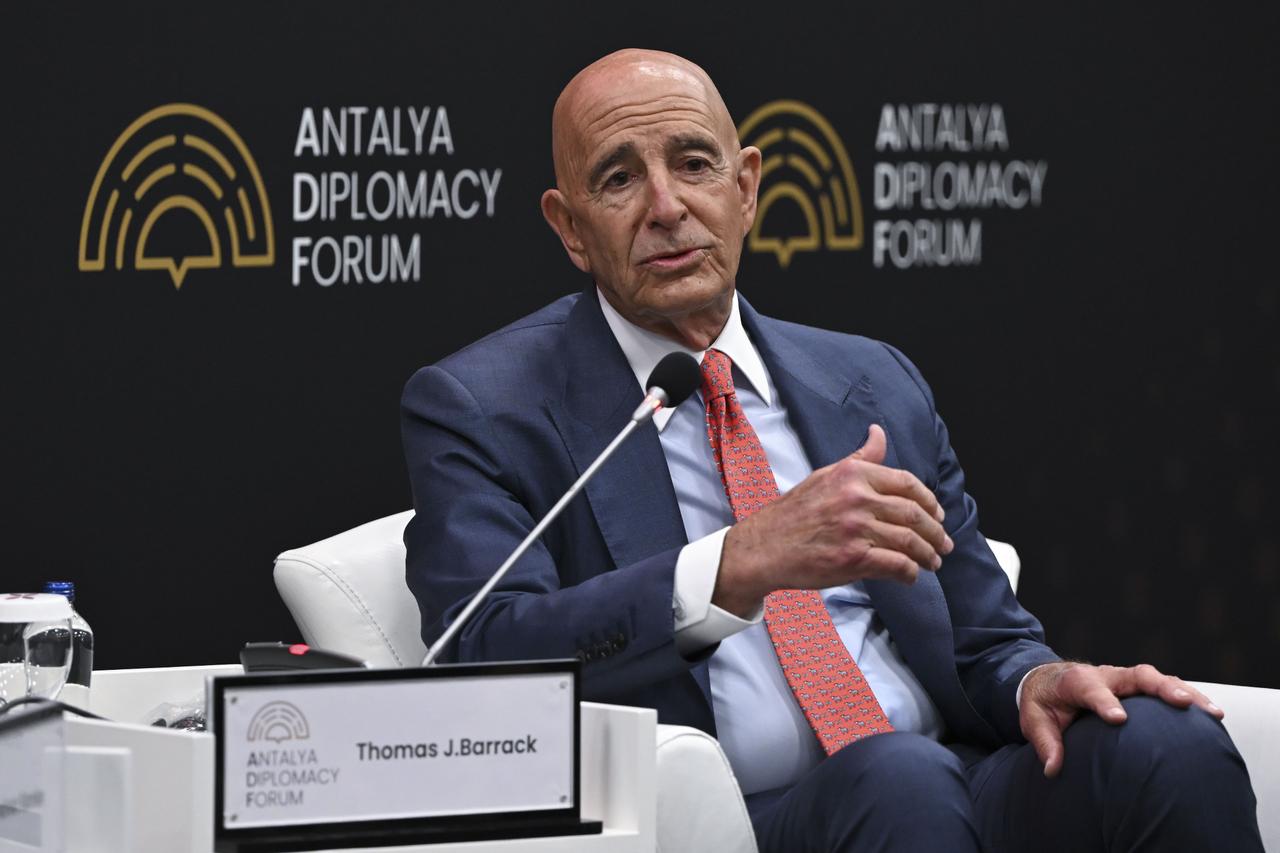


U.S. Ambassador to Türkiye and Syria Special Envoy Tom Barrack said Friday he expects the S-400 dispute between Türkiye and the United States to be resolved "soon," with F-35 program re-entry "fine from my boss's point of view."
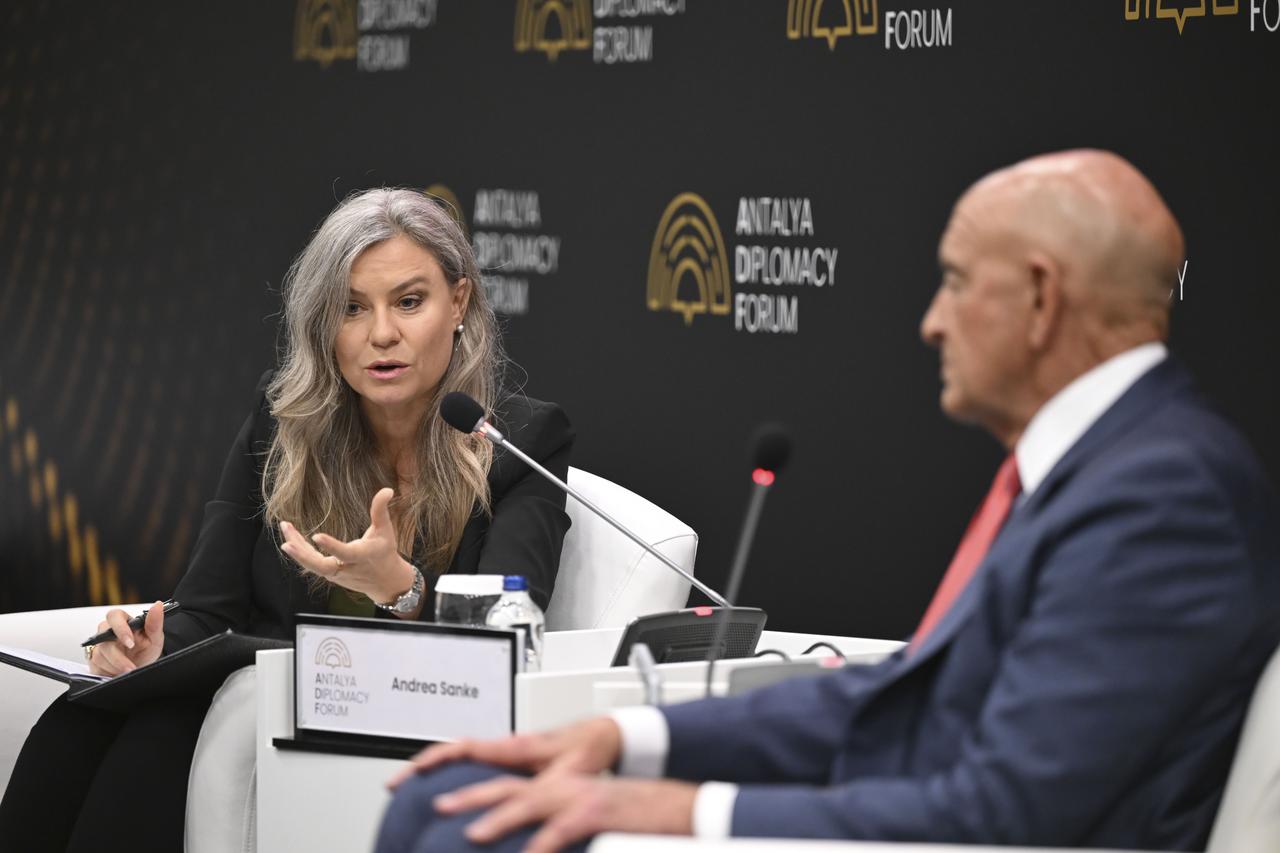
Barrack delivered a wide-ranging assessment at the Antalya Diplomacy Forum, praising Türkiye as "the only real economy in the middle of this complicated region."
He also predicted a Syria-Israel normalization agreement before a Lebanon deal and argued the Abraham Accords represent "the only answer" for regional stability.
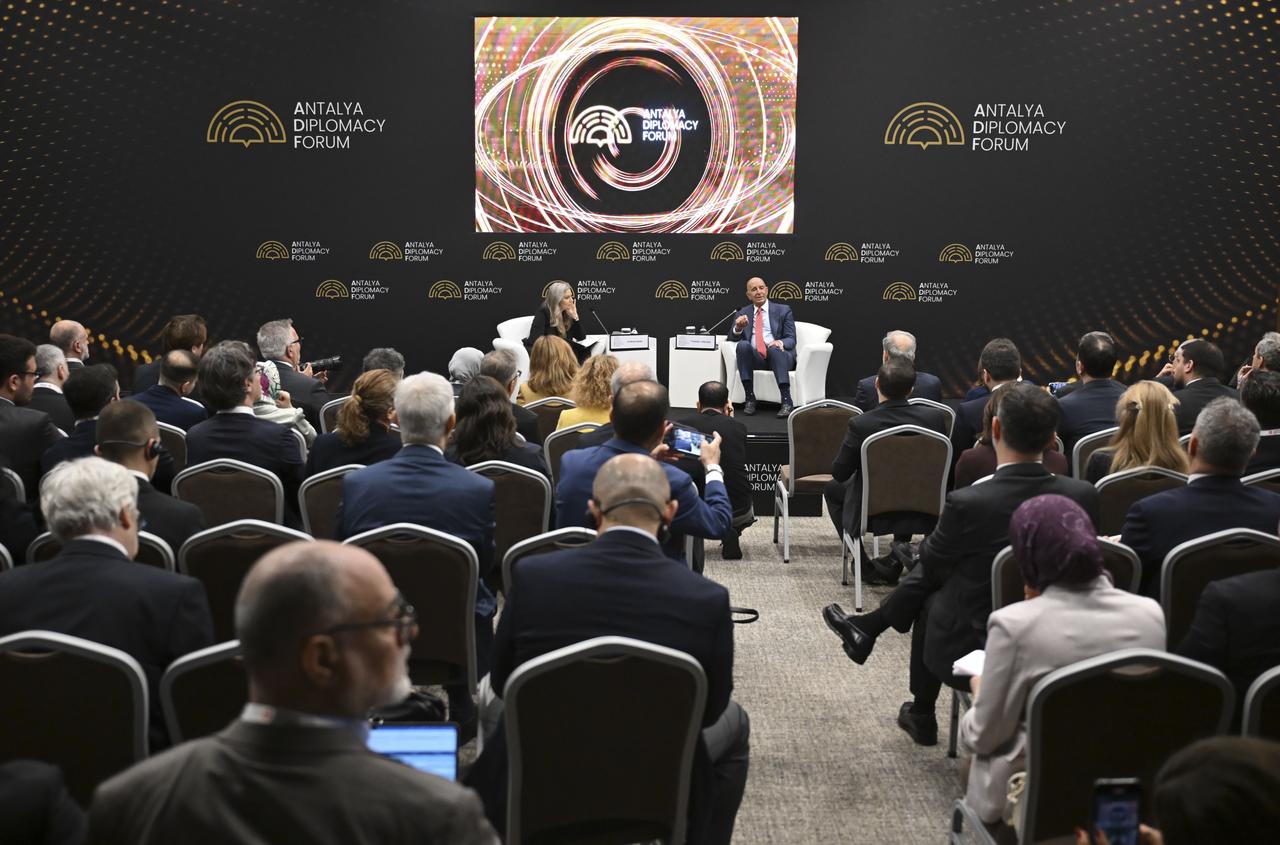
Speaking at a panel discussion at the Antalya Diplomacy Forum, Barrack said progress in the bilateral relationship had been dramatic.
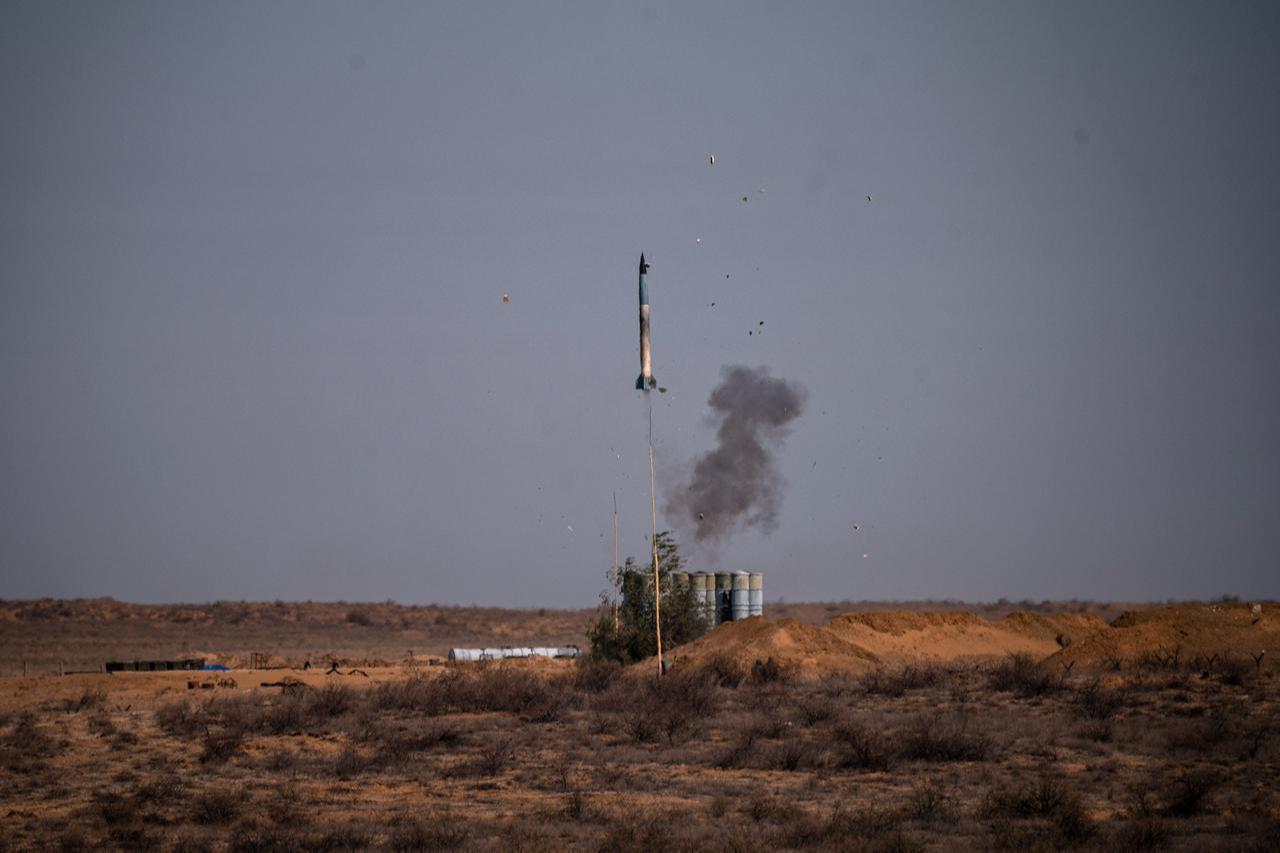
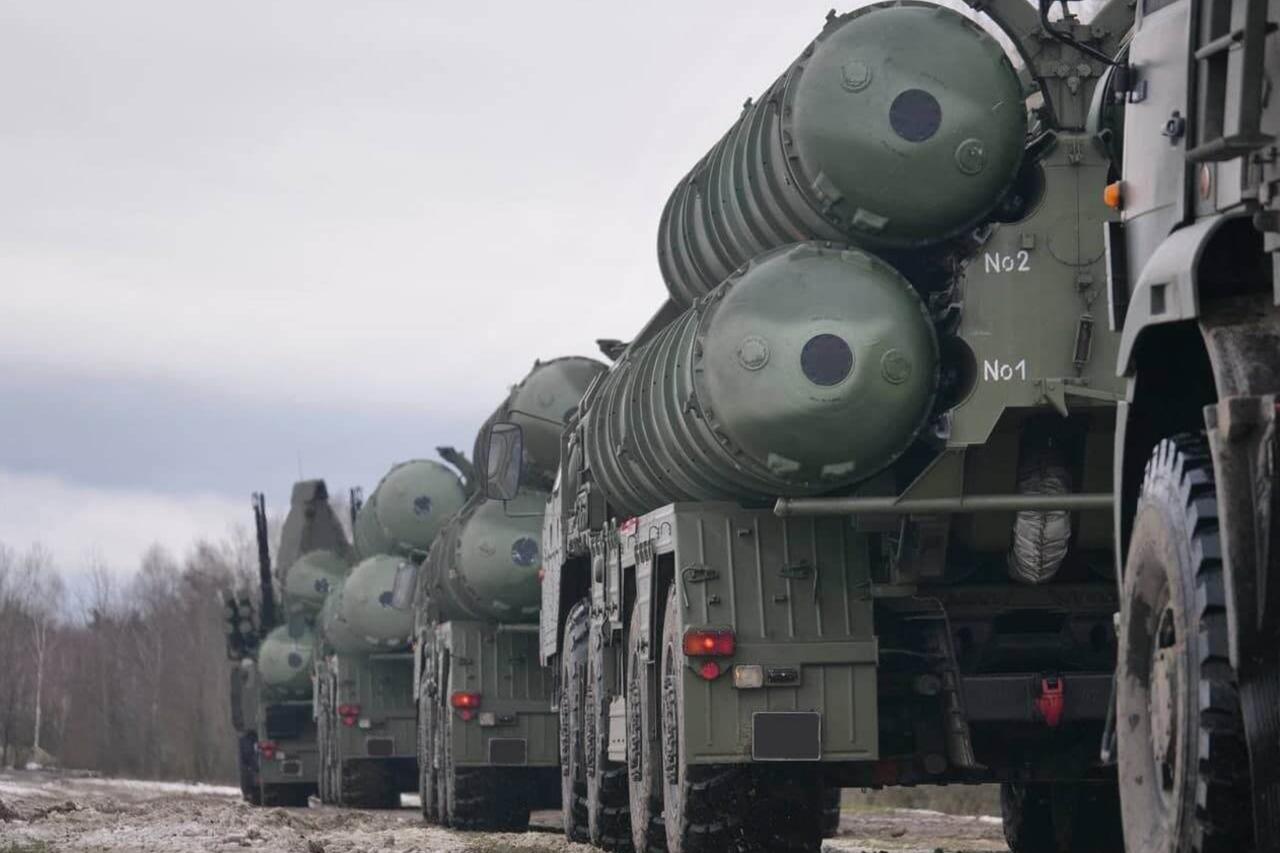
"I think you are going to see the S-400 situation solved soon. From my boss's point of view, acceptance into an F-35 program is fine," Barrack said.
He noted that Greece already operates both S-300 air defense systems and F-35 aircraft.
He added that bilateral progress in the past 16 months has exceeded the previous 15 years combined, at the presidential, foreign minister, intelligence, military and business levels.
Barrack cited the Halkbank resolution as a concrete example: the bank had been sanctioned for a decade, "couldn't move" globally and was now resolved.
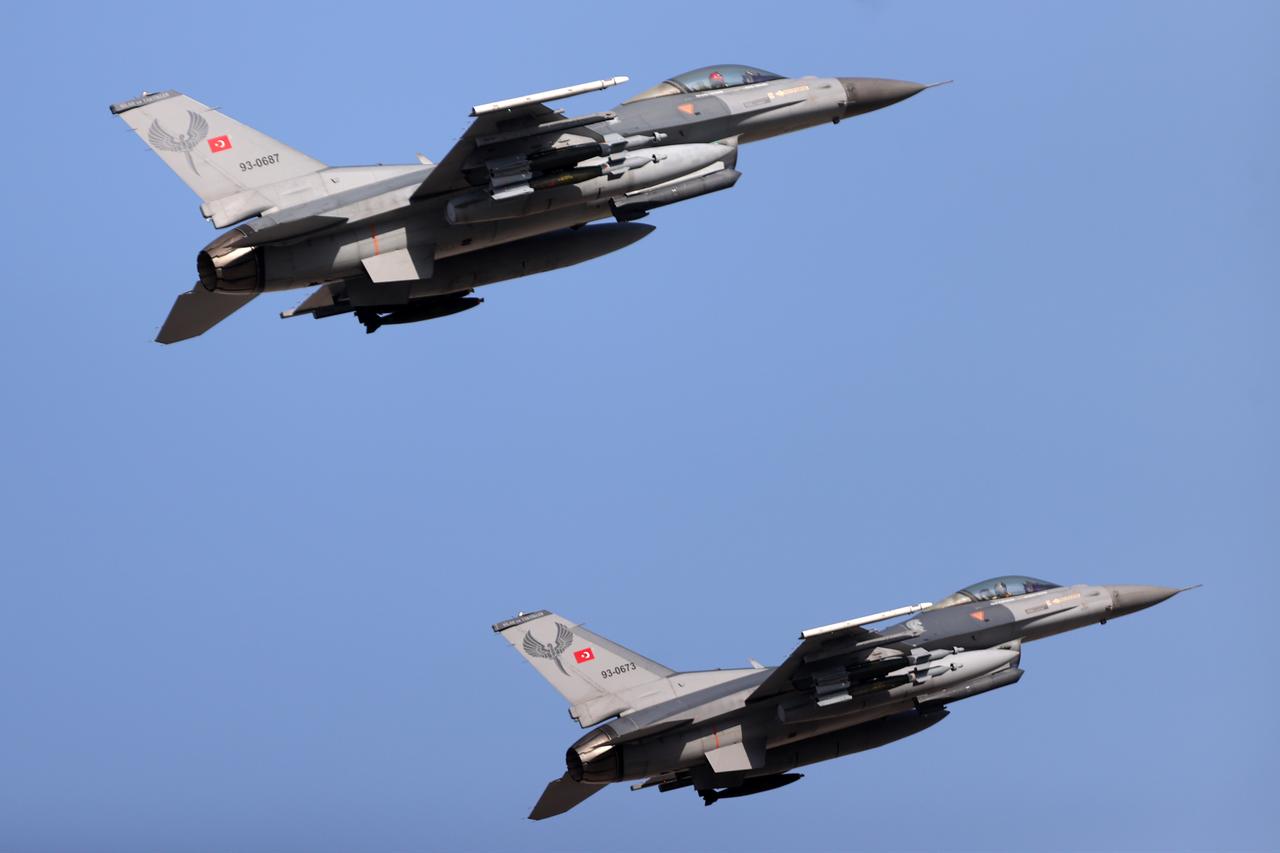
He also noted F-16 negotiations were back on track and said that cooperation over Syria had been "primarily beneficial to Türkiye."

Barrack offered an expansive assessment of Türkiye's strategic importance, framing it as indispensable to any future regional order.
"Türkiye, which happens to be the only real economy in the middle of this very complicated region, is a real nation. People, resources, army. We talk about NATO, it is the second-largest supporter of NATO, but it's also one of our most relevant and important engines now when we go to this just-in-case philosophy," he said.
He added that just-in-time global logistics were giving way to just-in-case thinking, and that "everything, oil, gas, information, data, materials, flows through Türkiye and Syria. Everything. Fiber optics. We're talking about Azerbaijan and Armenia and what could that passageway be."
On Israeli rhetoric suggesting Türkiye could become the "new Iran," Barrack dismissed the framing and predicted the underlying dynamics would normalize.
"Türkiye is not a country to be messed with," Barrack said.
"Before October 7th, we still had a trade surplus. They've been dealing with each other. They're still dealing with each other. It's rhetoric, horrible rhetoric, that we have to figure out a way to solve. I think this rhetoric is going to go away," he added.
He noted that in Istanbul and Tel Aviv, newspapers each portray the other country as pursuing expansionism, the "Ottoman Empire 2.0" versus "greater Israel," and said the strategic reality would force alignment.
"Israel aligned with Türkiye, like Israel aligned with Abu Dhabi, like Saudi Arabia could be aligned with Israel. For the prosperity of the Israeli people, to me, that's the answer," he added.
 1 min read
Barrack provided a personal account of the role President Erdogan played in the most recent Hamas-related diplomacy.
"On Sunday morning at 10 o'clock, before the peace deal was made and the Sharm el-Sheikh deal was made, there were two Hamas leaders that needed to agree. President Trump, at 10:15 in the morning, calls President Erdogan and says, 'we need you to intervene.'
President Erdogan, Hakan Fidan, Ibrahim Kalin all spent that afternoon and brought those two Hamas leaders over. It could have never happened had they agreed with us that Hamas was a foreign terrorist organization and you have to exclude them," Barrack said.


 Set as preferred source
 Set as preferred source


 1 min read