Newsletters




Türkiye could play a leading role in creating an "air shield" over the Black Sea and may deploy military forces to Ukraine under ceasefire conditions.
Ankara's balancing act between Russia and NATO—including the ongoing S-400 issue—continues to limit deeper integration, according to an analyst.
In an exclusive interview with Ukrinform marking the 34th anniversary of Ukrainian-Turkish diplomatic relations, Yevgeniya Gaber, a national security professor and senior fellow at the Atlantic Council and Carleton University's Centre for Turkish Studies, said Türkiye's position on Ukraine has been consistently principled.
"Against the backdrop of changing U.S. rhetoric from '1991 borders' to 'ceding Donbas to Russia,' Türkiye's position is important—it consistently and principally emphasizes respect for Ukraine's sovereignty and territorial integrity," Gaber said.
"Ankara has repeatedly stressed that any peace must be acceptable to the Ukrainian people and based on restoring Ukraine's territorial integrity, including Crimea. This is a clear and important signal in the broader international context," she noted.
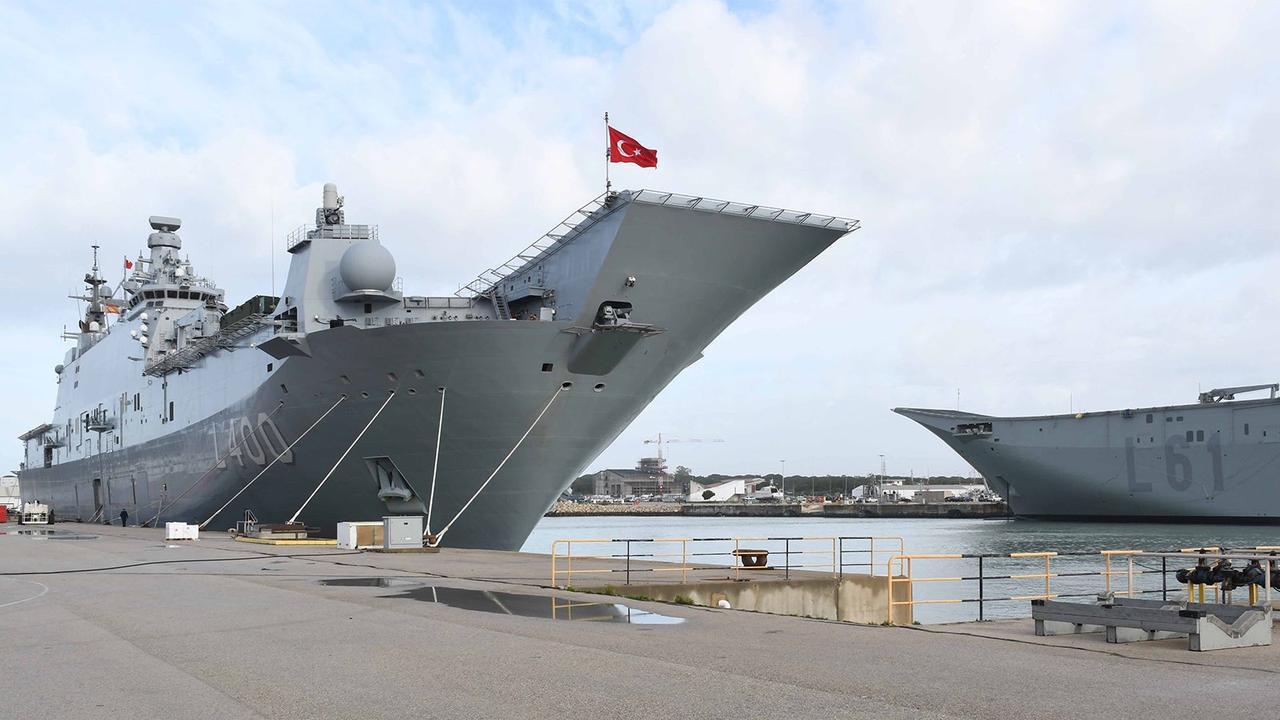

Gaber identified aerial patrol over the Black Sea as an area where Ankara could take a leadership role to protect the port and critical infrastructure, as well as commercial shipping regularly targeted by Russian attacks.
"While Ankara traditionally insists that security formats in the Black Sea should be based on cooperation among NATO Black Sea countries—Türkiye, Romania and Bulgaria—without naval presence from allies outside the region, this logic does not extend to aerial patrol," she said.
"So with political will, Türkiye could play a key role in creating and coordinating the so-called air shield over the Black Sea," she noted.
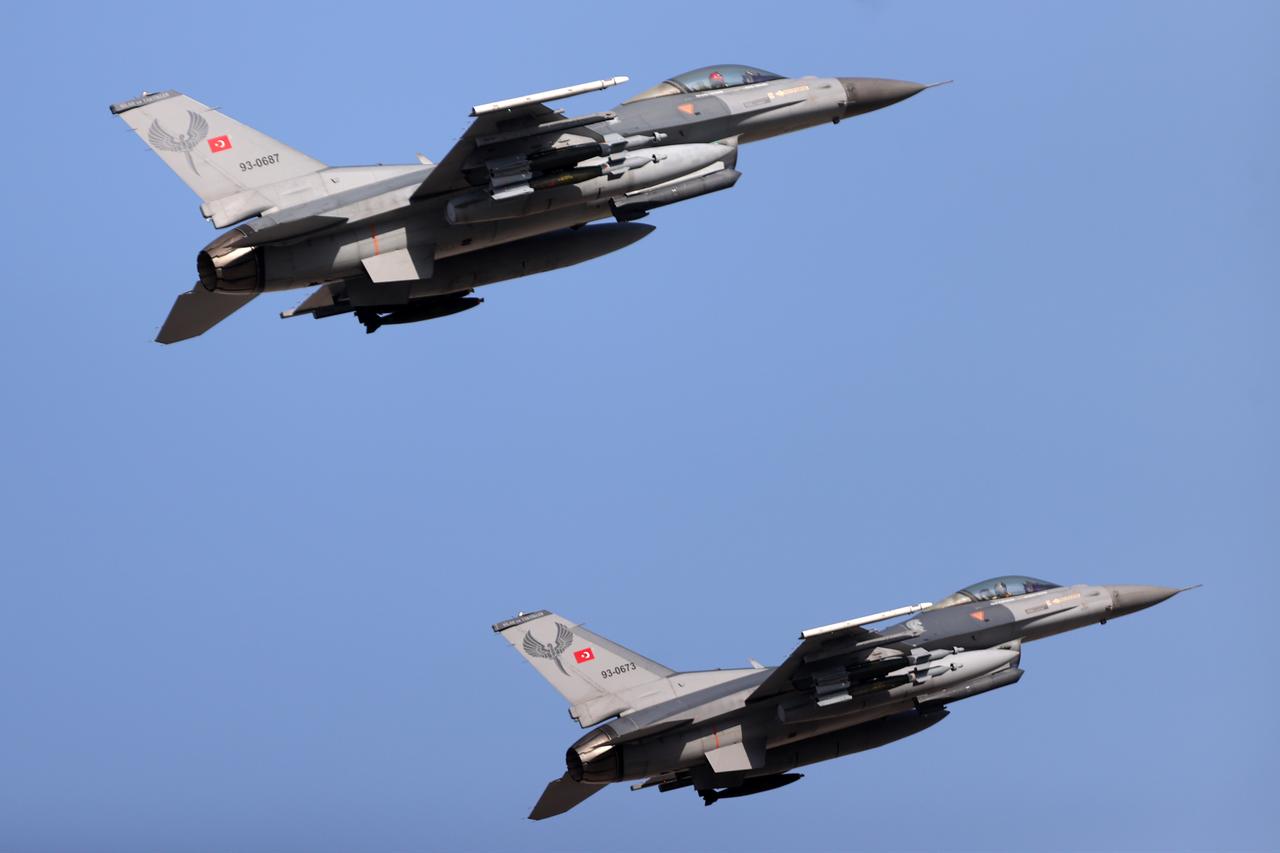
The Atlantic Council analyst also noted that Türkiye joined the pan-European Sky Shield air defense initiative in 2024 and plans to send F-16s to Romania for patrol duties from December 2026 to March 2027.
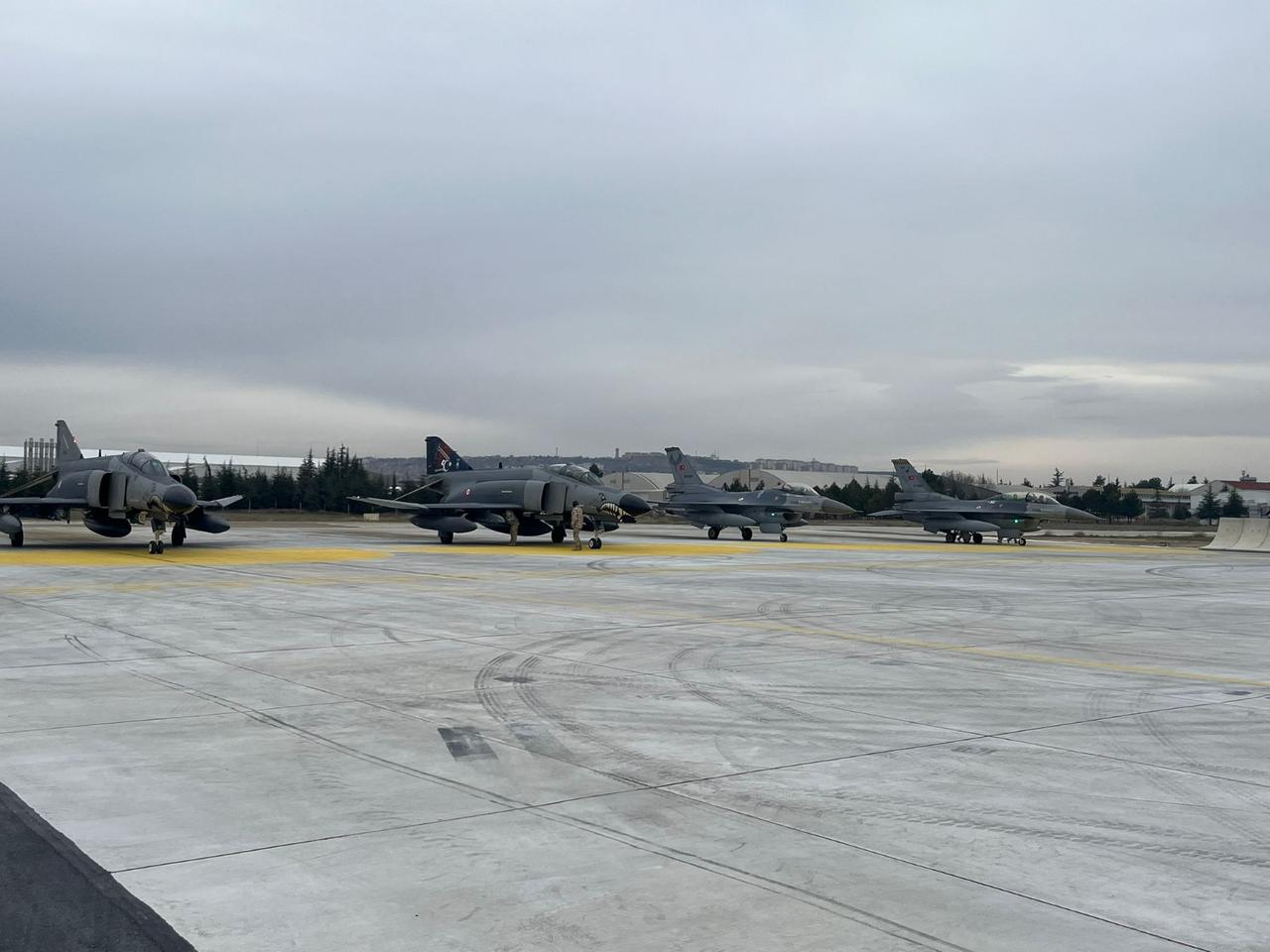
Türkiye's statements about possibly sending military forces to Ukraine represent a long-term prospect rather than a near-term realistic scenario, Gaber assessed.
"Such participation is only possible after establishing a ceasefire regime, and we are currently far from understanding when, under what conditions, and along what line it could be implemented," she added.
"Any peacekeeping or stabilization mission would require multilateral support: political, military, aerial, intelligence, logistical and so on. Ankara traditionally joins multilateral operations, but this requires real decisions from partners, which I don't currently see," Gaber wrote.
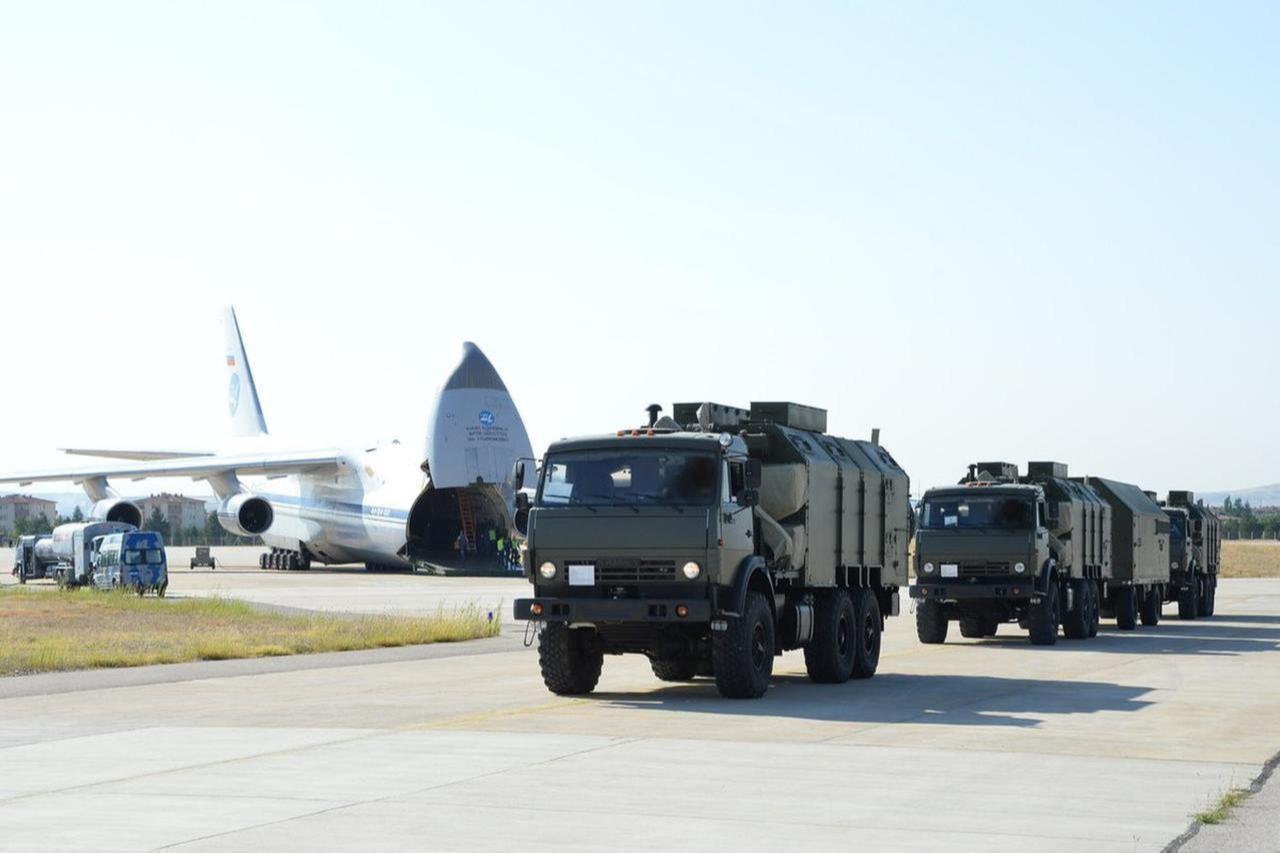
Gaber described Russia's S-400 air defense system in Turkish hands as "absolutely a political, not military, project from the very beginning—a Russian tool for deliberately creating tension in Ankara's relations with NATO partners."
"This system is ineffective, unsuitable for integration into NATO defense structures, and is practically not used by Türkiye. At the same time, it became one of the key factors in the sharp deterioration of Ankara's relations with Western partners after 2016," she stated.
"The S-400 story is toxic and strategically harmful for both Türkiye and Euro-Atlantic security as a whole. Only Moscow benefited from this situation," she added.
Resolving this issue—whether through transfer to a third party or return to Russia—and restoring Türkiye's full participation in the F-35 program would signal "a gradual but clear shift in Ankara's complex balancing—one step further from Russia and toward deeper and more systematic cooperation with NATO," Gaber said.
On the ongoing talks, Gaber offered a sobering assessment of Russian intentions.
"The main lesson not only of 2025 but of all previous negotiation rounds with Russia—from the Minsk agreements to attempts at dialogue after the start of the full-scale invasion—is one: Russia has never perceived negotiations as a path to peace," she said.
"For Moscow, it is a form of continuing war by other means: diplomatic, informational, political," Gaber noted.
She added that Russia's drone incursions into Turkish airspace are "undoubtedly provocations"—testing Ankara's red lines.
"The fact that F-16 fighters were involved in intercepting Russian drones was an important signal: Ankara clearly demonstrated that its airspace is not a gray zone. Russia should remember this well from 2015, when Turkish air defense forces shot down a Russian Su-24 in their airspace on the Syrian border," Gaber concluded.


 Set as preferred source
 Set as preferred source


 4 min read