Newsletters


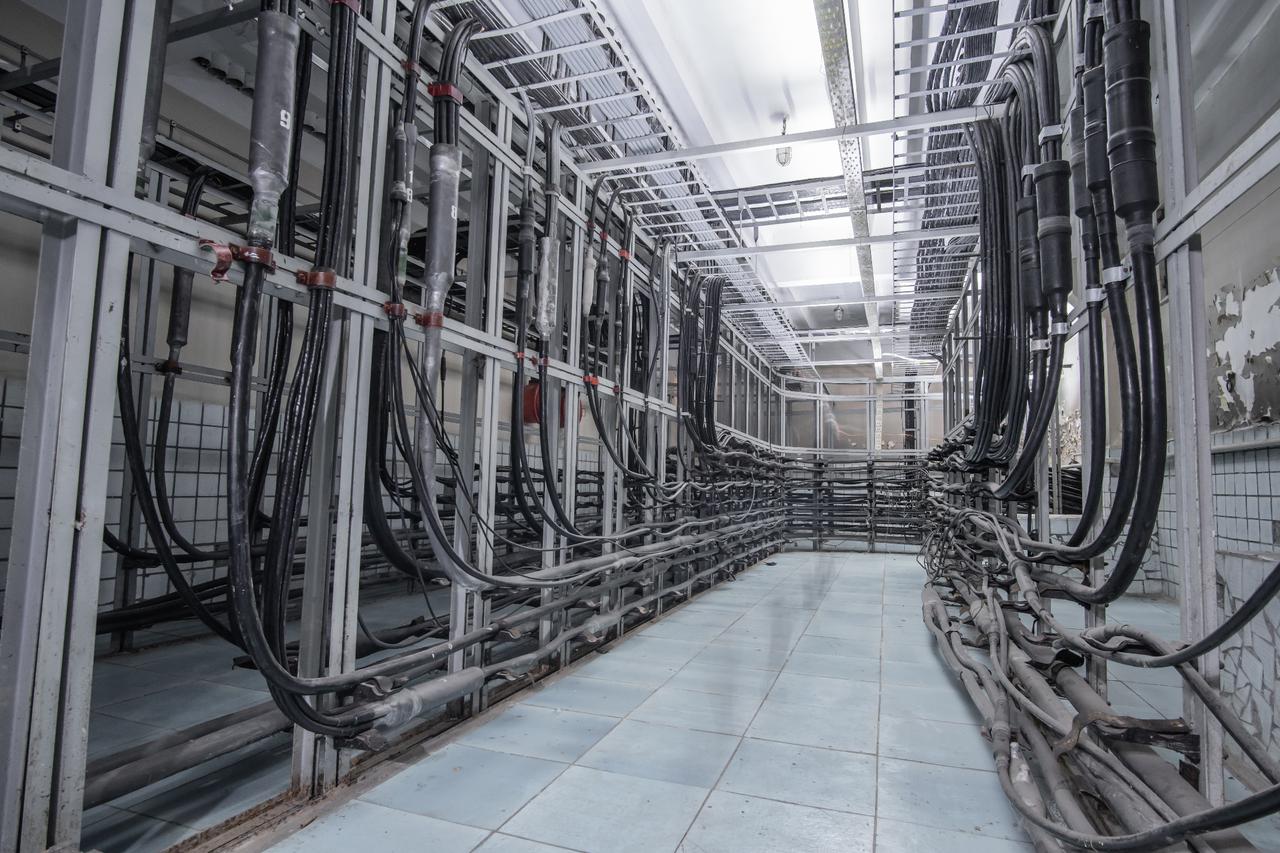


Saudi Arabia wants to replace Israel with Syria as the transit country for a fibre-optic cable linking the kingdom to Greece via the Mediterranean Sea, two regional officials familiar with the project told the Middle East Eye.
Riyadh’s insistence on routing the cable through Syria, rather than Israel as previously discussed, reflects shifting regional alignments as Saudi Arabia moves to bolster Damascus’ standing and potentially isolate Israel.
Greece and Saudi Arabia announced the East to Med data Corridor (EMC) project in 2022. The partnership includes Saudi Telecom (STC), Greek electricity provider PPC, Greek telecoms and satellite applications company TTSA.
At the time, Saudi Arabia was in talks with the U.S. over a normalization deal with Israel. Those discussions collapsed after the Hamas-led Oct. 7, 2023 attacks and Israel’s subsequent offensive in Gaza, where more than 72,000 Palestinians have been killed, according to figures cited in the report.
A November 2025 presentation by Greece’s PPC, obtained by Middle East Eye, does not show Syria linked to the EMC network, with the corridor appearing to pass through Israel and its offshore waters.
Another regional official said Riyadh also envisions an electrical cable project linking Saudi Arabia and Greece through Syria using a High Voltage Direct Current (HVDC) interconnection, bypassing Israel.
Saudi Crown Prince Mohammed bin Salman has publicly accused Israel of committing genocide in Gaza. Riyadh is also at odds with the UAE in Yemen, Sudan and the Red Sea.
A western official familiar with Saudi investment plans told Middle East Eye that “Damascus is at the heart of regional connectivity,” adding that Saudi Arabia wants roads, cables and trains to pass through Syria.
In February, STC announced plans to invest about $800 million in Syria’s telecommunications infrastructure, aiming to connect the country regionally and internationally through a fibre-optic network extending more than 4,500 kilometers.
Kristian Coates Ulrichsen of Rice University’s Baker Institute said the move is consistent with Saudi efforts to reintegrate Syria into the regional fold and reduce tangible links with Israel, calling it indicative of a shift in Riyadh’s attitude since 2022, when normalization talks with Israel were at their height.
Greece is positioning itself as a hub between Europe and the Middle East for energy, real estate and Artificial Intelligence.
Athens has courted Qatar, the UAE and Saudi Arabia for investment but maintains close ties with Israel, which policymakers view as an ally in the Eastern Mediterranean and a factor in keeping the U.S. engaged in the region.
Julian Rawle, a U.S.-based submarine fibre-optic cable consultant, said routing through Syria is a new development and noted that industry players are seeking additional terrestrial routes between the Indian Ocean and the Mediterranean.
Ports of entry for fibre-optic cables into Europe have traditionally included Marseille and Genoa, but routes are shifting eastward, putting Greece and Türkiye increasingly in focus.
Greek and Saudi banks have agreed to finance 60 percent of the EMC project, and in 2023, EMC signed a supply contract with Alcatel Submarine Networks to construct two subsea and terrestrial data cables.


 Set as preferred source
 Set as preferred source


 1 min read

 1 min read