Newsletters




The Trump administration appears prepared to launch a sustained military campaign against Iran, though whether the president has approved such action remains unclear, current and former U.S. officials told the Washington Post.
"The Pentagon has assembled a massive strike force in the Middle East despite risks of combat casualties and being drawn into a prolonged war," the officials said.
"Despite ongoing talks, the White House has been briefed that the U.S. military could be ready for an attack by the weekend, after a buildup in recent days of air and naval assets in the Middle East," sources familiar with the matter told CNN.
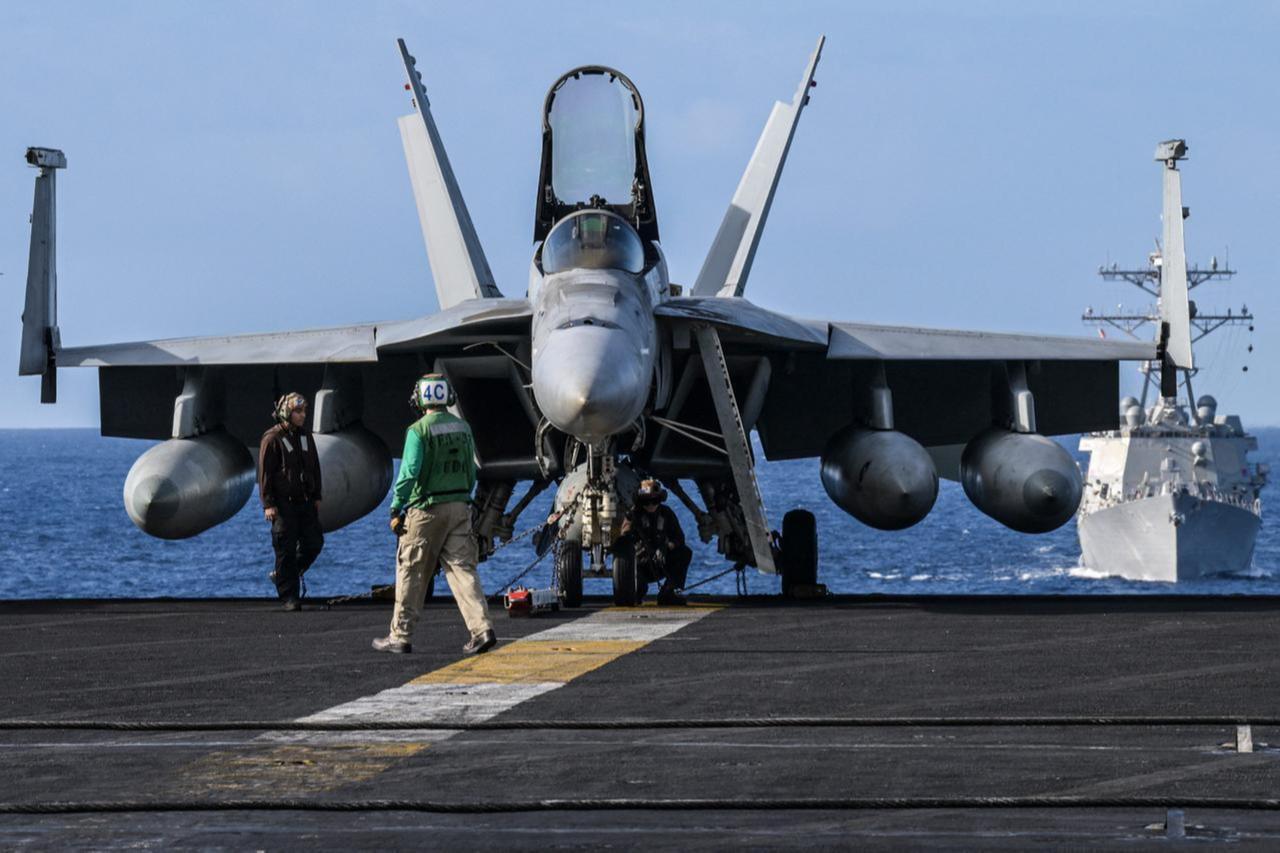
The arsenal gathered over recent weeks is awaiting the arrival of the USS Gerald R. Ford aircraft carrier and its accompanying warships, which approached the Strait of Gibraltar on Wednesday, meaning a strike could be possible "within days."
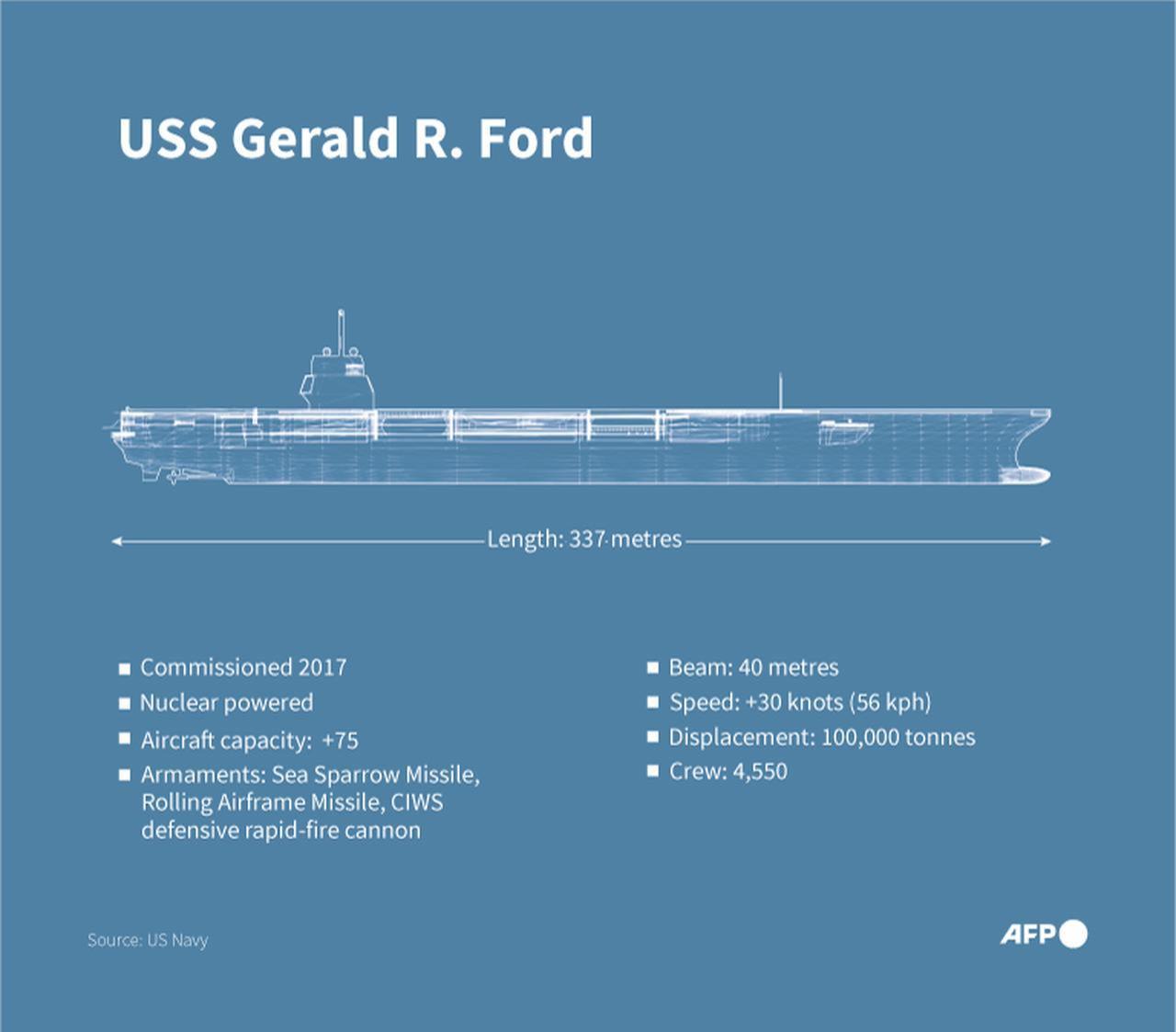

A U.S. official with knowledge of the matter said Trump's senior national security advisers met on Feb. 18 to discuss Iran and were informed that all U.S. forces deployed to the region would be in place by mid-March.
"If he (Trump) decides to go ahead with an attack on Iran, his options now range from more targeted strikes to sustained operations that could potentially last for weeks," according to people familiar with the matter who spoke to CNN.
"Some include plans to take out Tehran’s leaders. Many would be on a much larger scale than the hourslong bombing run that targeted Iranian nuclear facilities last summer," according to people familiar with the plans.
People familiar with the plans said the U.S. military could be ready as soon as this weekend to strike Iran, but U.S. officials and regional diplomats with knowledge of the diplomatic talks with Tehran do not expect strikes to come that soon.
The Wall Street Journal reported that the U.S. would initially launch more limited strikes and gradually intensify them until Tehran agrees to a deal on its nuclear program.
Sources told the newspaper that if authorized, the first attack could occur within days and would target a limited number of military sites or government facilities.
"If Tehran does not comply with Washington's demands after the initial strike, the scope of operations would be expanded in phases," unnamed sources said.
U.S. officials indicated that recent discussions have focused more on large-scale attack plans, though a final decision has not yet been made.
U.S. President Trump said Thursday that the situation with Iran would become clear within 10 days, warning: "We must make a meaningful deal with Iran, otherwise bad things will happen."
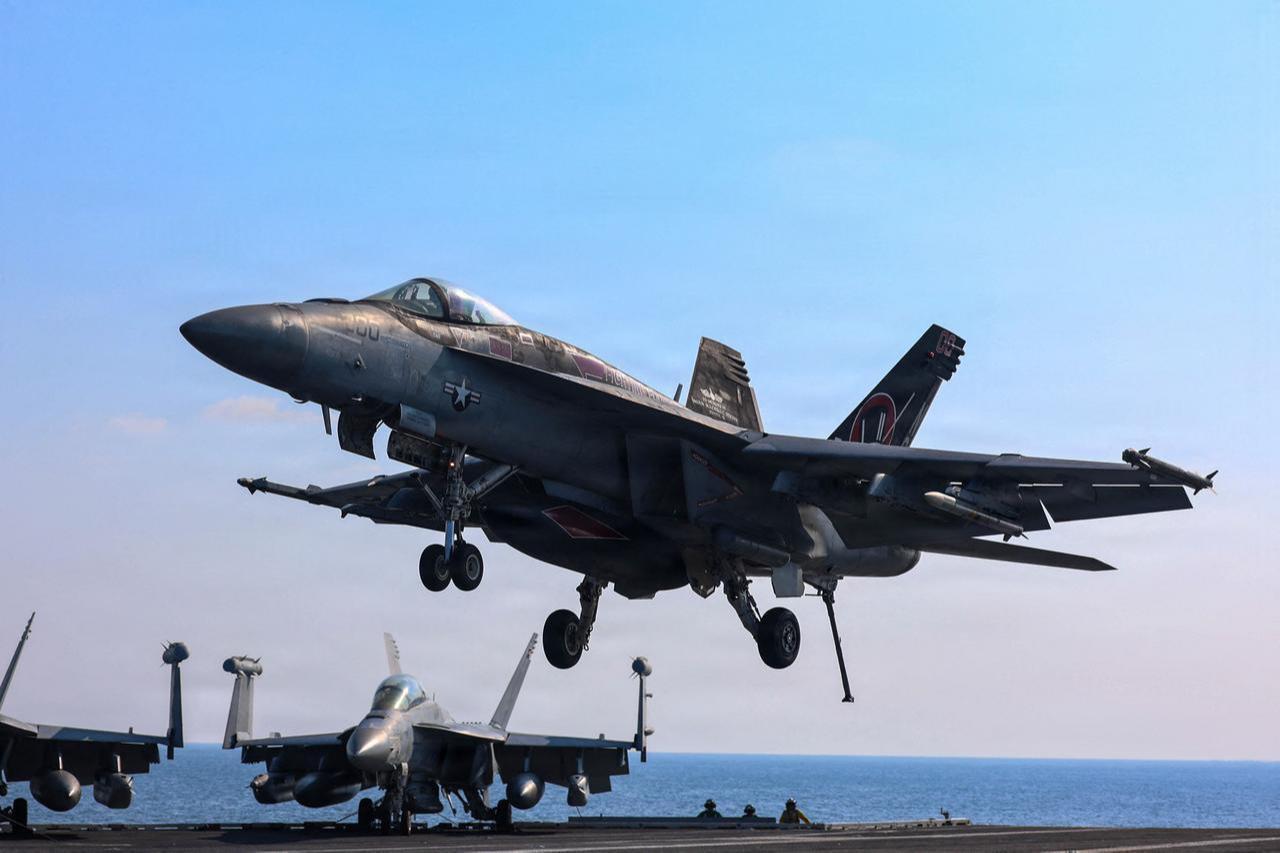
The massive accumulation of U.S. military assets in the Middle East signals the United States has the capacity to dismantle the Iranian regime's power structure in a matter of hours, according to Vice Admiral (Ret.) Bob Harward, former deputy commander of U.S. Central Command.
"One thing he's illustrated is that Trump does what he says," Harward told the Israeli media outlet Jerusalem Post, citing the withdrawal from the Joint Comprehensive Plan of Action (JCPOA) and the U.S. stance that it will not tolerate a nuclear-armed Iran.
"Now he's positioned the assets for a military action," he added.
"If he cannot meet the objectives regarding the nuclear and ballistic missile program, he's willing to go beyond mediation and act," Harward said.
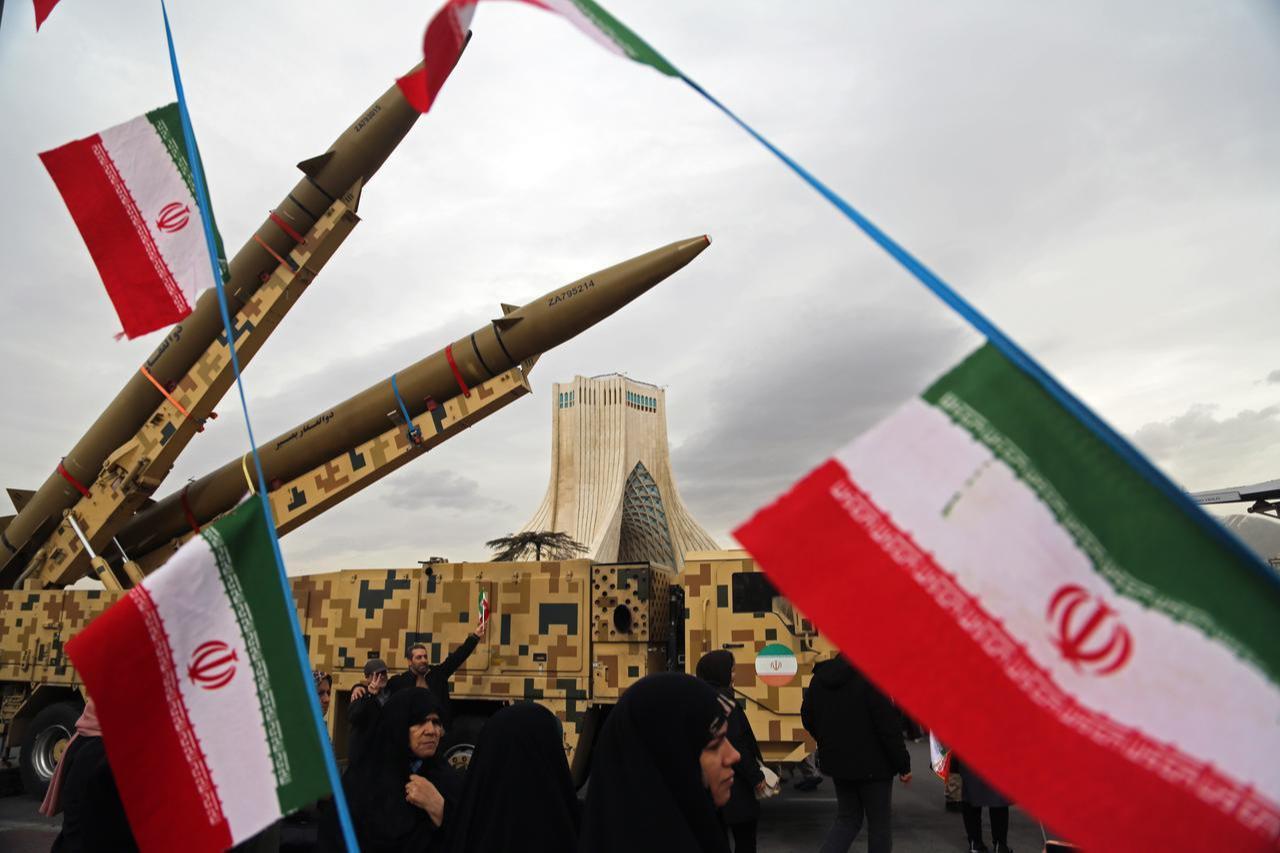
Harward detailed a hierarchy of targets designed to neutralize Iran's offensive capabilities while sparing the general population.
"You're not going to look at infrastructure," Harward explained.
"This is to provide the Iranian people a change in government, so I think those types of targets will not be hit. It will be focused only on the things that enable the regime and the IRGC to suppress the people," he added.
Harward said technological advances in command, control and targeting have dramatically increased U.S. strike capacity.
"Where previously you could do 40 or 50 strikes a day, we now have the ability to conduct hundreds of strikes a day. That in itself changes the equation completely for the regime," he said.
"If you're targeting the IRGC and want to go after all their headquarters and facilities, you could probably do that in a matter of hours. That's unprecedented," he noted.


 Set as preferred source
 Set as preferred source


 2 min read

 1 min read