Newsletters




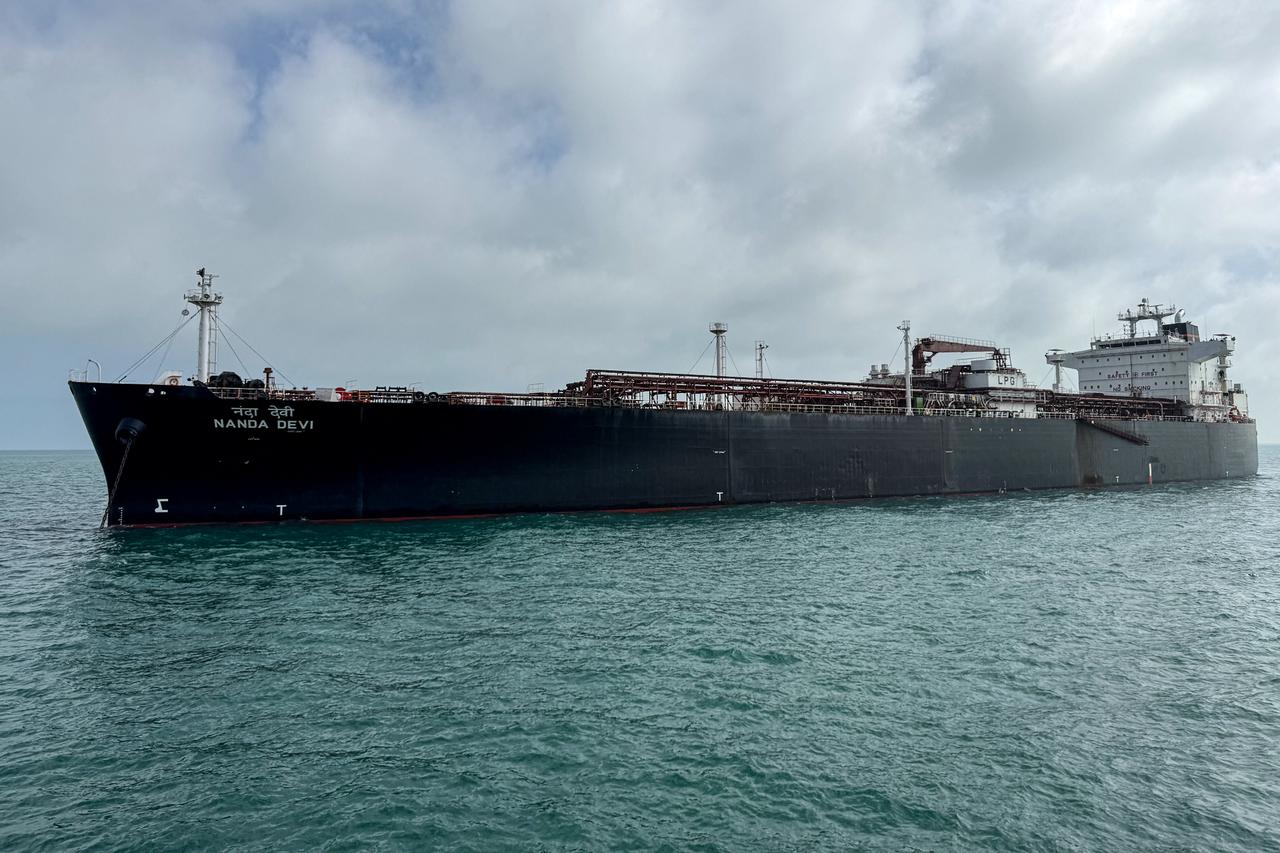
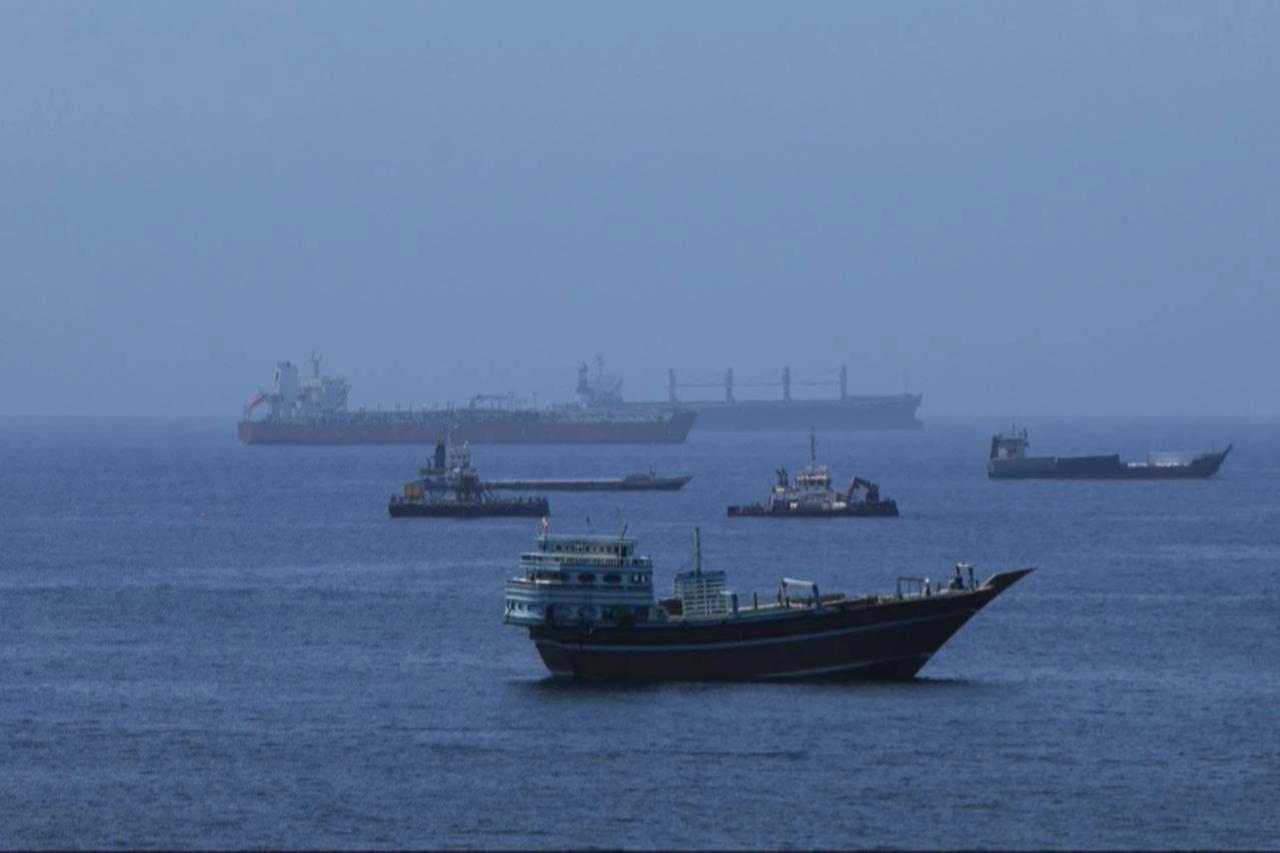
Saudi Arabia on Saturday announced a new initiative to supply ships in its Eastern Region with fuel, water, food, and other essential services, a move aimed at bolstering maritime operations in the Gulf amid escalating tensions with Iran.
The Saudi General Port Authority said it launched the program "to provide integrated services that rapidly meet ships' needs," according to an official statement. The services cover fuel, food, medicine, and water supplies, as well as crew change operations for vessels in the area.
The authority framed the initiative as "part of ongoing efforts to support maritime traffic in the region, enhance the reliability of supply chains, and confirm the readiness of Saudi ports to provide support under all circumstances."
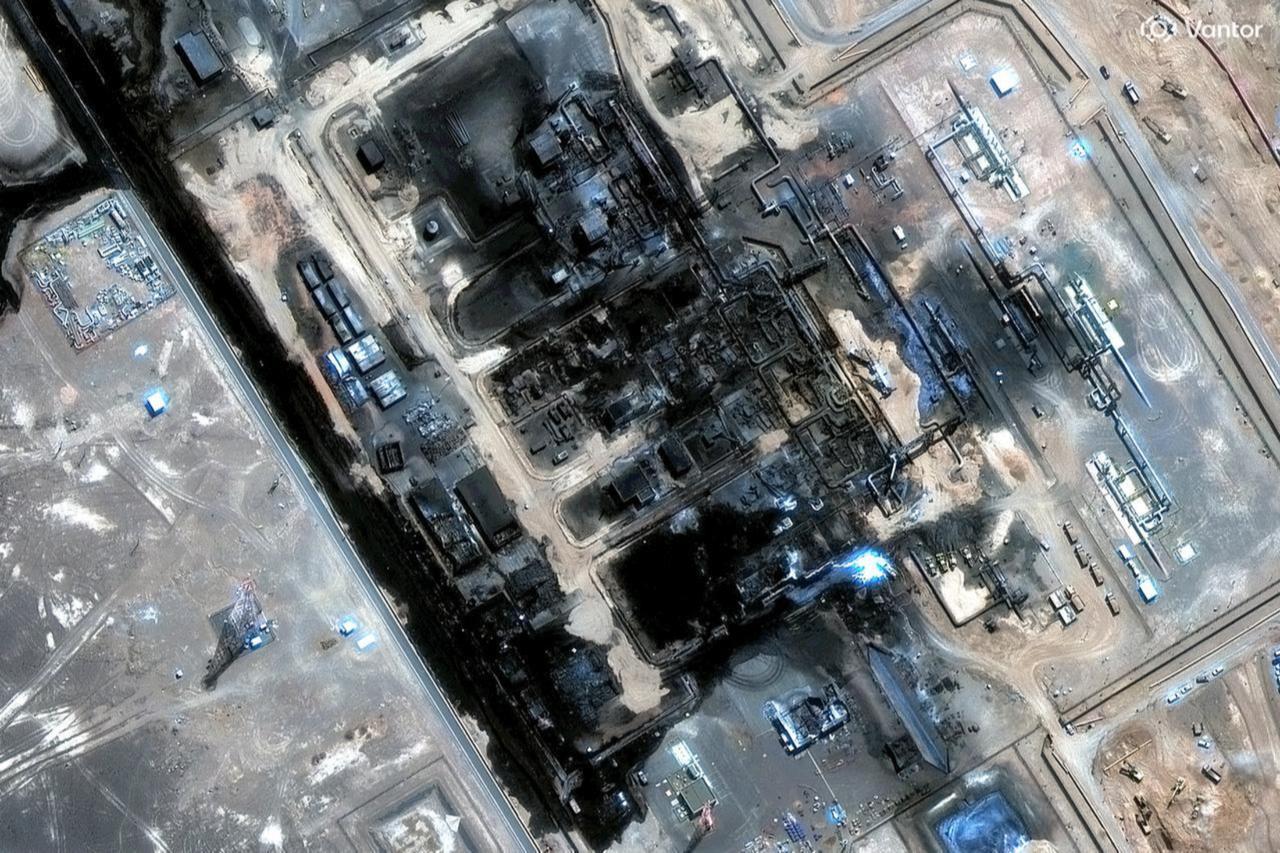
The announcement comes at a critical moment for Gulf shipping. Iran has effectively closed the Strait of Hormuz to most vessels, threatening to attack any ships that attempt to transit the strategic waterway without coordination. The closure followed a cycle of military escalation, with US and Israeli strikes on Iran beginning on Feb. 28 prompting retaliatory Iranian missile and drone attacks targeting the Eastern Region and other parts of the kingdom.

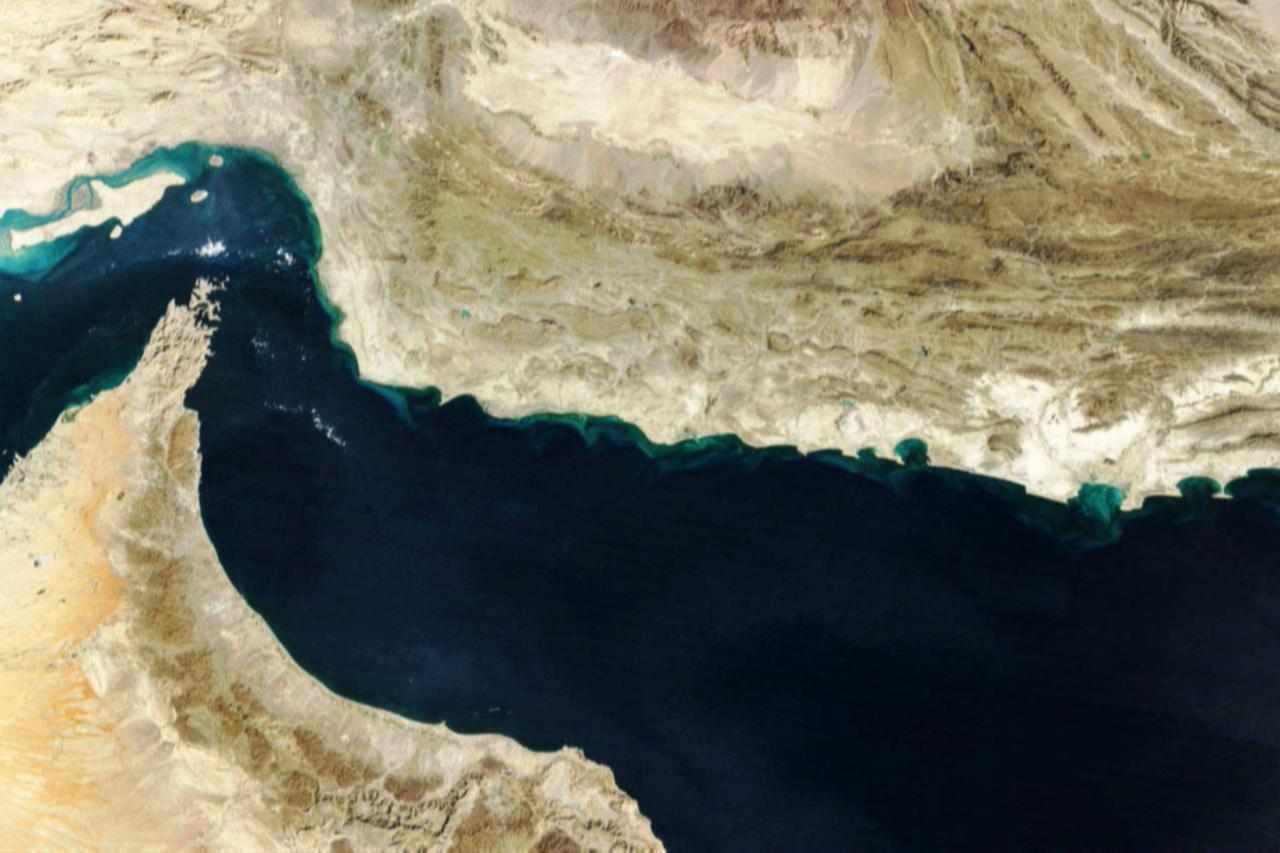
The Strait of Hormuz, a narrow passage between Iran and Oman at the mouth of the Persian Gulf, is one of the world's most important maritime bottlenecks. Under normal conditions, approximately 20 million barrels of oil pass through it each day, and the waterway handles roughly 20% of global liquefied natural gas trade.
Iran's threat to restrict passage through the strait has raised alarm across global energy markets, given that any sustained disruption could affect oil and gas supplies worldwide.
The kingdom's eastern coastline sits directly on the Persian Gulf, placing its port infrastructure in close proximity to both the conflict zone and the affected shipping lanes.


 Set as preferred source
 Set as preferred source


 1 min read