Newsletters


Saudi Arabia is pressing the United States to drop its blockade of Iranian ports and return to the negotiating table.
Riyadh is warning that the move could provoke Iran into closing the Bab al-Mandeb strait, the Red Sea chokepoint through which the Kingdom now routes the bulk of its oil exports, according to Arab officials who spoke to the Wall Street Journal (WSJ).
Saudi officials told the WSJ that Riyadh had secured commitments from the Houthis that the group would not attack the kingdom or its ships passing through Bab al-Mandeb.
But Saudi Arabia has also told the U.S. the situation "remains fluid" and that the Houthis could enter the conflict more aggressively if pushed further by Iran.
Officials said the Houthis could also begin imposing transit fees on ships in the waterway.
"That would then be a way for Iran to escalate back, saying that if you're going to restrict our oil exports, we will then disrupt your Yanbu terminal exports," said Erik Meyersson, chief emerging markets strategist at Swedish bank SEB, who spoke to WSJ.
Iran's semiofficial Tasnim News Agency, which is close to the Islamic Revolutionary Guard Corps (IRGC), said a blockade could lead Iran to close the Bab al-Mandeb.
Iran's supreme leader's foreign policy adviser, Ali Akbar Velayati, said on April 5 that Iran views Bab al-Mandeb "just as it looks at Hormuz. And if the White House thinks of repeating its stupid mistakes, it will quickly realize that the flow of global energy and trade can be disrupted with a single signal."
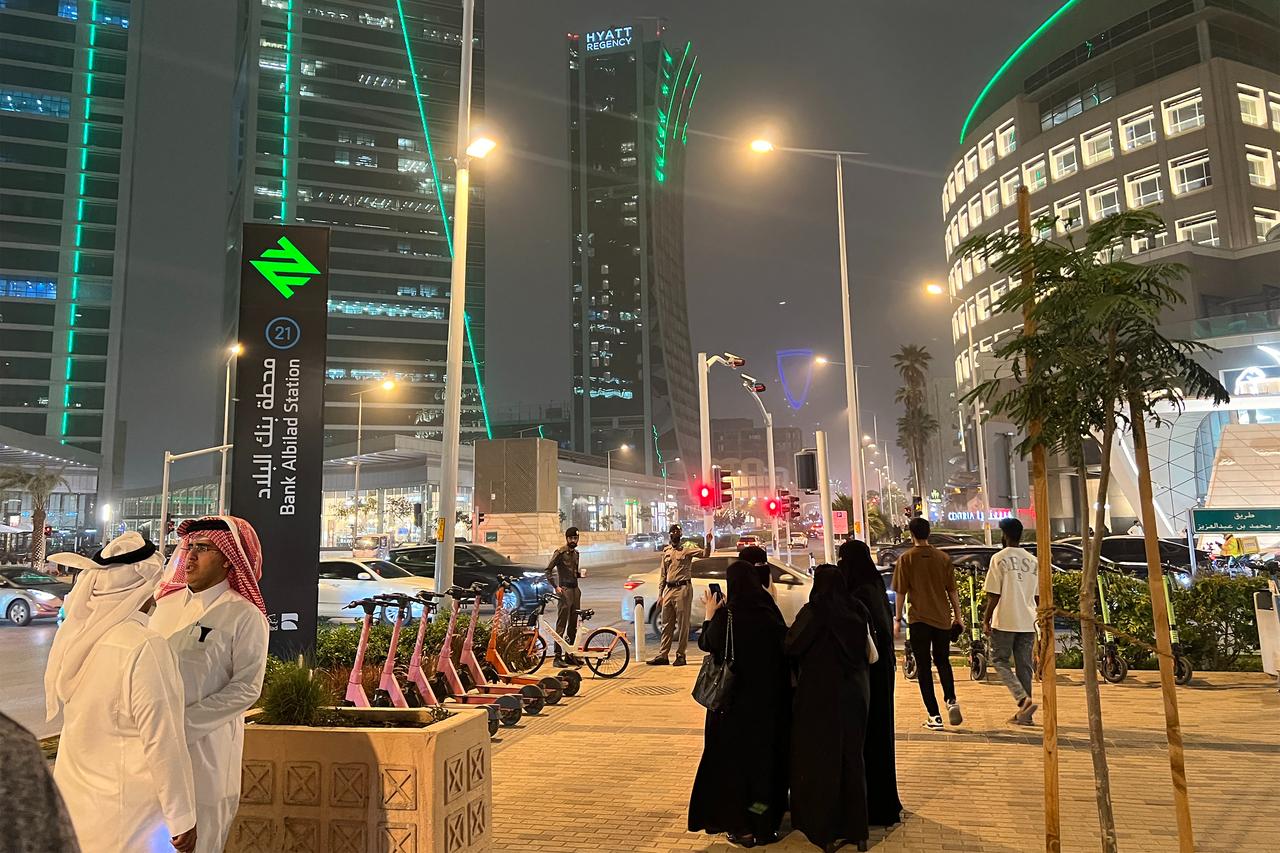

Saudi Arabia diverted much of its crude exports from its Ras Tanura facility in the Persian Gulf to the port of Yanbu on the Red Sea within days of the U.S.-Israeli strikes on Iran on Feb. 28, a move that allowed Riyadh to restore oil exports to approximately seven million barrels a day, near prewar levels.
Those supplies would be directly at risk if Bab al-Mandeb were closed.
Before the Gaza war, 9.3 million barrels of oil and other petroleum products passed through Bab al-Mandeb daily. That was cut in half after the Houthis began attacking ships in the waterway, according to the U.S. Energy Information Administration.
"If Iran does want to shut down Bab al-Mandeb, the Houthis are the obvious partner to do it, and their response to the Gaza conflict demonstrates that they have the capacity to do it," said Adam Baron, a Yemen expert and fellow at New America who spoke to the WSJ.
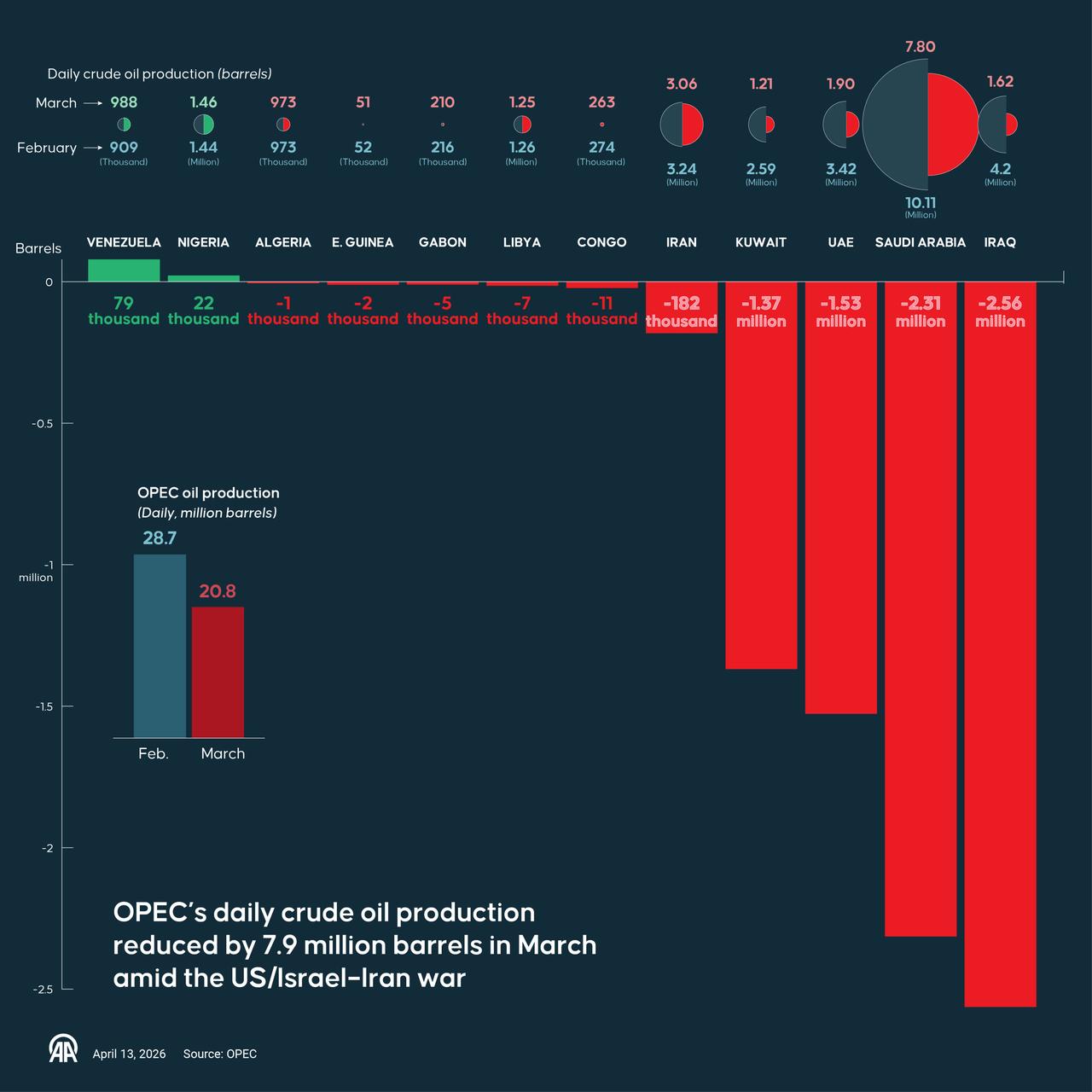
Gulf states do not want the war to end with Iran in control of the Strait of Hormuz, their economic lifeline.
But many, including Saudi Arabia, are pressing the U.S. to resolve the Hormuz issue at the negotiating table, and regional officials said both sides remain actively engaged with mediators and open to talks if each shows enough flexibility, despite the public hard line.
White House spokesperson Anna Kelly said: "President Trump has been clear that he wants the Strait of Hormuz to be fully open to facilitate the free flow of energy. The administration is in frequent contact with our Gulf allies, whom the president is helping by ensuring that Iran cannot extort the United States or any other country."
Iran's armed forces said Monday: "If the security of Iran's ports in the Persian Gulf and the Sea of Oman is threatened, no port in the Persian Gulf and the Sea of Oman will be safe."
On the same day, the U.S. blockade of Iranian ports entered into force.


 Set as preferred source
 Set as preferred source


 1 min read