Newsletters


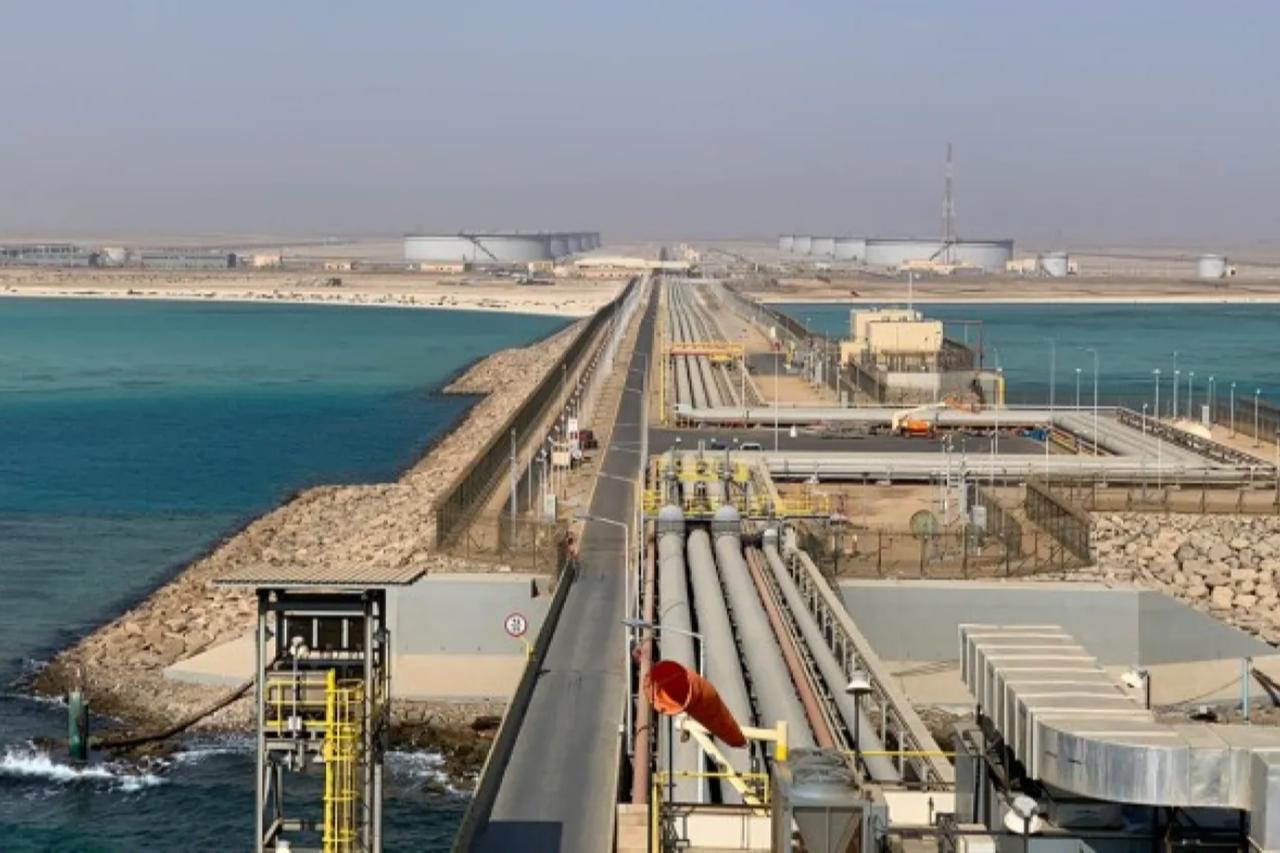


A key Saudi oil artery linking the Gulf to the Red Sea reportedly came under a drone attack on Wednesday, just hours after a ceasefire between the U.S. and Iran, with a pumping station struck along the East-West pipeline.
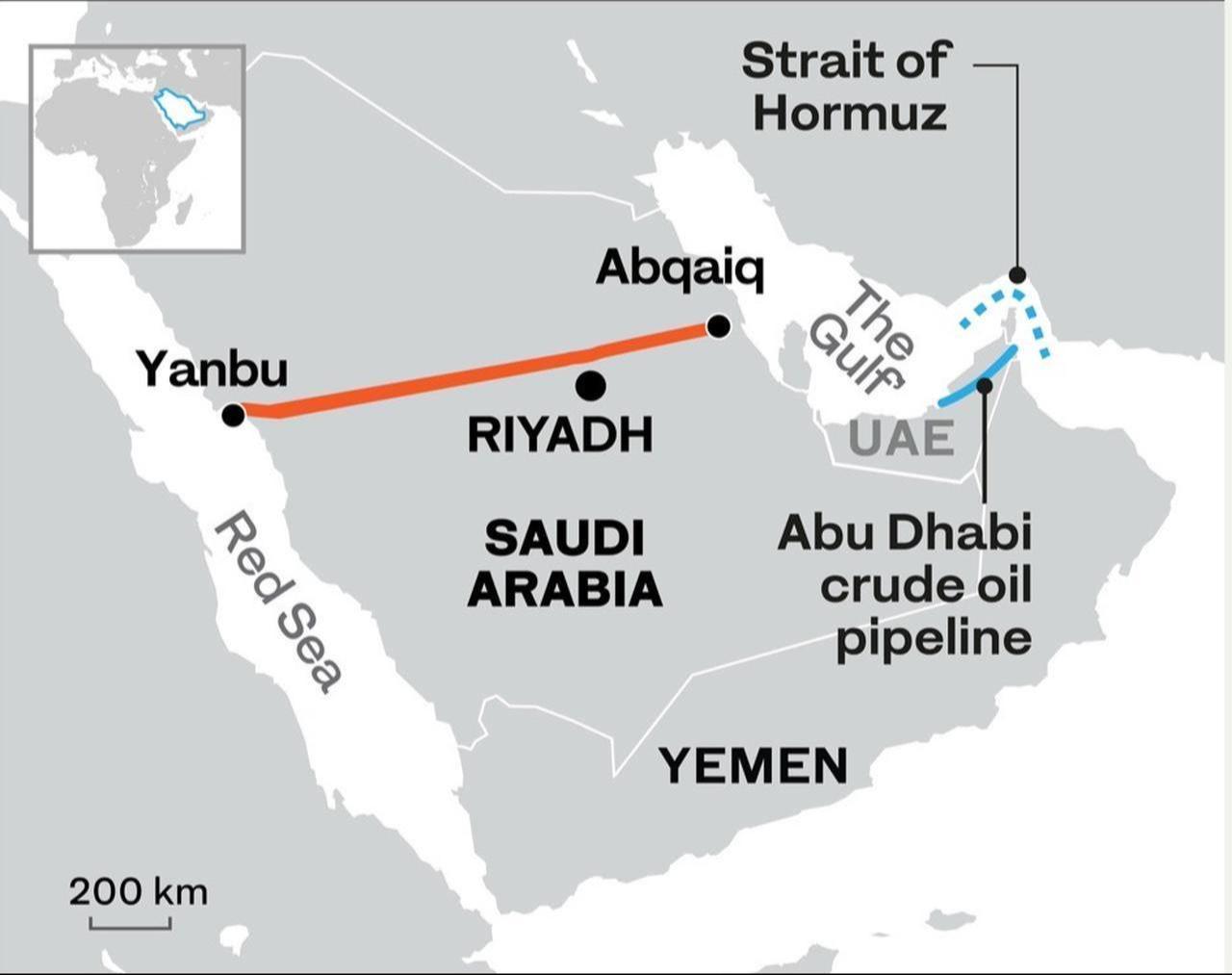
The incident unfolded at around 1 p.m. local time, when a drone targeted one of several pumping stations positioned along the 1,200-kilometer line. The extent of the damage is still being assessed, one of the sources told FT, as officials move to gauge operational impact.
The East-West pipeline has grown into a critical export route for Saudi Arabia, especially as risks around the Strait of Hormuz have disrupted traditional shipping lanes. The line allows crude to bypass the Gulf chokepoint and reach Red Sea terminals directly.
The world’s top oil exporter increased shipments from around 800,000 to over 3 million barrels per day via the pipeline, easing the impact of the Strait of Hormuz disruption.
Earlier, Iranian media reported that the Revolutionary Guards would target the pipeline if the U.S. conducted strikes on its civilian infrastructure, before a ceasefire was reached hours later.

Saudi Arabia’s Defense Ministry also confirmed drone activity, stating that nine drones were intercepted and shot down on Wednesday.
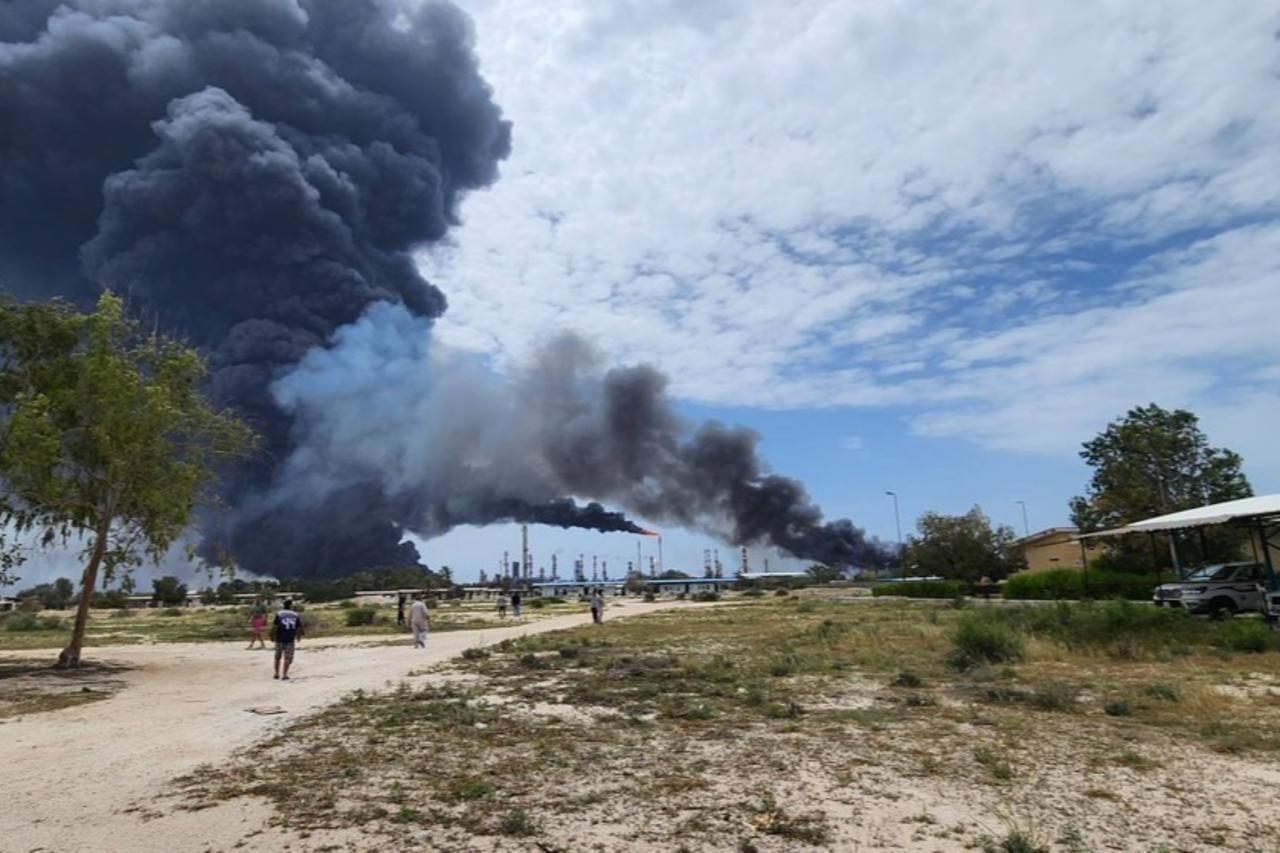
Since the start of the war, Iranian missiles and drones have struck energy infrastructure across Gulf countries, including Saudi Arabia, Qatar, Kuwait and the United Arab Emirates, in response to U.S.-Israeli strikes. Refineries, petrochemical plants, ports and oil fields have come under repeated attack, disrupting operations and forcing temporary shutdowns across the region.
Iranian projectiles have repeatedly targeted key Saudi sites, including Saudi Aramco’s Ras Tanura refinery, the kingdom’s largest oil processing and export hub. Attacks have also reached the Red Sea coast, where a drone struck the SAMREF refinery in Yanbu.


 Set as preferred source
 Set as preferred source


 1 min read
 1 min read