Newsletters


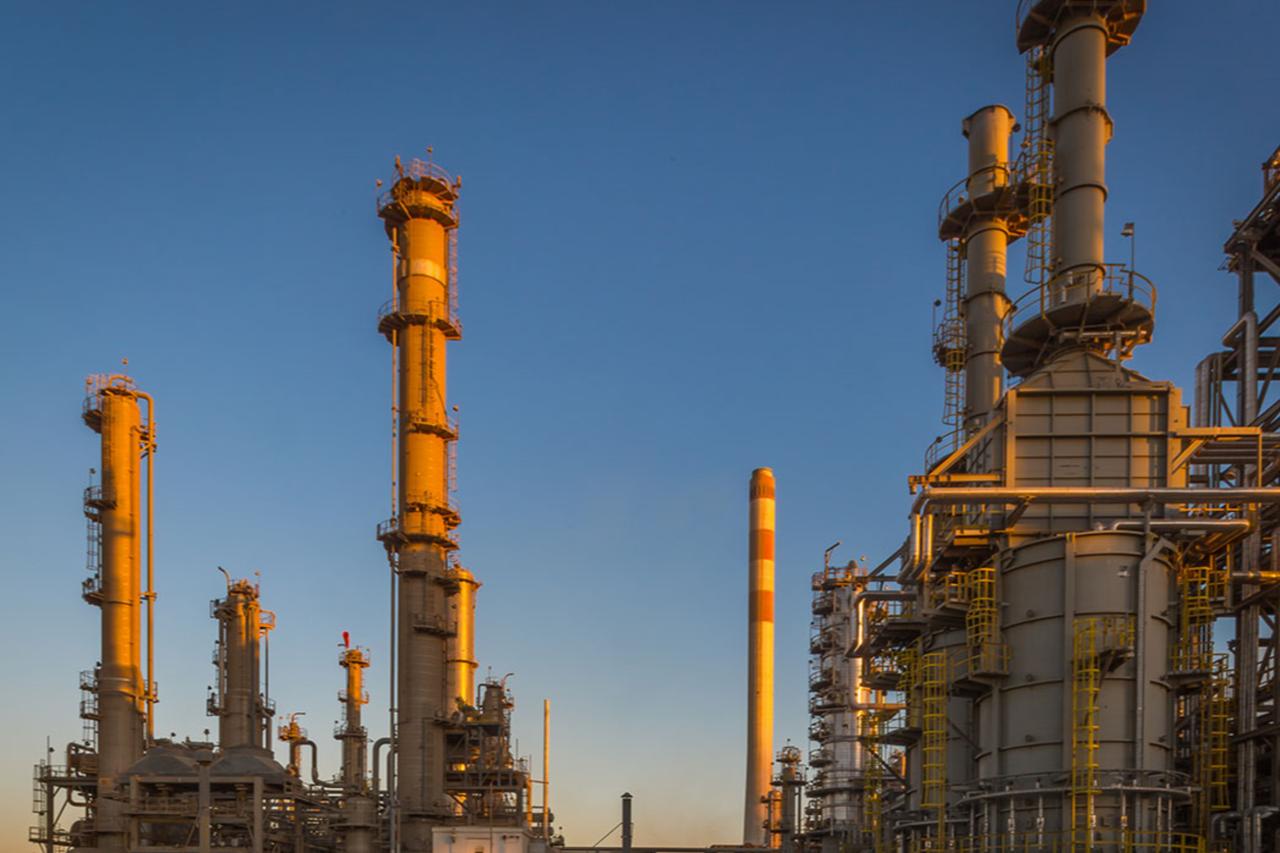


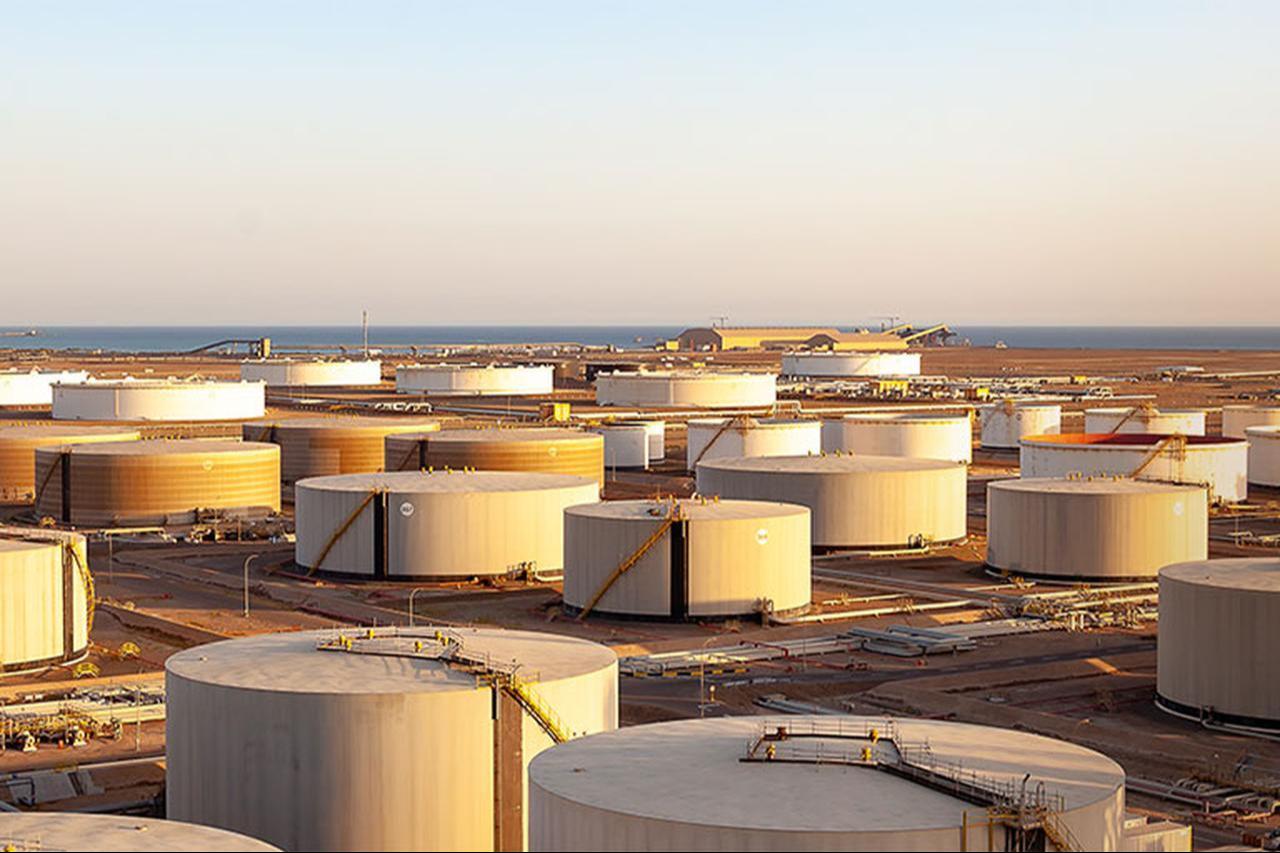
An Iranian drone strike targeted Saudi Arabia’s Samref refinery in Yanbu on Thursday, adding to a widening series of attacks on key energy facilities across the Gulf.
Saudi Arabia’s Defense Ministry said authorities are still assessing the extent of the damage. No further operational details were immediately disclosed.
The facility, a joint venture between Saudi Aramco and ExxonMobil, processes more than 400,000 barrels of crude oil per day and produces refined products including propane, diesel, marine fuel oil and sulfur.
The incident follows a series of coordinated Iranian attacks across the Gulf targeting critical oil and gas infrastructure, after an Israeli airstrike hit Iran’s South Pars natural gas field, one of the world’s largest, prompting Tehran to retaliate against regional energy sites.
QatarEnergy said Iranian missile strikes on Ras Laffan, the country’s main liquefied natural gas processing hub, caused "extensive damage" to facilities on Wednesday.
Saudi authorities also reported intercepting and destroying four ballistic missiles aimed at Riyadh, while the United Arab Emirates halted operations at its Habshan gas facility after intercepting a drone.
In Kuwait, drone strikes hit the Al Mina Ahmadi and Mina Abdullah refineries, triggering fires at both sites.

Saudi Arabia, the world’s top oil exporter, was shipping around 7 million barrels per day before the crisis, with nearly 6 million bpd passing through the Strait of Hormuz.
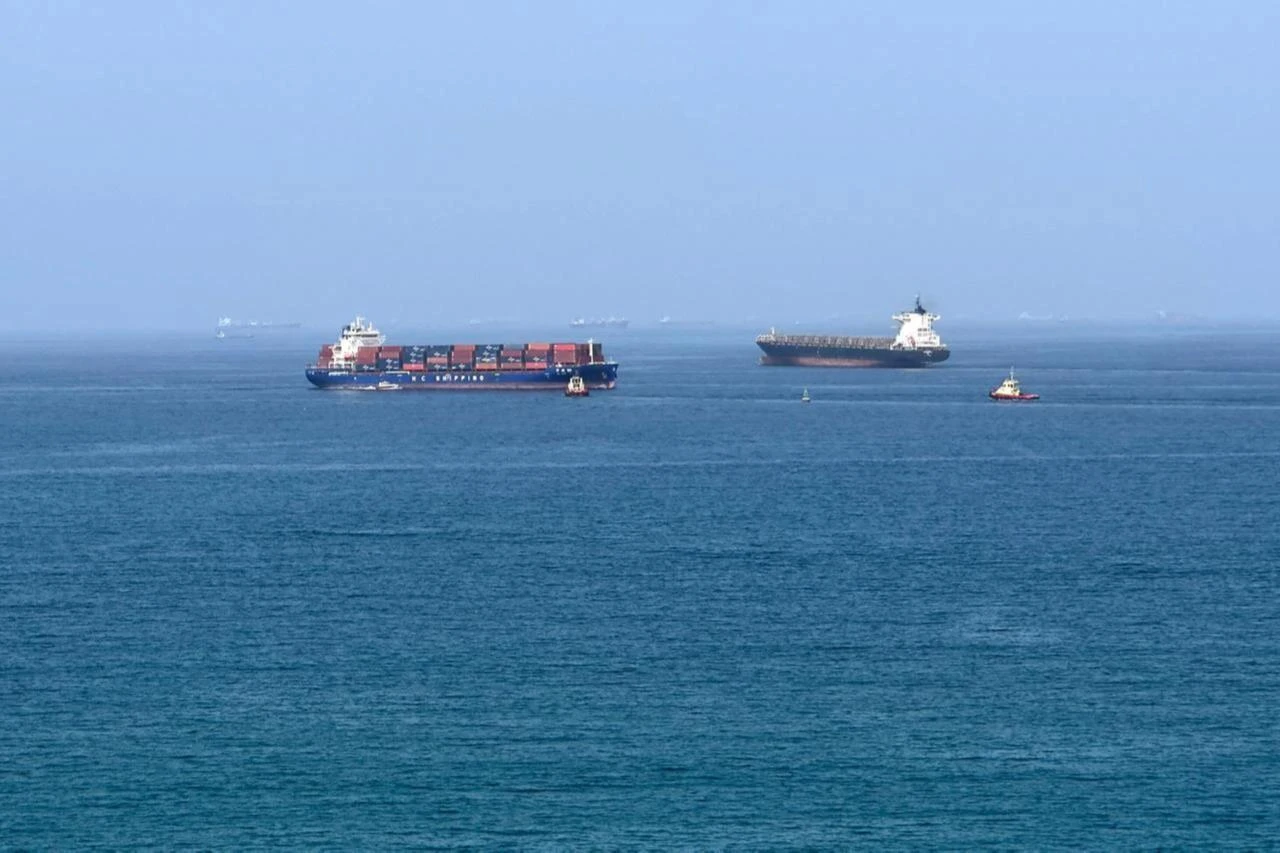
Yanbu has become one of the few remaining routes for Gulf oil exports after Iran effectively shut down the Strait of Hormuz in response to U.S.-Israeli strikes, forcing shipments to shift toward Red Sea outlets.
As a result, shipments from Yanbu have climbed from about 1.1–1.4 million bpd in February to around 2.6 million bpd in March, with flows expected to reach as high as 3.8 million bpd.
The disruption has pushed the kingdom to reroute flows to the Red Sea via the East-West pipeline, which can carry up to 7 million bpd, with roughly 5 million bpd available for exports.
While Yanbu can handle up to about 4–5 million barrels per day, current flows have fluctuated between roughly 2.5 and 3.8 million barrels per day amid regional disruptions. Following the strike, Saudi Arabia resumed oil loadings at the Yanbu port, two sources told Reuters.


 Set as preferred source
 Set as preferred source


 1 min read

 1 min read