Newsletters


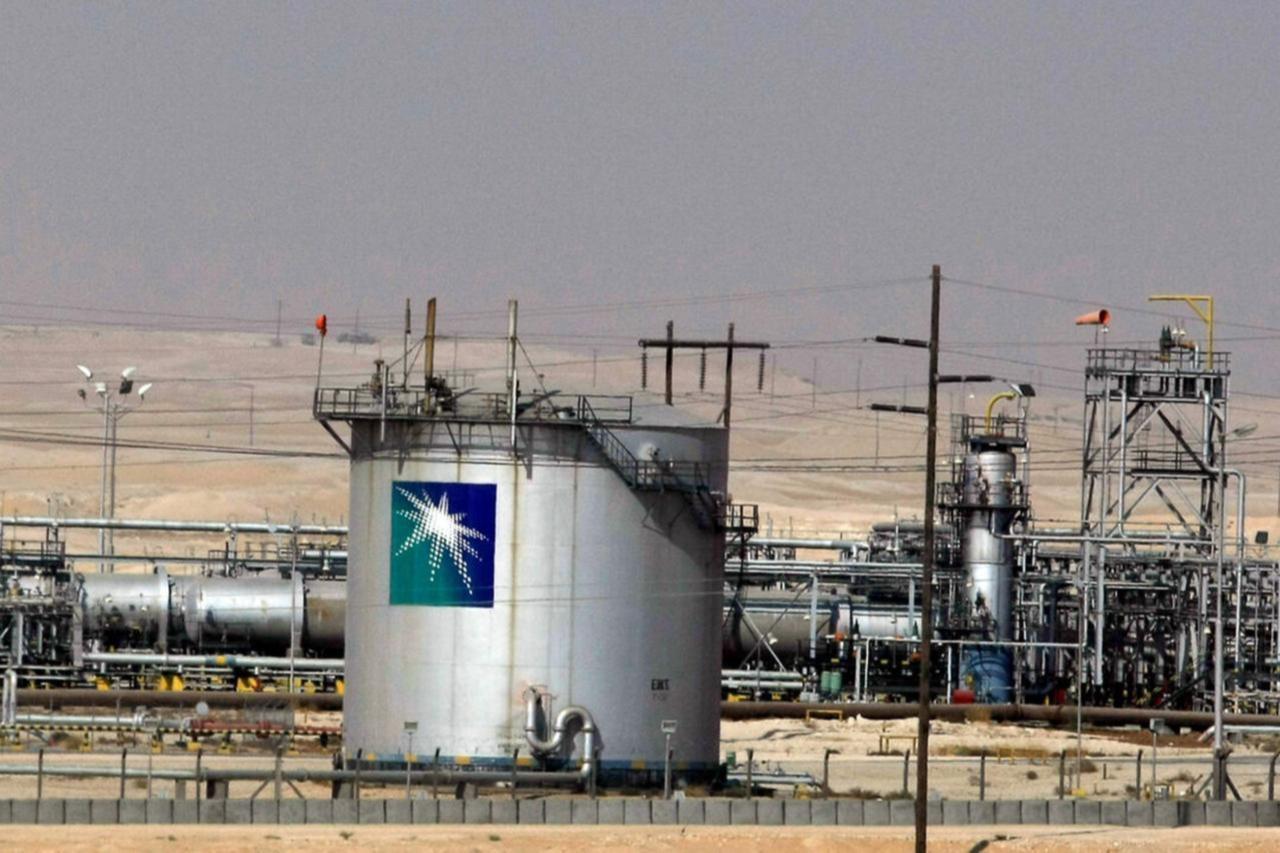


Saudi Aramco has canceled or delayed crude oil deliveries to European refiners after a shutdown of the kingdom's East-West pipeline disrupted one of its last remaining export routes that bypasses the Strait of Hormuz.
At least three European refiners have had late-September cargoes either canceled outright or pushed back as far as November, according to market sources cited by the trade publication Argus.
Two additional refiners are expecting notices covering their September supplies, the sources said.
The disruption traces back to the 7-million-barrel-per-day East-West pipeline, also known as Petroline, which has been offline since it was attacked on September 10.
The pipeline runs roughly 1,200 kilometers across Saudi territory, carrying crude from the kingdom's eastern oil fields to the Red Sea port of Yanbu and allowing exports to avoid the Strait of Hormuz, the narrow chokepoint at the mouth of the Persian Gulf through which a large share of the world's seaborne oil normally passes.
Built in the early 1980s and expanded over the years, the line had in recent months become one of Saudi Arabia's most important alternatives for keeping exports flowing during regional instability in the Gulf.
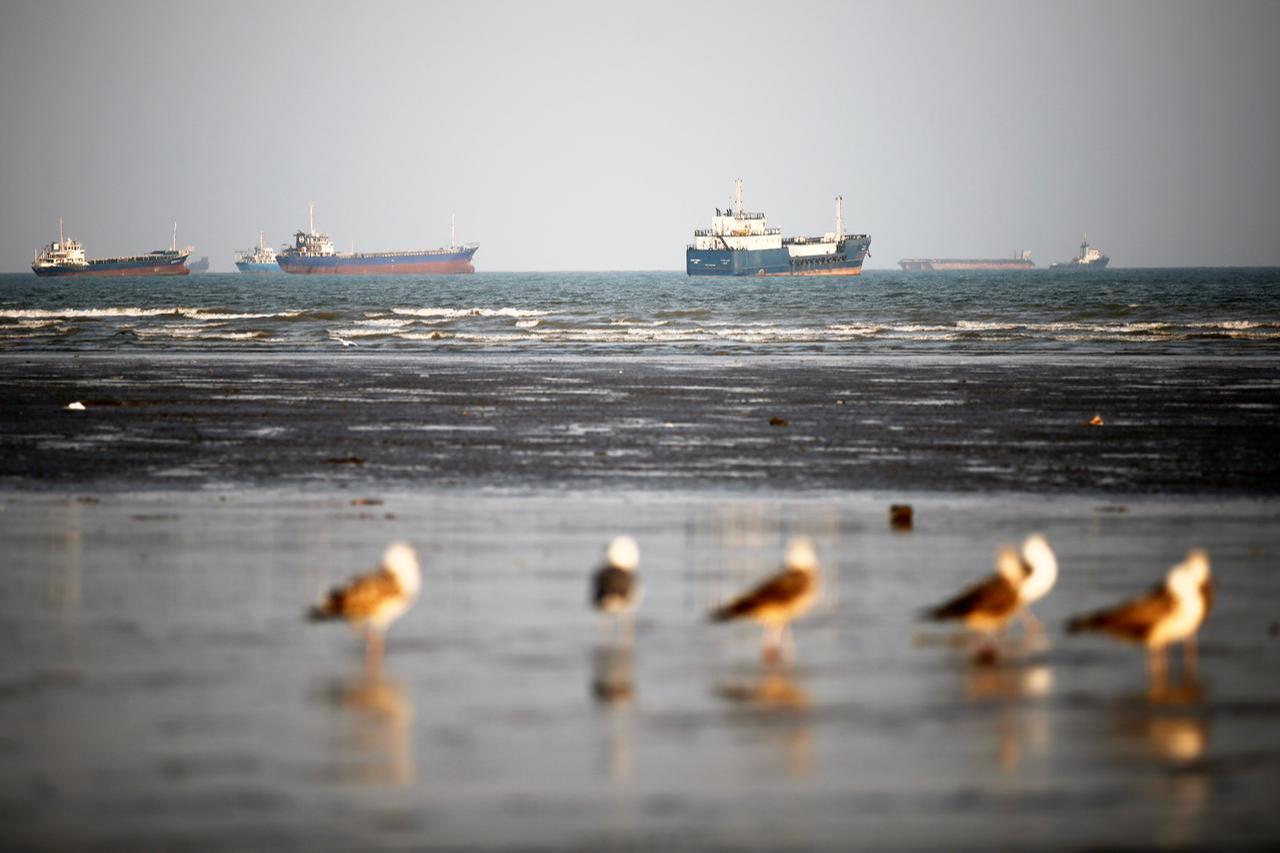

One market source told Argus that every Saudi cargo scheduled for loading in the final 10 days of September could be at risk of delay or cancellation.
The same source estimated that inventories at Yanbu had fallen to roughly five days' worth of crude. Argus said it could not independently verify that figure, and Aramco declined to comment on the matter.
The disruption marks a reversal from assurances given just weeks earlier. In August, Bloomberg reported that Aramco intended to supply full contractual crude volumes to at least three European refiners for September.
Shipping data now tell a different story: according to Vortexa figures cited by Argus, no Saudi crude has departed Yanbu since September 11.
Some Saudi crude reaches Europe by a secondary path, moving from Yanbu to Egypt's Ain Sukhna terminal and then across the 2.5-million-bpd SUMED pipeline to the Mediterranean port of Sidi Kerir. That route has also shown signs of strain.
Saudi exports from Sidi Kerir averaged about 1.95 million bpd during the first two weeks of September, while arrivals at Ain Sukhna averaged 1.40 million bpd, according to the data cited by Argus.
Poland's Orlen, which relies on Aramco for roughly 40% of the crude processed across its refineries in Poland, Lithuania and the Czech Republic, has already begun securing replacement barrels.
Traders told Reuters that Orlen purchased North Sea grades, including Grane, Johan Sverdrup and Johan Castberg, through spot tenders, and sought offers for U.S.
WTI Midland and Kazakhstan's CPC Blend. At least four September tanker fixtures intended to carry Saudi crude from Sidi Kerir to Gdansk have failed, the traders said.
Orlen said its refineries continue to receive feedstock and did not elaborate further on the scale of the shortfall.
For Saudi Arabia, the East-West pipeline's shutdown is now translating into a tangible problem for its longtime European customers: barrels that were promised are not arriving.


 Set as preferred source
 Set as preferred source


 1 min read

 1 min read