Newsletters


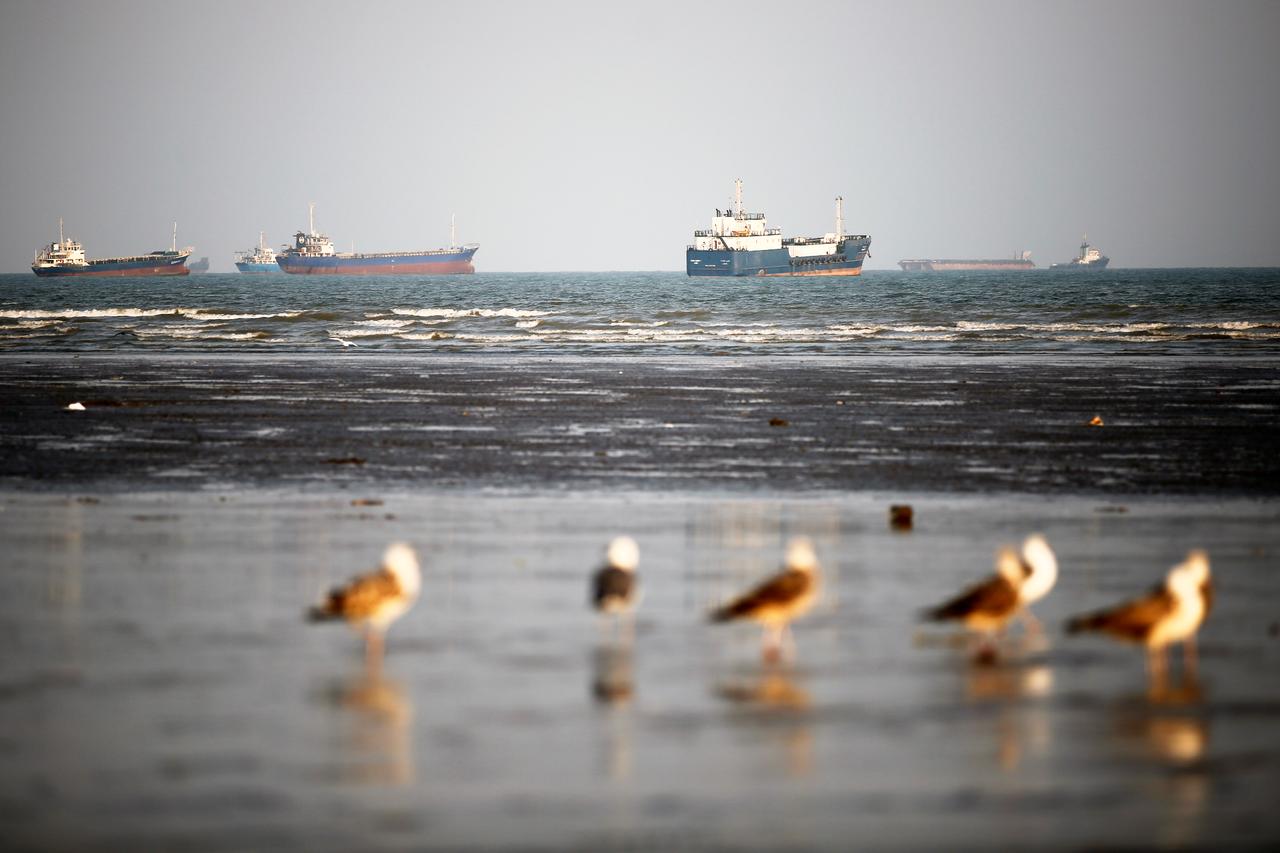


Saudi Arabia is seeking to further boost oil supply through the Strait of Hormuz after attacks forced it to shut down a key pipeline that has served as its main route to global markets during the Iran war, according to a person familiar with the matter cited by Bloomberg.
The kingdom had already been raising shipments through the contested waterway in the first 10 days of September compared with August levels, and is now trying to increase supplies further, the person said, speaking anonymously because the plans are confidential.
Saudi Arabia closed its East-West pipeline, also known as Petroline, after at least two points along the route were struck last week in an attack Riyadh has blamed on drones launched from Iraq.
The shutdown puts millions of barrels a day at risk at a time when markets are clamoring for supply, with crude trading near $110 in London in recent days.
The pipeline will likely be out of service for several weeks, according to two regional officials cited by the Associated Press, who said repairs, including to a major pumping facility, could take three to five weeks, though the line might operate partially during that period.
Sources familiar with the matter told Reuters that repair estimates varied, with some suggesting five to six weeks and others indicating a possible earlier partial restart.
U.S. Energy Secretary Chris Wright said he expects the pipeline to be running again "very soon."
A pumping station along the same pipeline was also targeted in April as part of a broader wave of attacks on Saudi production, refining and petrochemical facilities. That earlier strike caused only limited damage, and flows returned to normal within days.

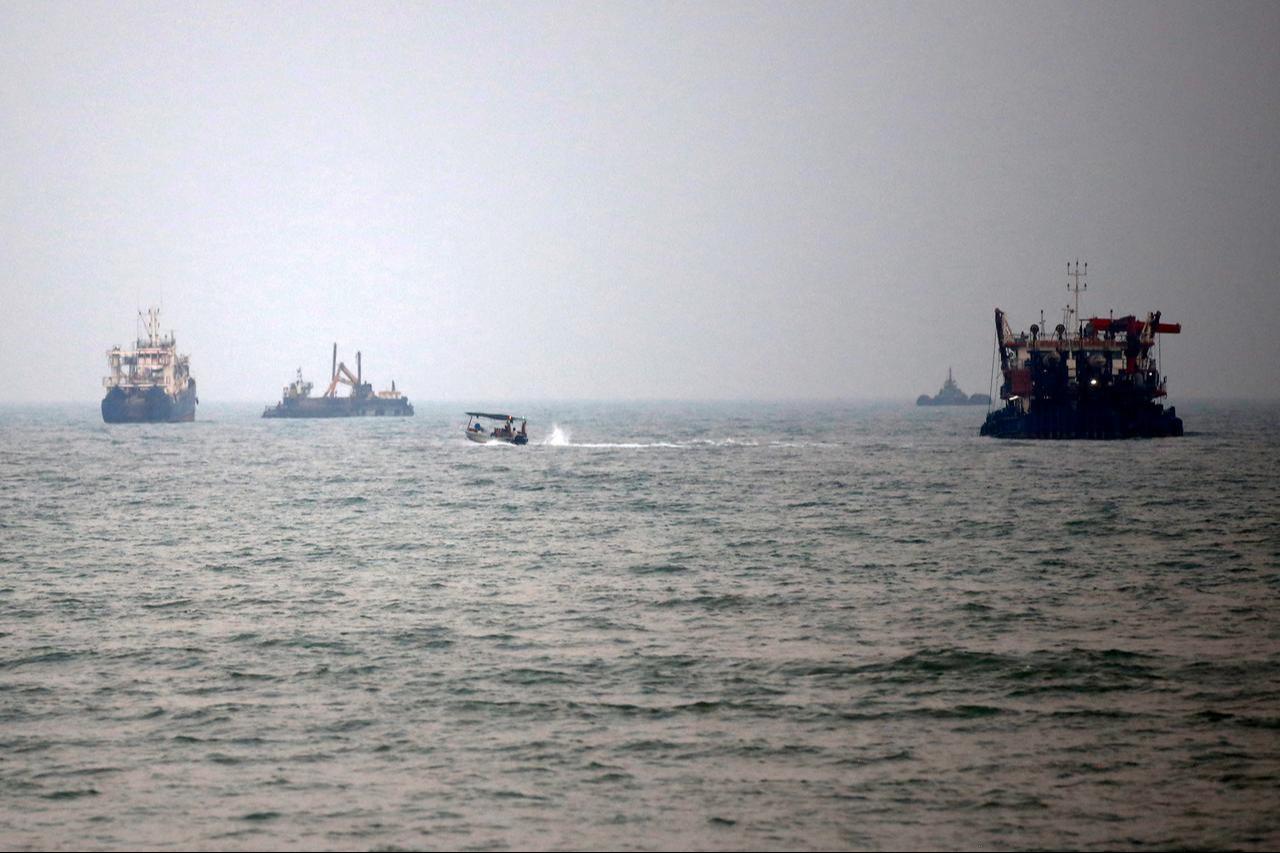
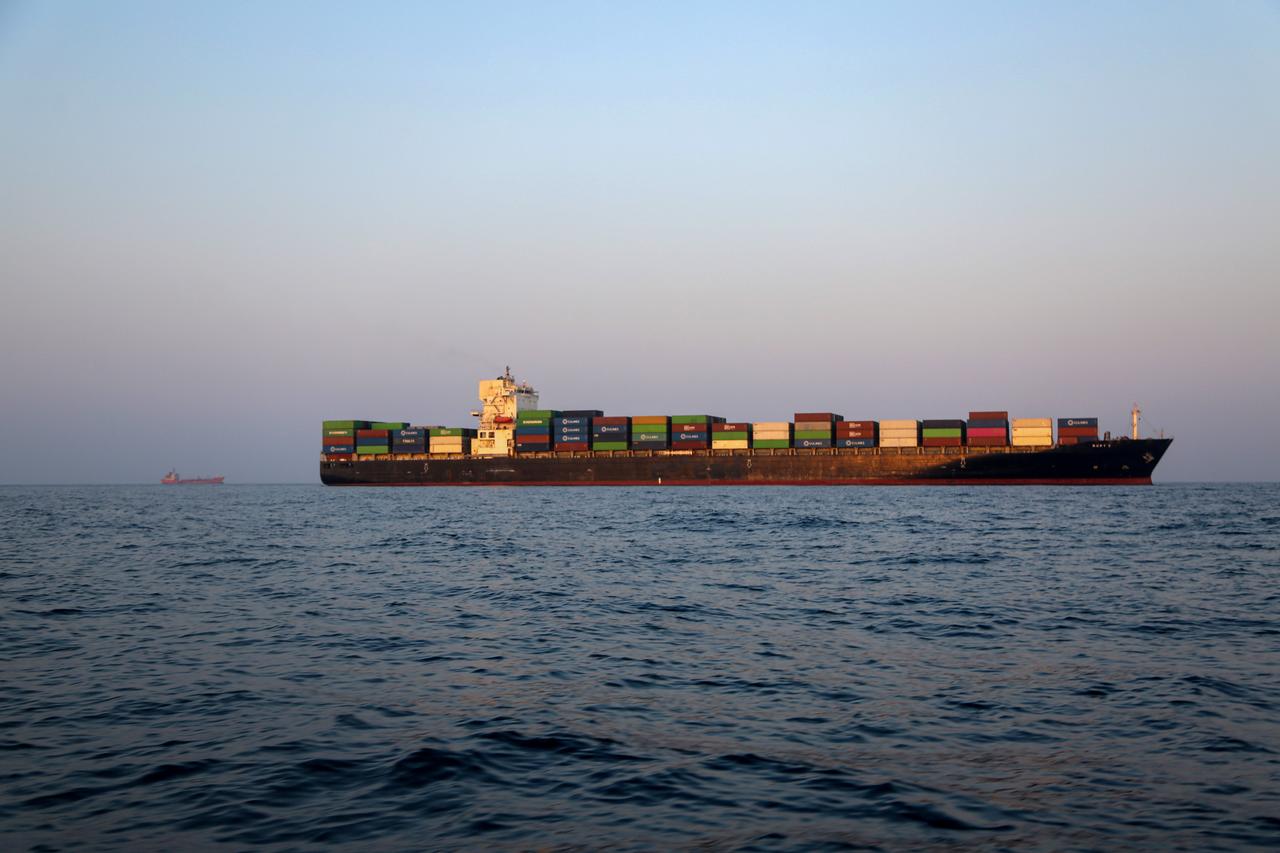
Even before last week's attacks, loading rates through Hormuz had been gradually increasing, with more than a dozen Saudi tankers beginning to wait just outside the strait in recent weeks.
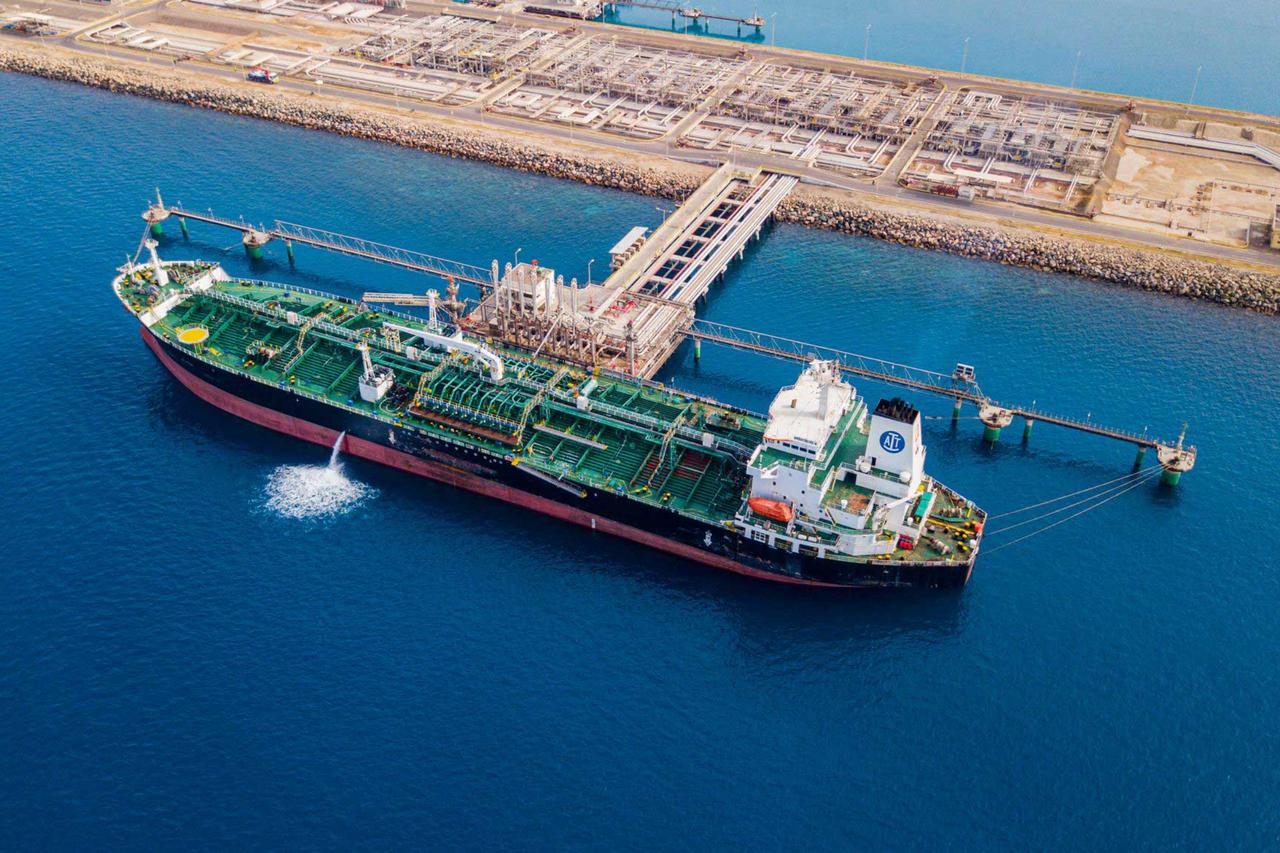
Satellite imagery has shown an uptick in tankers loading at a major Saudi export terminal in the Persian Gulf in recent days.
It remains unclear how quickly Saudi Aramco can scale up Hormuz shipments to offset the pipeline's closure.
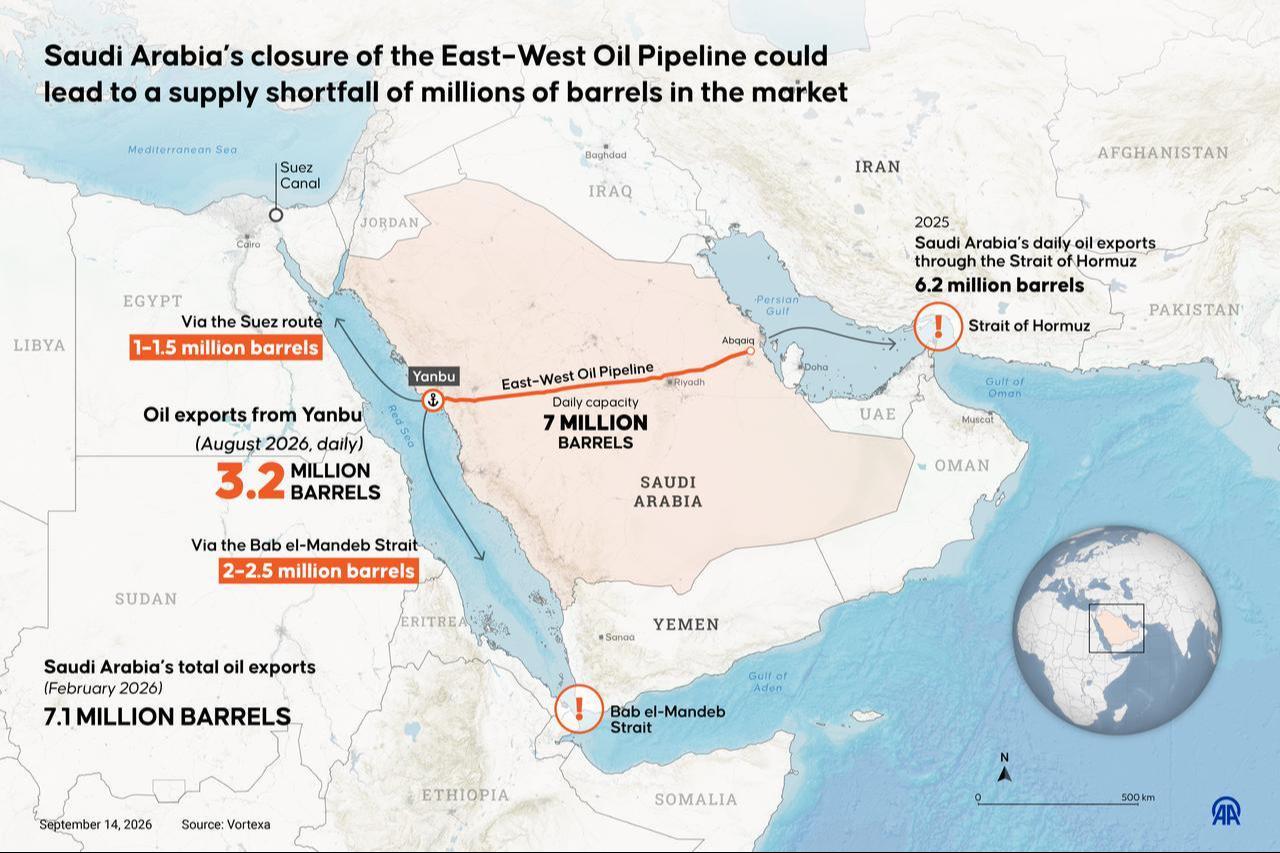
The company had been pushing total exports toward roughly 4 million barrels per day (bpd) in early September, with about 1 million bpd moving through Hormuz and the rest via the Red Sea port of Yanbu, where the pipeline terminates, according to the person familiar with the matter.
Total shipments had fallen to about 3 million bpd in August, the lowest level in at least nine years, according to tanker-tracking data compiled by Bloomberg, Vortexa and Kpler.
Any effort to move more oil through Hormuz will also have to contend with a severe shortage of available ships that has pushed freight costs to record highs.
The cost of hauling oil from Saudi Gulf ports to China neared $1 million a day for the first time ever on Friday.
Before the Iran war, the Strait of Hormuz carried more than a fifth of global oil supply, roughly 20 million bpd. Industry estimates now put flows through the strait at just 6-9 million bpd.
Saudi Arabia activated the 1,200-kilometer East-West pipeline within days of the war's outbreak in late February to shift flows toward the Red Sea, quickly reaching close to its full 7 million bpd capacity, with about 5 million bpd earmarked for exports and the remainder used at coastal refineries.
Actual flows had since eased to about 2 million bpd in August, the lowest monthly level since January, as Houthi attacks made the Red Sea route increasingly risky, according to Kpler data, before rising back toward 4-5 million bpd, or roughly 4-5% of global supply, as Saudi Arabia leaned more heavily on the route.
The Houthis, who declared a blockade of Saudi shipping in July, have since struck vessels including a supertanker as well as various energy sites inside the kingdom. Meanwhile, other Gulf producers including the UAE, Iraq and Kuwait have continued sending tankers through Hormuz despite the risk of attack, while Riyadh tended to route fewer shipments through the strait, likely because of its reliance on the pipeline.
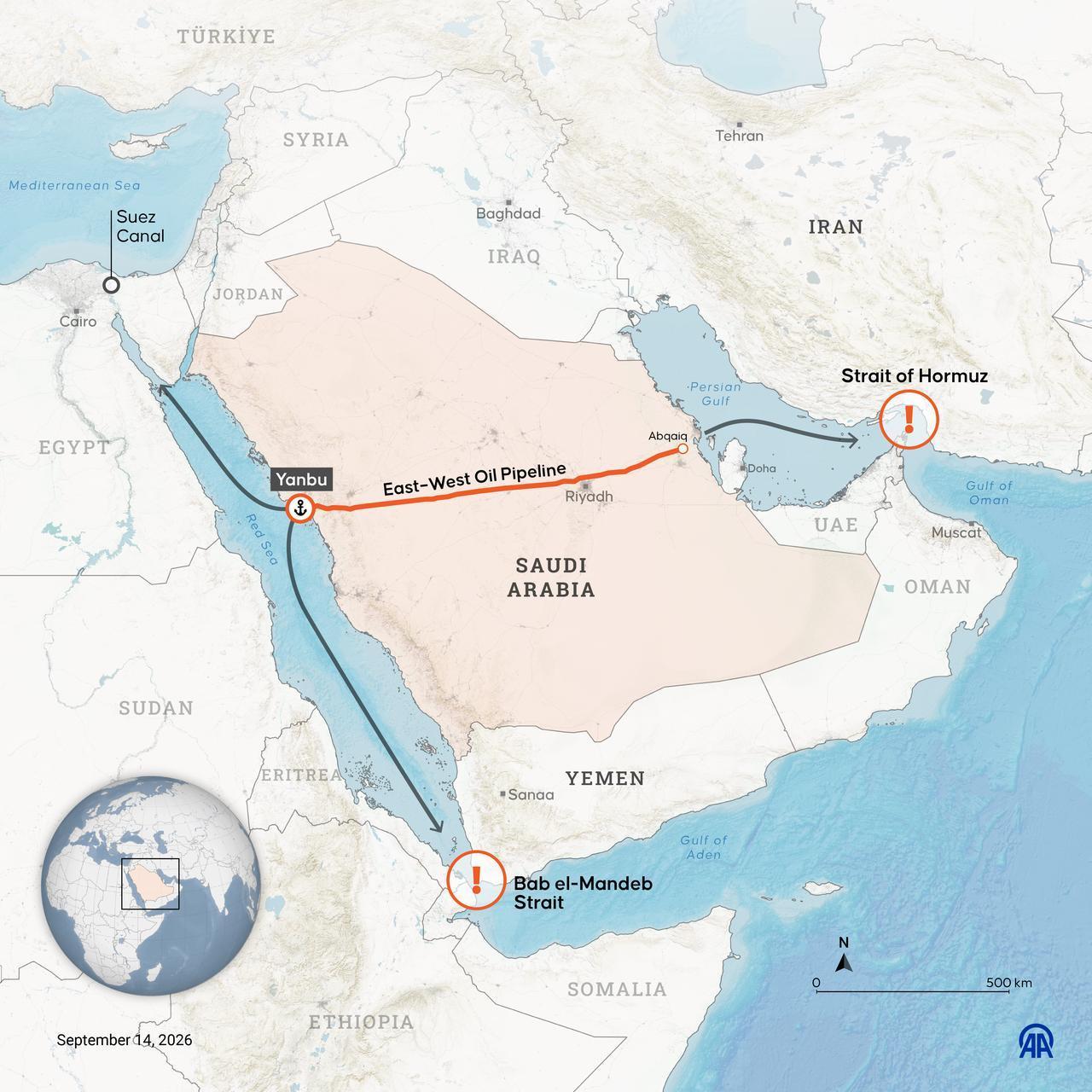
With the pipeline shut, the Red Sea port of Yanbu has enough stored oil to sustain exports for only about five to seven days, according to industry sources cited by Reuters, while Egyptian storage facilities at Ain Sukhna and Sidi Kerir could provide several additional days of supply.
Rystad Energy said in a Monday analysis that the pipeline had been moving an average of 2.6 to 4 million bpd since late August, all of which would be lost to the market if flows stopped completely, adding that Brent crude's rise to $109 a barrel "is a clear signal that the market is increasingly pricing in a significant loss of supply."
Separately, Oman's energy minister, Salim al-Aufi, urged gas producers to develop export routes that avoid the Strait of Hormuz altogether, speaking Monday at the Gastech conference in Bangkok.
"Let's identify alternative export options," Aufi said.
"Be it north or through Oman or through Yemen. Diversify your options to get the resources out of the area," he added.
His comments came as Abu Dhabi's ADNOC Gas considers a new LNG export facility outside Hormuz, a waterway that normally carries a fifth of global LNG supply, while Oman already operates one LNG export plant on its eastern coast that does not depend on the strait.
The monthslong conflict has exposed the extent to which Gulf nations depend on a single chokepoint for the bulk of their energy exports, forcing producers across the region to seek workarounds to keep their economies running.


 Set as preferred source
 Set as preferred source


 1 min read

 1 min read