Newsletters


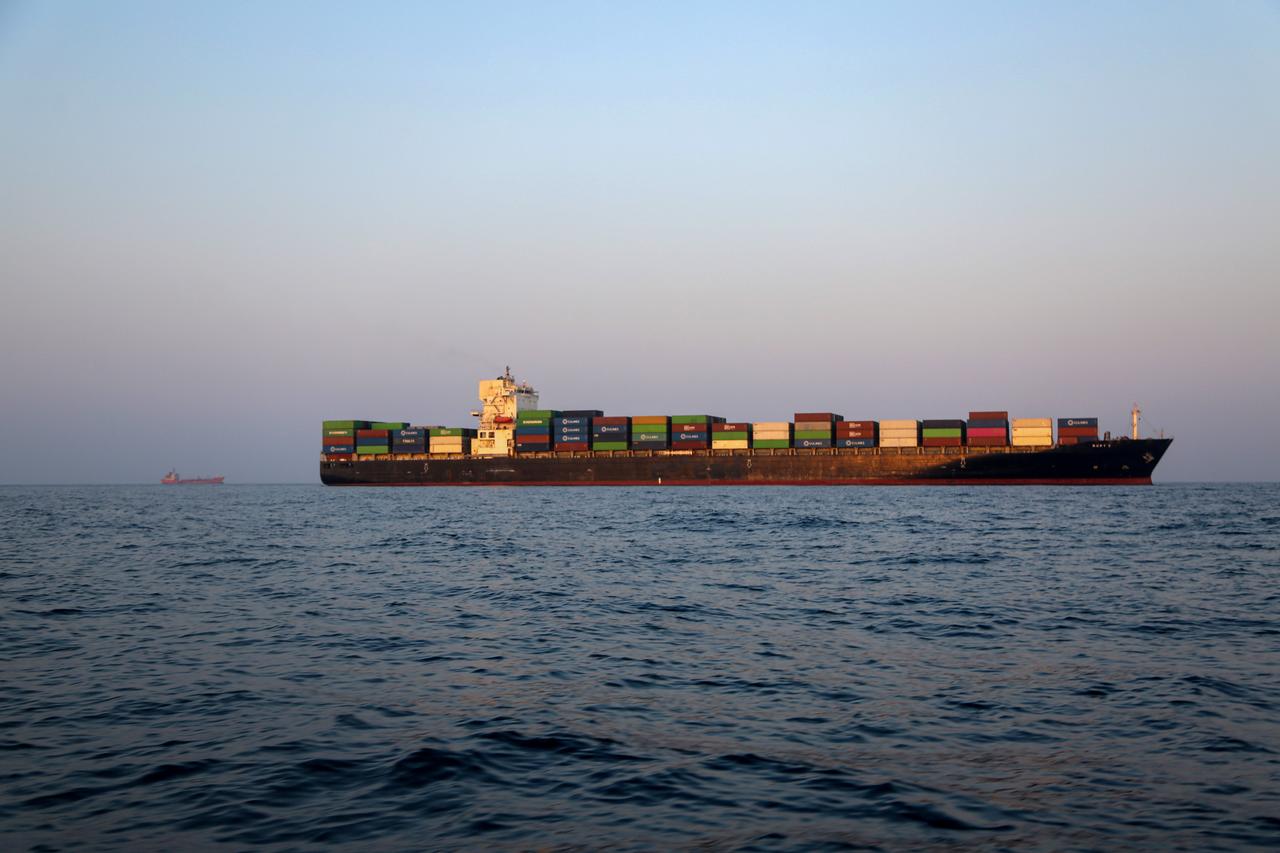


Commodity vessel traffic through the Strait of Hormuz fell to single digits per day over the weekend, remaining well below the 10-day average of 14, preliminary ship-tracking data reported by Reuters showed on Monday.
4 vessels exited the Gulf through the strait over the weekend, including a Handysize vessel sailing in ballast, a Handy vessel carrying liquefied petroleum gas, a Supramax carrying fertilizer and a Suezmax laden with crude or condensate.
Ten vessels entered the Gulf, including a mini-bulker carrying minor bulk commodities, a Handymax carrying grain, a Panamax carrying metals, and a Supramax carrying dry bulk cargo, the data showed.
The figures exclude vessels that may have crossed the strait with their Automatic Identification System (AIS) transponders turned off to avoid detection.
A vessel was struck by an unknown projectile while transiting the Strait of Hormuz early Sunday, the United Kingdom Maritime Trade Operations (UKMTO) said.
The crew's status, damage assessment and environmental impact were unknown, it said.
Meanwhile, a vital East-West oil pipeline in Saudi Arabia that has helped relieve the logjam in the Strait of Hormuz was temporarily shut down by a drone attack coming from Iraq, Saudi officials said.
Before the Iran war began on Feb. 28, the strait typically handled about 125 large commercial vessels per day, including tankers, gas carriers, bulkers and container vessels.
The waterway accounted for about 20% of the world's daily crude oil and liquefied natural gas supply.
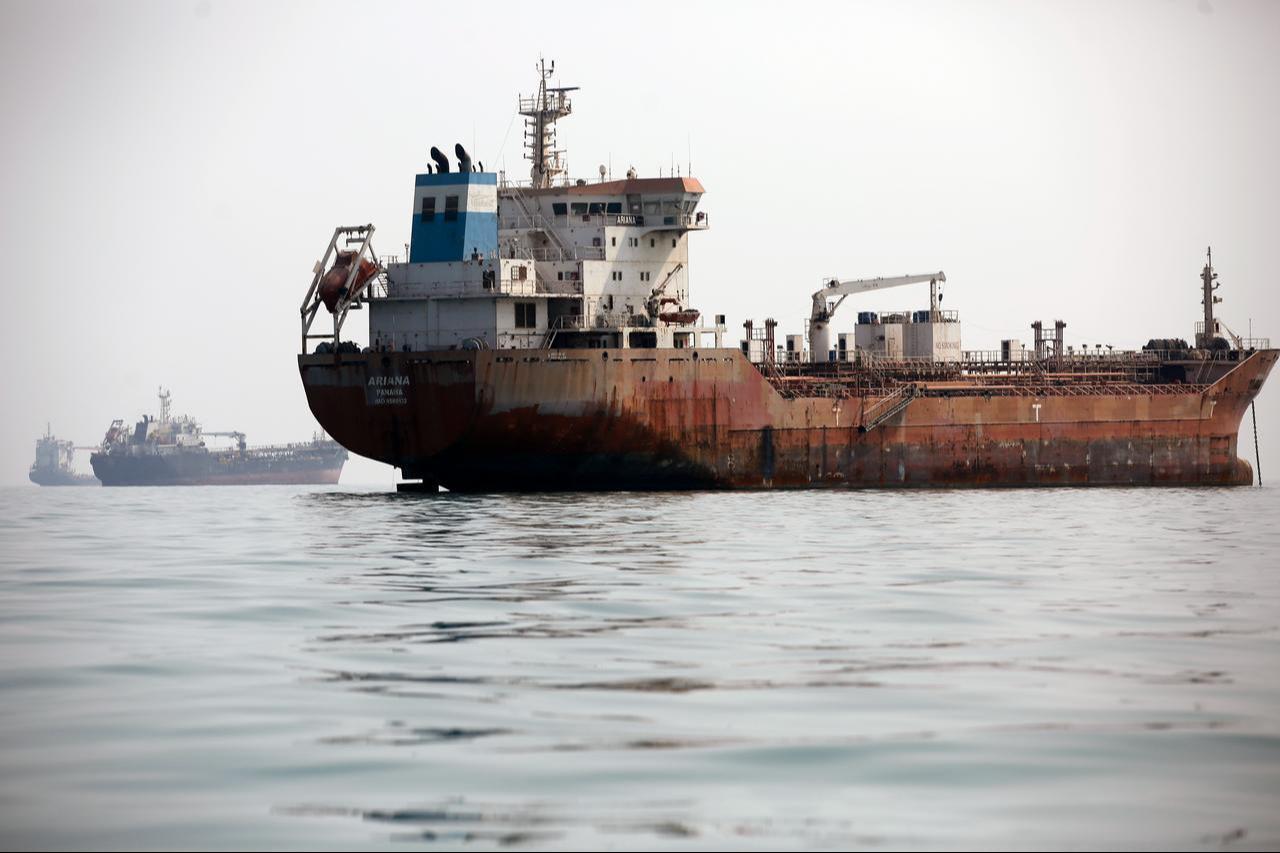

A U.S. blockade of Iran-related shipping has halted Iranian crude oil exports since it was reimposed in mid-July.
The United States reinstated its blockade on Iranian ports in July following the collapse of a ceasefire agreement between Washington and Tehran.
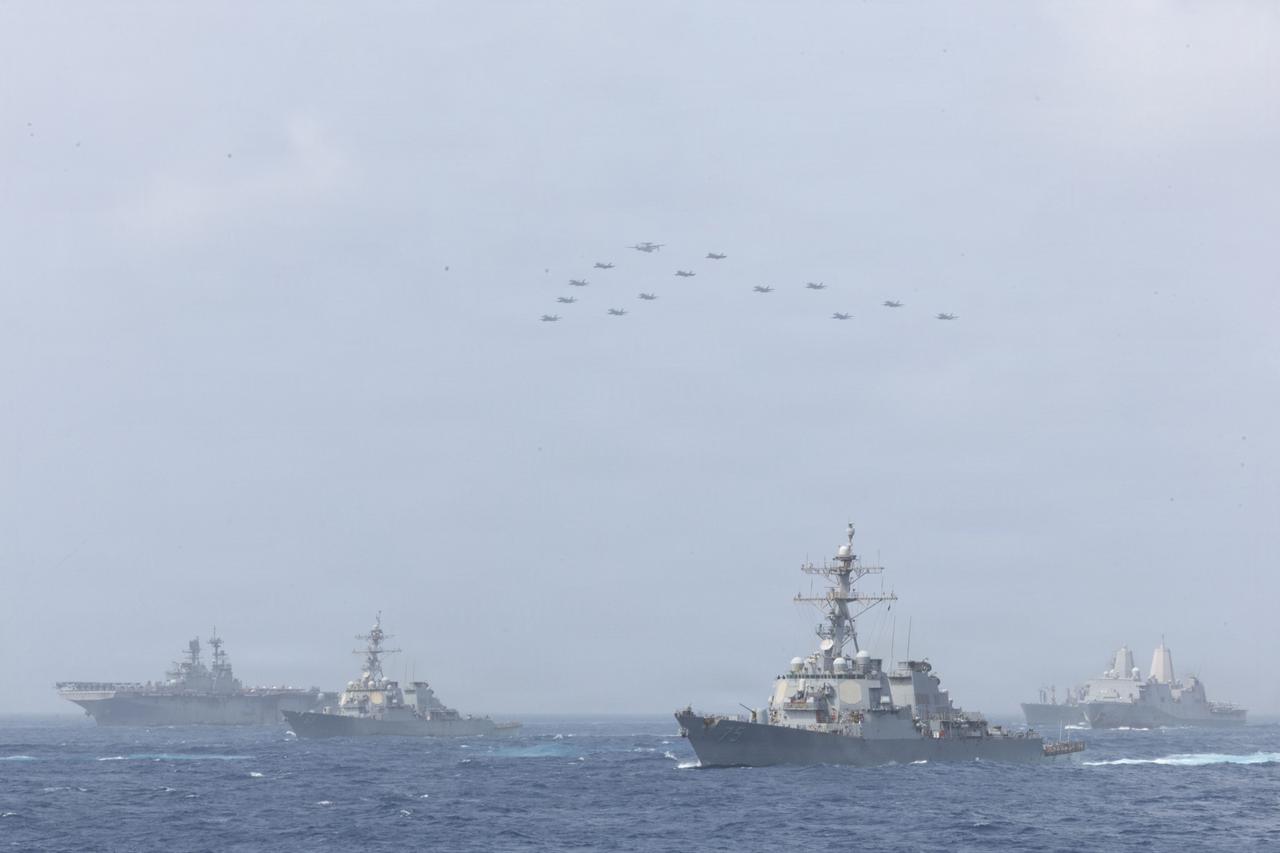
U.S. Central Command (CENTCOM) has provided an update on its ongoing naval blockade in the Strait of Hormuz.
As of Sept. 12, 100 commercial vessels had been redirected by the U.S. Navy in the strait, according to CENTCOM.
Traffic through the Bab el-Mandeb Strait was higher than through Hormuz over the weekend. Twenty-four commodity vessels traveled through the waterway Saturday and 27 on Sunday, compared with an average of around 27 ships over the previous 10 days, tracking data showed.
Iran and its Gulf neighbors are struggling to reach an agreement on how to govern the Strait of Hormuz, while Tehran has moved ahead with its own arrangements for the key waterway.
The Persian Gulf Strait Authority (PGSA), established by Iran to manage passage through the strait, has published a list of vessels it says are "violating protocols."
The authority said: "The list of violating vessels has been updated. Insurers, P&I clubs, and classification societies are warned that, to protect against the consequences arising from dealings with these vessels, they should refrain from providing services to them."
The list contains 77 ships in total.
The vessels face restrictions on future passage, including fines, detention or confiscation, according to the authority.
It also said that any vessels cooperating with the listed ships would be added to the list.


 Set as preferred source
 Set as preferred source



 1 min read