Newsletters


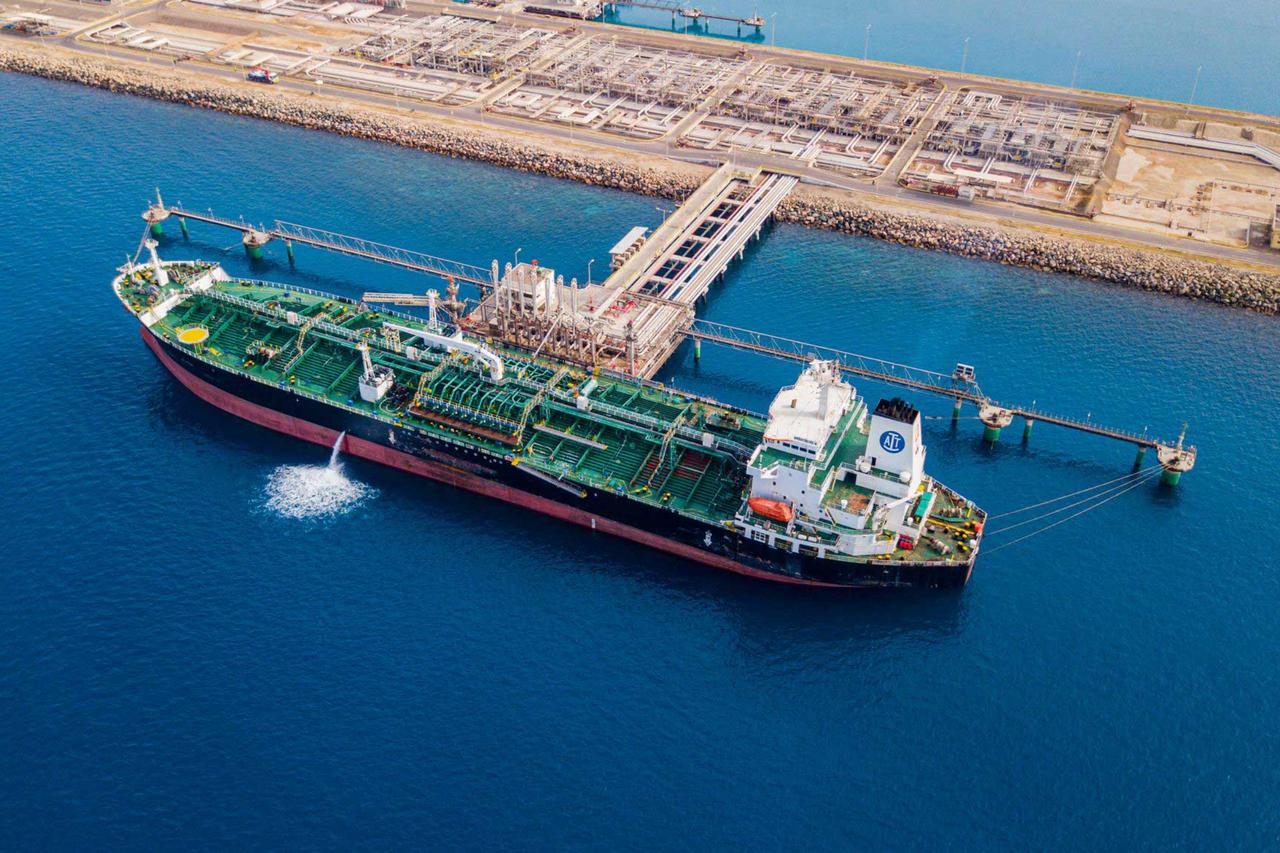


Saudi Arabia’s East-West Pipeline, a major route for moving crude away from the Gulf, is likely to remain out of service for several weeks after a drone attack damaged the system, according to a report.
Repairs are forecast to take three to five weeks and include work at a major pumping facility, regional officials told The Associated Press. Part of the system could resume operations while repair crews remain on site, one of the officials indicated.
Oil markets reacted to the report, with Brent crude extending its daily gains to 4% and reaching an intraday high of $109.7 per barrel. U.S. West Texas Intermediate crude also climbed to $104.9 before giving up part of its advance.
The attack unfolded on Sept. 10, when multiple drones struck the East-West Pipeline in Saudi Arabia’s Riyadh and Madinah regions, the Saudi Energy Ministry said a day after the incident. The strikes injured several people and caused damage to the oil infrastructure, prompting authorities to shut the pipeline as a precaution.
Saudi Arabia later identified Iraq as the launch point for the drones, putting pressure on Baghdad to prevent further attacks from its territory.
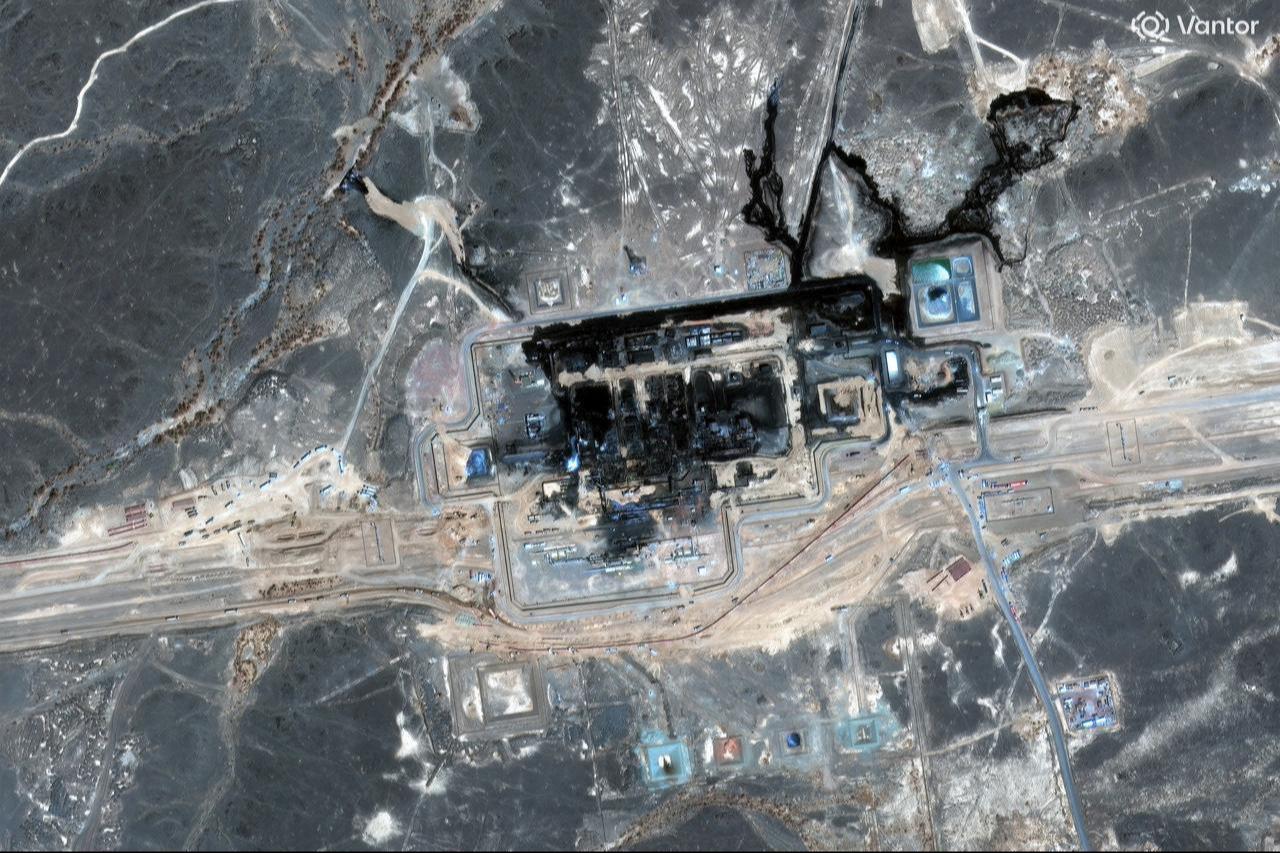
Satellite images captured after the strikes showed smoke and signs of fire near pipeline infrastructure south of Medina, as well as significant damage around a pumping facility, although the full extent of the disruption was initially unclear.
A previous strike on a pumping station along the same system in April caused output to fall to 700,000 barrels per day, although Saudi Arabia reported that the facility returned to full capacity three days later.

The pipeline has become particularly important since the Strait of Hormuz was disrupted by the wider conflict involving Iran, giving Saudi Arabia an alternative route to move crude toward the Red Sea.
The 1,200-kilometer system connects oil-producing facilities in the east with the port of Yanbu on the western coast. The system can carry up to 7 million barrels of oil a day and has recently been moving around 4 million to 5 million barrels a day.
With the pipeline offline, Saudi Arabia is looking for other ways to move crude from its western facilities to international markets. The kingdom can draw on oil stocks already held in the west and increase shipments through Egypt via the Suez Canal or the Sumed pipeline, which carries crude between the Red Sea and the Mediterranean.
Longer voyages around the Cape of Good Hope also remain possible, although they add significant sailing time and costs.
Those alternatives face a growing problem of their own as security risks mount along the Red Sea. Yemen’s Houthi forces have expanded their control along the country’s Red Sea coast and seized Mayun, also known as Perim Island, near the Bab el-Mandeb Strait, a strategic gateway between the Red Sea and the Gulf of Aden.


 Set as preferred source
 Set as preferred source


 1 min read

 1 min read