Newsletters




In Greek mythology, sailors navigating the Strait of Messina had to steer between two insurmountable hazards: Scylla, the multi-headed monster clinging to the cliffs, and Charybdis, the whirlpool that swallowed ships whole. Choose one, and you risked being devoured by the other.
Today’s global energy markets are finding themselves caught in a strikingly similar geographic trap.
For months, the primary exit for Middle Eastern crude, the Strait of Hormuz, has been effectively choked off by Tehran. To survive the standoff in the long term, Saudi Arabia turned to its long-cultivated "Plan B": pumping crude 1,200 kilometers (745.65 miles) across the Arabian Peninsula via its East-West Petroline to the Red Sea port of Yanbu.
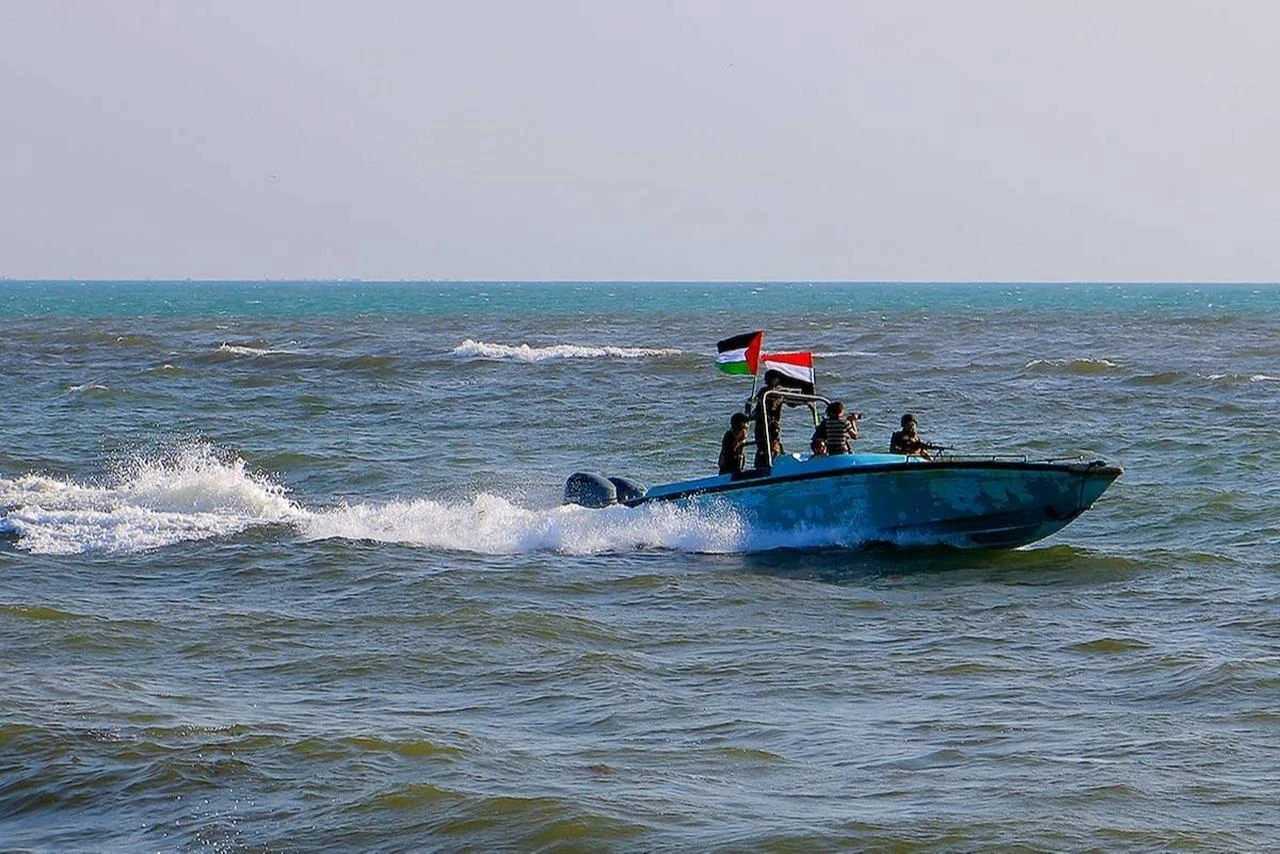
Now, the Houthis have activated the second monster. By declaring a naval blockade on Saudi-flagged vessels and shipping bound for Saudi ports through the Bab el-Mandeb, Yemen's rebels are slamming the back door shut.
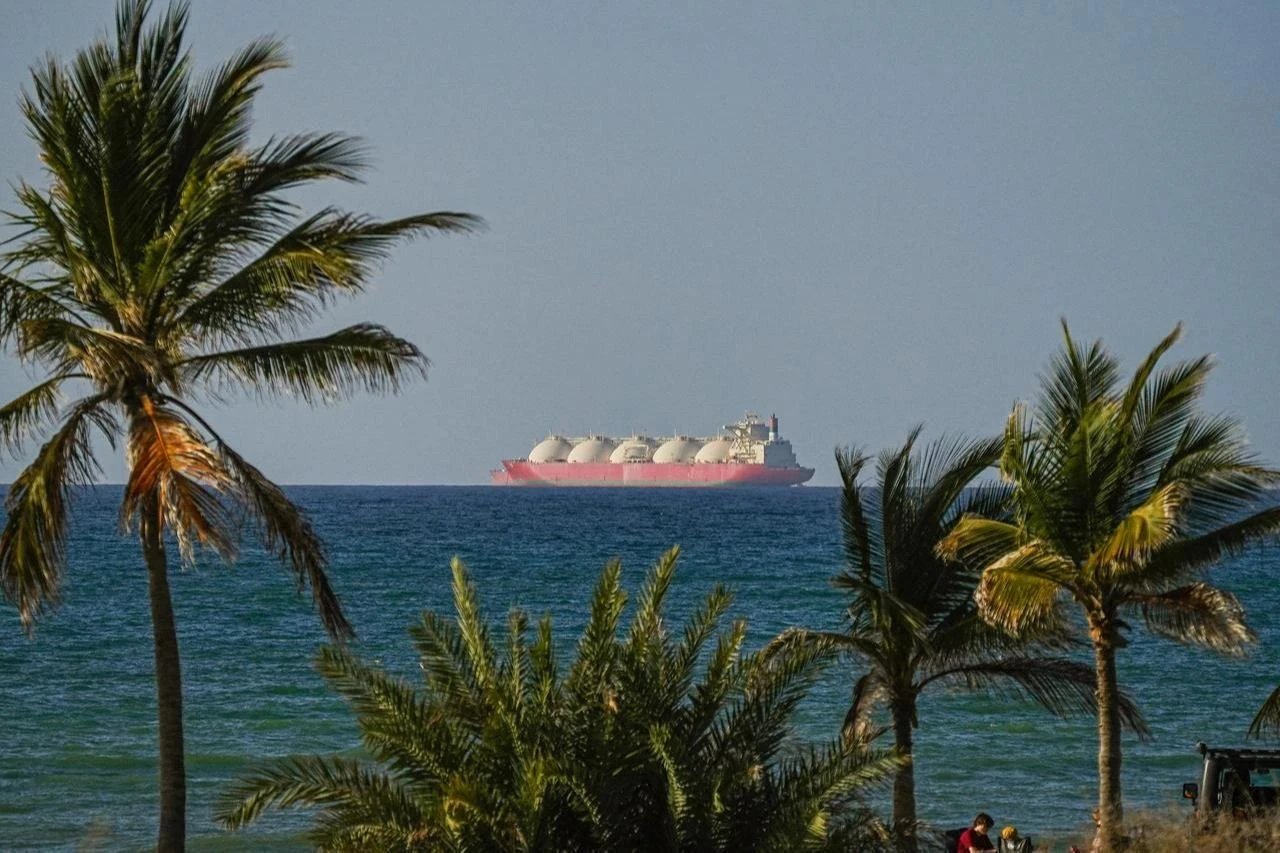
Approximately 4 million barrels per day of crude, the volume that sought safe harbor in the Red Sea to bypass Hormuz, is now trapped directly in the crosshairs.

To understand how rapidly the margin for error in global energy security is evaporating, one only needs to trace the logistics across the peninsula.
When traffic through Hormuz ground to a crawl, Saudi Aramco pushed the Petroline to its operational limit, converting parallel natural gas lines to maximize crude flow toward Yanbu. It was a triumph of heavy infrastructure over geopolitical vulnerability.
Yet infrastructure is only as viable as its final maritime mile. The Bab el-Mandeb Strait handles roughly 15% of global maritime trade. By broadcasting radio warnings to tankers and threatening ships docking at Saudi terminals, the Houthis have effectively transformed the Red Sea from a safe bypass into a second choke point.
When roughly 6% to 7% of world energy supplies are forced to choose between an unsafe Gulf and a hostile Red Sea, the idea of "redundancy" ceases to exist.
"The Houthis have been careful to give themselves space," notes Dena Esfandiari, Middle East Geo-economics Lead at Bloomberg Economics.
"They have framed this as a domestic issue targeting Saudi ports, which gives them the wiggle room to escalate incrementally, from Saudi-flagged tankers today to wider maritime traffic tomorrow."
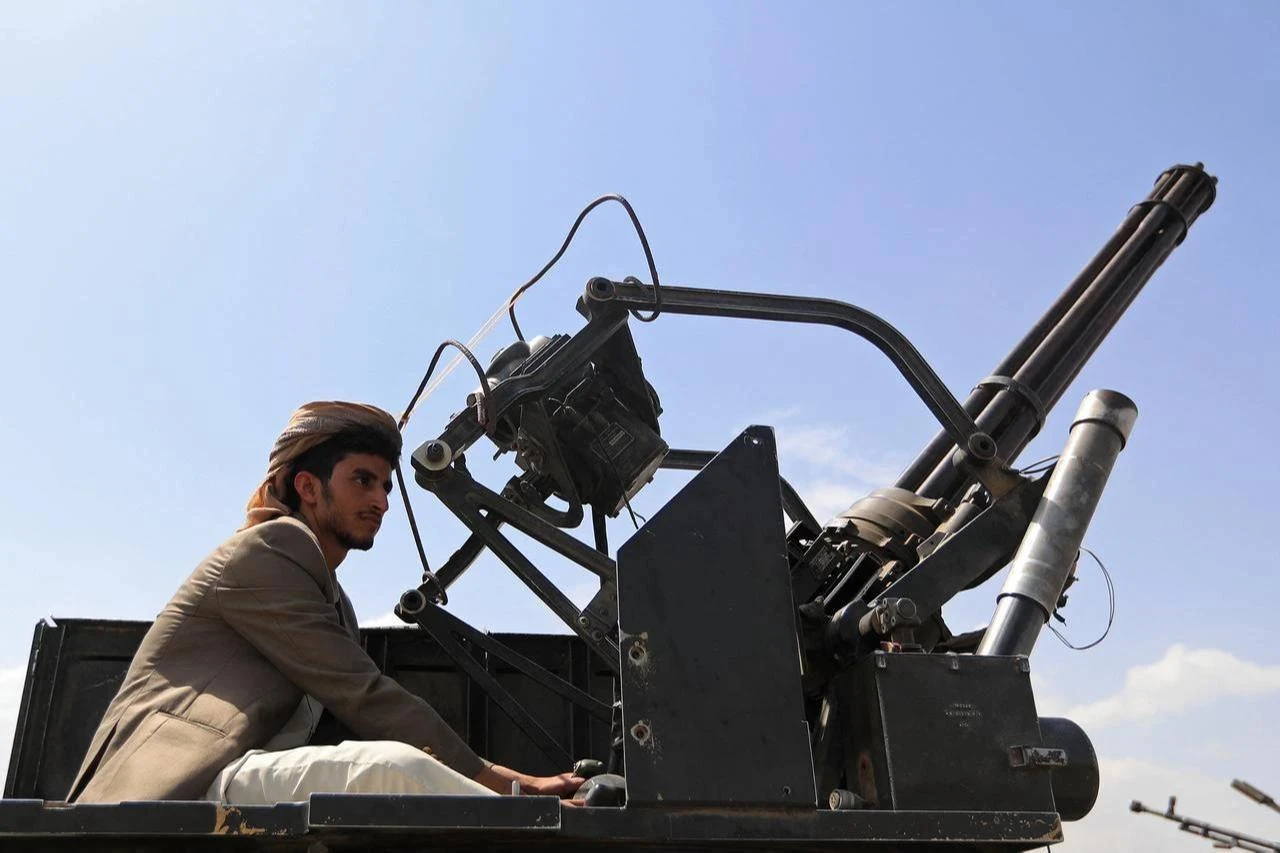
For nearly a decade, a Saudi-led coalition backed by Western intelligence attempted to neutralize the Houthis' persistent leverage through high-altitude aerial campaigns.
Former military commanders often quipped about the futility of trying to bomb a group "back into the 14th century" when their operational footprint is already decentralized, sparse, and deeply embedded in harsh topography.
After four or five months of relative quiet—a lull driven less by submission than by tactical patience while maintaining communications with Tehran—the group has re-emerged. Tehran remains their primary strategic lifeline, but the Houthis operate with a high degree of local autonomy. They have hunkered down, preserved their inventory of anti-ship cruise missiles and uncrewed explosive boats, and chosen this exact moment of regional strain to turn up the heat.
The broader question hovering over the region is whether Washington or Tehran will break the cycle first. Both capitals are trapped in a classic security dilemma, where every move designed to signal deterrence is read by the opponent as an existential threat.
For Iran, retaining operational dominance over Hormuz is a non-negotiable strategic pillar. For the United States, allowing a hostile power or its proxy to hold two of the world's most vital maritime choke points hostage is an unacceptable systemic risk.
The human and material toll of this standoff is already mounting. With nearly 100 U.S. service members injured in recent weeks across regional outposts, Washington's attempt to isolate its forces from regional fallout has met the reality of long-range drone and missile proliferation. Even repositioning personnel to bases in Jordan has failed to insulate them from targeted strikes.
Given the severity of the dual-choke-point threat, one might expect oil to be trading well into triple digits. Yet Brent crude, while up roughly $20 from its recent lows, remains $25 to $30 below its war-era highs.
The answer for why the market hasn't panicked lies in major consuming nations drawing down strategic buffers rather than competing for immediate physical cargoes.
China alone sits on nearly 2 billion barrels of crude in onshore storage, and Beijing has been steadily tapping those reserves to suppress domestic import demand.
Traders are betting that the threat remains a war of nerves rather than a permanent physical closure of the Bab el-Mandeb. But as both sides run out of diplomatic off-ramps, market participants are relying on a buffer that shrinks with every passing day. How much longer commercial inventories can insulate global prices from geopolitical risk before physical reality catches up remains an open question.
For now, the Islamabad talks offer a temporary psychological floor rather than a structural solution for global energy markets.
Until physical barrels can move unhindered through both Hormuz and the Bab el-Mandeb, any interim deal reached in Pakistan remains a fragile truce. In modern energy geopolitics, resolving a crisis means convincing the actors who control the choke points—not just those sitting at the negotiating table.


 Set as preferred source
 Set as preferred source


 3 min read