Newsletters


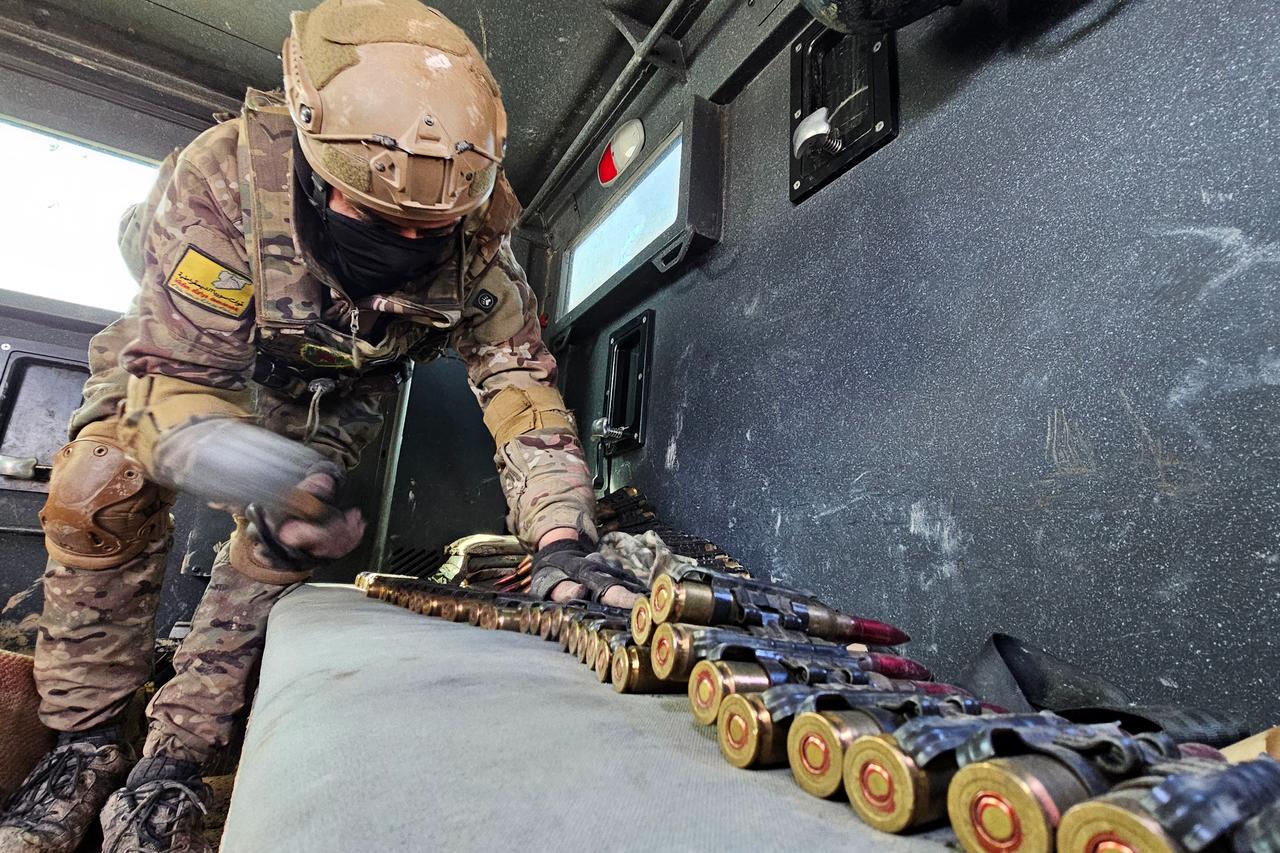


The YPG/SDF terrorist group has lost two-thirds of the territory it controlled and its "chapter is closing" as the organization finds itself unprotected both on the ground and in international diplomacy, Turkish security sources cited by Turkish media outlet TRT said Thursday.
"The official counterpart in the fight against Daesh is now the Damascus government. The SDF story is ending for the U.S. and Trump as well. SDF is losing its leverage," security sources said.
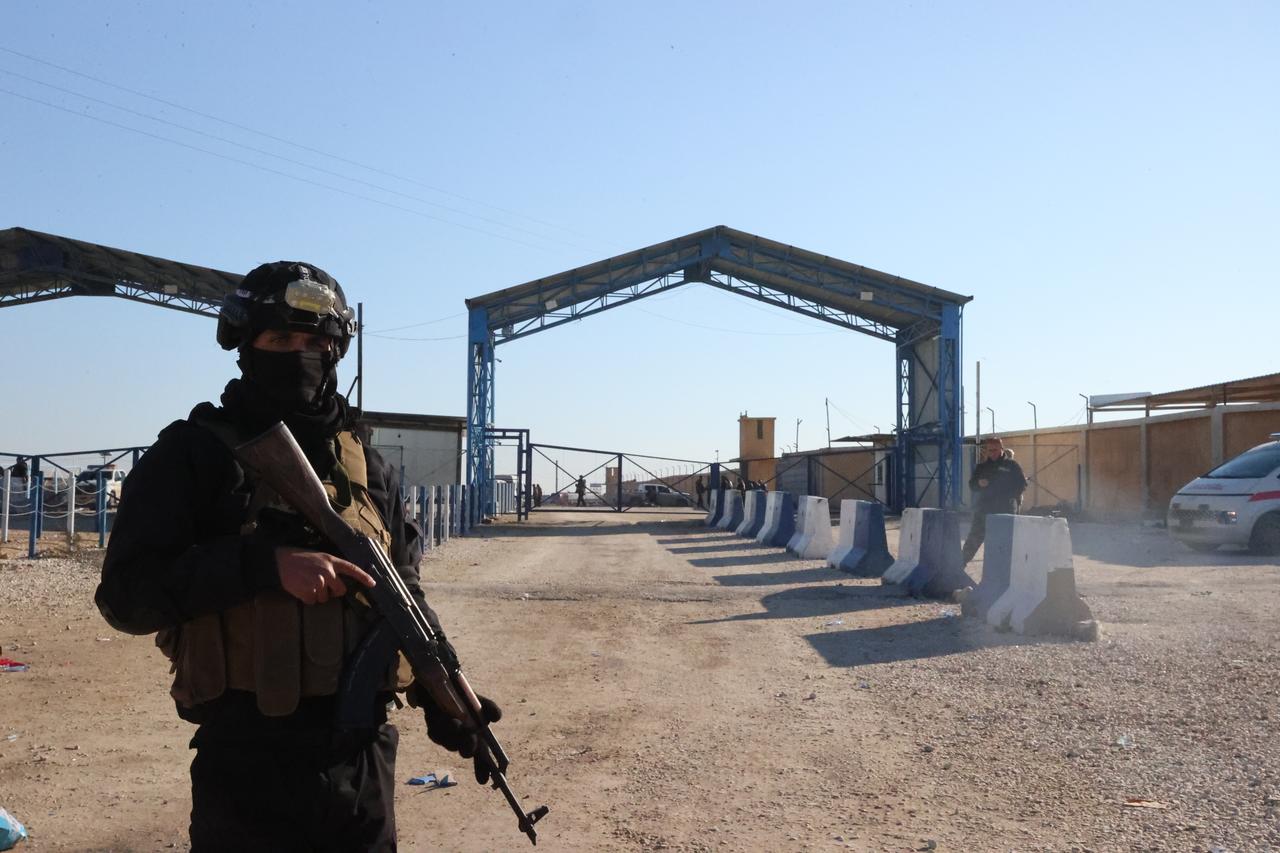

Security sources said the YPG/SDF withdrew from al-Hol camp and the Syrian army took control of al-Yarubiyah border crossing, the only official border crossing connecting Hasakah to Iraq's Mosul.
"This development is critically important in terms of severing the logistical and strategic link between the SDF and Qandil cadres in Iraq," sources said.
The Ain al-Arab-Hasakah connection has been severed as a result of operations, with sources noting that PKK's efforts to create a perception of a "second Kobani case" have found no response.
The area containing the Suleyman Shah Tomb and the strategic Karakozak Bridge has been cleared.
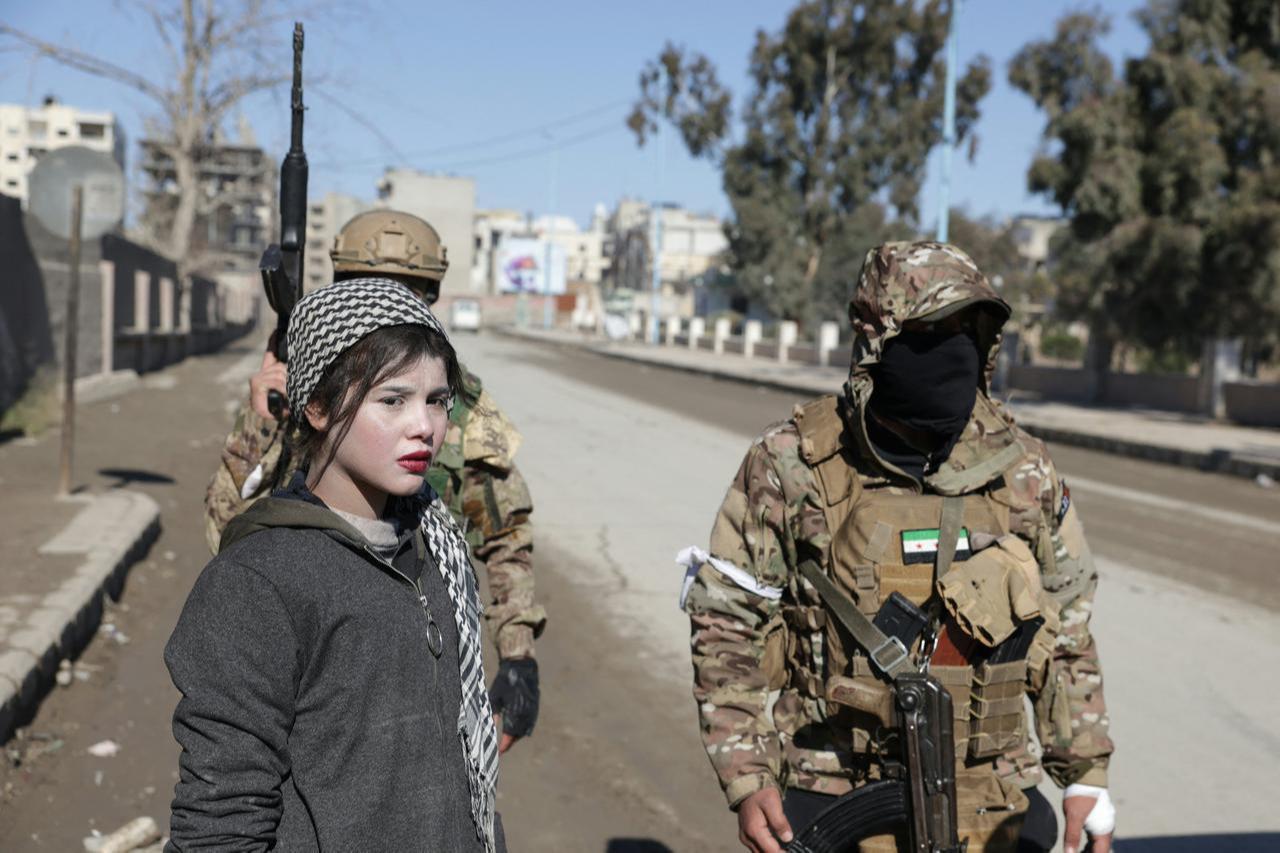
Security sources said approximately 40,000 of the YPG/SDF's total 63,000 personnel consisted of Arabs. The organic uprising launched by Arab tribes against YPG/SDF oppression accelerated the organization's dissolution.
"With the SDF losing its oil resources and financial reserves, Qandil no longer has the ability to use Syria as a 'reserve area,'" sources said.
Security sources said a four-day ceasefire was signed between the Syrian government and the YPG/SDF as of Jan. 18, with the following terms:
 2 min read
Security sources also pointed to a Jan. 4 meeting attended by terrorist group leader Mazlum Abdi Sahin (codenamed "Mazlum Kobani"), Syrian Foreign Minister Asaad Shaibani and U.S. officials as the turning point in Washington's stance.
"It was confirmed that the SDF has been stalling the resolution process for 10 months and that Mazlum Abdi Sahin consults Qandil on every decision. This certified the reality that 'there is no distinction between SDF and PKK' in the eyes of the U.S.," sources said.
Security sources emphasized that the YPG/SDF's blackmail of "if we're gone, Daesh returns" no longer works.
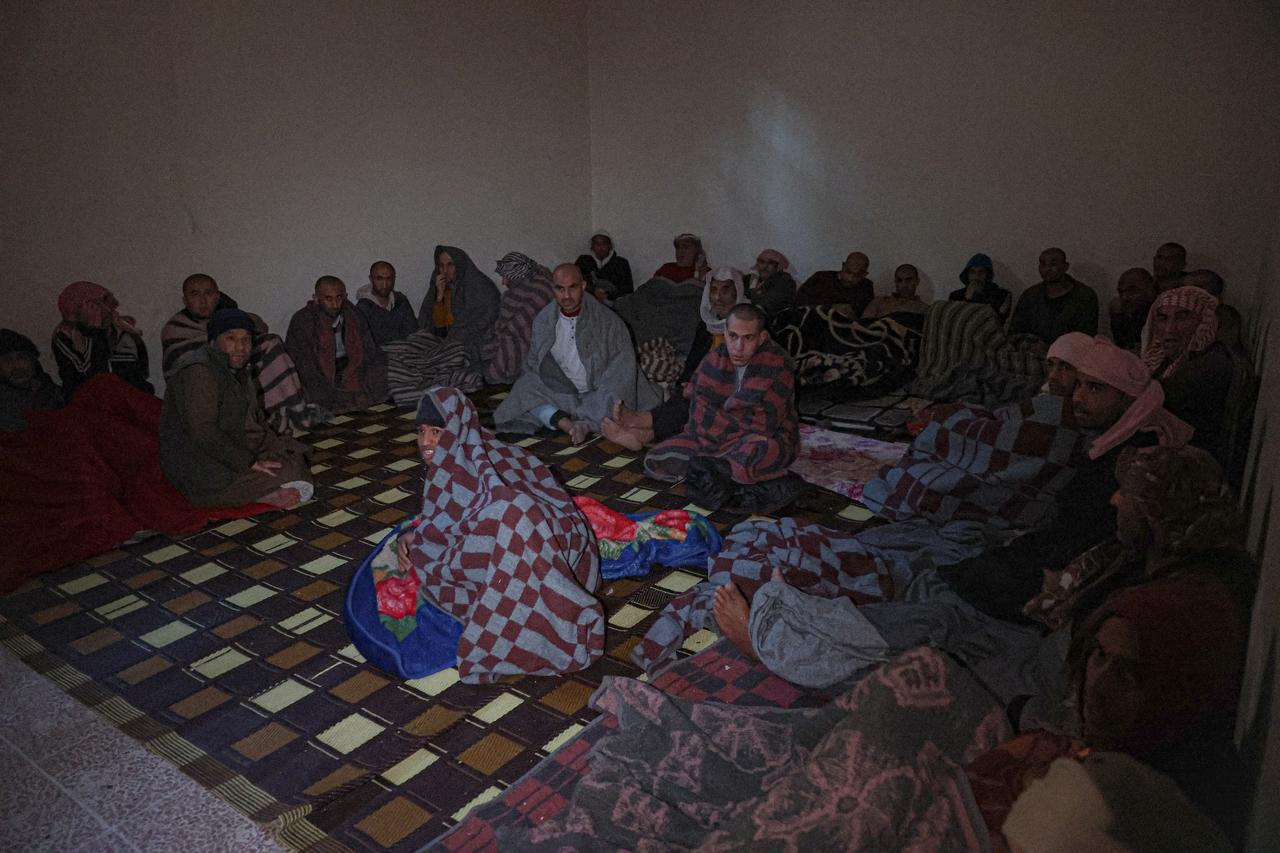
"The SDF tried to pressure the U.S. by releasing 200 Daesh members from prisons, but this was met with great backlash from the U.S. side," sources said.
Sources noted that in a phone call between U.S. President Trump and Syrian President Ahmed al-Sharaa, Trump conveyed the message: "What matters to us is control of Daesh prisons, I don't care about SDF."
The largest prison, al-Sina Prison, has been taken over by the U.S., while control of al-Hol has passed to the Syrian government.
Security sources lastly assessed that the domestic "terror-free Türkiye" process will be positively affected by developments in Syria.
"The official counterpart in the fight against Daesh in Syria's new equation is becoming the Damascus government. The SDF has lost its legitimacy ground," sources said.
"The field is progressing better than our expectations. The SDF story is ending. If the organization acts reasonably, full integration will be achieved; otherwise, military operations will continue to advance. Our 'terror-free Türkiye' goal will emerge strengthened from this process," security sources concluded.


 Set as preferred source
 Set as preferred source



 1 min read