Newsletters


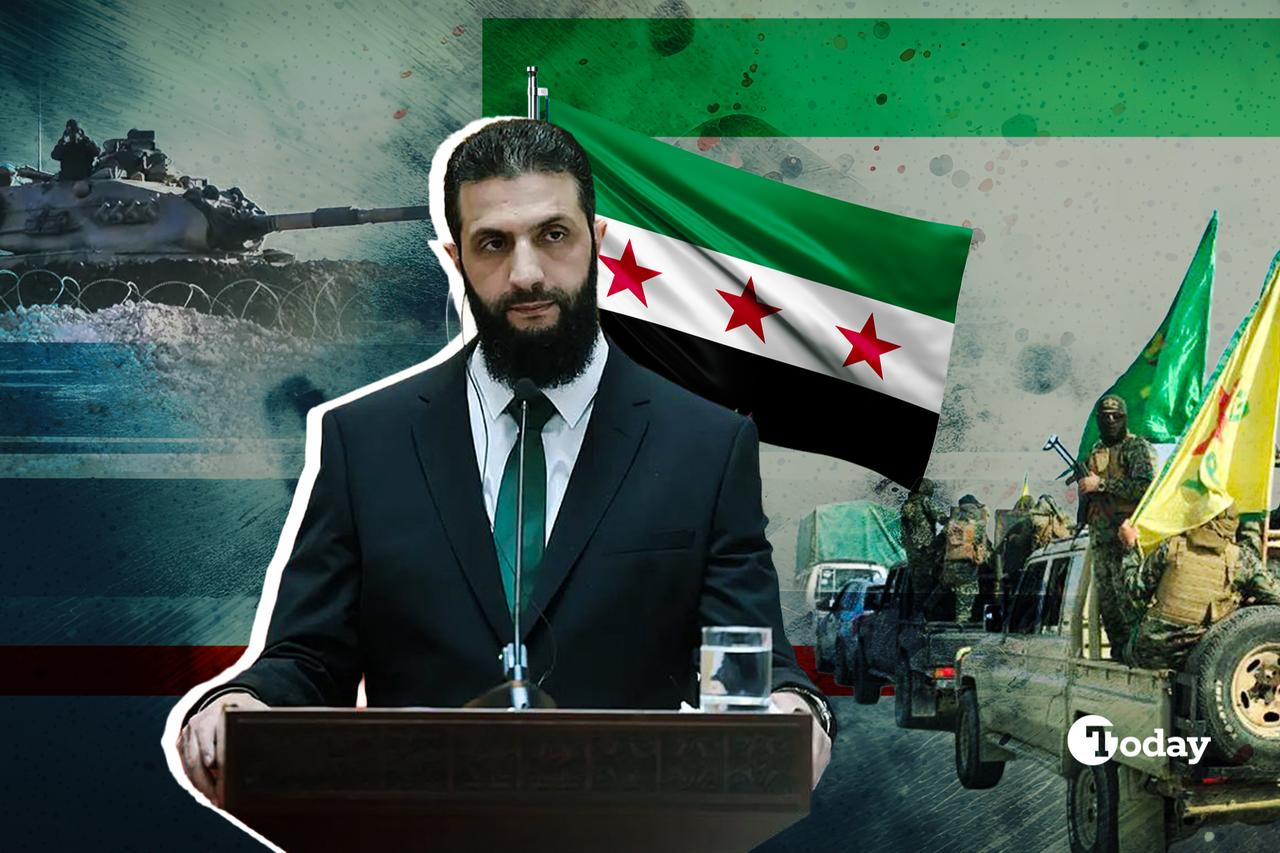


The transformation unfolding in Syria is shaped by the legacy of the civil war and enduring demographic realities. Since taking power, Syrian President Ahmed al-Sharaa has advanced a central thesis: wars fought against demography cannot be won.
Afghanistan offers a clear precedent—despite U.S. power and multi-ethnic coalitions, the Taliban prevailed by anchoring itself in a broad Pashtun demographic base rooted in Pashtunwali and Islamic tradition, steadily expanding control over two decades.
Modern weapons and external backing matter in warfare, but demography is decisive. Events over the past several days in eastern Syria have once again demonstrated this reality.
Al-Sharaa acted with this understanding in mind. From the moment the integration agreement with the YPG/SDF entered the agenda in March 2025, he focused on organizing Arab tribes against YPG dominance.
The areas in eastern Syria where the YPG maintained a presence were overwhelmingly dominated by Arabs. Before and after the March 10 agreement, al-Sharaa repeatedly emphasized Syria’s unitary state structure and the Arab demographic majority in the east.
The tribal outreach effort was coordinated by Ahmad Zakkur, responsible for tribal relations, and his team, who worked systematically to establish trust with local tribes.
Türkiye’s long-standing ties with these tribes, formed well before December 2024, combined with the YPG’s exclusionary posture toward Arab communities over the past decade, significantly eased al-Sharaa’s task.
The consequences of the YPG’s disregard for demographic realities became starkly visible in clashes across Arab-majority areas such as Deir Hafer and Deir ez-Zor. The tribes were ready the night Abdi first rejected the agreement.
"Everything is ready, but we will still try to talk," the Syrian official told me. Following the military operation launched by Damascus, Arab tribal forces captured at least 65% of the territory in Raqqa, Deir ez-Zor, and Hasakah within days.
Although the YPG was often described as a “100,000-strong force,” it chose to withdraw from many areas rather than confront a broad-based Arab tribes' offensive. Once again, it became clear that persistence in a war without demographic support is futile.
Behind these developments lay a profound shift in U.S. policy. Washington no longer viewed Syria as an existential crisis or direct threat but rather as a manageable risk—and this recalibration changed everything.
Reports that U.S. Special Envoy for Syria Tom Barrack harshly criticized SDF commander Mazloum Abdi during a closed-door meeting in Erbil, combined with subsequent public statements by YPG figures, made this shift unmistakably clear.
The day after that meeting, a ceasefire agreement between Damascus and the SDF was announced. Barrack emphasized that the deal would strengthen dialogue toward a “united Syria.”
The agreement required the transfer of the YPG’s key bargaining chips—including gas and oil fields and the right to maintain separate military brigades—to the Syrian state. Barrack openly stated that the SDF’s anti-Daesh mission had run its course and that the United States would henceforth conduct counterterrorism cooperation directly with Damascus.
This new phase also marked a turning point in Türkiye’s regional strategy. A high-level delegation visited Damascus on Dec. 22, 2025, holding a series of meetings with Al-Sharaa.
Following these talks, Fidan stated that the SDF had shown no serious intent to make progress in the integration process. He also underscored that certain SDF activities coordinated with Israel had created a major deadlock in negotiations, noting that “SDF coordination with Israel constitutes a serious obstacle in our talks with Damascus.”
Kalin’s role proved particularly decisive. He coordinated the security and intelligence dimensions of negotiations with Damascus and Washington, sharing intelligence on YPG-Israel links and shaping the integration timeline. His input helped align Damascus’s plan to mobilize Arab tribes with Ankara’s core security concerns.
The YPG’s current predicament recalls U.S. failures in state-building efforts in Afghanistan and Iraq. In Afghanistan, U.S.-backed governments collapsed because they failed to secure mass legitimacy, while the Taliban regained power through demographic dominance.
In Iraq, plans pursued under the McGurk framework unraveled due to corruption and the inability of externally supported groups to align with demographic realities.
The YPG followed the same trajectory, despite hundreds of billions of dollars invested by the United States. After years of control over Raqqa and its surroundings, the YPG failed to deliver even basic reconstruction. It developed no meaningful rehabilitation program for the thousands of Daesh detainees in al-Hol camp, allowing radicalization to persist.
Billions in U.S. funds and revenues from illicitly extracted Syrian oil were largely siphoned off by warlords or transferred to the PKK in Iraq. This explains why Fidan and Kalin consistently opposed what they termed the “YPG state-building project.”
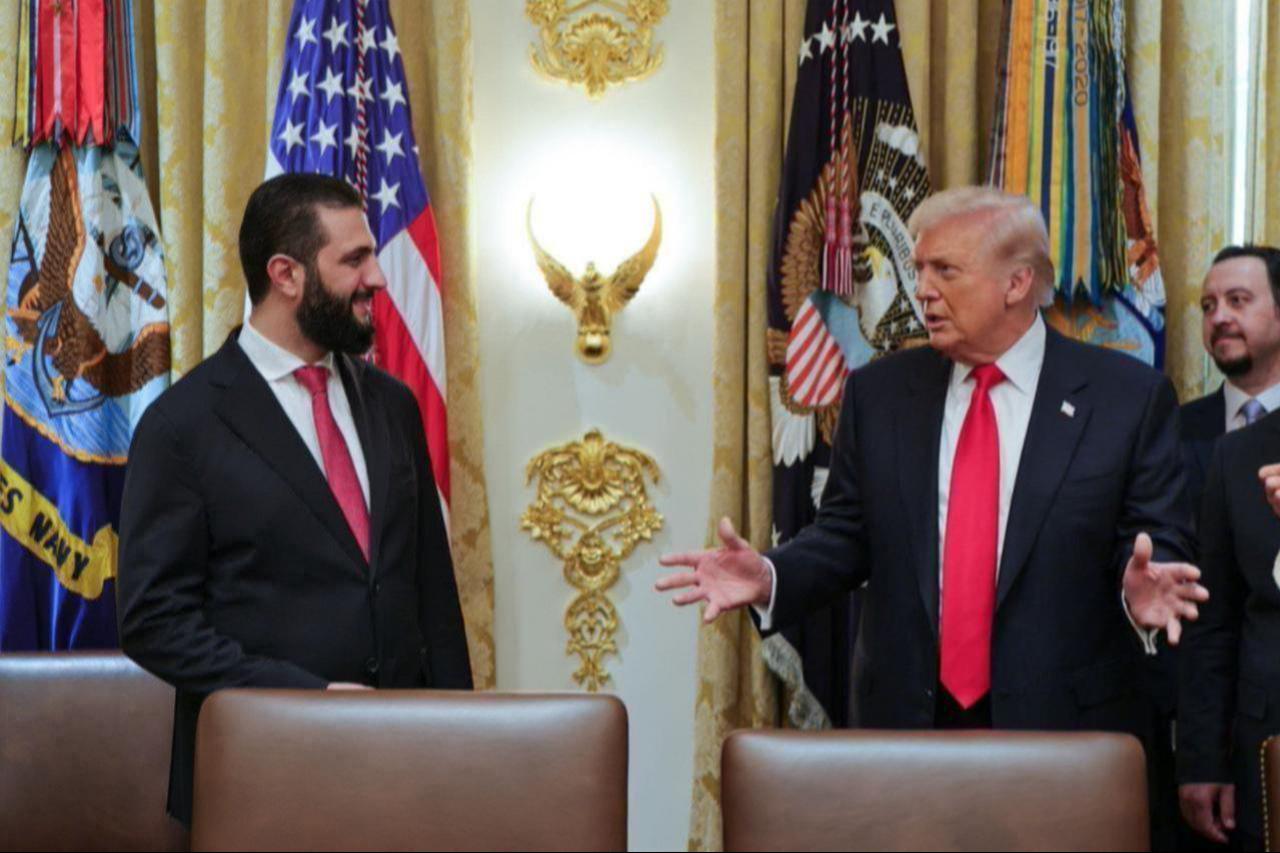

Notably, Al-Sharaa paired this hard security strategy with inclusive messaging toward Syria’s Kurds.
On Jan. 17, he issued a decree recognizing Kurdish alongside Arabic as a national language and declaring Nevruz a national holiday. He described the integration agreement as “the greatest opportunity” for Kurds, affirming that they are an inseparable part of Syria.
Barrack echoed this view, emphasizing that integration would provide constitutional guarantees for Kurdish rights. This position aligns with Türkiye’s own perspective, especially within the framework of its recent “terror-free Türkiye” process.
Ankara maintains that the YPG’s separatist agenda harms Kurdish society and supports the full integration of Syrian Kurds as equal citizens within the Syrian state. President Erdogan’s remark that “integration will benefit Syrian Kurds the most” encapsulates this approach.
The events of the past six days in northeastern Syria have once again underscored the decisive role of demography in warfare.
By mobilizing Arab tribes, al-Sharaa rapidly reclaimed territory from the YPG, while the group—abandoned by U.S. backing—was forced toward capitulation.
Barrack’s blunt intervention and the failure of the SDF’s attempts to maneuver via Israel exposed the fragility of strategies dependent on external patrons.
Türkiye’s diplomatic engagement, led by Fidan and Kalin, accelerated Damascus’s integration strategy while reinforcing Ankara’s regional security vision. As in Afghanistan and Iraq, projects disconnected from demographic realities have collapsed in Syria.
What is now emerging is a more inclusive governance model—one that incorporates Arab tribes and Kurds alike within the Syrian state.
In this evolving balance, Türkiye’s role stands out as an indispensable pillar of regional stability and counterterrorism.


 Set as preferred source
 Set as preferred source


 1 min read
 1 min read